

What Are Points And Miles
On June 2, 2026 by pubman
What Are Points and Miles? The Beginner’s Guide to Travel Rewards
Affiliate disclosure: This article may contain affiliate links. Recommendations are independent and editorially driven.
For many, the terms “points” and “miles” are synonymous with free flights, luxurious hotel stays, and unforgettable travel experiences. But for the uninitiated, they can feel like a secret language, a complex web of loyalty programs, credit card bonuses, and redemption charts. If you’ve ever wondered how people jet-set around the globe for a fraction of the cost, you’re in the right place. This guide will demystify what points and miles are, how they work, and, most importantly, how you can start using them to achieve your travel dreams.
My own journey into points and miles began about ten years ago when I booked a first-class flight to Japan using what felt like an impossible amount of credit card points. That single trip, which would have cost over $10,000 out of pocket, truly opened my eyes to the power of strategic points earning and redemption. From that moment, I realized that understanding these systems wasn’t just a hobby; it was a fundamental shift in how I approached travel planning.
In short: Miles are traditionally earned and used with airlines. Points are generally earned via credit cards and hotels. However, flexible credit card points can often be transferred into airline miles.
Key Takeaways: What You Need to Know About Points and Miles
- Points vs. Miles: “Miles” typically refer to rewards earned directly with airlines. “Points” usually refer to rewards earned with credit card programs (like Chase Ultimate Rewards or American Express Membership Rewards) or hotel chains (like Marriott Bonvoy or Hilton Honors).
- Earning Methods: The primary ways to earn points and miles are through credit card sign-up bonuses, everyday spending on rewards credit cards, and staying with loyalty program partners.
- Flexible Points are King: Credit card points like Chase Ultimate Rewards, American Express Membership Rewards, and Capital One Miles are often the most valuable because they can be transferred to various airline and hotel partners, offering significant flexibility and maximizing redemption value.
- Cents Per Point (CPP): This metric helps you understand the true value of your points and miles. High-value redemptions often involve transferring flexible points to airline partners for premium cabin travel, yielding 2 cents per point (CPP) or more.
- Strategy is Key: Don’t just accumulate points aimlessly. Have a travel goal in mind, research redemption options, and choose credit cards and loyalty programs that align with your specific objectives.
- The “Sweet Spot”: Look for opportunities where the number of points required for a redemption is disproportionately low compared to the cash price, especially when transferring points to airline partners for business or first-class flights.
Understanding the Basics: What are Points and Miles?

At their core, points and miles are a form of currency—a reward rather than cash—that loyalty programs and credit card issuers use to incentivize customer behavior. While the terms are often used interchangeably, there are subtle but important distinctions that guide how you earn and, more crucially, how you redeem them.
What Are Airline Miles?
Airline miles (or frequent flyer miles) are rewards earned directly through an airline’s loyalty program. When you fly with an airline, you typically earn miles based on the distance flown, the fare class, or the amount of money spent on the ticket. These miles are then stored in your specific airline loyalty account, such as Delta SkyMiles, American Airlines AAdvantage, United MileagePlus, or Southwest Rapid Rewards. Most airlines also have partners within global alliances (like Star Alliance, SkyTeam, or Oneworld), allowing you to earn and redeem miles across multiple carriers.
Historically, miles were strictly tied to air travel. You’d earn miles by flying and redeem them for free flights on that airline or its partners. Today, while flying is still a primary way to earn, credit card partnerships have greatly expanded the avenues for accumulating miles without stepping foot on a plane.
What Are Credit Card and Hotel Points?
Points, on the other hand, typically refer to rewards earned through a financial institution’s credit card program or a hotel chain’s loyalty program. Unlike miles, which usually tie you to one airline, many credit card points offer a high degree of flexibility.
- Credit Card Points: These are earned by spending on rewards credit cards. Major players include Chase Ultimate Rewards, American Express Membership Rewards, Capital One Miles, and Citi ThankYou Points. The incredible value of these programs lies in their “transfer partner” ecosystems. For example, you can transfer Chase Ultimate Rewards points to United MileagePlus or Hyatt Globalist, or American Express Membership Rewards to Delta SkyMiles or Marriott Bonvoy. This flexibility is what makes them so powerful, as you’re not locked into a single redemption option.
- Hotel Points: These are earned when you stay at hotels within a specific chain’s loyalty program, like Marriott Bonvoy, Hilton Honors, World of Hyatt, or IHG One Rewards. You earn points for eligible stays, and these points can then be redeemed for free nights, room upgrades, or other hotel benefits. While some hotel points (like Marriott Bonvoy) can be transferred to airlines, often at a less favorable rate than flexible bank points, their primary value lies in hotel redemptions.
The distinction between points and miles can be blurry because flexible credit card points can often be converted into airline miles. This conversion often unlocks some of the highest value redemptions available.
[INLINE IMAGE 1: place after second H2 | alt=”what are points and miles concept illustration”]
The Power of Earning: How to Accumulate Points and Miles
Accumulating a significant stash of points and miles isn’t just for frequent flyers or business travelers. With the right strategy, anyone can earn enough for incredible travel experiences. The earning landscape is diverse, but these are the primary methods:
Credit Card Sign-Up Bonuses (The Fastest Way)
Undoubtedly, the quickest way to earn a large number of points or miles is through credit card sign-up bonuses. Credit card companies offer substantial welcome bonuses (e.g., 60,000 to 100,000+ points) to new cardholders who meet a specified spending requirement within an initial period (typically 3-6 months). These bonuses alone can be enough for multiple domestic flights or even a round-trip international flight in economy class.
- Example: A reputable travel rewards credit card might offer 75,000 points after you spend $4,000 in the first three months. Those 75,000 points, if transferred to an airline partner, could easily cover a round-trip international ticket in economy or a one-way business class flight on certain routes.
- Strategy: It’s crucial to apply for cards strategically, ensuring you can meet the minimum spending requirements without going into debt. Always pay your full balance on time to avoid interest charges, which would negate any value from your rewards.
Everyday Spending on Rewards Credit Cards
Beyond the sign-up bonus, your everyday purchases are a steady source of points and miles. Most rewards credit cards offer bonus categories where you earn accelerated points on specific types of spending:
- Travel: Many cards offer 2x, 3x, or even 5x points on airfare, hotels, and travel agencies.
- Dining: A common bonus category, perfect for foodies.
- Groceries: Essential for most households, some cards reward heavily here.
- Gas: Another everyday expense that can earn extra points.
- Rotating Categories: Cards like the Chase Freedom Flex offer 5x points on rotating categories that change quarterly (e.g., gas stations one quarter, grocery stores another).
The key here is to match your spending habits with the right credit cards. If you spend a lot on groceries, ensure you have a card that maximizes rewards in that category. If you never travel, a card offering 5x on travel might not be your best fit.
Directly Through Airlines and Hotels
As mentioned, flying with an airline or staying with a hotel chain will earn you miles or points directly within their respective loyalty programs. This is often based on the cash spent, elite status level, and sometimes the distance flown or duration of stay. The higher your elite status, the more bonus points/miles you’ll typically earn.
Shopping Portals and Dining Programs
Many airlines and credit card programs offer online shopping portals. By clicking through these portals before making an online purchase, you can earn extra points or miles per dollar spent at participating retailers. Similarly, dining programs allow you to link your credit cards and earn bonus rewards when dining at participating restaurants.
- Example: The American Airlines AAdvantage eShopping portal might offer 5x miles per dollar spent at Macy’s. If you spend $100, you’d get 500 AAdvantage miles simply by starting your shopping on the portal.
Promotions and Special Offers
Keep an eye out for targeted promotions from credit card companies, airlines, and hotels. These can include bonus points for specific spending thresholds (e.g., “spend $1,000 more this month and get an extra 5,000 points”), mileage bonuses for flying certain routes, or hotel promotions offering double points on stays.
Maximizing Your Value: Understanding Redemption Strategies
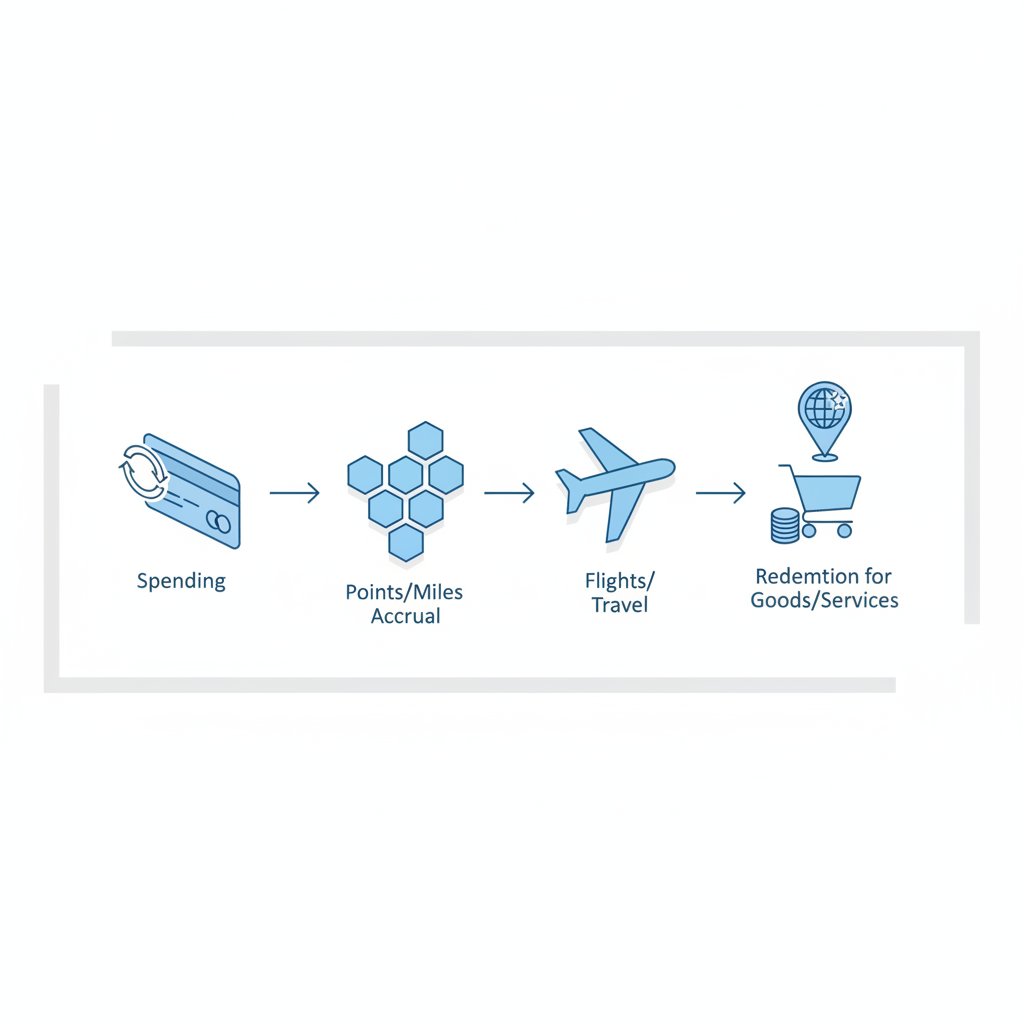
Earning points and miles is only half the battle; the true art lies in redeeming them for outsized value. This is where concepts like “transfer partners” and “Cents Per Point (CPP)” become critical.
The Golden Rule: Transfer Partners and Flexible Points
This is arguably the most important concept in points and miles. While airline-specific miles are useful for that airline, and hotel points are good for that hotel, flexible credit card points offer unparalleled versatility. Programs like Chase Ultimate Rewards, American Express Membership Rewards, and Capital One Miles allow you to transfer your points to a variety of airline and hotel loyalty programs.
Why is this important? Because the value of a point or mile can vary wildly depending on how you redeem it. Transferring points often unlocks the highest value, especially for premium cabin international travel.
| Program | Key Airline Transfer Partners | Key Hotel Transfer Partners | Representative Transfer Ratio |
|---|---|---|---|
| Chase Ultimate Rewards | United MileagePlus, Southwest Rapid Rewards, British Airways Executive Club, Air France/KLM Flying Blue, Singapore Airlines KrisFlyer, Virgin Atlantic Flying Club | World of Hyatt, Marriott Bonvoy, IHG One Rewards | 1:1 (most partners) |
| American Express Membership Rewards | Delta SkyMiles, British Airways Executive Club, Air France/KLM Flying Blue, Emirates Skywards, ANA Mileage Club, Singapore Airlines KrisFlyer, Virgin Atlantic Flying Club | Marriott Bonvoy, Hilton Honors | 1:1 (most airlines), 3:2 to Hilton, 1:1.25 to Marriott (check current offers) |
| Capital One Miles | Air France/KLM Flying Blue, Avianca LifeMiles, British Airways Executive Club, Turkish Airlines Miles&Smiles, Virgin Red | Wyndham Rewards, Accor Live Limitless | 1:1 (most partners), 2:1.5 with some hotel partners |
| Citi ThankYou Points | Avianca LifeMiles, Cathay Pacific Asia Miles, Eva Air Infinity MileageLands, Singapore Airlines KrisFlyer, Turkish Airlines Miles&Smiles, Virgin Atlantic Flying Club | Choice Privileges, Wyndham Rewards | 1:1 (most partners) |
[INLINE IMAGE 2: place after fourth H2 | alt=”what are points and miles comparison illustration”]
Understanding Cents Per Point (CPP)
Cents Per Point (CPP) is a crucial metric for evaluating the success of your redemptions. It tells you the monetary value you’re getting for each point or mile you redeem. The formula is simple:
(Cash Value of Redemption / Number of Points Used) * 100 = CPP
-
Example 1: Economy Flight You find a flight that costs $300 cash or 20,000 airline miles.
($300 / 20,000) * 100 = 1.5 CPP -
Example 2: Business Class Flight The same flight in business class costs $3,000 cash or 60,000 airline miles after transferring flexible points.
($3,000 / 60,000) * 100 = 5 CPP
As you can see, the second redemption yields significantly more value. Most points and miles enthusiasts aim for redemptions of 1.5 CPP or higher, with 2 CPP or more considered excellent. Flexible points programs often allow you to achieve 3-5+ CPP when transferring to airline partners for premium international flights.
The “Sweet Spot” Redemption
A “sweet spot” is a particular redemption that offers exceptional value, often significantly higher than the typical CPP. These typically arise from:More information on sweet spot redemptions.
- Fixed Award Charts: Some airline and hotel programs still use fixed award charts, where a flight or hotel night costs a set number of points, regardless of the cash price. This can be a sweet spot if the cash price is very high.
- Partner Bookings: Transferring flexible points to an airline partner to book a flight on a different airline partner can often reveal sweet spots. For instance, using Virgin Atlantic Flying Club miles (transferable from Amex, Chase, Capital One, Citi) to book Delta One business class flights can be a phenomenal deal compared to using Delta SkyMiles directly.
- Hotel Redemptions: World of Hyatt is famous for offering consistently high value for hotel redemptions, especially for higher-end properties, often yielding 2+ CPP.
Other Redemption Options
While maximizing value through transfers is paramount for many, other options exist:
- Booking Travel Through Portals: Many credit card programs have their own travel portals (e.g., Chase Ultimate Rewards Travel Portal). While convenient, points redeemed this way often have a fixed value (e.g., 1.25 CPP or 1.5 CPP for certain cards), which is usually lower than what you could get through transfer partners.
- Cash Back/Statement Credits: You can often redeem points for cash back or statement credits. However, this is almost always the lowest value redemption (typically 0.5-1 CPP) and should generally be avoided if your goal is free travel.
- Gift Cards/Merchandise: Similar to cash back, these redemptions usually offer poor value.
Major Points & Miles Programs You Need to Know
To navigate the world of points and miles effectively, it’s essential to be familiar with the key players. These programs form the bedrock of most successful travel hacking strategies.
Flexible Credit Card Points Programs
These are the crown jewels, offering the most versatility and often the highest value.
-
Chase Ultimate Rewards:
- Why it’s popular: Known for its valuable transfer partners (especially World of Hyatt and United MileagePlus), user-friendly travel portal, and a range of popular starter cards.
- Key Cards: Chase Sapphire Preferred, Chase Sapphire Reserve, Chase Freedom Flex, Chase Freedom Unlimited.
- Strategy: Ideal for beginners due to its simplicity and high-value redemptions. Best for transferring to partners or booking through their portal with a premium card.
-
American Express Membership Rewards:
- Why it’s popular: Extensive list of airline transfer partners globally, excellent for international business and first-class flights, and strong customer service.
- Key Cards: The Platinum Card from American Express, American Express Gold Card, American Express Green Card.
- Strategy: Best for experienced users focused on aspirational international travel. Can be complex due to varying transfer ratios and frequent transfer bonuses.
-
Capital One Miles:
- Why it’s popular: Simple earning structure (often 2x miles on all purchases), a growing list of airline transfer partners, and flexible redemptions for travel purchases.
- Key Cards: Capital One Venture X Rewards Credit Card, Capital One Venture Rewards Credit Card, Capital One SavorOne Cash Rewards Credit Card (points can be converted to miles with a Venture card).
- Strategy: Great for those who prefer straightforward earning and redemption without delving into complex award charts, or for those new to transferable points.
-
Citi ThankYou Points:
- Why it’s popular: Good selection of international airline transfer partners, occasionally unique transfer bonuses, and decent redemption options.
- Key Cards: Citi Premier Card, Citi Custom Cash Card.
- Strategy: A solid option for diversifying your points portfolio, particularly for accessing specific international airlines.
Major Airline Loyalty Programs (Earning & Direct Redemption)
While often complemented by transferable points, direct earnings from flying or co-branded airline credit cards are also important.
-
Delta SkyMiles:
- Why it’s popular: Extensive domestic and international route network, strong co-branded credit card offerings with American Express.
- Challenges: Dynamic award pricing (miles required for a flight fluctuate with cash price), making “sweet spots” harder to find but not impossible.
-
American Airlines AAdvantage:
- Why it’s popular: Large domestic network on Oneworld alliance, good for redemptions on partners like Qatar Airways or Japan Airlines.
- Challenges: Award availability can be inconsistent, and routing rules can be strict.
-
United MileagePlus:
- Why it’s popular: Extensive global network through Star Alliance, no close-in booking fees for award flights.
- Challenges: Dynamic pricing for United flights, though partner awards can still be valuable.
-
Southwest Rapid Rewards:
- Why it’s popular: Points value is tied directly to the cash price of a ticket (roughly 1.3-1.5 CPP), no change fees, and the Companion Pass is incredibly valuable.
- Strategy: Excellent for domestic travel within the U.S. and to nearby international destinations; Chase Ultimate Rewards transfer 1:1.
Major Hotel Loyalty Programs
Hotel points offer comfortable stays, often saving hundreds of dollars per night.
-
Marriott Bonvoy:
- Why it’s popular: Massive portfolio of brands (over 30) across all price points globally, good for collecting points across many stays. Diverse co-branded credit card options with Chase and American Express.
- Challenges: Dynamic award pricing means point costs can be high for popular destinations and peak dates.
-
Hilton Honors:
- Why it’s popular: Widely available properties, generous elite status benefits, and often offers the 5th night free on award stays. Co-branded credit cards primarily with American Express.
- Challenges: Points are generally less valuable than other programs (often 0.4-0.6 CPP), requiring more points for redemptions.
-
World of Hyatt:
- Why it’s popular: Consistently praised for high point value (often 1.5-2.0+ CPP), great elite status benefits, and straightforward award chart. Highly valuable for transferring Chase Ultimate Rewards points.
- Challenges: Smaller footprint globally compared to Marriott or Hilton, fewer properties available.
-
IHG One Rewards:
- Why it’s popular: Large global presence, diverse brands, and decent values can be found, especially with the 4th night free benefit on some credit cards.
- Challenges: Award pricing is dynamic, and point values can fluctuate.
Each program has its nuances, strengths, and weaknesses. The best strategy often involves diversifying your points across a few key flexible programs that align with your travel goals.
Advanced Strategies and Considerations
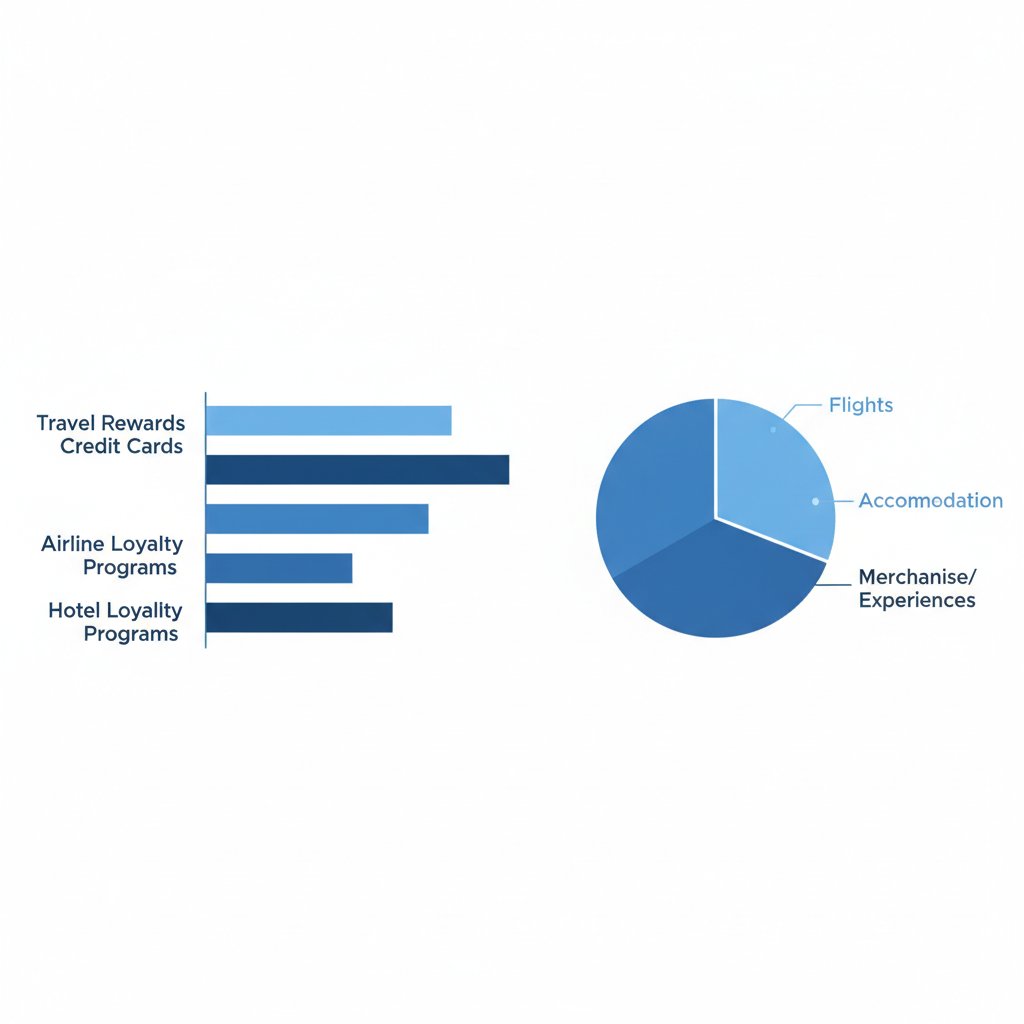
Once you’ve mastered the basics, there are several advanced concepts and best practices that can further optimize your points and miles game.
The “Duo” or “Trio” Credit Card Strategy
Many savvy travelers combine several credit cards from the same issuer to maximize earning. This is often seen with Chase Ultimate Rewards:
-
Example: The Chase Trifecta:
- Chase Sapphire Reserve / Preferred: The “hub” card, allowing you to transfer points to partners and offering a boosted redemption value through the travel portal.
- Chase Freedom Unlimited: Earns 1.5x points on all purchases.
- Chase Freedom Flex: Earns 5x points on rotating quarterly bonus categories.
Points earned on “cash back” cards like the Freedom Unlimited and Flex can be combined and transferred to your Sapphire card, transforming them into valuable transferable Ultimate Rewards points. This allows you to earn high rates across many spending categories.
Understanding and Leveraging Elite Status
Elite status with airlines and hotels can significantly enhance your travel experience and points-earning potential. Benefits may include:
- Airline Elite Status: Priority boarding, extra baggage allowance, lounge access, complimentary upgrades, bonus miles on flights.
- Hotel Elite Status: Complimentary breakfast, room upgrades, late check-out, bonus points on stays, dedicated check-in lines.
While often earned by frequent travel, some premium credit cards offer automatic elite status (e.g., The Platinum Card from American Express offers Hilton Gold and Marriott Bonvoy Gold Elite status) or shortcuts to earning it.
The Companion Pass (Southwest Airlines)
A perennial “holy grail” for domestic travel, the Southwest Companion Pass allows a designated companion to fly with you for just the cost of taxes and fees on paid or award flights. Earned by accumulating 135,000 qualifying Rapid Rewards points in a calendar year, it can be valid for up to two full years. This effectively doubles the value of all your Southwest points.
Avoiding Devaluation and Program Changes
Loyalty programs are subject to change. Airlines and hotels can (and do) devalue their points, meaning the same flight or hotel night could suddenly cost more points. They can also change transfer partners or award charts. While you can’t prevent these changes, you can mitigate their impact:
- Earn and Burn: A common mantra for a reason. Don’t hoard points indefinitely. If you have a redemption in mind, save enough and then use them.
- Diversify: Don’t put all your eggs (points) in one basket. Spread your points across a few flexible programs.
- Stay Informed: Follow points and miles blogs (like goldpoints!) for news on program changes.
For current program updates, check out our frequently updated airline loyalty program news page.
The Impact of Credit Scores
Applying for multiple credit cards, especially for sign-up bonuses, can impact your credit score. Each application results in a “hard inquiry,” which can temporarily lower your score. However, strategic management, such as paying your bills on time and in full, keeping your credit utilization low, and not closing new accounts too quickly, can ensure that your credit score remains healthy in the long run. Generally, individuals with excellent credit scores (700+) are best positioned to take advantage of travel rewards credit cards.
Building Your First Points & Miles Strategy
Ready to dive in? Here’s a simplified approach to getting started:
Step 1: Define Your Travel Goals
What do you want to get out of points and miles? A free domestic flight to visit family? A luxurious international business class trip? A week at an all-inclusive resort? Your goal will dictate which points and programs are most relevant to you.
Step 2: Understand Your Spending Habits
Where do you spend most of your money? Groceries, dining, gas, online shopping? Knowing this helps you choose credit cards that offer bonus points in your highest spending categories.
Step 3: Choose Your First Credit Card Strategically
For most beginners, a versatile card from a flexible points program is ideal. The Chase Sapphire Preferred Card is often recommended as an excellent starter card due to its manageable annual fee, solid sign-up bonus, and strong transfer partners. Focus on meeting the minimum spending requirement for the sign-up bonus without overspending.
Step 4: Learn One Program at a Time
Don’t try to master everything at once. Pick one flexible points program (e.g., Chase Ultimate Rewards) and focus on understanding its earning potential, transfer partners, and redemption sweet spots. Once you’re comfortable, you can expand to other programs.
Step 5: Track Your Points and Miles
As you accumulate points across different programs, it’s helpful to track them. Tools like AwardWallet or individual spreadsheets can help you monitor balances, expiry dates, and account activity.
Step 6: Patience and Persistence
Building up a significant points balance takes time. Be patient, stay organized, and remain committed to your goals. The rewards are well worth the effort.
Conclusion: The Journey of a Thousand Miles (or Points)
The world of points and miles is a dynamic and rewarding realm that truly makes aspirational travel accessible. It’s more than just “free travel”; it’s about strategic financial literacy, understanding loyalty programs, and creatively leveraging the system to enhance your life experiences.
From understanding the fundamental difference between airline-specific miles and flexible credit card points to mastering the art of the transfer partner and calculating Cents Per Point, you now have the foundational knowledge to embark on your own travel hacking journey. Remember my first first-class trip to Japan? That wasn’t luck; it was a carefully planned redemption strategy built on the very principles outlined in this guide. With a clear goal, a strategic approach to earning, and an eye for value in redemption, you too can unlock incredible travel memories without breaking the bank.
So, start small, stay informed, and enjoy the adventure. Your next dream vacation might be just a few thousand points away!
Frequently Asked Questions
Q1: What is the difference between points and miles?
A1: “Miles” generally refer to loyalty currency earned directly with airlines (e.g., Delta SkyMiles, United MileagePlus) and are primarily used for flights on that airline or its partners. “Points” typically refer to rewards earned through credit card programs (e.g., Chase Ultimate Rewards, American Express Membership Rewards) or hotel loyalty programs (e.g., Marriott Bonvoy, World of Hyatt). The key distinction often lies in flexibility: many credit card points are “flexible” because they can be transferred to various airline and hotel partners, offering more redemption options and often higher value.
Q2: How much is 10,000 miles worth?
A2: The value of 10,000 miles (or points) varies significantly based on the loyalty program, the redemption method, and the specific travel you’re booking. For many airline miles, 10,000 miles might get you a short domestic flight or a significant discount on a longer one. If you redeem for cash back, it might be worth $100 (1 cent per point). However, a strategic redemption, like transferring flexible credit card points to an airline partner for a premium cabin flight, could yield 2-5+ cents per point, making 10,000 points potentially worth $200-$500 or more in terms of cash value saved on a high-value ticket.
Q3: Can I convert my credit card points to airline miles?
A3: Yes, this is one of the most powerful aspects of flexible credit card points programs. Programs like Chase Ultimate Rewards, American Express Membership Rewards, Capital One Miles, and Citi ThankYou Points allow you to transfer your accrued points to a variety of airline and hotel loyalty programs, typically at a 1:1 ratio. This enables you to pool points from your everyday spending and convert them into miles for specific flights on your chosen airline, often unlocking higher redemption values than redeeming directly through the credit card’s travel portal.
Q4: Is it better to get points or cash back?
A4: For most travelers, points offer significantly more value than cash back, especially when redeemed strategically for travel. While cash back offers a fixed value (e.g., 1 cent per dollar), points, when transferred to airline or hotel partners for premium travel (business class flights, luxury hotel stays), can often yield 2-5+ cents per point in value. For example, $500 in cash back might cover a portion of an economy flight, but 50,000 points (which could be earned via a sign-up bonus) could be transferred for a business class flight that would cost thousands of dollars cash. If you don’t travel extensively or prefer simplicity, cash back can be a good option, but for maximizing travel, points are almost always superior.
Q5: What are the best ways for a beginner to start earning points and miles?
A5: The best starting point for beginners is often to apply for a versatile travel rewards credit card with a strong sign-up bonus from a reputable flexible points program. The Chase Sapphire Preferred Card is frequently recommended due to its valuable Chase Ultimate Rewards points, excellent transfer partners (especially World of Hyatt), and accessible annual fee. Focus on meeting the minimum spending requirement for the bonus without overspending, pay your balance in full every month, and then use the card for your everyday expenses to continue earning. Once comfortable with one program, you can gradually expand your strategy.
What Are Points and Miles? The Beginner’s Guide to Travel Rewards
Affiliate disclosure: This article may contain affiliate links. Recommendations are independent and editorially driven.
For many, the terms “points” and “miles” are synonymous with free flights, luxurious hotel stays, and unforgettable travel experiences. But for the uninitiated, they can feel like a secret language, a complex web of loyalty programs, credit card bonuses, and redemption charts. If you’ve ever wondered how people jet-set around the globe for a fraction of the cost, you’re in the right place. This guide will demystify what points and miles are, how they work, and, most importantly, how you can start using them to achieve your travel dreams.
My own journey into points and miles began about ten years ago when I booked a first-class flight to Japan using what felt like an impossible amount of credit card points. That single trip, which would have cost over $10,000 out of pocket, truly opened my eyes to the power of strategic points earning and redemption. From that moment, I realized that understanding these systems wasn’t just a hobby; it was a fundamental shift in how I approached travel planning.
In short: Miles are traditionally earned and used with airlines. Points are generally earned via credit cards and hotels. However, flexible credit card points can often be transferred into airline miles.
Key Takeaways: What You Need to Know About Points and Miles
- Points vs. Miles: “Miles” typically refer to rewards earned directly with airlines. “Points” usually refer to rewards earned with credit card programs (like Chase Ultimate Rewards or American Express Membership Rewards) or hotel chains (like Marriott Bonvoy or Hilton Honors).
- Earning Methods: The primary ways to earn points and miles are through credit card sign-up bonuses, everyday spending on rewards credit cards, and staying with loyalty program partners.
- Flexible Points are King: Credit card points like Chase Ultimate Rewards, American Express Membership Rewards, and Capital One Miles are often the most valuable because they can be transferred to various airline and hotel partners, offering significant flexibility and maximizing redemption value.
- Cents Per Point (CPP): This metric helps you understand the true value of your points and miles. High-value redemptions often involve transferring flexible points to airline partners for premium cabin travel, yielding 2 cents per point (CPP) or more.
- Strategy is Key: Don’t just accumulate points aimlessly. Have a travel goal in mind, research redemption options, and choose credit cards and loyalty programs that align with your specific objectives.
- The “Sweet Spot”: Look for opportunities where the number of points required for a redemption is disproportionately low compared to the cash price, especially when transferring points to airline partners for business or first-class flights.
Understanding the Basics: What are Points and Miles?
At their core, points and miles are a form of currency—a reward rather than cash—that loyalty programs and credit card issuers use to incentivize customer behavior. While the terms are often used interchangeably, there are subtle but important distinctions that guide how you earn and, more crucially, how you redeem them.
What Are Airline Miles?
Airline miles (or frequent flyer miles) are rewards earned directly through an airline’s loyalty program. When you fly with an airline, you typically earn miles based on the distance flown, the fare class, or the amount of money spent on the ticket. These miles are then stored in your specific airline loyalty account, such as Delta SkyMiles, American Airlines AAdvantage, United MileagePlus, or Southwest Rapid Rewards. Most airlines also have partners within global alliances (like Star Alliance, SkyTeam, or Oneworld), allowing you to earn and redeem miles across multiple carriers.
Historically, miles were strictly tied to air travel. You’d earn miles by flying and redeem them for free flights on that airline or its partners. Today, while flying is still a primary way to earn, credit card partnerships have greatly expanded the avenues for accumulating miles without stepping foot on a plane.
What Are Credit Card and Hotel Points?
Points, on the other hand, typically refer to rewards earned through a financial institution’s credit card program or a hotel chain’s loyalty program. Unlike miles, which usually tie you to one airline, many credit card points offer a high degree of flexibility.
- Credit Card Points: These are earned by spending on rewards credit cards. Major players include Chase Ultimate Rewards, American Express Membership Rewards, Capital One Miles, and Citi ThankYou Points. The incredible value of these programs lies in their “transfer partner” ecosystems. For example, you can transfer Chase Ultimate Rewards points to United MileagePlus or Hyatt Globalist, or American Express Membership Rewards to Delta SkyMiles or Marriott Bonvoy. This flexibility is what makes them so powerful, as you’re not locked into a single redemption option.
- Hotel Points: These are earned when you stay at hotels within a specific chain’s loyalty program, like Marriott Bonvoy, Hilton Honors, World of Hyatt, or IHG One Rewards. You earn points for eligible stays, and these points can then be redeemed for free nights, room upgrades, or other hotel benefits. While some hotel points (like Marriott Bonvoy) can be transferred to airlines, often at a less favorable rate than flexible bank points, their primary value lies in hotel redemptions.
The distinction between points and miles can be blurry because flexible credit card points can often be converted into airline miles. This conversion often unlocks some of the highest value redemptions available.
[INLINE IMAGE 1: place after second H2 | alt=”what are points and miles concept illustration”]
The Power of Earning: How to Accumulate Points and Miles
Accumulating a significant stash of points and miles isn’t just for frequent flyers or business travelers. With the right strategy, anyone can earn enough for incredible travel experiences. The earning landscape is diverse, but these are the primary methods:
Credit Card Sign-Up Bonuses (The Fastest Way)
Undoubtedly, the quickest way to earn a large number of points or miles is through credit card sign-up bonuses. Credit card companies offer substantial welcome bonuses (e.g., 60,000 to 100,000+ points) to new cardholders who meet a specified spending requirement within an initial period (typically 3-6 months). These bonuses alone can be enough for multiple domestic flights or even a round-trip international flight in economy class.
- Example: A reputable travel rewards credit card might offer 75,000 points after you spend $4,000 in the first three months. Those 75,000 points, if transferred to an airline partner, could easily cover a round-trip international ticket in economy or a one-way business class flight on certain routes.
- Strategy: It’s crucial to apply for cards strategically, ensuring you can meet the minimum spending requirements without going into debt. Always pay your full balance on time to avoid interest charges, which would negate any value from your rewards.
Everyday Spending on Rewards Credit Cards
Beyond the sign-up bonus, your everyday purchases are a steady source of points and miles. Most rewards credit cards offer bonus categories where you earn accelerated points on specific types of spending:
- Travel: Many cards offer 2x, 3x, or even 5x points on airfare, hotels, and travel agencies.
- Dining: A common bonus category, perfect for foodies.
- Groceries: Essential for most households, some cards reward heavily here.
- Gas: Another everyday expense that can earn extra points.
- Rotating Categories: Cards like the Chase Freedom Flex offer 5x points on rotating categories that change quarterly (e.g., gas stations one quarter, grocery stores another).
The key here is to match your spending habits with the right credit cards. If you spend a lot on groceries, ensure you have a card that maximizes rewards in that category. If you never travel, a card offering 5x on travel might not be your best fit.
Directly Through Airlines and Hotels
As mentioned, flying with an airline or staying with a hotel chain will earn you miles or points directly within their respective loyalty programs. This is often based on the cash spent, elite status level, and sometimes the distance flown or duration of stay. The higher your elite status, the more bonus points/miles you’ll typically earn.
Shopping Portals and Dining Programs
Many airlines and credit card programs offer online shopping portals. By clicking through these portals before making an online purchase, you can earn extra points or miles per dollar spent at participating retailers. Similarly, dining programs allow you to link your credit cards and earn bonus rewards when dining at participating restaurants.
- Example: The American Airlines AAdvantage eShopping portal might offer 5x miles per dollar spent at Macy’s. If you spend $100, you’d get 500 AAdvantage miles simply by starting your shopping on the portal.
Promotions and Special Offers
Keep an eye out for targeted promotions from credit card companies, airlines, and hotels. These can include bonus points for specific spending thresholds (e.g., “spend $1,000 more this month and get an extra 5,000 points”), mileage bonuses for flying certain routes, or hotel promotions offering double points on stays.
Maximizing Your Value: Understanding Redemption Strategies
Earning points and miles is only half the battle; the true art lies in redeeming them for outsized value. This is where concepts like “transfer partners” and “Cents Per Point (CPP)” become critical.
The Golden Rule: Transfer Partners and Flexible Points
This is arguably the most important concept in points and miles. While airline-specific miles are useful for that airline, and hotel points are good for that hotel, flexible credit card points offer unparalleled versatility. Programs like Chase Ultimate Rewards, American Express Membership Rewards, and Capital One Miles allow you to transfer your points to a variety of airline and hotel loyalty programs.
Why is this important? Because the value of a point or mile can vary wildly depending on how you redeem it. Transferring points often unlocks the highest value, especially for premium cabin international travel.
| Program | Key Airline Transfer Partners | Key Hotel Transfer Partners | Representative Transfer Ratio |
|---|---|---|---|
| Chase Ultimate Rewards | United MileagePlus, Southwest Rapid Rewards, British Airways Executive Club, Air France/KLM Flying Blue, Singapore Airlines KrisFlyer, Virgin Atlantic Flying Club | World of Hyatt, Marriott Bonvoy, IHG One Rewards | 1:1 (most partners) |
| American Express Membership Rewards | Delta SkyMiles, British Airways Executive Club, Air France/KLM Flying Blue, Emirates Skywards, ANA Mileage Club, Singapore Airlines KrisFlyer, Virgin Atlantic Flying Club | Marriott Bonvoy, Hilton Honors | 1:1 (most airlines), 3:2 to Hilton, 1:1.25 to Marriott (check current offers) |
| Capital One Miles | Air France/KLM Flying Blue, Avianca LifeMiles, British Airways Executive Club, Turkish Airlines Miles&Smiles, Virgin Red | Wyndham Rewards, Accor Live Limitless | 1:1 (most partners), 2:1.5 with some hotel partners |
| Citi ThankYou Points | Avianca LifeMiles, Cathay Pacific Asia Miles, Eva Air Infinity MileageLands, Singapore Airlines KrisFlyer, Turkish Airlines Miles&Smiles, Virgin Atlantic Flying Club | Choice Privileges, Wyndham Rewards | 1:1 (most partners) |
[INLINE IMAGE 2: place after fourth H2 | alt=”what are points and miles comparison illustration”]
Understanding Cents Per Point (CPP)
Cents Per Point (CPP) is a crucial metric for evaluating the success of your redemptions. It tells you the monetary value you’re getting for each point or mile you redeem. The formula is simple:
(Cash Value of Redemption / Number of Points Used) * 100 = CPP
-
Example 1: Economy Flight You find a flight that costs $300 cash or 20,000 airline miles.
($300 / 20,000) * 100 = 1.5 CPP -
Example 2: Business Class Flight The same flight in business class costs $3,000 cash or 60,000 airline miles after transferring flexible points.
($3,000 / 60,000) * 100 = 5 CPP
As you can see, the second redemption yields significantly more value. Most points and miles enthusiasts aim for redemptions of 1.5 CPP or higher, with 2 CPP or more considered excellent. Flexible points programs often allow you to achieve 3-5+ CPP when transferring to airline partners for premium international flights.
The “Sweet Spot” Redemption
A “sweet spot” is a particular redemption that offers exceptional value, often significantly higher than the typical CPP. These typically arise from:More information on sweet spot redemptions.
- Fixed Award Charts: Some airline and hotel programs still use fixed award charts, where a flight or hotel night costs a set number of points, regardless of the cash price. This can be a sweet spot if the cash price is very high.
- Partner Bookings: Transferring flexible points to an airline partner to book a flight on a different airline partner can often reveal sweet spots. For instance, using Virgin Atlantic Flying Club miles (transferable from Amex, Chase, Capital One, Citi) to book Delta One business class flights can be a phenomenal deal compared to using Delta SkyMiles directly.
- Hotel Redemptions: World of Hyatt is famous for offering consistently high value for hotel redemptions, especially for higher-end properties, often yielding 2+ CPP.
Other Redemption Options
While maximizing value through transfers is paramount for many, other options exist:
- Booking Travel Through Portals: Many credit card programs have their own travel portals (e.g., Chase Ultimate Rewards Travel Portal). While convenient, points redeemed this way often have a fixed value (e.g., 1.25 CPP or 1.5 CPP for certain cards), which is usually lower than what you could get through transfer partners.
- Cash Back/Statement Credits: You can often redeem points for cash back or statement credits. However, this is almost always the lowest value redemption (typically 0.5-1 CPP) and should generally be avoided if your goal is free travel.
- Gift Cards/Merchandise: Similar to cash back, these redemptions usually offer poor value.
Major Points & Miles Programs You Need to Know
To navigate the world of points and miles effectively, it’s essential to be familiar with the key players. These programs form the bedrock of most successful travel hacking strategies.
Flexible Credit Card Points Programs
These are the crown jewels, offering the most versatility and often the highest value.
-
Chase Ultimate Rewards:
- Why it’s popular: Known for its valuable transfer partners (especially World of Hyatt and United MileagePlus), user-friendly travel portal, and a range of popular starter cards.
- Key Cards: Chase Sapphire Preferred, Chase Sapphire Reserve, Chase Freedom Flex, Chase Freedom Unlimited.
- Strategy: Ideal for beginners due to its simplicity and high-value redemptions. Best for transferring to partners or booking through their portal with a premium card.
-
American Express Membership Rewards:
- Why it’s popular: Extensive list of airline transfer partners globally, excellent for international business and first-class flights, and strong customer service.
- Key Cards: The Platinum Card from American Express, American Express Gold Card, American Express Green Card.
- Strategy: Best for experienced users focused on aspirational international travel. Can be complex due to varying transfer ratios and frequent transfer bonuses.
-
Capital One Miles:
- Why it’s popular: Simple earning structure (often 2x miles on all purchases), a growing list of airline transfer partners, and flexible redemptions for travel purchases.
- Key Cards: Capital One Venture X Rewards Credit Card, Capital One Venture Rewards Credit Card, Capital One SavorOne Cash Rewards Credit Card (points can be converted to miles with a Venture card).
- Strategy: Great for those who prefer straightforward earning and redemption without delving into complex award charts, or for those new to transferable points.
-
Citi ThankYou Points:
- Why it’s popular: Good selection of international airline transfer partners, occasionally unique transfer bonuses, and decent redemption options.
- Key Cards: Citi Premier Card, Citi Custom Cash Card.
- Strategy: A solid option for diversifying your points portfolio, particularly for accessing specific international airlines.
Major Airline Loyalty Programs (Earning & Direct Redemption)
While often complemented by transferable points, direct earnings from flying or co-branded airline credit cards are also important.
-
Delta SkyMiles:
- Why it’s popular: Extensive domestic and international route network, strong co-branded credit card offerings with American Express.
- Challenges: Dynamic award pricing (miles required for a flight fluctuate with cash price), making “sweet spots” harder to find but not impossible.
-
American Airlines AAdvantage:
- Why it’s popular: Large domestic network on Oneworld alliance, good for redemptions on partners like Qatar Airways or Japan Airlines.
- Challenges: Award availability can be inconsistent, and routing rules can be strict.
-
United MileagePlus:
- Why it’s popular: Extensive global network through Star Alliance, no close-in booking fees for award flights.
- Challenges: Dynamic pricing for United flights, though partner awards can still be valuable.
-
Southwest Rapid Rewards:
- Why it’s popular: Points value is tied directly to the cash price of a ticket (roughly 1.3-1.5 CPP), no change fees, and the Companion Pass is incredibly valuable.
- Strategy: Excellent for domestic travel within the U.S. and to nearby international destinations; Chase Ultimate Rewards transfer 1:1.
Major Hotel Loyalty Programs
Hotel points offer comfortable stays, often saving hundreds of dollars per night.
-
Marriott Bonvoy:
- Why it’s popular: Massive portfolio of brands (over 30) across all price points globally, good for collecting points across many stays. Diverse co-branded credit card options with Chase and American Express.
- Challenges: Dynamic award pricing means point costs can be high for popular destinations and peak dates.
-
Hilton Honors:
- Why it’s popular: Widely available properties, generous elite status benefits, and often offers the 5th night free on award stays. Co-branded credit cards primarily with American Express.
- Challenges: Points are generally less valuable than other programs (often 0.4-0.6 CPP), requiring more points for redemptions.
-
World of Hyatt:
- Why it’s popular: Consistently praised for high point value (often 1.5-2.0+ CPP), great elite status benefits, and straightforward award chart. Highly valuable for transferring Chase Ultimate Rewards points.
- Challenges: Smaller footprint globally compared to Marriott or Hilton, fewer properties available.
-
IHG One Rewards:
- Why it’s popular: Large global presence, diverse brands, and decent values can be found, especially with the 4th night free benefit on some credit cards.
- Challenges: Award pricing is dynamic, and point values can fluctuate.
Each program has its nuances, strengths, and weaknesses. The best strategy often involves diversifying your points across a few key flexible programs that align with your travel goals.
Advanced Strategies and Considerations
Once you’ve mastered the basics, there are several advanced concepts and best practices that can further optimize your points and miles game.
The “Duo” or “Trio” Credit Card Strategy
Many savvy travelers combine several credit cards from the same issuer to maximize earning. This is often seen with Chase Ultimate Rewards:
-
Example: The Chase Trifecta:
- Chase Sapphire Reserve / Preferred: The “hub” card, allowing you to transfer points to partners and offering a boosted redemption value through the travel portal.
- Chase Freedom Unlimited: Earns 1.5x points on all purchases.
- Chase Freedom Flex: Earns 5x points on rotating quarterly bonus categories.
Points earned on “cash back” cards like the Freedom Unlimited and Flex can be combined and transferred to your Sapphire card, transforming them into valuable transferable Ultimate Rewards points. This allows you to earn high rates across many spending categories.
Understanding and Leveraging Elite Status
Elite status with airlines and hotels can significantly enhance your travel experience and points-earning potential. Benefits may include:
- Airline Elite Status: Priority boarding, extra baggage allowance, lounge access, complimentary upgrades, bonus miles on flights.
- Hotel Elite Status: Complimentary breakfast, room upgrades, late check-out, bonus points on stays, dedicated check-in lines.
While often earned by frequent travel, some premium credit cards offer automatic elite status (e.g., The Platinum Card from American Express offers Hilton Gold and Marriott Bonvoy Gold Elite status) or shortcuts to earning it.
The Companion Pass (Southwest Airlines)
A perennial “holy grail” for domestic travel, the Southwest Companion Pass allows a designated companion to fly with you for just the cost of taxes and fees on paid or award flights. Earned by accumulating 135,000 qualifying Rapid Rewards points in a calendar year, it can be valid for up to two full years. This effectively doubles the value of all your Southwest points.
Avoiding Devaluation and Program Changes
Loyalty programs are subject to change. Airlines and hotels can (and do) devalue their points, meaning the same flight or hotel night could suddenly cost more points. They can also change transfer partners or award charts. While you can’t prevent these changes, you can mitigate their impact:
- Earn and Burn: A common mantra for a reason. Don’t hoard points indefinitely. If you have a redemption in mind, save enough and then use them.
- Diversify: Don’t put all your eggs (points) in one basket. Spread your points across a few flexible programs.
- Stay Informed: Follow points and miles blogs (like goldpoints!) for news on program changes.
For current program updates, check out our frequently updated airline loyalty program news page.
The Impact of Credit Scores
Applying for multiple credit cards, especially for sign-up bonuses, can impact your credit score. Each application results in a “hard inquiry,” which can temporarily lower your score. However, strategic management, such as paying your bills on time and in full, keeping your credit utilization low, and not closing new accounts too quickly, can ensure that your credit score remains healthy in the long run. Generally, individuals with excellent credit scores (700+) are best positioned to take advantage of travel rewards credit cards.
Building Your First Points & Miles Strategy
Ready to dive in? Here’s a simplified approach to getting started:
Step 1: Define Your Travel Goals
What do you want to get out of points and miles? A free domestic flight to visit family? A luxurious international business class trip? A week at an all-inclusive resort? Your goal will dictate which points and programs are most relevant to you.
Step 2: Understand Your Spending Habits
Where do you spend most of your money? Groceries, dining, gas, online shopping? Knowing this helps you choose credit cards that offer bonus points in your highest spending categories.
Step 3: Choose Your First Credit Card Strategically
For most beginners, a versatile card from a flexible points program is ideal. The Chase Sapphire Preferred Card is often recommended as an excellent starter card due to its manageable annual fee, solid sign-up bonus, and strong transfer partners. Focus on meeting the minimum spending requirement for the sign-up bonus without overspending.
Step 4: Learn One Program at a Time
Don’t try to master everything at once. Pick one flexible points program (e.g., Chase Ultimate Rewards) and focus on understanding its earning potential, transfer partners, and redemption sweet spots. Once you’re comfortable, you can expand to other programs.
Step 5: Track Your Points and Miles
As you accumulate points across different programs, it’s helpful to track them. Tools like AwardWallet or individual spreadsheets can help you monitor balances, expiry dates, and account activity.
Step 6: Patience and Persistence
Building up a significant points balance takes time. Be patient, stay organized, and remain committed to your goals. The rewards are well worth the effort.
Conclusion: The Journey of a Thousand Miles (or Points)
The world of points and miles is a dynamic and rewarding realm that truly makes aspirational travel accessible. It’s more than just “free travel”; it’s about strategic financial literacy, understanding loyalty programs, and creatively leveraging the system to enhance your life experiences.
From understanding the fundamental difference between airline-specific miles and flexible credit card points to mastering the art of the transfer partner and calculating Cents Per Point, you now have the foundational knowledge to embark on your own travel hacking journey. Remember my first first-class trip to Japan? That wasn’t luck; it was a carefully planned redemption strategy built on the very principles outlined in this guide. With a clear goal, a strategic approach to earning, and an eye for value in redemption, you too can unlock incredible travel memories without breaking the bank.
So, start small, stay informed, and enjoy the adventure. Your next dream vacation might be just a few thousand points away!
Frequently Asked Questions
Q1: What is the difference between points and miles?
A1: “Miles” generally refer to loyalty currency earned directly with airlines (e.g., Delta SkyMiles, United MileagePlus) and are primarily used for flights on that airline or its partners. “Points” typically refer to rewards earned through credit card programs (e.g., Chase Ultimate Rewards, American Express Membership Rewards) or hotel loyalty programs (e.g., Marriott Bonvoy, World of Hyatt). The key distinction often lies in flexibility: many credit card points are “flexible” because they can be transferred to various airline and hotel partners, offering more redemption options and often higher value.
Q2: How much is 10,000 miles worth?
A2: The value of 10,000 miles (or points) varies significantly based on the loyalty program, the redemption method, and the specific travel you’re booking. For many airline miles, 10,000 miles might get you a short domestic flight or a significant discount on a longer one. If you redeem for cash back, it might be worth $100 (1 cent per point). However, a strategic redemption, like transferring flexible credit card points to an airline partner for a premium cabin flight, could yield 2-5+ cents per point, making 10,000 points potentially worth $200-$500 or more in terms of cash value saved on a high-value ticket.
Q3: Can I convert my credit card points to airline miles?
A3: Yes, this is one of the most powerful aspects of flexible credit card points programs. Programs like Chase Ultimate Rewards, American Express Membership Rewards, Capital One Miles, and Citi ThankYou Points allow you to transfer your accrued points to a variety of airline and hotel loyalty programs, typically at a 1:1 ratio. This enables you to pool points from your everyday spending and convert them into miles for specific flights on your chosen airline, often unlocking higher redemption values than redeeming directly through the credit card’s travel portal.
Q4: Is it better to get points or cash back?
A4: For most travelers, points offer significantly more value than cash back, especially when redeemed strategically for travel. While cash back offers a fixed value (e.g., 1 cent per dollar), points, when transferred to airline or hotel partners for premium travel (business class flights, luxury hotel stays), can often yield 2-5+ cents per point in value. For example, $500 in cash back might cover a portion of an economy flight, but 50,000 points (which could be earned via a sign-up bonus) could be transferred for a business class flight that would cost thousands of dollars cash. If you don’t travel extensively or prefer simplicity, cash back can be a good option, but for maximizing travel, points are almost always superior.
Q5: What are the best ways for a beginner to start earning points and miles?
A5: The best starting point for beginners is often to apply for a versatile travel rewards credit card with a strong sign-up bonus from a reputable flexible points program. The Chase Sapphire Preferred Card is frequently recommended due to its valuable Chase Ultimate Rewards points, excellent transfer partners (especially World of Hyatt), and accessible annual fee. Focus on meeting the minimum spending requirement for the bonus without overspending, pay your balance in full every month, and then use the card for your everyday expenses to continue earning. Once comfortable with one program, you can gradually expand your strategy.