

Best Beginner Rewards Credit Card
On June 2, 2026 by pubman
Best Beginner Rewards Credit Card — Top Picks for 2026
Affiliate disclosure: This article may contain affiliate links. Recommendations are independent and editorially driven.
Embarking on your credit journey is a significant financial step, and choosing the best beginner rewards credit card can set you on a path to both responsible credit building and lucrative rewards. For newcomers to the world of credit, finding a card that offers valuable perks without overwhelming fees or stringent requirements can feel like navigating a maze. At goldpoints, we believe that everyone deserves the opportunity to earn while they spend responsibly, and a well-chosen beginner card is your first ticket to unlocking a universe of cash back, points, and travel miles.
In this comprehensive guide for 2026, we cut through the jargon to present the top options for those just starting out. Whether you’re a student, someone looking to establish credit for the first time, or rebuilding your financial standing, understanding the nuances of various rewards programs and card features is crucial. We’ll delve into the types of rewards available, key factors to consider, and how to use your first rewards card to build a strong credit history. Our goal is to empower you with the knowledge to select the absolute best beginner rewards credit card tailored to your unique financial situation and future aspirations.
TL;DR: Our Top Picks for the Best Beginner Rewards Credit Card in 2026
Short on time? Here’s a quick glance at our top recommended beginner rewards credit cards that deliver exceptional value, ease of use, and strong credit-building potential for 2026:
- Discover it® Secured Credit Card: An excellent choice for building credit from scratch with cash back rewards, requiring a security deposit.
- Capital One QuicksilverOne Cash Rewards Credit Card: A straightforward cash back option for fair credit, offering unlimited 1.5% cash back on every purchase.
- Chase Freedom Rise℠: A robust entry-level card designed for new credit users, offering easy cash back on all purchases and a clear path to Chase’s premium ecosystem.
- Petal® 2 Visa® Credit Card: Stands out for its innovative approach, often approving applicants with limited credit history based on banking data, offering cash back.
- Bank of America® Customized Cash Rewards Credit Card for Students: Perfect for students, allowing them to choose a 3% cash back category to match their spending habits.
These cards represent the diverse landscape of options for beginners, from secured cards for those with no credit to student-specific offerings and cards designed for fair credit. Each provides a unique pathway to earning rewards while establishing a solid financial foundation.
Navigating the World of Rewards: Why a Beginner Card Matters
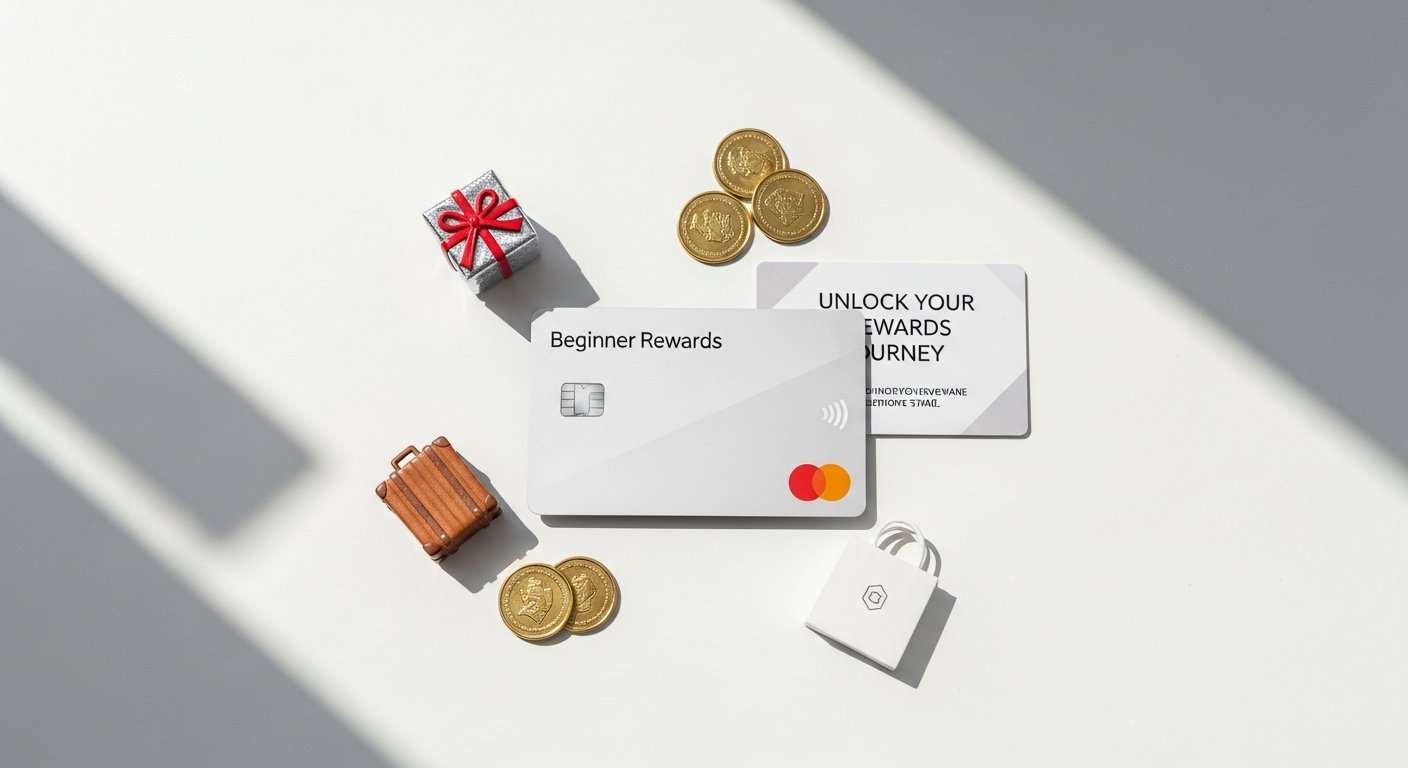
For many, the idea of a credit card conjures images of debt and financial risk. However, when wielded responsibly, a credit card, especially a rewards-focused one, becomes a powerful tool. It’s not just about purchasing power; it’s about establishing a credit history, unlocking valuable perks, and learning essential financial discipline. For beginners, the right card is a stepping stone to a world of financial opportunities, from securing loans for a home or car to accessing premium travel benefits.
Understanding Credit & Rewards
Before diving into specific cards, let’s clarify why a beginner rewards credit card is so pivotal. Credit is a measure of your financial trustworthiness. Lenders use your credit history to assess your ability to repay debts. A strong credit history, built over time through responsible credit card use, can lead to lower interest rates on loans, easier approval for apartments, and even better insurance premiums. Rewards, on the other hand, are incentives offered by card issuers for using their products. These can come in various forms: cash back on purchases, points redeemable for gift cards or merchandise, or airline miles for travel. The synergy of building credit and earning rewards makes the best beginner rewards credit card an invaluable asset.
Think of your first rewards card as a dual-purpose instrument. You’re not just buying groceries; you’re also earning a percentage back or accumulating points towards a future trip. More importantly, each on-time payment and responsible use of your credit limit contributes positively to your credit report, ultimately shaping your financial future. It’s an investment in yourself, turning everyday spending into an opportunity for growth and gain.
The Goldpoints Philosophy for Beginners
At goldpoints, our mission is to demystify credit card rewards and loyalty programs, making them accessible to everyone. For beginners, this means focusing on cards that offer a balanced approach: cards with achievable approval requirements, manageable fees (or none at all), straightforward reward structures, and clear pathways to building credit. We prioritize transparency and responsible card usage above all else. Our recommendations are curated to ensure that your first experience with a rewards credit card is positive, educational, and genuinely rewarding, without pushing you into unnecessary debt or complex financial products.
We understand that the initial learning curve can be steep. That’s why we emphasize cards that provide practical benefits and a solid foundation for financial literacy. Our goal is to guide you towards a card that not only allows you to start earning cash back or points immediately but also equips you with the habits necessary for long-term financial health. The journey of points and miles begins with that first, smart choice, and we’re here to help you make it.
[INLINE IMAGE 1: place after second H2 | alt=”best beginner rewards credit card concept illustration”]
Our Expert-Picked Best Beginner Rewards Credit Cards for 2026
When selecting the best beginner rewards credit card, we look for a combination of factors: accessibility for those with limited or no credit history, ease of understanding reward structures, reasonable fees, and strong credit-building potential. Below, we’ve compiled a list of our top recommendations for 2026, featuring a mix of secured, student, and unsecured options. Each card is vetted for its suitability for new credit users, ensuring you can start earning rewards and building credit with confidence.
Ready to start earning? Compare Top Beginner Rewards Credit Card Offers Now!
| Card Name | Main Reward Rate(s) | Welcome Bonus | Annual Fee | Recommended User Profile | Typical APR Range (Variable) | Why It’s Great for Beginners |
|---|---|---|---|---|---|---|
| Discover it® Secured Credit Card | 2% cash back at gas stations and restaurants (on up to $1,000 in combined purchases each quarter), 1% on all other purchases. | Discover matches ALL the cash back you’ve earned at the end of your first year, automatically. | $0 | No credit history or poor credit; looking to build or rebuild credit. | 29.99% | Guaranteed approval with security deposit; transitions to an unsecured card with responsible use; excellent cash back match for beginners. |
| Capital One QuicksilverOne Cash Rewards Credit Card | Unlimited 1.5% cash back on every purchase. | N/A (no sign-up bonus, but consistent rewards) | $39 | Fair credit; wants simple, unlimited cash back. | 29.99% | Predictable cash back on everything; potential for credit line increases over time. |
| Chase Freedom Rise℠ | 1.5% cash back on all purchases. | Earn a $25 bonus after making your first purchase within 3 months. | $0 | New to credit, has a Chase checking/savings account (optional but helps). | 26.99% – 33.74% | No annual fee; strong rewards for a beginner card; builds relationship with Chase for future premium cards. |
| Petal® 2 Visa® Credit Card | 1% cash back on eligible purchases right away, up to 1.5% after 6 on-time payments. | N/A (focus on building credit and increasing rewards organically) | $0 | Limited credit history; wants an innovative approval process using cash flow. | 18.24% – 32.24% | No fees whatsoever; Cashflow Underwriting for approval; mobile app for financial health tracking. |
| Bank of America® Customized Cash Rewards Credit Card for Students | 3% cash back in a category of your choice (online shopping, dining, travel, etc.), 2% at grocery stores & wholesale clubs (on up to $2,500 in combined choice category/grocery/wholesale purchases each quarter), 1% on all other purchases. | $200 online cash rewards bonus after spending $1,000 in purchases in the first 90 days. | $0 | Students with limited credit history looking for flexible rewards. | 19.24% – 29.24% | Customizable rewards categories to match student spending; strong welcome bonus; no annual fee. |
Note: APRs are variable and subject to change. Reward rates, welcome bonuses, and other card terms are accurate as of May 2026 but can change over time. Always check the official issuer website for the most current offer details before applying.
Decoding Rewards Programs: Cash Back, Points, and Miles for Newbies
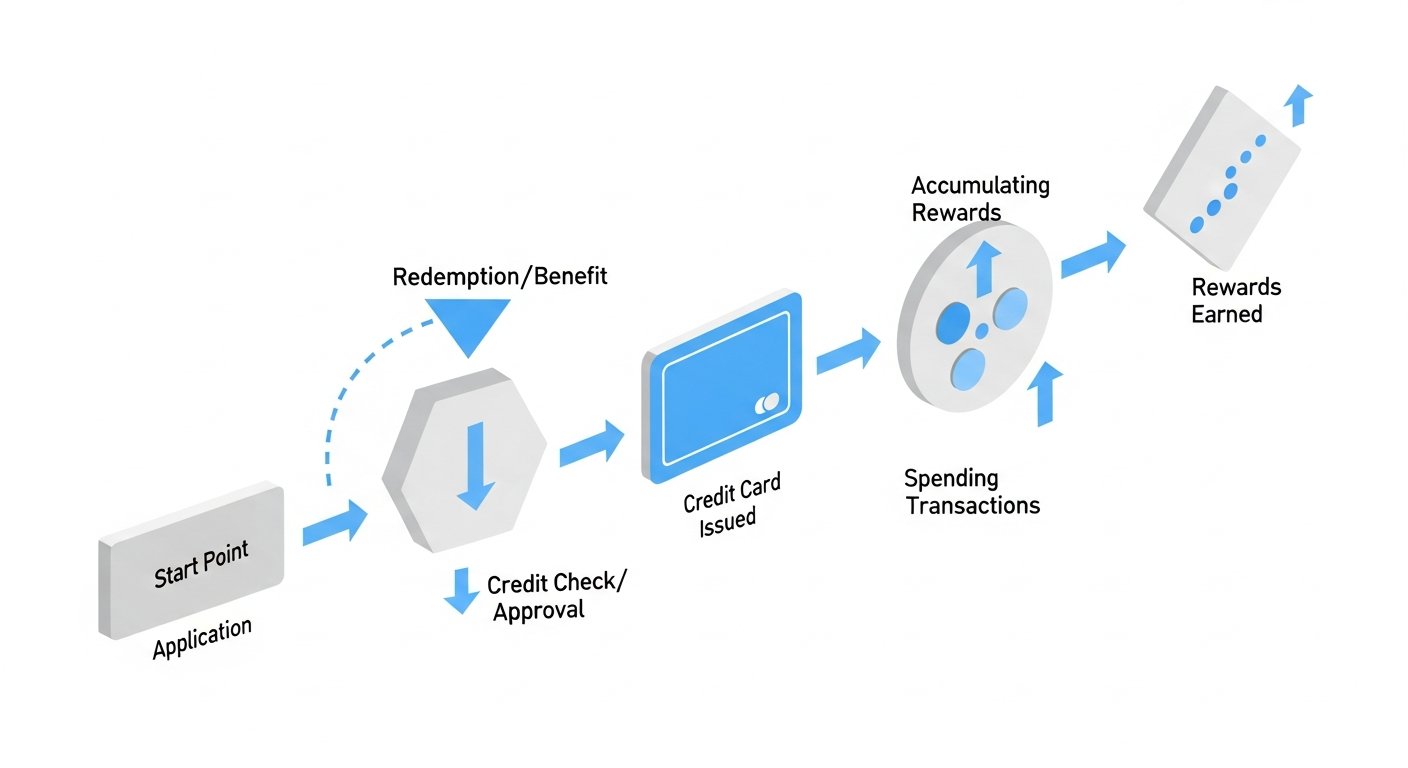
Once you’ve decided to get a rewards credit card, the next big question is: what kind of rewards do you want? The world of credit card rewards primarily boils down to three categories: cash back, flexible points, and airline miles. Each has its unique appeal and value proposition, especially for someone seeking the best beginner rewards credit card. Understanding these differences is key to maximizing your earnings and ensuring your rewards align with your lifestyle and financial goals.
The Appeal of Cash Back
Cash back is arguably the most straightforward and universally appealing reward type, making it a favorite for many beginners. With cash back cards, you earn a percentage of your spending back, typically as a statement credit, direct deposit, or check. It’s essentially a discount on everything you buy. For instance, a card offering 1.5% cash back means you get $1.50 back for every $100 spent. Simple, predictable, and highly flexible.
- Pros for Beginners: Easy to understand, no complicated redemption schemes, direct financial benefit.
- Common Cash Back Structures:
- Flat Rate: A consistent percentage on all purchases (e.g., 1.5% or 2%).
- Tiered or Category-Specific: Higher percentages in certain spending categories (e.g., 3% on dining, 2% at gas stations, 1% on everything else). Some cards offer rotating bonus categories that change quarterly.
For someone just starting out, a flat-rate cash back card can be ideal, as it simplifies tracking and ensures you’re earning on all your spending without needing to strategize. As you become more comfortable, a card with bonus categories can amplify your earnings in areas you spend most.
Unlocking Value with Flexible Points
Flexible points programs offer a bit more complexity but also significantly more redemption versatility. Cards that earn points (e.g., Chase Ultimate Rewards, American Express Membership Rewards, Citi ThankYou Points) typically award a certain number of points per dollar spent. These points can then be redeemed for various options:
- Statement credits or direct deposit (often at a lower value than cash back)
- Gift cards or merchandise
- Travel booked directly through the card issuer’s portal
- Transfer to airline and hotel loyalty partners (where the real value often lies)
While the transfer option might be more advanced, even as a beginner, you can leverage points for simple travel bookings or gift cards. As your understanding of points and miles grows, you might explore transferring points for outsized value. Many popular beginner cards, like the Chase Freedom Rise℠, earn points that can later be combined with points from more advanced cards within the same ecosystem, paving the way for lucrative travel redemptions down the line.
Exploring Travel Miles
Travel miles are another form of points, often specifically tied to airline or hotel loyalty programs, or general travel cards. These cards are designed for individuals who travel frequently or aspire to. Miles typically offer the best value when redeemed for flights or hotel stays, especially when transferred to partner programs. While some beginner cards offer travel-focused rewards (like Capital One QuicksilverOne, which earns “miles” but redeems them effectively as cash back for travel), dedicated airline or hotel co-branded cards are usually more suitable for those with an established credit history and specific travel goals.
- Key Consideration: For beginners, ensure any “travel miles” card is either a general travel rewards card with flexible redemption (like Capital One’s offerings) or a no-annual-fee card with easy-to-understand travel statement credits. Avoid high-annual-fee co-branded cards until you’re a seasoned traveler and have maximized other rewards.
Which Reward Type Suits You?
The best beginner rewards credit card ultimately depends on your lifestyle:
- Cash Back: Ideal if you prefer simplicity, direct financial benefit, or aren’t sure how you’ll use rewards. It’s the most flexible and least complicated.
- Flexible Points: Great if you have varied spending habits, foresee future travel, and want options beyond just cash back. It offers a stepping stone to more advanced rewards strategies.
- Travel Miles: Best for aspirational travelers who want to save on flights and hotels, but often requires a deeper understanding of loyalty programs to maximize value.
Real-World Rewards: Earning Scenarios
Let’s visualize your potential earnings. Suppose you get a flat 1.5% cash back card and spend $1,000 per month on everyday expenses. That’s $15 back each month, or $180 per year. If you opt for a card with 3% cash back on a chosen category (e.g., dining) and you spend $200 on dining, $300 on groceries (2%), and $500 on other (1%), you’d earn:
( $200 * 0.03 ) + ( $300 * 0.02 ) + ( $500 * 0.01 ) = $6 + $6 + $5 = $17 per month, or $204 per year.
This tangible benefit makes responsible credit card use not just a means to an end but a rewarding experience in itself. Regularly review your spending habits to align them with your chosen card’s reward structure.
Essential Factors to Consider When Choosing Your First Rewards Card
Choosing the best beginner rewards credit card isn’t just about the rewards; it’s about understanding the entire package. Several critical factors will influence your decision and, more importantly, your long-term financial health. Overlooking any of these could lead to unexpected costs or missed opportunities. At goldpoints, we empower you with a holistic view, ensuring you make an informed choice.
[INLINE IMAGE 2: place after fourth H2 | alt=”best beginner rewards credit card comparison illustration”]
Annual Fees: Friend or Foe?
An annual fee is a recurring charge for owning a credit card. For beginners, a card with a $0 annual fee is almost always the preferred choice. Why pay for a card when you’re just starting out and need every dollar? While some premium cards offer benefits that outweigh their high annual fees, these are generally not suitable for beginners. For your first card, focus on options that allow you to build credit and earn rewards without adding an extra cost to your budget. The cards we highlighted, such as the Discover it® Secured Credit Card and Chase Freedom Rise℠, are excellent examples of no-annual-fee options perfect for entry-level users.
Explore more no-annual-fee options: Browse Goldpoints’ Guide to No-Annual-Fee Rewards Cards
Welcome Bonuses and Introductory Offers
Many rewards cards entice new cardholders with welcome bonuses – a lump sum of cash back, points, or miles awarded after meeting a specific spending requirement within a certain timeframe (e.g., spend $500 in the first 3 months to get $200 cash back). For beginners, a modest and achievable welcome bonus is a great way to kickstart your rewards earnings. However, never overspend to meet a bonus requirement. Only apply for cards with bonuses that you can realistically achieve through your regular, planned spending.
Some cards also offer introductory APRs, such as 0% interest on purchases or balance transfers for a period. While tempting, if you plan to pay your balance in full every month (which you absolutely should as a beginner), these offers are less relevant. Focus on the long-term rewards and fees rather than short-term interest breaks.
Interest Rates (APRs): A Critical Understanding
APR stands for Annual Percentage Rate, which is the interest you’re charged on your balance if you don’t pay it in full by the due date. For most rewards cards, especially beginner ones, APRs are typically high (often in the 20-30% range). This is a crucial point: as a beginner, your goal should be to pay your statement balance in full every single month to avoid incurring any interest charges. If you carry a balance, any rewards you earn will quickly be negated by the interest. The value of a reward card comes from using it like a debit card – spending only what you have and paying it off immediately – but reaping the credit-building and rewards benefits.
Disclaimer: The APR ranges provided in our comparison table are typical variable rates as of 2026. Actual rates can vary based on creditworthiness. Always verify the most current APR and terms directly on the card issuer’s official website before applying. goldpoints strives for accuracy but advises checking official sources.
Credit Score Requirements and Approval Odds
One of the biggest hurdles for beginners is getting approved for a credit card
Best Beginner Rewards Credit Card — Top Picks for 2026
Affiliate disclosure: This article may contain affiliate links. Recommendations are independent and editorially driven.
Embarking on your credit journey is a significant financial step, and choosing the best beginner rewards credit card can set you on a path to both responsible credit building and lucrative rewards. For newcomers to the world of credit, finding a card that offers valuable perks without overwhelming fees or stringent requirements can feel like navigating a maze. At goldpoints, we believe that everyone deserves the opportunity to earn while they spend responsibly, and a well-chosen beginner card is your first ticket to unlocking a universe of cash back, points, and travel miles.
In this comprehensive guide for 2026, we cut through the jargon to present the top options for those just starting out. Whether you’re a student, someone looking to establish credit for the first time, or rebuilding your financial standing, understanding the nuances of various rewards programs and card features is crucial. We’ll delve into the types of rewards available, key factors to consider, and how to use your first rewards card to build a strong credit history. Our goal is to empower you with the knowledge to select the absolute best beginner rewards credit card tailored to your unique financial situation and future aspirations.
TL;DR: Our Top Picks for the Best Beginner Rewards Credit Card in 2026
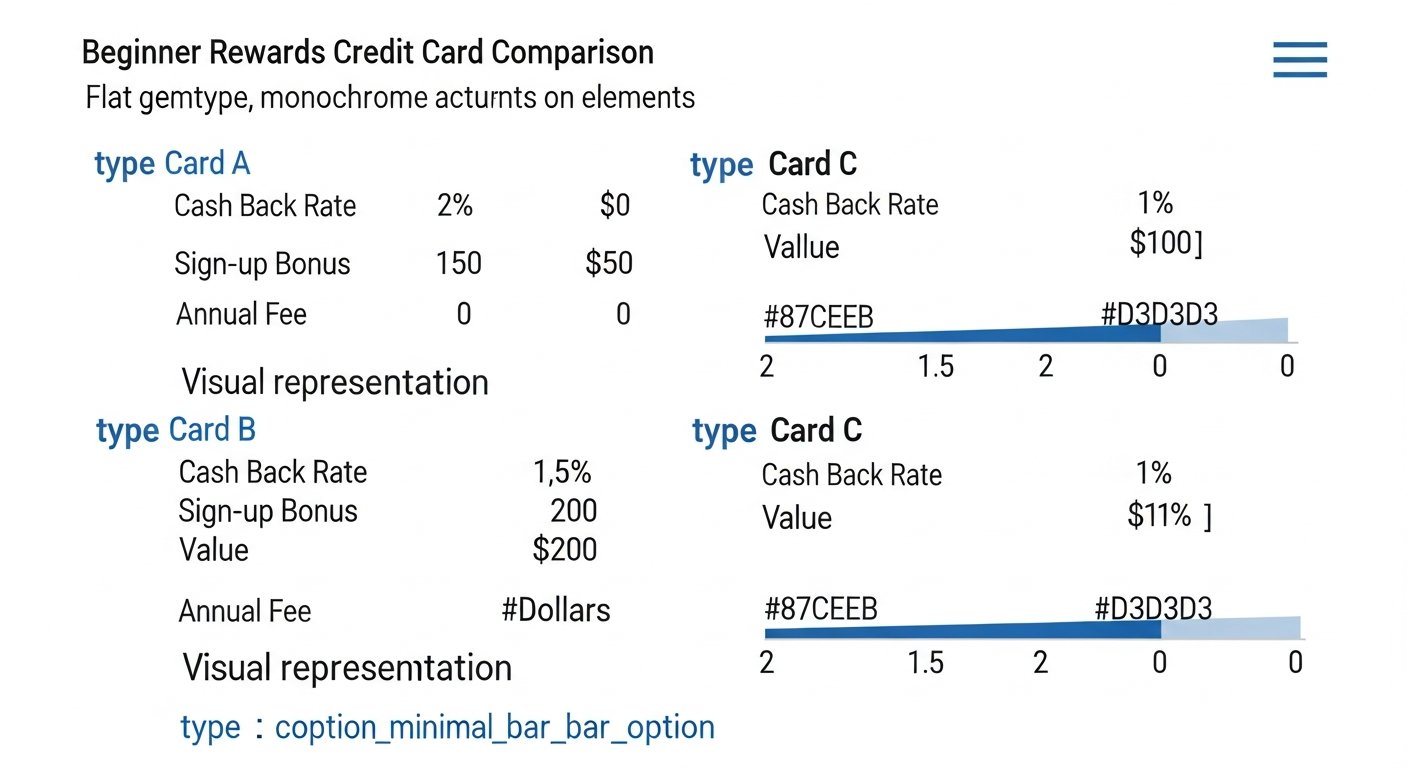
Short on time? Here’s a quick glance at our top recommended beginner rewards credit cards that deliver exceptional value, ease of use, and strong credit-building potential for 2026:
- Discover it® Secured Credit Card: An excellent choice for building credit from scratch with cash back rewards, requiring a security deposit.
- Capital One QuicksilverOne Cash Rewards Credit Card: A straightforward cash back option for fair credit, offering unlimited 1.5% cash back on every purchase.
- Chase Freedom Rise℠: A robust entry-level card designed for new credit users, offering easy cash back on all purchases and a clear path to Chase’s premium ecosystem.
- Petal® 2 Visa® Credit Card: Stands out for its innovative approach, often approving applicants with limited credit history based on banking data, offering cash back.
- Bank of America® Customized Cash Rewards Credit Card for Students: Perfect for students, allowing them to choose a 3% cash back category to match their spending habits.
These cards represent the diverse landscape of options for beginners, from secured cards for those with no credit to student-specific offerings and cards designed for fair credit. Each provides a unique pathway to earning rewards while establishing a solid financial foundation.
Navigating the World of Rewards: Why a Beginner Card Matters
For many, the idea of a credit card conjures images of debt and financial risk. However, when wielded responsibly, a credit card, especially a rewards-focused one, becomes a powerful tool. It’s not just about purchasing power; it’s about establishing a credit history, unlocking valuable perks, and learning essential financial discipline. For beginners, the right card is a stepping stone to a world of financial opportunities, from securing loans for a home or car to accessing premium travel benefits.
Understanding Credit & Rewards
Before diving into specific cards, let’s clarify why a beginner rewards credit card is so pivotal. Credit is a measure of your financial trustworthiness. Lenders use your credit history to assess your ability to repay debts. A strong credit history, built over time through responsible credit card use, can lead to lower interest rates on loans, easier approval for apartments, and even better insurance premiums. Rewards, on the other hand, are incentives offered by card issuers for using their products. These can come in various forms: cash back on purchases, points redeemable for gift cards or merchandise, or airline miles for travel. The synergy of building credit and earning rewards makes the best beginner rewards credit card an invaluable asset.
Think of your first rewards card as a dual-purpose instrument. You’re not just buying groceries; you’re also earning a percentage back or accumulating points towards a future trip. More importantly, each on-time payment and responsible use of your credit limit contributes positively to your credit report, ultimately shaping your financial future. It’s an investment in yourself, turning everyday spending into an opportunity for growth and gain.
The Goldpoints Philosophy for Beginners
At goldpoints, our mission is to demystify credit card rewards and loyalty programs, making them accessible to everyone. For beginners, this means focusing on cards that offer a balanced approach: cards with achievable approval requirements, manageable fees (or none at all), straightforward reward structures, and clear pathways to building credit. We prioritize transparency and responsible card usage above all else. Our recommendations are curated to ensure that your first experience with a rewards credit card is positive, educational, and genuinely rewarding, without pushing you into unnecessary debt or complex financial products.
We understand that the initial learning curve can be steep. That’s why we emphasize cards that provide practical benefits and a solid foundation for financial literacy. Our goal is to guide you towards a card that not only allows you to start earning cash back or points immediately but also equips you with the habits necessary for long-term financial health. The journey of points and miles begins with that first, smart choice, and we’re here to help you make it.
[INLINE IMAGE 1: place after second H2 | alt=”best beginner rewards credit card concept illustration”]
Our Expert-Picked Best Beginner Rewards Credit Cards for 2026
When selecting the best beginner rewards credit card, we look for a combination of factors: accessibility for those with limited or no credit history, ease of understanding reward structures, reasonable fees, and strong credit-building potential. Below, we’ve compiled a list of our top recommendations for 2026, featuring a mix of secured, student, and unsecured options. Each card is vetted for its suitability for new credit users, ensuring you can start earning rewards and building credit with confidence.
Ready to start earning? Compare Top Beginner Rewards Credit Card Offers Now!
| Card Name | Main Reward Rate(s) | Welcome Bonus | Annual Fee | Recommended User Profile | Typical APR Range (Variable) | Why It’s Great for Beginners |
|---|---|---|---|---|---|---|
| Discover it® Secured Credit Card | 2% cash back at gas stations and restaurants (on up to $1,000 in combined purchases each quarter), 1% on all other purchases. | Discover matches ALL the cash back you’ve earned at the end of your first year, automatically. | $0 | No credit history or poor credit; looking to build or rebuild credit. | 29.99% | Guaranteed approval with security deposit; transitions to an unsecured card with responsible use; excellent cash back match for beginners. |
| Capital One QuicksilverOne Cash Rewards Credit Card | Unlimited 1.5% cash back on every purchase. | N/A (no sign-up bonus, but consistent rewards) | $39 | Fair credit; wants simple, unlimited cash back. | 29.99% | Predictable cash back on everything; potential for credit line increases over time. |
| Chase Freedom Rise℠ | 1.5% cash back on all purchases. | Earn a $25 bonus after making your first purchase within 3 months. | $0 | New to credit, has a Chase checking/savings account (optional but helps). | 26.99% – 33.74% | No annual fee; strong rewards for a beginner card; builds relationship with Chase for future premium cards. |
| Petal® 2 Visa® Credit Card | 1% cash back on eligible purchases right away, up to 1.5% after 6 on-time payments. | N/A (focus on building credit and increasing rewards organically) | $0 | Limited credit history; wants an innovative approval process using cash flow. | 18.24% – 32.24% | No fees whatsoever; Cashflow Underwriting for approval; mobile app for financial health tracking. |
| Bank of America® Customized Cash Rewards Credit Card for Students | 3% cash back in a category of your choice (online shopping, dining, travel, etc.), 2% at grocery stores & wholesale clubs (on up to $2,500 in combined choice category/grocery/wholesale purchases each quarter), 1% on all other purchases. | $200 online cash rewards bonus after spending $1,000 in purchases in the first 90 days. | $0 | Students with limited credit history looking for flexible rewards. | 19.24% – 29.24% | Customizable rewards categories to match student spending; strong welcome bonus; no annual fee. |
Note: APRs are variable and subject to change. Reward rates, welcome bonuses, and other card terms are accurate as of May 2026 but can change over time. Always check the official issuer website for the most current offer details before applying.
Decoding Rewards Programs: Cash Back, Points, and Miles for Newbies
Once you’ve decided to get a rewards credit card, the next big question is: what kind of rewards do you want? The world of credit card rewards primarily boils down to three categories: cash back, flexible points, and airline miles. Each has its unique appeal and value proposition, especially for someone seeking the best beginner rewards credit card. Understanding these differences is key to maximizing your earnings and ensuring your rewards align with your lifestyle and financial goals.
The Appeal of Cash Back
Cash back is arguably the most straightforward and universally appealing reward type, making it a favorite for many beginners. With cash back cards, you earn a percentage of your spending back, typically as a statement credit, direct deposit, or check. It’s essentially a discount on everything you buy. For instance, a card offering 1.5% cash back means you get $1.50 back for every $100 spent. Simple, predictable, and highly flexible.
- Pros for Beginners: Easy to understand, no complicated redemption schemes, direct financial benefit.
- Common Cash Back Structures:
- Flat Rate: A consistent percentage on all purchases (e.g., 1.5% or 2%).
- Tiered or Category-Specific: Higher percentages in certain spending categories (e.g., 3% on dining, 2% at gas stations, 1% on everything else). Some cards offer rotating bonus categories that change quarterly.
For someone just starting out, a flat-rate cash back card can be ideal, as it simplifies tracking and ensures you’re earning on all your spending without needing to strategize. As you become more comfortable, a card with bonus categories can amplify your earnings in areas you spend most.
Unlocking Value with Flexible Points
Flexible points programs offer a bit more complexity but also significantly more redemption versatility. Cards that earn points (e.g., Chase Ultimate Rewards, American Express Membership Rewards, Citi ThankYou Points) typically award a certain number of points per dollar spent. These points can then be redeemed for various options:
- Statement credits or direct deposit (often at a lower value than cash back)
- Gift cards or merchandise
- Travel booked directly through the card issuer’s portal
- Transfer to airline and hotel loyalty partners (where the real value often lies)
While the transfer option might be more advanced, even as a beginner, you can leverage points for simple travel bookings or gift cards. As your understanding of points and miles grows, you might explore transferring points for outsized value. Many popular beginner cards, like the Chase Freedom Rise℠, earn points that can later be combined with points from more advanced cards within the same ecosystem, paving the way for lucrative travel redemptions down the line.
Exploring Travel Miles
Travel miles are another form of points, often specifically tied to airline or hotel loyalty programs, or general travel cards. These cards are designed for individuals who travel frequently or aspire to. Miles typically offer the best value when redeemed for flights or hotel stays, especially when transferred to partner programs. While some beginner cards offer travel-focused rewards (like Capital One QuicksilverOne, which earns “miles” but redeems them effectively as cash back for travel), dedicated airline or hotel co-branded cards are usually more suitable for those with an established credit history and specific travel goals.
- Key Consideration: For beginners, ensure any “travel miles” card is either a general travel rewards card with flexible redemption (like Capital One’s offerings) or a no-annual-fee card with easy-to-understand travel statement credits. Avoid high-annual-fee co-branded cards until you’re a seasoned traveler and have maximized other rewards.
Which Reward Type Suits You?
The best beginner rewards credit card ultimately depends on your lifestyle:
- Cash Back: Ideal if you prefer simplicity, direct financial benefit, or aren’t sure how you’ll use rewards. It’s the most flexible and least complicated.
- Flexible Points: Great if you have varied spending habits, foresee future travel, and want options beyond just cash back. It offers a stepping stone to more advanced rewards strategies.
- Travel Miles: Best for aspirational travelers who want to save on flights and hotels, but often requires a deeper understanding of loyalty programs to maximize value.
Real-World Rewards: Earning Scenarios
Let’s visualize your potential earnings. Suppose you get a flat 1.5% cash back card and spend $1,000 per month on everyday expenses. That’s $15 back each month, or $180 per year. If you opt for a card with 3% cash back on a chosen category (e.g., dining) and you spend $200 on dining, $300 on groceries (2%), and $500 on other (1%), you’d earn:
( $200 * 0.03 ) + ( $300 * 0.02 ) + ( $500 * 0.01 ) = $6 + $6 + $5 = $17 per month, or $204 per year.
This tangible benefit makes responsible credit card use not just a means to an end but a rewarding experience in itself. Regularly review your spending habits to align them with your chosen card’s reward structure.
Essential Factors to Consider When Choosing Your First Rewards Card
Choosing the best beginner rewards credit card isn’t just about the rewards; it’s about understanding the entire package. Several critical factors will influence your decision and, more importantly, your long-term financial health. Overlooking any of these could lead to unexpected costs or missed opportunities. At goldpoints, we empower you with a holistic view, ensuring you make an informed choice.
[INLINE IMAGE 2: place after fourth H2 | alt=”best beginner rewards credit card comparison illustration”]
Annual Fees: Friend or Foe?
An annual fee is a recurring charge for owning a credit card. For beginners, a card with a $0 annual fee is almost always the preferred choice. Why pay for a card when you’re just starting out and need every dollar? While some premium cards offer benefits that outweigh their high annual fees, these are generally not suitable for beginners. For your first card, focus on options that allow you to build credit and earn rewards without adding an extra cost to your budget. The cards we highlighted, such as the Discover it® Secured Credit Card and Chase Freedom Rise℠, are excellent examples of no-annual-fee options perfect for entry-level users.
Explore more no-annual-fee options: Browse Goldpoints’ Guide to No-Annual-Fee Rewards Cards
Welcome Bonuses and Introductory Offers
Many rewards cards entice new cardholders with welcome bonuses – a lump sum of cash back, points, or miles awarded after meeting a specific spending requirement within a certain timeframe (e.g., spend $500 in the first 3 months to get $200 cash back). For beginners, a modest and achievable welcome bonus is a great way to kickstart your rewards earnings. However, never overspend to meet a bonus requirement. Only apply for cards with bonuses that you can realistically achieve through your regular, planned spending.
Some cards also offer introductory APRs, such as 0% interest on purchases or balance transfers for a period. While tempting, if you plan to pay your balance in full every month (which you absolutely should as a beginner), these offers are less relevant. Focus on the long-term rewards and fees rather than short-term interest breaks.
Interest Rates (APRs): A Critical Understanding
APR stands for Annual Percentage Rate, which is the interest you’re charged on your balance if you don’t pay it in full by the due date. For most rewards cards, especially beginner ones, APRs are typically high (often in the 20-30% range). This is a crucial point: as a beginner, your goal should be to pay your statement balance in full every single month to avoid incurring any interest charges. If you carry a balance, any rewards you earn will quickly be negated by the interest. The value of a reward card comes from using it like a debit card – spending only what you have and paying it off immediately – but reaping the credit-building and rewards benefits.
Disclaimer: The APR ranges provided in our comparison table are typical variable rates as of 2026. Actual rates can vary based on creditworthiness. Always verify the most current APR and terms directly on the card issuer’s official website before applying. goldpoints strives for accuracy but advises checking official sources.
Credit Score Requirements and Approval Odds
One of the biggest hurdles for beginners is getting approved for a credit card