

Beginner’S Guide To Travel Hacking
On June 2, 2026 by pubman
Beginner’s Guide to Travel Hacking: Your Journey to Free Travel Starts Here
Affiliate disclosure: This article may contain affiliate links. Recommendations are independent and editorially driven.
The allure of travel – new cultures, breathtaking landscapes, delicious cuisines – is universal. Yet, for many, the cost remains a significant barrier. Imagine flying business class to a dream destination or staying in a luxurious hotel, all without paying a dime out of pocket. This isn’t a fantasy; it’s the reality forged by a growing community of savvy travelers known as “travel hackers.” Welcome to the definitive beginner’s guide to travel hacking, your passport to unlocking incredible travel experiences for a fraction of the cost.
Travel hacking, at its core, is the art and science of strategically accumulating and redeeming credit card rewards, hotel loyalty points, and airline miles to achieve free or heavily discounted travel. It’s not about being a millionaire or finding loopholes in obscure systems. Instead, it’s about understanding how loyalty programs work, leveraging sign-up bonuses, maximizing everyday spending, and redeeming your hard-earned points and miles for outsized value. This isn’t simply about being frugal; it’s about being intelligent with your finances to unlock experiences that would otherwise be out of reach.
For too long, the world of points and miles has been perceived as complex, reserved for experts with years of experience. Our goal with this comprehensive guide is to demystify travel hacking, breaking down its fundamental concepts into digestible, actionable steps. Whether you’re dreaming of a round-the-world adventure, an annual family vacation, or just a weekend getaway, the principles outlined here will empower you to make those dreams a reality. We’ll cover everything from the foundational credit card strategies to advanced redemption techniques, ensuring you have a complete roadmap to becoming a successful travel hacker.
What Exactly is Travel Hacking? Debunking Myths and Understanding the Fundamentals
Before diving into strategies, let’s establish a clear understanding of what travel hacking truly entails and dispel some common misconceptions. At its heart, travel hacking is about maximizing the value of loyalty programs offered by airlines, hotels, and, most prominently, credit card companies. It’s a strategic approach to consumer spending that turns everyday expenses into future travel opportunities.
Myth vs. Reality: Clearing the Air
- Myth 1: Travel Hacking is Illegal or Grey Area. This is perhaps the most pervasive myth. Travel hacking is entirely legal and operates within the terms and conditions set by banks, airlines, and hotels. It involves making smart choices about which financial products to use and how to redeem the rewards they offer.
- Myth 2: You Need to Spend a Lot of Money to Travel Hack. While spending is involved, the goal isn’t to spend more money, but to spend your existing budget smarter. Travel hackers often optimize spending they would do anyway – groceries, bills, dining out – to earn rewards.
- Myth 3: Travel Hacking is Only for Big Spenders or Business Travelers. Anyone can travel hack, regardless of income level. The strategies scale down to everyday spenders and can be incredibly effective for individuals, couples, and families looking to save on travel.
- Myth 4: It’s Too Complicated and Time-Consuming. While there is a learning curve, the foundational principles are straightforward. Once you grasp the basics, it becomes second nature. This guide is designed to simplify that process for you.
- Myth 5: It Will Harm Your Credit Score. Responsible travel hacking, which involves paying bills on time and not applying for too many cards too quickly, can actually improve your credit score over time due to increased credit limits and lower utilization.
[INLINE IMAGE 1: place after second H2 | alt=”beginner’s guide to travel hacking concept illustration”]
The Core Pillars of Travel Hacking
Travel hacking rests on three primary pillars:
- Credit Card Welcome Bonuses: This is the bread and butter of travel hacking. Banks offer massive point or mile bonuses (often 50,000 to 100,000+ points) for new cardholders who meet a specified spending requirement within an initial period (e.g., spend $3,000 in 3 months). These bonuses alone can fund multiple flights or hotel stays.
- Everyday Spending Optimization: Beyond the initial bonus, travel hackers use the right credit cards for specific spending categories (e.g., a card that earns 3x points on dining, another for 5x points on groceries) to maximize their earnings on ongoing purchases.
- Strategic Redemptions: Earning points is only half the battle. The true art lies in redeeming them for outsized value. This means understanding airline award charts, hotel award nights, transfer partners, and avoiding poor redemption options.
Understanding these fundamentals sets the stage for a rewarding journey into the world of points and miles. The beauty of travel hacking is its versatility; you can tailor your strategy to your personal spending habits and travel aspirations.
Building Your Foundation: Essential Tools and Mindset for the Aspiring Travel Hacker

Embarking on your travel hacking journey requires more than just an understanding of points; it requires the right tools, a disciplined mindset, and a commitment to responsible financial management. This section outlines the crucial groundwork you need to lay before you even consider applying for your first travel rewards credit card.
Step 1: Get Your Financial House in Order
This is non-negotiable. Travel hacking is built on credit, and responsible use of credit demands a solid financial foundation.
- Excellent Credit Score: Most premium travel rewards cards require a good to excellent credit score (typically 700+). If your score isn’t there yet, focus on improving it by paying all bills on time, keeping credit utilization low, and addressing any negative items on your report. For more detailed strategies on credit score improvement, check out our guide on boosting your credit score for travel rewards.
- No Existing Credit Card Debt: Carrying a balance on high-interest credit cards negates any potential value from rewards. The interest charges will always outweigh the points earned. Prioritize paying off all credit card debt before you begin.
- Budgeting Savvy: You need a clear understanding of your monthly income and expenses. This helps you identify where you can easily meet minimum spending requirements without overspending. Travel hacking is about leveraging existing spending, not increasing it.
- Emergency Fund: Having a robust emergency fund (3-6 months of living expenses) provides a financial safety net. This ensures you’re never in a position where you need to rely on a credit card for unexpected expenses.
Step 2: Understand Your Spending Habits
Knowing where your money goes is critical for maximizing point earnings. Analyze your past few months of bank and credit card statements. Identify your biggest spending categories (groceries, dining, gas, utilities, travel, etc.). This information will be invaluable when selecting the right credit cards. For instance, if you spend a lot on groceries, a card that offers bonus points in that category will be more valuable to you.
Step 3: Define Your Travel Goals
What do you want to achieve with travel hacking? Knowing your goals will guide your strategy and help you select the most relevant points and programs.
- Specific Destination? (e.g., Paris, Tokyo, Maldives)
- Specific Type of Travel? (e.g., business class flights, luxury hotel stays, road trips)
- How Many People? (Solo, couple, family)
- Desired Timeline? (Next 6 months, 1 year, 2 years)
- Are you flexible with dates? Flexibility dramatically increases your chances of finding award availability. For insights into finding the best deals, explore our article on mastering award availability searches.
For example, if your goal is an international business class flight, you’ll need a significant number of airline miles, likely from a transferable points program. If it’s luxury hotel stays, then specific hotel co-branded credit cards or transferable points programs like Chase Ultimate Rewards or American Express Membership Rewards will be your target.
Step 4: Develop a System for Organization
As you accumulate multiple credit cards and loyalty accounts, organization becomes paramount. This helps you track minimum spending requirements, annual fees, statement closing dates, and point balances.
- Spreadsheet: A simple Excel or Google Sheet is invaluable. Track application dates, credit limits, minimum spending deadlines, annual fees, and which points you’re earning.
- Online Tools: Services like AwardWallet or Travel Award Payback can help aggregate your loyalty program balances, though it’s still wise to have a manual system.
- Calendar Reminders: Set reminders for annual fees (so you can decide whether to keep or cancel/downgrade a card), statement closing dates, and minimum spending deadlines.
By establishing this strong foundation, you’ll approach travel hacking with confidence, control, and a clear path to achieving your travel dreams.
Credit Card Rewards: The Fuel for Your Travel Hacking Journey
Credit card rewards are the engine that drives most successful travel hacking endeavors. Understanding how to strategically apply for, use, and manage these cards is paramount. This section dives deep into the world of credit card bonuses, earning strategies, and responsible card management.
The Power of Welcome Bonuses (Sign-Up Bonuses)
As mentioned, welcome bonuses are the single fastest way to accumulate a large number of points or miles. These are often substantial offers from banks to incentivize new customers. A typical offer might be “Earn 60,000 points after spending $4,000 in the first 3 months.”
- Meeting Minimum Spend: This is a critical initial hurdle. Only apply for a card if you are confident you can meet the minimum spending requirement organically through your regular expenses (groceries, bills, dining, etc.) without overspending. Never buy things you don’t need just to hit a minimum spend. If you find yourself needing a little boost, consider paying upcoming bills in advance, buying gift cards for future use, or prepaying health insurance premiums if your provider allows.
- “Churning” (Responsibly): This term refers to the practice of repeatedly applying for, earning bonuses from, and eventually closing or downgrading credit cards. The goal is to collect multiple sign-up bonuses over time. However, banks have rules (e.g., Chase’s 5/24 rule, Amex’s once-per-lifetime rule for sign-up bonuses), which we will discuss later. Responsible churning involves patience and understanding these rules.
Types of Travel Rewards Credit Cards
Not all credit cards are created equal for travel hacking. They generally fall into these categories:
- Transferable Points Cards (The Most Versatile): These are the workhorses of serious travel hackers. Cards like the Chase Sapphire Preferred, Chase Sapphire Reserve, Amex Platinum, Amex Gold, Capital One Venture X, and Citi Premier earn points in their proprietary programs (e.g., Chase Ultimate Rewards, Amex Membership Rewards). The immense value comes from the ability to transfer these points to various airline and hotel loyalty programs at a 1:1 ratio (or sometimes even better), allowing you to book award flights and hotel stays. For a deep dive into these powerful programs, see our guide on maximizing transferable points.
- Airline Co-Branded Cards: Issued by banks in partnership with specific airlines (e.g., American AAdvantage cards, United MileagePlus cards, Delta SkyMiles cards). These cards earn miles directly with that airline, often come with airline-specific perks like free checked bags, priority boarding, or companion passes, and are excellent for earning miles for a preferred airline.
- Hotel Co-Branded Cards: Similar to airline cards, these are partnered with hotel chains (e.g., Marriott Bonvoy cards, Hilton Honors cards, Hyatt cards). They earn hotel points, often grant elite status, and frequently offer valuable perks like free award nights.
- Cash Back Cards: While not strictly “travel hacking,” cash back cards can be used indirectly for travel by simply using the cash back to offset travel expenses. However, the redemption value of points for travel (especially in business/first class or luxury hotels) often far exceeds the value of cash back.
Maximizing Everyday Spending: Category Bonuses
After meeting the initial welcome bonus, your ongoing spending can continue to generate significant rewards. This is where understanding category bonuses comes into play.
- Grocery Store Spending: Many cards offer bonus points on groceries (e.g., Amex Gold, Blue Cash Preferred).
- Dining: Cards like Chase Sapphire Reserve, Amex Gold, and Capital One SavorOne excel here.
- Gas/Transit: Some cards offer bonuses for these categories.
- Travel: Cards like Chase Sapphire Reserve and Capital One Venture X offer high multipliers on travel purchases.
- Rotating Categories: Cards like Chase Freedom Flex or Discover It Cash Back offer 5% cash back (or 5x points) on rotating categories that change quarterly.
The strategy is to “product stack” your spending – use the card that offers the highest return for each specific purchase category. This creates a powerful earning engine for your points.
Understanding Annual Fees
Many valuable travel rewards cards come with annual fees, ranging from $95 to $695+. It’s essential to justify these fees by extracting more value from the card’s benefits and rewards than you pay in fees. Common benefits that offset annual fees include:
- Annual travel credits (e.g., $300 travel credit on Chase Sapphire Reserve, $200 airline credit on Amex Platinum).
- Free award nights at hotels.
- Airline perks (free checked bags, lounge access).
- Global Entry/TSA PreCheck application fee credits.
- Premium lounge access (e.g., Priority Pass, Centurion Lounges).
As your account anniversary approaches, re-evaluate whether the card’s benefits still outweigh its annual fee. If not, consider downgrading to a no-annual-fee version of the card or canceling it (after exhausting its points and benefits).
Responsible Credit Card Management
This cannot be stressed enough. Travel hacking requires disciplined credit management.
- Pay Your Balance in Full, Every Month: This is the golden rule. Interest payments erase any value you get from points.
- Never Spend More Than You Can Afford: Travel hacking is about rerouting existing spending, not increasing it.
- Understand Bank Application Rules:
- Chase 5/24 Rule: If you’ve opened 5 or more personal credit cards from any bank in the last 24 months, Chase will likely deny your application for most of their cards. This rule is crucial for planning your application strategy.
- American Express “Once Per Lifetime” Rule: Generally, you can only earn the welcome bonus on an American Express card once.
- Other Bank Rules: Other banks have varying rules regarding how often you can get a bonus, so always research before applying.
- Monitor Your Credit Score: Regularly check your credit report for errors and keep an eye on your score. A slight dip after a new application is normal but should quickly rebound with responsible use.
By mastering these credit card strategies and maintaining financial discipline, you’ll build a robust stream of points and miles, paving your way to incredible travel experiences.
Demystifying Points and Miles: Loyalty Programs Explained
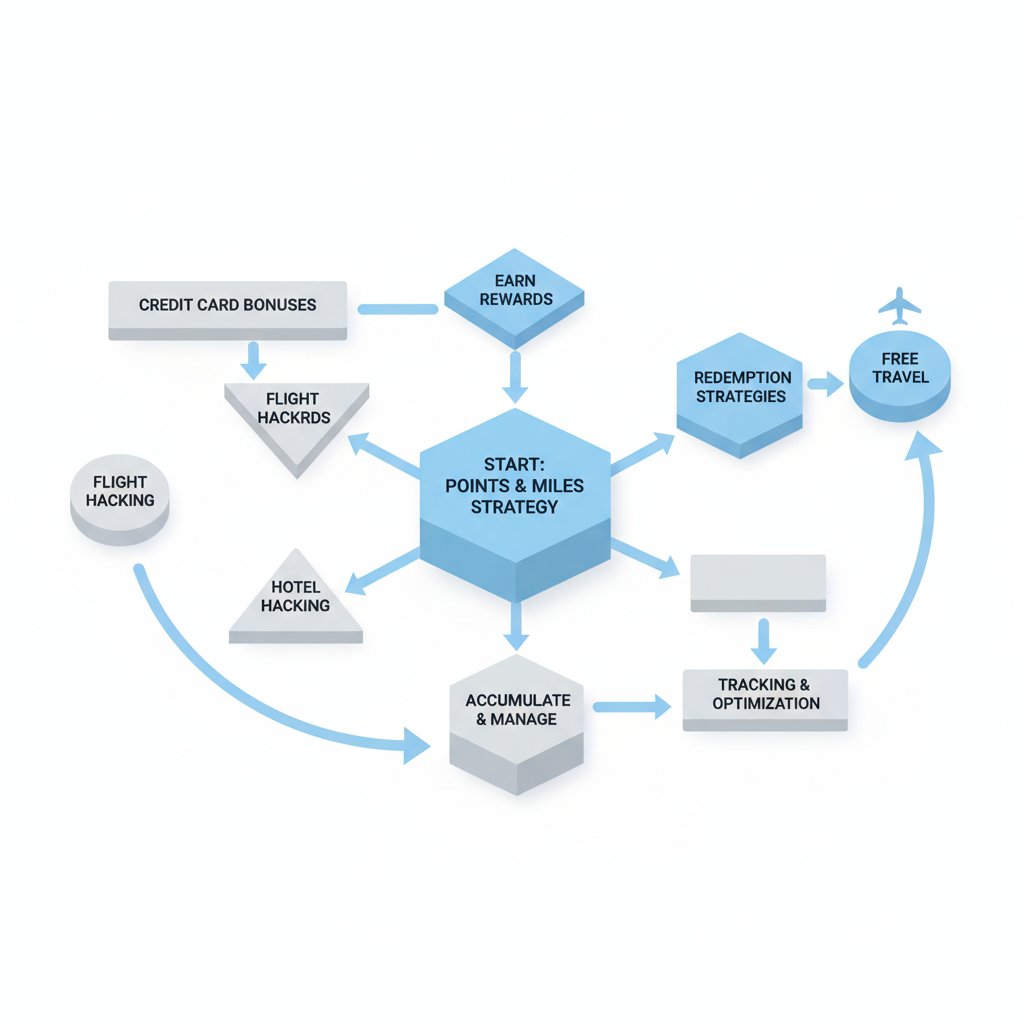
The currency of travel hacking is points and miles. Understanding how these loyalty programs operate, their value, and how they interact is crucial for making informed decisions. This section breaks down the major players and their unique characteristics.
Airline Loyalty Programs (Miles)
Each airline operates its own loyalty program, allowing members to earn and redeem miles for flights, upgrades, and sometimes ancillary travel services. Major programs include:
- Star Alliance: United MileagePlus, Air Canada Aeroplan, Singapore Airlines KrisFlyer, etc.
- SkyTeam: Delta SkyMiles, Air France/KLM Flying Blue, Korean Air Skypass, etc.
- Oneworld: American AAdvantage, British Airways Executive Club, Cathay Pacific Asia Miles, etc.
- Non-Alliance: Southwest Rapid Rewards, Alaska Airlines Mileage Plan, JetBlue TrueBlue, etc.
Key Concepts for Airline Miles:
- Award Charts: Historically, airlines used fixed award charts, where a flight between two regions (e.g., US to Europe) cost a set number of miles regardless of the cash price. Many airlines (e.g., Delta, United, American) have moved to dynamic pricing, where the mileage cost fluctuates with the cash price, often reducing the “sweet spots.” However, some international carriers and programs (e.g., Air Canada Aeroplan, British Airways Executive Club, Singapore Airlines KrisFlyer) still offer more predictable award charts offering excellent value.
- Varying Mile Values: The value of a mile is not static. A Delta SkyMile might be worth 1 cent, while a Singapore Airlines KrisFlyer mile could be worth 3-5 cents for a premium cabin redemption.
- Elite Status: Frequent flyers earn elite status (e.g., Silver, Gold, Platinum) with airlines, offering perks like lounge access, upgrades, bonus miles, and dedicated customer service. While direct travel hacking isn’t typically the fastest path to elite status, some co-branded credit cards offer status boosts or waivers.
- Alliance and Partner Redemptions: A major advantage of alliance membership is the ability to redeem miles from one airline’s program for flights on partner airlines. For example, you can use United MileagePlus miles to book a flight on Lufthansa (both Star Alliance partners). This opens up a vast network of routes.
Hotel Loyalty Programs (Points)
Similar to airlines, hotel chains offer loyalty programs for their frequent guests, allowing them to earn and redeem points for free nights, upgrades, and other benefits. Major programs include:
- Marriott Bonvoy: Encompasses a vast portfolio from budget-friendly to ultra-luxury brands (e.g., Courtyard, Marriott, Ritz-Carlton, St. Regis, W Hotels).
- Hilton Honors: Another large chain with diverse brands (e.g., Hampton Inn, Hilton, Waldorf Astoria, Conrad).
- World of Hyatt: Smaller footprint but often praised for high-value redemptions and excellent elite status benefits.
- IHG One Rewards: InterContinental Hotels Group (e.g., Holiday Inn, Crowne Plaza, InterContinental).
Key Concepts for Hotel Points:
- Award Categories/Tiers: Hotels often categorize properties into different tiers based on luxury and location. Higher-tier hotels require more points per night. Dynamic pricing is also becoming more common in the hotel space.
- “Fifth Night Free” or Similar: Many hotel programs offer a free night when you book a certain number of consecutive award nights (e.g., Marriott and Hilton offer the fifth night free on award stays).
- Elite Status: Hotel elite status (e.g., Silver, Gold, Platinum, Diamond) typically offers benefits like complimentary breakfast, room upgrades, late checkout, and bonus points on paid stays. Many hotel co-branded credit cards automatically grant mid-tier elite status.
- Free Night Certificates: Some hotel credit cards come with annual free night certificates, often valid at properties up to a certain point value or category. These can be incredibly valuable for offsetting annual fees.
[INLINE IMAGE 2: place after fourth H2 | alt=”beginner’s guide to travel hacking comparison illustration”]
Transferable Points Programs (The Holy Grail)
These are the most flexible and powerful points programs in the travel hacking world. Instead of earning points directly with a single airline or hotel, you earn points with a bank, and then transfer those points to various partner loyalty programs. This flexibility allows you to hold onto your points until you find the best redemption, effectively giving you access to multiple airlines and hotels without committing to one.
| Program | Primary Issuing Cards | Key Airline Transfer Partners (Examples) | Key Hotel Transfer Partners (Examples) | Typical Transfer Ratio | Noteworthy Feature for Travel Hacking |
|---|---|---|---|---|---|
| Chase Ultimate Rewards | Chase Sapphire Preferred, Chase Sapphire Reserve, Chase Freedom Flex, Chase Freedom Unlimited | United MileagePlus, Southwest Rapid Rewards, Air Canada Aeroplan, British Airways Executive Club | World of Hyatt, Marriott Bonvoy, IHG One Rewards | 1:1 for most partners | World of Hyatt luxury hotel redemptions, fantastic travel portal value for Sapphire Reserve. |
| American Express Membership Rewards | Amex Platinum, Amex Gold, Amex Green | Delta SkyMiles, Air Canada Aeroplan, British Airways Executive Club, Singapore Airlines KrisFlyer, ANA Mileage Club | Marriott Bonvoy, Hilton Honors (1:2) | 1:1 for most airlines, 1:2 for Hilton | Access to premium airline awards and frequent transfer bonuses. |
| Capital One Miles | Capital One Venture X, Capital One Venture Rewards Credit Card, Capital One Spark Miles for Business | Air Canada Aeroplan, Avianca LifeMiles, British Airways Executive Club, Virgin Atlantic Flying Club | Wyndham Rewards, Accor Live Limitless | 1:1 for most partners | Simple earning structure, strong airline transfer partners, good travel portal. |
| Citi ThankYou Points | Citi Premier, Citi Custom Cash | Turkish Airlines Miles & Smiles, Avianca LifeMiles, Singapore Airlines KrisFlyer, Cathay Pacific Asia Miles | Choice Privileges, Wyndham Rewards | 1:1 for most partners | Often overlooked, but has unique partners for specific sweet spot redemptions (e.g., Turkish for domestic US flights on United). |
The beauty of these programs is their flexibility. You can accumulate a large pool of points and then decide later which airline or hotel program to transfer them to, depending on your travel goals and the best redemption value available at the time. This hedging against devaluations and maximizing redemption opportunities makes them indispensable for the savvy travel hacker.
Mastering Redeeming Points and Miles: Getting Maximum Value
Earning points and miles is only half the battle; the true art of travel hacking lies in redeeming them for outsized value. A poorly planned redemption can significantly diminish the fruits of your labor, while a strategic one can feel like a genuine steal. This section focuses on how to consistently get the most bang for your buck (or points!).
Understanding Point Valuation
Not all points are created equal, and their value can vary wildly based on how you redeem them. A common mistake beginners make is redeeming 10,000 points for a $100 gift card, valuing their points at 1 cent each. However, those same 10,000 points, if transferred strategically, might get you a $500 hotel night or a portion of a premium cabin flight, giving you 5 cents per point! Our goal is always to maximize this “cents per point” (CPP) valuation.
- Poor Redemptions: Gift cards, cash back (unless it’s a cash-back specific card), booking directly through a bank’s portal if the cash price is low and you have better transfer options.
- Good Redemptions: Economy flights or standard hotel rooms when the cash price is high.
- Excellent Redemptions (“Sweet Spots”): International business or first-class flights, luxury hotel stays, specific routes on partner airlines that offer significantly more value than their cash price.
The Magic of Transfer Partners
As discussed, transferable points programs are key here. This is why Chase Ultimate Rewards, Amex Membership Rewards, Capital One Miles, and Citi ThankYou Points are so powerful. Instead of using Chase points to book a $200 flight through their portal (where 20,000 points might equal $200, or 1 cpp), you could transfer those 20,000 points to, say, United MileagePlus, and use them to book a domestic flight that costs $400 in cash, effectively getting 2 cpp. Or better yet, save them for a premium cabin redemption.
- Example: International Business Class. A round-trip business class ticket to Europe can easily cost $4,000 – $8,000. For around 100,000-150,000 transferable points (transferred to an airline partner), you could book that same flight. This is where you see valuations of 4-8 CPP, turning your points into truly aspirational travel.
- Identifying Sweet Spots: This requires some research and flexibility. Sweet spots are specific redemptions where the mileage price is disproportionately low compared to the cash price. Examples include using:
- Air Canada Aeroplan for flights to Europe.
- United MileagePlus for domestic US flights or flights on Star Alliance partners.
- World of Hyatt points for luxury hotels (often considered the best hotel redemption value).
- Virgin Atlantic Flying Club points for ANA business or first class.
Finding Award Availability
This is often the most challenging part of the redemption process. Airlines only release a limited number of “award seats” on each flight. Hotels have a set number of “award nights” available. Patience and flexibility are your allies.
- Be Flexible with Dates: The more flexible your travel dates, the higher your chances of finding award availability, especially for premium cabins. Mid-week travel, off-season, and less popular routes tend to have better availability.
- Book Far in Advance or Last Minute: Award space is often released when the booking window opens (typically 330-360 days out) or sometimes close to departure if seats aren’t selling. Flexibility to travel last minute (if your schedule allows) can also yield great results.
- Use Partner Search Engines: Instead of searching directly on every airline’s website, leverage partner search engines. For example:
- Use United’s website to search for Star Alliance partner availability.
- Use British Airways’ website to search for Oneworld partner availability.
- Use Air France/KLM’s Flying Blue website to search for SkyTeam partner availability.
- Utilize Tools: Sites like ExpertFlyer (paid subscription) or AwardHacker can help you find award space and compare redemption options, though they have a learning curve.
Beware of Taxes and Fees
While award travel means you’re not paying the fare, you’ll almost always still be responsible for taxes and carrier-imposed fees. These can range from a few dollars for domestic flights to hundreds or even thousands of dollars for international premium cabin flights (especially on certain airlines like British Airways or Lufthansa). Always factor these into your redemption strategy.
- Low Fees: United MileagePlus, American AAdvantage (for most partners), Southwest Rapid Rewards, and Air Canada Aeroplan generally have lower carrier-imposed fees.
- High Fees: British Airways Executive Club, Virgin Atlantic Flying Club (though these can still be great value for certain high-cash-value flights), and some European airlines.
The Booking Process: A Step-by-Step Approach
- Identify Your Destination and Dates (as flexible as possible): What’s your goal? When do you want to go?
- Research Award Availability: Begin searching for award seats/rooms on your target dates using the relevant airline/hotel websites or partner search engines.
- Compare Redemption Options: Does it make more sense to transfer Chase points to United or to British Airways for this particular flight? Is a Hyatt hotel a better value than a Marriott for this trip?
- Confirm Availability & Transfer Points (if necessary): Once you find a suitable award, confirm it’s truly available. Then, if you’re using transferable points, initiate the transfer (most are instant, but some can take a day or two).
- Book Your Award: Once points are in the loyalty program, book your flight or hotel.
- Pay Taxes and Fees: Use a no-foreign-transaction-fee credit card if booking international travel to avoid additional charges.
Mastering redemptions takes practice and patience, but the rewards are well worth the effort. It’s the difference between a good deal and a truly life-changing travel experience.
Advanced Travel Hacking Techniques: Taking Your Game to the Next Level
Once you’ve mastered the fundamentals of credit card bonuses, everyday spending, and smart redemptions, you’re ready to explore more advanced strategies. These techniques can amplify your earning potential and open doors to even more aspirational travel.
Manufactured Spending (MS) – Proceed with Caution!
Manufactured spending involves using credit cards to buy something that can be easily converted back to cash or a gift card that can then be used to pay off the credit card bill. The goal is to meet minimum spending requirements for welcome bonuses or earn category bonuses on everyday spend without actually changing your spending habits.
- Common Methods (Historically):
- Buying reloadable debit cards (e.g., Vanilla Reloads, OneVanilla) with a credit card, then using those to buy money orders at a store like Walmart, and depositing the money orders into your bank account to pay off the credit card.
- Buying gift cards (Visa/Mastercard gift cards) with a credit card, then using those cards to load services like Amazon or utilize bill pay services.
- Losing Its Luster: Many of these methods have been “shut down” or made much more difficult by banks and retailers due to fraud and abuse. Fees associated with buying and liquidating gift cards can also eat into your profit.
- High Risk, Moderate Reward: Manufactured spending carries significant risks, including:
- Account Shutdowns: Banks monitor for unusual spending patterns. Excessive MS can lead to credit card account closures or even bank account closures if perceived as money laundering.
- Scrutiny: Your activity might be flagged, leading to financial reviews.
- Zero Margin: Fees can quickly erode any potential point gain.
- Recommendation: For beginners, manufactured spending is generally not recommended. Stick to organic spending. If you do consider it, start extremely small, research thoroughly, and understand the inherent risks.
Leveraging Shopping Portals
Before you make any online purchase, always check shopping portals! These are websites (like Rakuten/Ebates, TopCashback, Airline/Hotel Shopping Portals) that offer bonus points, miles, or cash back for clicking through their link before making a purchase at a partnered retailer.
- How it Works: You log into the portal, search for your desired retailer (e.g., Macy’s, Best Buy), click the link, and then complete your purchase on the retailer’s site. The portal tracks your purchase and credits you the bonus.
- Stacking: This is a powerful “stacking” opportunity. You earn points from your credit card, plus bonus points/cash back from the shopping portal.
- Types of Portals:
- Cashback Portals: Rakuten (can choose Amex Membership Rewards points instead of cash back), TopCashback.
- Airline/Hotel Portals: United MileagePlus Shopping, American AAdvantage eShopping, Marriott Bonvoy Shop.
- Always Check: Use a tool like Cashback Monitor to quickly compare rates across different portals before every online purchase.
Referral Bonuses
Many credit card companies offer referral bonuses. If you have a travel rewards credit card and refer a friend who gets approved for the same or a similar card, you can earn a significant bonus (e.g., 10,000-25,000 points). This is an easy way to boost your point balances without extra spending.
- Strategy: Once you’re comfortable with a card, see if it offers a referral bonus. Share your referral link with friends or family who are also looking to get into travel hacking.
Credit Card Product Changes and Downgrades
You don’t always have to cancel a credit card when the annual fee comes due. Consider a “product change” or “downgrade” instead.
- Why Downgrade? If a card’s benefits no longer justify its annual fee, you can sometimes product change it to a no-annual-fee version of the same card family (e.g., downgrading a Chase Sapphire Reserve to a Chase Freedom Unlimited). This allows you to keep your credit line, preserving your credit score (closing a card reduces your average age of accounts and credit utilization).
- Keep Points: Downgrading a card within the same issuer (e.g., Chase Sapphire Preferred to Chase Freedom Flex) usually allows you to retain your existing points, whereas canceling might forfeit them if they aren’t linked to another active card in the same program.
- When to Consider: Before your annual fee posts, call the bank to inquire about product change options.
Strategic Airline and Hotel Elite Status
While travel hacking primarily focuses on points and miles for award travel, elite status can significantly enhance your travel experience.
- Credit Card Benefits: Many co-branded airline and hotel credit cards offer automatic mid-tier elite status or status “paths” through spending tiers. For example, some Hilton cards give you Gold status, offering complimentary breakfast and room upgrades. Marriott cards can provide Silver or Gold Elite status.
- Status Matches/Challenges: If you have elite status with one program, you can sometimes request a “status match” or “status challenge” with a competing program. This involves proving your current status and then completing certain travel requirements (e.g., flying X number of segments or staying Y nights) within a defined period to gain elite status with the new program. This is less common for beginners but a good advanced strategy.
“Family Pooling” for Points
Some loyalty programs allow you to combine points with family members, which can be incredibly useful for reaching a redemption target faster.
- Chase Ultimate Rewards: You can transfer points to any household member who has their own Ultimate Rewards-earning card.
- Marriott Bonvoy/Hilton Honors: Allow point transfers (sometimes with limits or fees) between members.
- Airline Programs: Less common or often incur fees.
By integrating these advanced techniques, you can move beyond simple sign-up bonuses and build a truly sustainable and highly rewarding travel hacking ecosystem, leading to even more remarkable travel experiences.
Common Pitfalls and How to Avoid Them
While travel hacking offers incredible opportunities, it’s not without its challenges. Beginners, especially, can fall into common traps that diminish their rewards or, worse, negatively impact their finances. Awareness of these pitfalls is your first line of defense.
1. Overspending to Meet Minimum Spending Requirements
This is arguably the biggest and most detrimental mistake. The golden rule of travel hacking is: never spend money you wouldn’t have spent anyway. If you spend $4,000 to earn a 50,000-point bonus, but $1,000 of that was on unnecessary purchases, you’ve effectively paid $1,000 for those points, destroying their value. Always ensure your minimum spend aligns with your regular, budgeted expenses.
- Solution: Prioritize budgeting. Track your expenses. Only apply for cards when you have a large purchase coming up (e.g., car repairs, insurance premiums, house downpayment, or a planned vacation you’d pay cash for).
2. Carrying a Credit Card Balance and Paying Interest
This is the ultimate travel hacking killer. Credit card interest rates are typically 15-25% or higher. No amount of points or miles can offset these exorbitant interest charges. If you can’t pay your statement balance in full every month, travel hacking is not for you right now. Focus on paying down debt first.
- Solution: Maintain strong financial discipline. If you ever find yourself struggling to pay off a balance, stop applying for new cards immediately and focus on debt repayment.
3. Not Understanding Bank Application Rules (e.g., Chase 5/24)
Ignorance of specific bank rules can lead to multiple denied applications, wasted credit inquiries, and frustration.
- Solution: Thoroughly research the application rules for each bank before applying. Especially familiarize yourself with Chase’s 5/24 rule if you plan to get their valuable Ultimate Rewards cards. Plan your applications strategically.
4. Applying for Too Many Cards Too Quickly
While it’s exciting to jump into travel hacking, applying for too many cards in a short period can raise red flags with banks (potentially leading to denials or account reviews) and can temporarily lower your credit score due to multiple hard inquiries. It also makes meeting minimum spending requirements logistically challenging.
- Solution: Pace yourself. A good rule of thumb for beginners is 1-2 new cards every 3-6 months. This allows you time to meet minimum spends, understand the new card’s features, and manage your credit responsibly.
5. Letting Points Expire or Devalue
Points and miles can expire if there’s no activity on your account for a certain period, or if the loyalty program makes significant changes (devaluations) that reduce the value of your points overnight.
- Solution: Regularly check the expiration policies of your loyalty programs. Small activities like earning points from a shopping portal, dining program, or using a co-branded credit card can often reset the expiration clock. Redeem your points within a reasonable timeframe (e.g., 1-2 years) to avoid devaluations.
6. Transferring Points Prematurely
Transferable points are valuable because of their flexibility. Once you transfer them to a specific airline or hotel program, you generally cannot transfer them back. If award space then disappears, you’re stuck with points in a less flexible program.
- Solution: Always confirm award availability first before transferring transferable points. Only transfer when you are ready to book immediately.
7. Not Documenting/Organizing Your Cards and Programs
As you accumulate more cards and loyalty accounts, it becomes easy to lose track of minimum spending deadlines, annual fees, and point balances. This can lead to missed bonuses, unexpected annual fees, or expired points.
- Solution: Use a spreadsheet, an app like AwardWallet, or a combination of both. Set calendar reminders for critical dates like minimum spend deadlines and annual fee due dates.
8. Focusing Only on Earning, Not Redeeming
Some beginners get caught up in the thrill of accumulating points but neglect the redemption side. Points only have value when used. Hoarding points for too long increases the risk of devaluations.
- Solution: Set clear travel goals and actively plan your redemptions. Don’t be afraid to use your points!
9. Paying Foreign Transaction Fees when Traveling Internationally
Many standard credit cards charge a 2-3% foreign transaction fee on purchases made outside your home country. These fees can quickly add up and negate the value of your points.
- Solution: Always use a credit card with no foreign transaction fees (most premium travel rewards cards offer this) when traveling internationally.
By being mindful of these common traps, you can navigate the world of travel hacking more effectively and ensure that your efforts truly translate into memorable and affordable travel experiences.
Future-Proofing Your Travel Hacking Strategy
The world of points and miles is dynamic. Airlines and hotels frequently change their loyalty programs, credit card offers evolve, and “sweet spots” come and go. To remain a successful travel hacker, you need to adopt a strategy that accounts for these shifts.
Stay Informed, But Don’t Overwhelm Yourself
The landscape of points and miles is constantly changing, with devaluations, new card products, and shifting transfer partners. While you don’t need to be glued to every single update, staying generally informed is crucial.
- Follow Reputable Blogs and Websites: Regular reading of established travel hacking blogs (like goldpoints!) and forums can keep you updated on the latest news, best deals, and emerging strategies. Subscribe to newsletters from these sources. For the most up-to-date analysis and breaking news in the industry, make sure to check out goldpoints’ daily industry updates.
- Engage with the Community: Forums and social media groups dedicated to travel hacking can be excellent resources for learning about niche strategies, asking questions, and getting real-time advice.
Embrace Flexibility
Hard-set travel plans make award travel challenging. The more flexible you can be with your destinations, dates, and even the specific airline or hotel chain, the easier it will be to find high-value redemptions.
- Destination Agnostic Searches: Instead of “I want to go to Paris from June 1-7,” think “I want to go to Europe in the spring, where can I get the best business class deal?”
- Off-Peak Travel: Traveling during shoulder seasons or off-peak times not only makes award space more abundant but
Beginner’s Guide to Travel Hacking: Your Journey to Free Travel Starts Here
Affiliate disclosure: This article may contain affiliate links. Recommendations are independent and editorially driven.
The allure of travel – new cultures, breathtaking landscapes, delicious cuisines – is universal. Yet, for many, the cost remains a significant barrier. Imagine flying business class to a dream destination or staying in a luxurious hotel, all without paying a dime out of pocket. This isn’t a fantasy; it’s the reality forged by a growing community of savvy travelers known as “travel hackers.” Welcome to the definitive beginner’s guide to travel hacking, your passport to unlocking incredible travel experiences for a fraction of the cost.
Travel hacking, at its core, is the art and science of strategically accumulating and redeeming credit card rewards, hotel loyalty points, and airline miles to achieve free or heavily discounted travel. It’s not about being a millionaire or finding loopholes in obscure systems. Instead, it’s about understanding how loyalty programs work, leveraging sign-up bonuses, maximizing everyday spending, and redeeming your hard-earned points and miles for outsized value. This isn’t simply about being frugal; it’s about being intelligent with your finances to unlock experiences that would otherwise be out of reach.
For too long, the world of points and miles has been perceived as complex, reserved for experts with years of experience. Our goal with this comprehensive guide is to demystify travel hacking, breaking down its fundamental concepts into digestible, actionable steps. Whether you’re dreaming of a round-the-world adventure, an annual family vacation, or just a weekend getaway, the principles outlined here will empower you to make those dreams a reality. We’ll cover everything from the foundational credit card strategies to advanced redemption techniques, ensuring you have a complete roadmap to becoming a successful travel hacker.
What Exactly is Travel Hacking? Debunking Myths and Understanding the Fundamentals
Before diving into strategies, let’s establish a clear understanding of what travel hacking truly entails and dispel some common misconceptions. At its heart, travel hacking is about maximizing the value of loyalty programs offered by airlines, hotels, and, most prominently, credit card companies. It’s a strategic approach to consumer spending that turns everyday expenses into future travel opportunities.
Myth vs. Reality: Clearing the Air
- Myth 1: Travel Hacking is Illegal or Grey Area. This is perhaps the most pervasive myth. Travel hacking is entirely legal and operates within the terms and conditions set by banks, airlines, and hotels. It involves making smart choices about which financial products to use and how to redeem the rewards they offer.
- Myth 2: You Need to Spend a Lot of Money to Travel Hack. While spending is involved, the goal isn’t to spend more money, but to spend your existing budget smarter. Travel hackers often optimize spending they would do anyway – groceries, bills, dining out – to earn rewards.
- Myth 3: Travel Hacking is Only for Big Spenders or Business Travelers. Anyone can travel hack, regardless of income level. The strategies scale down to everyday spenders and can be incredibly effective for individuals, couples, and families looking to save on travel.
- Myth 4: It’s Too Complicated and Time-Consuming. While there is a learning curve, the foundational principles are straightforward. Once you grasp the basics, it becomes second nature. This guide is designed to simplify that process for you.
- Myth 5: It Will Harm Your Credit Score. Responsible travel hacking, which involves paying bills on time and not applying for too many cards too quickly, can actually improve your credit score over time due to increased credit limits and lower utilization.
[INLINE IMAGE 1: place after second H2 | alt=”beginner’s guide to travel hacking concept illustration”]
The Core Pillars of Travel Hacking
Travel hacking rests on three primary pillars:
- Credit Card Welcome Bonuses: This is the bread and butter of travel hacking. Banks offer massive point or mile bonuses (often 50,000 to 100,000+ points) for new cardholders who meet a specified spending requirement within an initial period (e.g., spend $3,000 in 3 months). These bonuses alone can fund multiple flights or hotel stays.
- Everyday Spending Optimization: Beyond the initial bonus, travel hackers use the right credit cards for specific spending categories (e.g., a card that earns 3x points on dining, another for 5x points on groceries) to maximize their earnings on ongoing purchases.
- Strategic Redemptions: Earning points is only half the battle. The true art lies in redeeming them for outsized value. This means understanding airline award charts, hotel award nights, transfer partners, and avoiding poor redemption options.
Understanding these fundamentals sets the stage for a rewarding journey into the world of points and miles. The beauty of travel hacking is its versatility; you can tailor your strategy to your personal spending habits and travel aspirations.
Building Your Foundation: Essential Tools and Mindset for the Aspiring Travel Hacker
Embarking on your travel hacking journey requires more than just an understanding of points; it requires the right tools, a disciplined mindset, and a commitment to responsible financial management. This section outlines the crucial groundwork you need to lay before you even consider applying for your first travel rewards credit card.
Step 1: Get Your Financial House in Order
This is non-negotiable. Travel hacking is built on credit, and responsible use of credit demands a solid financial foundation.
- Excellent Credit Score: Most premium travel rewards cards require a good to excellent credit score (typically 700+). If your score isn’t there yet, focus on improving it by paying all bills on time, keeping credit utilization low, and addressing any negative items on your report. For more detailed strategies on credit score improvement, check out our guide on boosting your credit score for travel rewards.
- No Existing Credit Card Debt: Carrying a balance on high-interest credit cards negates any potential value from rewards. The interest charges will always outweigh the points earned. Prioritize paying off all credit card debt before you begin.
- Budgeting Savvy: You need a clear understanding of your monthly income and expenses. This helps you identify where you can easily meet minimum spending requirements without overspending. Travel hacking is about leveraging existing spending, not increasing it.
- Emergency Fund: Having a robust emergency fund (3-6 months of living expenses) provides a financial safety net. This ensures you’re never in a position where you need to rely on a credit card for unexpected expenses.
Step 2: Understand Your Spending Habits
Knowing where your money goes is critical for maximizing point earnings. Analyze your past few months of bank and credit card statements. Identify your biggest spending categories (groceries, dining, gas, utilities, travel, etc.). This information will be invaluable when selecting the right credit cards. For instance, if you spend a lot on groceries, a card that offers bonus points in that category will be more valuable to you.
Step 3: Define Your Travel Goals
What do you want to achieve with travel hacking? Knowing your goals will guide your strategy and help you select the most relevant points and programs.
- Specific Destination? (e.g., Paris, Tokyo, Maldives)
- Specific Type of Travel? (e.g., business class flights, luxury hotel stays, road trips)
- How Many People? (Solo, couple, family)
- Desired Timeline? (Next 6 months, 1 year, 2 years)
- Are you flexible with dates? Flexibility dramatically increases your chances of finding award availability. For insights into finding the best deals, explore our article on mastering award availability searches.
For example, if your goal is an international business class flight, you’ll need a significant number of airline miles, likely from a transferable points program. If it’s luxury hotel stays, then specific hotel co-branded credit cards or transferable points programs like Chase Ultimate Rewards or American Express Membership Rewards will be your target.
Step 4: Develop a System for Organization
As you accumulate multiple credit cards and loyalty accounts, organization becomes paramount. This helps you track minimum spending requirements, annual fees, statement closing dates, and point balances.
- Spreadsheet: A simple Excel or Google Sheet is invaluable. Track application dates, credit limits, minimum spending deadlines, annual fees, and which points you’re earning.
- Online Tools: Services like AwardWallet or Travel Award Payback can help aggregate your loyalty program balances, though it’s still wise to have a manual system.
- Calendar Reminders: Set reminders for annual fees (so you can decide whether to keep or cancel/downgrade a card), statement closing dates, and minimum spending deadlines.
By establishing this strong foundation, you’ll approach travel hacking with confidence, control, and a clear path to achieving your travel dreams.
Credit Card Rewards: The Fuel for Your Travel Hacking Journey
Credit card rewards are the engine that drives most successful travel hacking endeavors. Understanding how to strategically apply for, use, and manage these cards is paramount. This section dives deep into the world of credit card bonuses, earning strategies, and responsible card management.
The Power of Welcome Bonuses (Sign-Up Bonuses)
As mentioned, welcome bonuses are the single fastest way to accumulate a large number of points or miles. These are often substantial offers from banks to incentivize new customers. A typical offer might be “Earn 60,000 points after spending $4,000 in the first 3 months.”
- Meeting Minimum Spend: This is a critical initial hurdle. Only apply for a card if you are confident you can meet the minimum spending requirement organically through your regular expenses (groceries, bills, dining, etc.) without overspending. Never buy things you don’t need just to hit a minimum spend. If you find yourself needing a little boost, consider paying upcoming bills in advance, buying gift cards for future use, or prepaying health insurance premiums if your provider allows.
- “Churning” (Responsibly): This term refers to the practice of repeatedly applying for, earning bonuses from, and eventually closing or downgrading credit cards. The goal is to collect multiple sign-up bonuses over time. However, banks have rules (e.g., Chase’s 5/24 rule, Amex’s once-per-lifetime rule for sign-up bonuses), which we will discuss later. Responsible churning involves patience and understanding these rules.
Types of Travel Rewards Credit Cards
Not all credit cards are created equal for travel hacking. They generally fall into these categories:
- Transferable Points Cards (The Most Versatile): These are the workhorses of serious travel hackers. Cards like the Chase Sapphire Preferred, Chase Sapphire Reserve, Amex Platinum, Amex Gold, Capital One Venture X, and Citi Premier earn points in their proprietary programs (e.g., Chase Ultimate Rewards, Amex Membership Rewards). The immense value comes from the ability to transfer these points to various airline and hotel loyalty programs at a 1:1 ratio (or sometimes even better), allowing you to book award flights and hotel stays. For a deep dive into these powerful programs, see our guide on maximizing transferable points.
- Airline Co-Branded Cards: Issued by banks in partnership with specific airlines (e.g., American AAdvantage cards, United MileagePlus cards, Delta SkyMiles cards). These cards earn miles directly with that airline, often come with airline-specific perks like free checked bags, priority boarding, or companion passes, and are excellent for earning miles for a preferred airline.
- Hotel Co-Branded Cards: Similar to airline cards, these are partnered with hotel chains (e.g., Marriott Bonvoy cards, Hilton Honors cards, Hyatt cards). They earn hotel points, often grant elite status, and frequently offer valuable perks like free award nights.
- Cash Back Cards: While not strictly “travel hacking,” cash back cards can be used indirectly for travel by simply using the cash back to offset travel expenses. However, the redemption value of points for travel (especially in business/first class or luxury hotels) often far exceeds the value of cash back.
Maximizing Everyday Spending: Category Bonuses
After meeting the initial welcome bonus, your ongoing spending can continue to generate significant rewards. This is where understanding category bonuses comes into play.
- Grocery Store Spending: Many cards offer bonus points on groceries (e.g., Amex Gold, Blue Cash Preferred).
- Dining: Cards like Chase Sapphire Reserve, Amex Gold, and Capital One SavorOne excel here.
- Gas/Transit: Some cards offer bonuses for these categories.
- Travel: Cards like Chase Sapphire Reserve and Capital One Venture X offer high multipliers on travel purchases.
- Rotating Categories: Cards like Chase Freedom Flex or Discover It Cash Back offer 5% cash back (or 5x points) on rotating categories that change quarterly.
The strategy is to “product stack” your spending – use the card that offers the highest return for each specific purchase category. This creates a powerful earning engine for your points.
Understanding Annual Fees
Many valuable travel rewards cards come with annual fees, ranging from $95 to $695+. It’s essential to justify these fees by extracting more value from the card’s benefits and rewards than you pay in fees. Common benefits that offset annual fees include:
- Annual travel credits (e.g., $300 travel credit on Chase Sapphire Reserve, $200 airline credit on Amex Platinum).
- Free award nights at hotels.
- Airline perks (free checked bags, lounge access).
- Global Entry/TSA PreCheck application fee credits.
- Premium lounge access (e.g., Priority Pass, Centurion Lounges).
As your account anniversary approaches, re-evaluate whether the card’s benefits still outweigh its annual fee. If not, consider downgrading to a no-annual-fee version of the card or canceling it (after exhausting its points and benefits).
Responsible Credit Card Management
This cannot be stressed enough. Travel hacking requires disciplined credit management.
- Pay Your Balance in Full, Every Month: This is the golden rule. Interest payments erase any value you get from points.
- Never Spend More Than You Can Afford: Travel hacking is about rerouting existing spending, not increasing it.
- Understand Bank Application Rules:
- Chase 5/24 Rule: If you’ve opened 5 or more personal credit cards from any bank in the last 24 months, Chase will likely deny your application for most of their cards. This rule is crucial for planning your application strategy.
- American Express “Once Per Lifetime” Rule: Generally, you can only earn the welcome bonus on an American Express card once.
- Other Bank Rules: Other banks have varying rules regarding how often you can get a bonus, so always research before applying.
- Monitor Your Credit Score: Regularly check your credit report for errors and keep an eye on your score. A slight dip after a new application is normal but should quickly rebound with responsible use.
By mastering these credit card strategies and maintaining financial discipline, you’ll build a robust stream of points and miles, paving your way to incredible travel experiences.
Demystifying Points and Miles: Loyalty Programs Explained
The currency of travel hacking is points and miles. Understanding how these loyalty programs operate, their value, and how they interact is crucial for making informed decisions. This section breaks down the major players and their unique characteristics.
Airline Loyalty Programs (Miles)
Each airline operates its own loyalty program, allowing members to earn and redeem miles for flights, upgrades, and sometimes ancillary travel services. Major programs include:
- Star Alliance: United MileagePlus, Air Canada Aeroplan, Singapore Airlines KrisFlyer, etc.
- SkyTeam: Delta SkyMiles, Air France/KLM Flying Blue, Korean Air Skypass, etc.
- Oneworld: American AAdvantage, British Airways Executive Club, Cathay Pacific Asia Miles, etc.
- Non-Alliance: Southwest Rapid Rewards, Alaska Airlines Mileage Plan, JetBlue TrueBlue, etc.
Key Concepts for Airline Miles:
- Award Charts: Historically, airlines used fixed award charts, where a flight between two regions (e.g., US to Europe) cost a set number of miles regardless of the cash price. Many airlines (e.g., Delta, United, American) have moved to dynamic pricing, where the mileage cost fluctuates with the cash price, often reducing the “sweet spots.” However, some international carriers and programs (e.g., Air Canada Aeroplan, British Airways Executive Club, Singapore Airlines KrisFlyer) still offer more predictable award charts offering excellent value.
- Varying Mile Values: The value of a mile is not static. A Delta SkyMile might be worth 1 cent, while a Singapore Airlines KrisFlyer mile could be worth 3-5 cents for a premium cabin redemption.
- Elite Status: Frequent flyers earn elite status (e.g., Silver, Gold, Platinum) with airlines, offering perks like lounge access, upgrades, bonus miles, and dedicated customer service. While direct travel hacking isn’t typically the fastest path to elite status, some co-branded credit cards offer status boosts or waivers.
- Alliance and Partner Redemptions: A major advantage of alliance membership is the ability to redeem miles from one airline’s program for flights on partner airlines. For example, you can use United MileagePlus miles to book a flight on Lufthansa (both Star Alliance partners). This opens up a vast network of routes.
Hotel Loyalty Programs (Points)
Similar to airlines, hotel chains offer loyalty programs for their frequent guests, allowing them to earn and redeem points for free nights, upgrades, and other benefits. Major programs include:
- Marriott Bonvoy: Encompasses a vast portfolio from budget-friendly to ultra-luxury brands (e.g., Courtyard, Marriott, Ritz-Carlton, St. Regis, W Hotels).
- Hilton Honors: Another large chain with diverse brands (e.g., Hampton Inn, Hilton, Waldorf Astoria, Conrad).
- World of Hyatt: Smaller footprint but often praised for high-value redemptions and excellent elite status benefits.
- IHG One Rewards: InterContinental Hotels Group (e.g., Holiday Inn, Crowne Plaza, InterContinental).
Key Concepts for Hotel Points:
- Award Categories/Tiers: Hotels often categorize properties into different tiers based on luxury and location. Higher-tier hotels require more points per night. Dynamic pricing is also becoming more common in the hotel space.
- “Fifth Night Free” or Similar: Many hotel programs offer a free night when you book a certain number of consecutive award nights (e.g., Marriott and Hilton offer the fifth night free on award stays).
- Elite Status: Hotel elite status (e.g., Silver, Gold, Platinum, Diamond) typically offers benefits like complimentary breakfast, room upgrades, late checkout, and bonus points on paid stays. Many hotel co-branded credit cards automatically grant mid-tier elite status.
- Free Night Certificates: Some hotel credit cards come with annual free night certificates, often valid at properties up to a certain point value or category. These can be incredibly valuable for offsetting annual fees.
[INLINE IMAGE 2: place after fourth H2 | alt=”beginner’s guide to travel hacking comparison illustration”]
Transferable Points Programs (The Holy Grail)
These are the most flexible and powerful points programs in the travel hacking world. Instead of earning points directly with a single airline or hotel, you earn points with a bank, and then transfer those points to various partner loyalty programs. This flexibility allows you to hold onto your points until you find the best redemption, effectively giving you access to multiple airlines and hotels without committing to one.
Program Primary Issuing Cards Key Airline Transfer Partners (Examples) Key Hotel Transfer Partners (Examples) Typical Transfer Ratio Noteworthy Feature for Travel Hacking Chase Ultimate Rewards Chase Sapphire Preferred, Chase Sapphire Reserve, Chase Freedom Flex, Chase Freedom Unlimited United MileagePlus, Southwest Rapid Rewards, Air Canada Aeroplan, British Airways Executive Club World of Hyatt, Marriott Bonvoy, IHG One Rewards 1:1 for most partners World of Hyatt luxury hotel redemptions, fantastic travel portal value for Sapphire Reserve. American Express Membership Rewards Amex Platinum, Amex Gold, Amex Green Delta SkyMiles, Air Canada Aeroplan, British Airways Executive Club, Singapore Airlines KrisFlyer, ANA Mileage Club Marriott Bonvoy, Hilton Honors (1:2) 1:1 for most airlines, 1:2 for Hilton Access to premium airline awards and frequent transfer bonuses. Capital One Miles Capital One Venture X, Capital One Venture Rewards Credit Card, Capital One Spark Miles for Business Air Canada Aeroplan, Avianca LifeMiles, British Airways Executive Club, Virgin Atlantic Flying Club Wyndham Rewards, Accor Live Limitless 1:1 for most partners Simple earning structure, strong airline transfer partners, good travel portal. Citi ThankYou Points Citi Premier, Citi Custom Cash Turkish Airlines Miles & Smiles, Avianca LifeMiles, Singapore Airlines KrisFlyer, Cathay Pacific Asia Miles Choice Privileges, Wyndham Rewards 1:1 for most partners Often overlooked, but has unique partners for specific sweet spot redemptions (e.g., Turkish for domestic US flights on United). The beauty of these programs is their flexibility. You can accumulate a large pool of points and then decide later which airline or hotel program to transfer them to, depending on your travel goals and the best redemption value available at the time. This hedging against devaluations and maximizing redemption opportunities makes them indispensable for the savvy travel hacker.
Mastering Redeeming Points and Miles: Getting Maximum Value
Earning points and miles is only half the battle; the true art of travel hacking lies in redeeming them for outsized value. A poorly planned redemption can significantly diminish the fruits of your labor, while a strategic one can feel like a genuine steal. This section focuses on how to consistently get the most bang for your buck (or points!).
Understanding Point Valuation
Not all points are created equal, and their value can vary wildly based on how you redeem them. A common mistake beginners make is redeeming 10,000 points for a $100 gift card, valuing their points at 1 cent each. However, those same 10,000 points, if transferred strategically, might get you a $500 hotel night or a portion of a premium cabin flight, giving you 5 cents per point! Our goal is always to maximize this “cents per point” (CPP) valuation.
- Poor Redemptions: Gift cards, cash back (unless it’s a cash-back specific card), booking directly through a bank’s portal if the cash price is low and you have better transfer options.
- Good Redemptions: Economy flights or standard hotel rooms when the cash price is high.
- Excellent Redemptions (“Sweet Spots”): International business or first-class flights, luxury hotel stays, specific routes on partner airlines that offer significantly more value than their cash price.
The Magic of Transfer Partners
As discussed, transferable points programs are key here. This is why Chase Ultimate Rewards, Amex Membership Rewards, Capital One Miles, and Citi ThankYou Points are so powerful. Instead of using Chase points to book a $200 flight through their portal (where 20,000 points might equal $200, or 1 cpp), you could transfer those 20,000 points to, say, United MileagePlus, and use them to book a domestic flight that costs $400 in cash, effectively getting 2 cpp. Or better yet, save them for a premium cabin redemption.
- Example: International Business Class. A round-trip business class ticket to Europe can easily cost $4,000 – $8,000. For around 100,000-150,000 transferable points (transferred to an airline partner), you could book that same flight. This is where you see valuations of 4-8 CPP, turning your points into truly aspirational travel.
- Identifying Sweet Spots: This requires some research and flexibility. Sweet spots are specific redemptions where the mileage price is disproportionately low compared to the cash price. Examples include using:
- Air Canada Aeroplan for flights to Europe.
- United MileagePlus for domestic US flights or flights on Star Alliance partners.
- World of Hyatt points for luxury hotels (often considered the best hotel redemption value).
- Virgin Atlantic Flying Club points for ANA business or first class.
Finding Award Availability
This is often the most challenging part of the redemption process. Airlines only release a limited number of “award seats” on each flight. Hotels have a set number of “award nights” available. Patience and flexibility are your allies.
- Be Flexible with Dates: The more flexible your travel dates, the higher your chances of finding award availability, especially for premium cabins. Mid-week travel, off-season, and less popular routes tend to have better availability.
- Book Far in Advance or Last Minute: Award space is often released when the booking window opens (typically 330-360 days out) or sometimes close to departure if seats aren’t selling. Flexibility to travel last minute (if your schedule allows) can also yield great results.
- Use Partner Search Engines: Instead of searching directly on every airline’s website, leverage partner search engines. For example:
- Use United’s website to search for Star Alliance partner availability.
- Use British Airways’ website to search for Oneworld partner availability.
- Use Air France/KLM’s Flying Blue website to search for SkyTeam partner availability.
- Utilize Tools: Sites like ExpertFlyer (paid subscription) or AwardHacker can help you find award space and compare redemption options, though they have a learning curve.
Beware of Taxes and Fees
While award travel means you’re not paying the fare, you’ll almost always still be responsible for taxes and carrier-imposed fees. These can range from a few dollars for domestic flights to hundreds or even thousands of dollars for international premium cabin flights (especially on certain airlines like British Airways or Lufthansa). Always factor these into your redemption strategy.
- Low Fees: United MileagePlus, American AAdvantage (for most partners), Southwest Rapid Rewards, and Air Canada Aeroplan generally have lower carrier-imposed fees.
- High Fees: British Airways Executive Club, Virgin Atlantic Flying Club (though these can still be great value for certain high-cash-value flights), and some European airlines.
The Booking Process: A Step-by-Step Approach
- Identify Your Destination and Dates (as flexible as possible): What’s your goal? When do you want to go?
- Research Award Availability: Begin searching for award seats/rooms on your target dates using the relevant airline/hotel websites or partner search engines.
- Compare Redemption Options: Does it make more sense to transfer Chase points to United or to British Airways for this particular flight? Is a Hyatt hotel a better value than a Marriott for this trip?
- Confirm Availability & Transfer Points (if necessary): Once you find a suitable award, confirm it’s truly available. Then, if you’re using transferable points, initiate the transfer (most are instant, but some can take a day or two).
- Book Your Award: Once points are in the loyalty program, book your flight or hotel.
- Pay Taxes and Fees: Use a no-foreign-transaction-fee credit card if booking international travel to avoid additional charges.
Mastering redemptions takes practice and patience, but the rewards are well worth the effort. It’s the difference between a good deal and a truly life-changing travel experience.
Advanced Travel Hacking Techniques: Taking Your Game to the Next Level
Once you’ve mastered the fundamentals of credit card bonuses, everyday spending, and smart redemptions, you’re ready to explore more advanced strategies. These techniques can amplify your earning potential and open doors to even more aspirational travel.
Manufactured Spending (MS) – Proceed with Caution!
Manufactured spending involves using credit cards to buy something that can be easily converted back to cash or a gift card that can then be used to pay off the credit card bill. The goal is to meet minimum spending requirements for welcome bonuses or earn category bonuses on everyday spend without actually changing your spending habits.
- Common Methods (Historically):
- Buying reloadable debit cards (e.g., Vanilla Reloads, OneVanilla) with a credit card, then using those to buy money orders at a store like Walmart, and depositing the money orders into your bank account to pay off the credit card.
- Buying gift cards (Visa/Mastercard gift cards) with a credit card, then using those cards to load services like Amazon or utilize bill pay services.
- Losing Its Luster: Many of these methods have been “shut down” or made much more difficult by banks and retailers due to fraud and abuse. Fees associated with buying and liquidating gift cards can also eat into your profit.
- High Risk, Moderate Reward: Manufactured spending carries significant risks, including:
- Account Shutdowns: Banks monitor for unusual spending patterns. Excessive MS can lead to credit card account closures or even bank account closures if perceived as money laundering.
- Scrutiny: Your activity might be flagged, leading to financial reviews.
- Zero Margin: Fees can quickly erode any potential point gain.
- Recommendation: For beginners, manufactured spending is generally not recommended. Stick to organic spending. If you do consider it, start extremely small, research thoroughly, and understand the inherent risks.
Leveraging Shopping Portals
Before you make any online purchase, always check shopping portals! These are websites (like Rakuten/Ebates, TopCashback, Airline/Hotel Shopping Portals) that offer bonus points, miles, or cash back for clicking through their link before making a purchase at a partnered retailer.
- How it Works: You log into the portal, search for your desired retailer (e.g., Macy’s, Best Buy), click the link, and then complete your purchase on the retailer’s site. The portal tracks your purchase and credits you the bonus.
- Stacking: This is a powerful “stacking” opportunity. You earn points from your credit card, plus bonus points/cash back from the shopping portal.
- Types of Portals:
- Cashback Portals: Rakuten (can choose Amex Membership Rewards points instead of cash back), TopCashback.
- Airline/Hotel Portals: United MileagePlus Shopping, American AAdvantage eShopping, Marriott Bonvoy Shop.
- Always Check: Use a tool like Cashback Monitor to quickly compare rates across different portals before every online purchase.
Referral Bonuses
Many credit card companies offer referral bonuses. If you have a travel rewards credit card and refer a friend who gets approved for the same or a similar card, you can earn a significant bonus (e.g., 10,000-25,000 points). This is an easy way to boost your point balances without extra spending.
- Strategy: Once you’re comfortable with a card, see if it offers a referral bonus. Share your referral link with friends or family who are also looking to get into travel hacking.
Credit Card Product Changes and Downgrades
You don’t always have to cancel a credit card when the annual fee comes due. Consider a “product change” or “downgrade” instead.
- Why Downgrade? If a card’s benefits no longer justify its annual fee, you can sometimes product change it to a no-annual-fee version of the same card family (e.g., downgrading a Chase Sapphire Reserve to a Chase Freedom Unlimited). This allows you to keep your credit line, preserving your credit score (closing a card reduces your average age of accounts and credit utilization).
- Keep Points: Downgrading a card within the same issuer (e.g., Chase Sapphire Preferred to Chase Freedom Flex) usually allows you to retain your existing points, whereas canceling might forfeit them if they aren’t linked to another active card in the same program.
- When to Consider: Before your annual fee posts, call the bank to inquire about product change options.
Strategic Airline and Hotel Elite Status
While travel hacking primarily focuses on points and miles for award travel, elite status can significantly enhance your travel experience.
- Credit Card Benefits: Many co-branded airline and hotel credit cards offer automatic mid-tier elite status or status “paths” through spending tiers. For example, some Hilton cards give you Gold status, offering complimentary breakfast and room upgrades. Marriott cards can provide Silver or Gold Elite status.
- Status Matches/Challenges: If you have elite status with one program, you can sometimes request a “status match” or “status challenge” with a competing program. This involves proving your current status and then completing certain travel requirements (e.g., flying X number of segments or staying Y nights) within a defined period to gain elite status with the new program. This is less common for beginners but a good advanced strategy.
“Family Pooling” for Points
Some loyalty programs allow you to combine points with family members, which can be incredibly useful for reaching a redemption target faster.
- Chase Ultimate Rewards: You can transfer points to any household member who has their own Ultimate Rewards-earning card.
- Marriott Bonvoy/Hilton Honors: Allow point transfers (sometimes with limits or fees) between members.
- Airline Programs: Less common or often incur fees.
By integrating these advanced techniques, you can move beyond simple sign-up bonuses and build a truly sustainable and highly rewarding travel hacking ecosystem, leading to even more remarkable travel experiences.
Common Pitfalls and How to Avoid Them
While travel hacking offers incredible opportunities, it’s not without its challenges. Beginners, especially, can fall into common traps that diminish their rewards or, worse, negatively impact their finances. Awareness of these pitfalls is your first line of defense.
1. Overspending to Meet Minimum Spending Requirements
This is arguably the biggest and most detrimental mistake. The golden rule of travel hacking is: never spend money you wouldn’t have spent anyway. If you spend $4,000 to earn a 50,000-point bonus, but $1,000 of that was on unnecessary purchases, you’ve effectively paid $1,000 for those points, destroying their value. Always ensure your minimum spend aligns with your regular, budgeted expenses.
- Solution: Prioritize budgeting. Track your expenses. Only apply for cards when you have a large purchase coming up (e.g., car repairs, insurance premiums, house downpayment, or a planned vacation you’d pay cash for).
2. Carrying a Credit Card Balance and Paying Interest
This is the ultimate travel hacking killer. Credit card interest rates are typically 15-25% or higher. No amount of points or miles can offset these exorbitant interest charges. If you can’t pay your statement balance in full every month, travel hacking is not for you right now. Focus on paying down debt first.
- Solution: Maintain strong financial discipline. If you ever find yourself struggling to pay off a balance, stop applying for new cards immediately and focus on debt repayment.
3. Not Understanding Bank Application Rules (e.g., Chase 5/24)
Ignorance of specific bank rules can lead to multiple denied applications, wasted credit inquiries, and frustration.
- Solution: Thoroughly research the application rules for each bank before applying. Especially familiarize yourself with Chase’s 5/24 rule if you plan to get their valuable Ultimate Rewards cards. Plan your applications strategically.
4. Applying for Too Many Cards Too Quickly
While it’s exciting to jump into travel hacking, applying for too many cards in a short period can raise red flags with banks (potentially leading to denials or account reviews) and can temporarily lower your credit score due to multiple hard inquiries. It also makes meeting minimum spending requirements logistically challenging.
- Solution: Pace yourself. A good rule of thumb for beginners is 1-2 new cards every 3-6 months. This allows you time to meet minimum spends, understand the new card’s features, and manage your credit responsibly.
5. Letting Points Expire or Devalue
Points and miles can expire if there’s no activity on your account for a certain period, or if the loyalty program makes significant changes (devaluations) that reduce the value of your points overnight.
- Solution: Regularly check the expiration policies of your loyalty programs. Small activities like earning points from a shopping portal, dining program, or using a co-branded credit card can often reset the expiration clock. Redeem your points within a reasonable timeframe (e.g., 1-2 years) to avoid devaluations.
6. Transferring Points Prematurely
Transferable points are valuable because of their flexibility. Once you transfer them to a specific airline or hotel program, you generally cannot transfer them back. If award space then disappears, you’re stuck with points in a less flexible program.
- Solution: Always confirm award availability first before transferring transferable points. Only transfer when you are ready to book immediately.
7. Not Documenting/Organizing Your Cards and Programs
As you accumulate more cards and loyalty accounts, it becomes easy to lose track of minimum spending deadlines, annual fees, and point balances. This can lead to missed bonuses, unexpected annual fees, or expired points.
- Solution: Use a spreadsheet, an app like AwardWallet, or a combination of both. Set calendar reminders for critical dates like minimum spend deadlines and annual fee due dates.
8. Focusing Only on Earning, Not Redeeming
Some beginners get caught up in the thrill of accumulating points but neglect the redemption side. Points only have value when used. Hoarding points for too long increases the risk of devaluations.
- Solution: Set clear travel goals and actively plan your redemptions. Don’t be afraid to use your points!
9. Paying Foreign Transaction Fees when Traveling Internationally
Many standard credit cards charge a 2-3% foreign transaction fee on purchases made outside your home country. These fees can quickly add up and negate the value of your points.
- Solution: Always use a credit card with no foreign transaction fees (most premium travel rewards cards offer this) when traveling internationally.
By being mindful of these common traps, you can navigate the world of travel hacking more effectively and ensure that your efforts truly translate into memorable and affordable travel experiences.
Future-Proofing Your Travel Hacking Strategy
The world of points and miles is dynamic. Airlines and hotels frequently change their loyalty programs, credit card offers evolve, and “sweet spots” come and go. To remain a successful travel hacker, you need to adopt a strategy that accounts for these shifts.
Stay Informed, But Don’t Overwhelm Yourself
The landscape of points and miles is constantly changing, with devaluations, new card products, and shifting transfer partners. While you don’t need to be glued to every single update, staying generally informed is crucial.
- Follow Reputable Blogs and Websites: Regular reading of established travel hacking blogs (like goldpoints!) and forums can keep you updated on the latest news, best deals, and emerging strategies. Subscribe to newsletters from these sources. For the most up-to-date analysis and breaking news in the industry, make sure to check out goldpoints’ daily industry updates.
- Engage with the Community: Forums and social media groups dedicated to travel hacking can be excellent resources for learning about niche strategies, asking questions, and getting real-time advice.
Embrace Flexibility
Hard-set travel plans make award travel challenging. The more flexible you can be with your destinations, dates, and even the specific airline or hotel chain, the easier it will be to find high-value redemptions.
- Destination Agnostic Searches: Instead of “I want to go to Paris from June 1-7,” think “I want to go to Europe in the spring, where can I get the best business class deal?”
- Off-Peak Travel: Traveling during shoulder seasons or off-peak times not only makes award space more abundant but