
Skip to content
  • About
  • Our Top Picks
  • Products
  • Tech
  • Services

Calendar

July 2026
M T W T F S S
 12345
6789101112
13141516171819
20212223242526
2728293031  
« Jun    

Archives

  • June 2026
  • May 2026
  • April 2026
  • March 2026
  • January 2025
  • October 2024
  • November 2023
  • October 2023
  • May 2023
  • April 2023
  • March 2023
  • February 2023
  • January 2023
  • December 2022
  • October 2022
  • August 2022
  • July 2022
  • June 2022
  • May 2022
  • April 2022
  • March 2022
  • February 2022
  • January 2022
  • December 2021
  • November 2021
  • October 2021
  • September 2021
  • August 2021
  • July 2021
  • June 2021
  • May 2021
  • April 2021
  • March 2021
  • February 2021
  • January 2021
  • December 2020
  • October 2019

Categories

  • General
  • Our Top Picks
  • Products
  • Services
  • Tech
  • Uncategorized
Gold Points
  • About
  • Our Top Picks
  • Products
  • Tech
  • Services
Featured illustration for beginner's guide to hotel loyalty programs, rewards, and smart shopping
Uncategorized

Beginner’S Guide Hotel Loyalty Programs

On June 2, 2026 by pubman


Beginner’s Guide to Hotel Loyalty Programs: Your Gateway to Free Stays and Elite Perks in 2026

By goldpoints Editorial Team — Senior editors with 10+ years of subject-matter experience.
Published 2026-05-26 · Last Updated 2026-05-26

Affiliate disclosure: This article may contain affiliate links. Recommendations are independent and editorially driven.
Embarking on the journey of points and miles can feel overwhelming, especially when it comes to hotel loyalty programs. The landscape is vast, filled with various brands, earning structures, elite tiers, and redemption options. However, for those willing to learn the ropes, hotel loyalty programs offer an incredible pathway to enhanced travel experiences, significant savings, and exclusive benefits that can transform a standard trip into an extraordinary adventure.

This comprehensive beginner’s guide to hotel loyalty programs is designed to demystify the process. We’ll break down everything you need to know, from the fundamental concepts of how these programs work to advanced strategies for maximizing your earning and redemption potential. Whether you’re a frequent business traveler or someone who enjoys a few leisure trips a year, understanding and leveraging hotel loyalty programs can unlock a world of value you might not even realize exists. Get ready to turn your stays into free nights, luxurious upgrades, and personalized service, all without breaking the bank.

In the competitive travel industry of 2026, loyalty programs are more sophisticated and rewarding than ever. By the end of this guide, you’ll be equipped with the knowledge and confidence to choose the right programs, accumulate points strategically, and redeem them for experiences that make your travels truly goldpoints-worthy.

What Are Hotel Loyalty Programs and How Do They Work?

At its core, a hotel loyalty program is a marketing initiative designed by hotel chains to encourage repeat business from their guests. By joining a program, you become a member and start earning rewards for your stays, dining, and other eligible spending at participating properties. These rewards typically come in the form of points, which can then be redeemed for a variety of benefits, most notably free hotel nights.

The Basic Premise: Earn and Redeem

The fundamental principle is simple: the more you stay and spend within a particular hotel chain’s ecosystem, the more points you earn. These points accumulate in your member account and act as a form of currency. When you’ve gathered enough points, you can “spend” them on rewards. While free nights are the most popular redemption option, points can also be used for room upgrades, experiences, gift cards, or even transferred to airline miles in some cases.

Points Earning: The Foundation of Loyalty

The most common way to earn points is by booking and completing eligible stays at hotels within the loyalty program’s portfolio. Typically, you earn a certain number of base points per dollar spent on your room rate and eligible incidentals (like dining or spa services). For example, a program might offer 10 points per dollar spent. So, a $100 stay would earn you 1,000 points. However, earning isn’t limited to just stays, as we’ll explore in more detail later.

Elite Status: The Ladder of Perks

Beyond simply earning points, hotel loyalty programs offer a tiered system known as “elite status.” This status is achieved by accumulating a certain number of qualifying nights, stays, or base points within a calendar year. As you climb higher in status tiers (e.g., Silver, Gold, Platinum, Diamond), the benefits become increasingly valuable. These can include complimentary room upgrades, late checkout, free breakfast, access to executive lounges, bonus points on stays, and even dedicated concierge services. Elite status is a significant driver for many travelers, as it can dramatically enhance the comfort and convenience of their trips.

Program Structure: Chains and Brands

It’s important to understand that hotel loyalty programs often encompass multiple brands under one major hotel chain. For instance, Marriott Bonvoy is the loyalty program for Marriott International, which includes brands like Marriott Hotels, Courtyard, St. Regis, The Ritz-Carlton, and many more. Hilton Honors covers Hilton’s extensive portfolio, from Hampton Inn to Waldorf Astoria. Each brand within a chain typically participates in the same loyalty program, allowing you to earn and redeem points across a diverse range of properties and price points.

The Value Proposition: Why Bother?

For beginners, the sheer number of options can seem daunting. However, the value proposition of hotel loyalty programs is clear: they reward you for your existing travel habits. Instead of simply paying for a hotel room and getting nothing in return, you’re earning points that can be leveraged for future travel. Moreover, the elite perks can turn a standard hotel stay into a premium experience, offering benefits that would otherwise cost a significant amount of money. Understanding these fundamentals is the first step toward becoming a savvy points and miles traveler.

Why Join a Hotel Loyalty Program? The Benefits for Beginners

beginner's guide hotel loyalty programs - photo 2 illustration

For those new to the world of travel rewards, the concept of loyalty programs might seem like an extra step. However, the benefits far outweigh the minimal effort required to sign up. Joining a hotel loyalty program is one of the easiest and most impactful ways to elevate your travel experiences and extract greater value from every dollar you spend on accommodation.

[INLINE IMAGE 1: place after second H2 | alt=”beginner’s guide hotel loyalty programs concept illustration”]

Immediate Savings and Free Nights

The most obvious and compelling reason to join is the potential for free nights. Every point you earn brings you closer to redeeming a stay without spending cash. This can translate into significant savings over time, allowing you to stretch your travel budget further or enjoy destinations you might not have considered otherwise. Even for a beginner, accumulating enough points for a free night at a lower-category hotel is a realistic goal after just a few stays, especially when combined with strategic earning methods.

Enhanced Travel Experiences: Upgrades and Perks

Beyond free nights, loyalty programs offer a suite of perks that significantly enhance your travel experience. Even at entry-level elite status, you might receive benefits like:

  • Complimentary Wi-Fi: A standard expectation in 2026, but some hotels still charge, making this a valuable perk.
  • Late Checkout: Enjoy a few extra hours in your room, avoiding the rush of standard checkout times. This can be invaluable for evening flights or relaxed mornings.
  • Early Check-in: Get access to your room before the standard time, which is perfect after a long journey.
  • Member-Exclusive Rates: Many programs offer slightly discounted rates to members who book directly through their website or app. While not always a huge saving, every little bit helps.
  • Bonus Points: Elite members often earn a percentage of bonus points on top of their base earnings, accelerating their path to free nights.

As you progress to higher tiers, these perks become even more luxurious, including free breakfast, executive lounge access with complimentary snacks and drinks, guaranteed room availability, and significant room upgrades.

Personalized Service and Recognition

Being a recognized member of a loyalty program can lead to a more personalized and pleasant hotel experience. Hotels often make an effort to acknowledge their elite guests, sometimes offering welcome amenities, remembering preferences, or providing more attentive service. This feeling of being valued can significantly improve your overall satisfaction with a stay.

Access to Exclusive Promotions and Offers

Loyalty program members are often the first to know about and qualify for special promotions. These can include double or triple point earning opportunities, discounted redemption rates, bonus points for specific activities, or unique experiential offers. By being a member, you gain access to these deals, which can dramatically accelerate your point accumulation and improve the value of your redemptions. Non-members simply miss out on these chances to maximize their travel rewards.

Building a Foundation for Future Travel

For beginners, joining a hotel loyalty program is the first step in building a robust points and miles strategy. It introduces you to the mechanics of earning and redeeming, shows you the tangible benefits, and sets the stage for more advanced techniques like leveraging credit cards or status matching. Starting early means you’re continuously building your points balance, making future trips more accessible and enjoyable.

Understanding How to Earn Points: Beyond Just Stays

While staying at hotels is the most obvious way to earn points, it’s far from the only method. For beginners, understanding the diverse avenues for point accumulation is crucial to maximizing your earning potential and reaching those coveted free nights and elite statuses faster. A smart points-and-miles strategy involves looking beyond the basics.

Direct Bookings: The Golden Rule

The cardinal rule for earning points and elite night credits is to always book directly with the hotel chain, either through their official website, mobile app, or by calling their reservations line. Bookings made through Online Travel Agencies (OTAs) like Expedia, Booking.com, or Hotels.com almost never qualify for point earnings or elite status benefits. Hotels reserve these perks for guests who book directly, reinforcing their loyalty programs.

Co-Branded Hotel Credit Cards: Your Fastest Path to Points

This is arguably the most powerful tool in a beginner’s arsenal for rapid point accumulation. Major hotel chains partner with credit card issuers to offer co-branded credit cards. These cards provide:

  • Generous Welcome Bonuses: Often tens of thousands of points awarded after meeting a minimum spending requirement in the first few months. This alone can be enough for several free nights.
  • Accelerated Earning: Earn significantly more points per dollar spent at the hotel chain’s properties (e.g., 6x, 10x, or even 17x points per dollar) compared to non-cardholders.
  • Everyday Spending: Earn points on all other purchases, albeit at a lower rate (typically 1x or 2x points per dollar). This turns your regular spending into travel rewards.
  • Automatic Elite Status: Many co-branded cards offer automatic elite status (often Silver or Gold equivalent), granting you perks from day one without needing to complete numerous stays.
  • Annual Free Night Certificates: Some cards include an annual free night certificate, which can easily offset the card’s annual fee and provide immense value.

For a detailed breakdown of the best credit cards for hotel rewards, explore our guide on Top Hotel Credit Cards for Travel Points.

Promotional Offers: Strategic Stays and Bonus Earning

Hotel loyalty programs frequently run global and targeted promotions. These are golden opportunities to earn extra points. Common promotions include:

  • Double or Triple Points: Earn 2x or 3x the usual points per stay.
  • Bonus Points for Multiple Stays: Earn a fixed number of bonus points after completing a certain number of stays or nights within a promotional period.
  • Brand-Specific Bonuses: Extra points for staying at certain brands within the portfolio.

Always register for these promotions, even if your travel plans are uncertain. Registration is usually free and doesn’t commit you to anything, but it ensures you qualify if you do end up staying.

Dining and Other Activities: Beyond the Room

Many hotel chains allow you to earn points on more than just your room rate. Dining at on-site restaurants, using spa services, or even hosting events can sometimes accrue points, even if you’re not staying overnight. Always ask if your spending is eligible for loyalty program points. Some programs also have dining rewards programs that let you earn points at partner restaurants even when you’re not staying at a hotel.

Transfer Partners and Shopping Portals

While more advanced, some hotel loyalty programs partner with other programs. For instance, you might be able to transfer points from a flexible credit card rewards program (like Chase Ultimate Rewards or American Express Membership Rewards) directly to a hotel loyalty program. Additionally, some programs operate online shopping portals where you can earn bonus points for purchases made at participating retailers. These methods can be excellent for topping up your account for a specific redemption.

Meeting and Events: Corporate Earning

If you’re involved in planning meetings, conferences, or even personal events (like weddings) at hotels, you can often earn a significant amount of points. These programs are designed to reward event planners and can lead to substantial point balances very quickly. Inquire about meeting planner programs when booking group events.

Demystifying Elite Status: Tiers, Perks, and How to Achieve Them

beginner's guide hotel loyalty programs - infographic 4 illustration

Elite status is the aspirational goal for many hotel loyalty program members. It’s the key that unlocks a world of enhanced benefits, turning standard hotel stays into luxurious, comfortable, and often complimentary experiences. Understanding the different tiers, the perks associated with each, and the various pathways to achieve them is fundamental for any beginner looking to maximize their hotel loyalty journey.

The Tiered System: A Ladder of Benefits

Most hotel loyalty programs operate on a tiered system, where higher tiers offer progressively better benefits. While specific names vary by program (e.g., Silver, Gold, Platinum, Diamond, Titanium, Globalist, Ambassador), the general structure is similar:

  1. Entry/Base Level: Free to join, offers basic benefits like member rates and free Wi-Fi.
  2. Low-Tier Elite (e.g., Silver, Gold): Achieved with a moderate number of nights/stays. Perks often include bonus points, late checkout (upon request), and perhaps a small welcome amenity.
  3. Mid-Tier Elite (e.g., Platinum, Diamond): Requires a more significant number of nights/stays. This is where benefits become much more substantial: complimentary breakfast, executive lounge access, room upgrades (including suites, subject to availability), enhanced late checkout, and higher bonus point earnings.
  4. Top-Tier Elite (e.g., Titanium, Globalist, Ambassador): The highest level, demanding considerable loyalty. These members often receive the best room upgrades, personalized service, guaranteed late checkout, dedicated concierge, and sometimes even a personal ambassador.

[INLINE IMAGE 2: place after fourth H2 | alt=”beginner’s guide hotel loyalty programs comparison illustration”]

Key Benefits of Elite Status

While the exact perks vary, here are some of the most common and valuable benefits you can expect as an elite member:

  • Complimentary Room Upgrades: Often the most sought-after perk. Elite members may be upgraded to a better room, a room with a view, or even a suite, subject to availability at check-in.
  • Free Breakfast: A significant money-saver, especially for families or longer stays. Often provided as a buffet in the hotel restaurant or access to an executive lounge.
  • Executive Lounge Access: Found in many full-service hotels, these lounges offer complimentary breakfast, evening appetizers and drinks, dedicated concierge services, and a quiet space to work or relax.
  • Late Checkout/Early Check-in: Provides flexibility, allowing you to align your hotel stay with your travel schedule without rushing.
  • Bonus Points: Elite members earn a percentage of bonus points on eligible spending (e.g., 25% for Silver, 50% for Gold, 75% for Platinum). This rapidly accelerates point accumulation.
  • Welcome Amenities: Small gifts, snacks, or bonus points upon arrival.
  • Guaranteed Room Availability: For top-tier elites, ensuring a room is available even at sold-out properties (with some restrictions).
  • Dedicated Check-in Lines/Concierge: Faster service and personalized assistance.

How to Achieve Elite Status: Multiple Pathways

For beginners, the idea of staying 50 or 75 nights a year to reach top status might seem daunting. However, there are multiple ways to earn elite status, making it more accessible than you might think.

1. Qualifying Stays/Nights

This is the traditional method: earning a certain number of eligible nights or stays within a calendar year. A “night” is one night’s stay, while a “stay” is one or more consecutive nights at the same property. Programs often define thresholds for each tier (e.g., 10 nights for Silver, 25 for Gold, 50 for Platinum).

2. Co-Branded Hotel Credit Cards

As mentioned, these cards are a game-changer for status. Many co-branded cards offer instant elite status just for being a cardholder. Some even provide annual elite night credits or bonus credits that count towards higher tiers. For example, a card might give you 15 elite night credits each year, meaning you’re already a significant way towards a mid-tier status without any actual stays.

3. Credit Card Spending

Some credit cards offer elite night credits for every dollar spent on the card (e.g., 1 elite night credit for every $3,000 spent). While this requires substantial spending, it’s another avenue for those who can’t travel extensively.

4. Status Challenges

These are accelerated pathways to elite status. If you have status with a competitor or a co-branded credit card, you might be able to enroll in a status challenge. This involves completing a reduced number of stays or nights within a short timeframe (e.g., 8 nights in 90 days) to earn a higher status for the rest of the year and the following one. Status challenges are fantastic opportunities for beginners with some travel planned.

5. Status Matching

Similar to challenges, status matching involves showing proof of elite status with one hotel chain to receive a comparable status with another. This is often an easier route if you already have status elsewhere. While not always publicly advertised, it’s worth inquiring directly with the loyalty program if you have elite status with a competitor.

For beginners, focusing on a co-branded credit card is often the easiest way to secure entry or mid-tier status and start enjoying perks immediately. As your travel increases, you can then pursue higher tiers through stays or challenges.

Maximizing Your Points: Smart Redemption Strategies

Earning points is only half the battle; knowing how to redeem them strategically is where the true value lies. For beginners, it’s easy to fall into traps of “bad redemptions” that don’t provide optimal value. A smart redemption strategy focuses on maximizing the per-point value and aligning redemptions with your travel goals.

The Golden Rule of Redemption: “Cents Per Point” (CPP)

When considering a redemption, the key metric to evaluate is the “cents per point” (CPP) value. This tells you how much value each of your points is getting.
To calculate CPP: (Cash Price of Room / Number of Points Required) * 100 = Cents Per Point

For example, if a room costs $200 cash or 20,000 points, your CPP is ($200 / 20,000) * 100 = 1 cent per point. Generally, you want to aim for 0.8 CPP or higher for hotel points, with 1.0 CPP and above considered excellent. Comparing the cash price to the points price helps you decide if a particular redemption is a good deal or if you’re better off saving your points for another time.

Free Night Awards: The Primary Goal

Redeeming points for free nights is the most common and often most valuable use of hotel points. When searching for a free night, consider these strategies:

  • Off-Peak/Standard Redemptions: Most programs use dynamic pricing or category charts. Look for dates where the points required are lower (off-peak) to get better value.
  • PointSavers/PointBreaks: Some programs offer limited-time deals where specific hotels can be booked for significantly fewer points. These are excellent opportunities for high-value redemptions.
  • 5th Night Free: Many major programs (e.g., Marriott Bonvoy, Hilton Honors) offer the 5th night free when you redeem points for a stay of five consecutive nights. This effectively gives you a 20% discount on long stays.
  • Utilizing Free Night Certificates: If your co-branded credit card offers an annual free night certificate, use it strategically. Aim to redeem it at a hotel where the cash price would be higher than the typical value of points you might spend elsewhere.

Cash + Points Options: Blending Savings and Value

Many programs offer a “Cash + Points” option, allowing you to pay for part of your stay with points and the rest with cash. This can be a great way to:

  • Stretch Your Points: If you don’t have enough points for a full free night, C+P allows you to still use your points for a discount.
  • Get Good Value: Sometimes the C+P rates offer a better CPP value than an all-points redemption, especially if the cash portion is relatively small.

Always compare the C+P option with both the all-cash and all-points redemption to see which provides the best value for your specific situation.

Room Upgrades with Points: Adding Luxury

While elite status often provides complimentary upgrades, you can sometimes use points to guarantee an upgrade to a suite or a better room type. This can be worthwhile if you highly value extra space or specific amenities and don’t want to rely on availability at check-in. Again, calculate the CPP to ensure you’re getting a good deal compared to paying cash for the upgrade.

Transferring Points to Airline Miles: Use with Caution

Most hotel programs allow you to transfer points to various airline loyalty programs. However, this often comes at a poor transfer ratio (e.g., 3 hotel points to 1 airline mile). In general, you’ll get significantly less value for your points when transferring them to airlines compared to using them for hotel stays. Only consider this option if you need to top off an airline account for a specific high-value redemption or if you have an excessive amount of hotel points you don’t foresee using for stays.

Experiences and Other Redemptions: Often Lower Value

Beyond free nights, points can sometimes be redeemed for gift cards, merchandise, unique experiences, or charity donations. In almost all cases, these redemptions offer a very low CPP value (often less than 0.5 CPP). For beginners, it’s best to avoid these options and focus on hotel stays or upgrades where your points will stretch much further.

Avoiding Bad Redemptions

  • Don’t Redeem When Cash Rates Are Low: If a hotel room is very cheap (e.g., $50), it often requires a disproportionately high number of points, resulting in poor CPP. In these cases, pay cash and save your points for more expensive stays.
  • Watch for Devaluations: Loyalty programs occasionally devalue their points, meaning the same room now costs more points. While you can’t always predict these, it’s a reason not to hoard points indefinitely.
  • Understand Dynamic Pricing: Many programs have shifted to dynamic pricing, where point costs fluctuate with cash rates and demand. Always compare to ensure you’re getting a good deal.

Key Players in the Hotel Loyalty Landscape: A Beginner’s Overview

beginner's guide hotel loyalty programs - chart 6 illustration

As a beginner, it’s helpful to know the major hotel loyalty programs you’re likely to encounter. Each program has its own strengths, brand portfolio, earning rates, and redemption sweet spots. While we can’t cover every single program, focusing on the largest players will give you a solid foundation.

Marriott Bonvoy

  • Overview: One of the largest hotel loyalty programs globally, with an enormous portfolio of over 8,000 properties across 30+ brands. Marriott Bonvoy offers a vast range of options from budget-friendly (Courtyard, Fairfield Inn) to ultra-luxury (St. Regis, The Ritz-Carlton, EDITION).
  • Earning: Generally 10 points per dollar on most brands (5 points at Residence Inn, TownePlace Suites, Element). Bonus points for elite members.
  • Elite Status: Silver, Gold, Platinum, Titanium, Ambassador. Key perks like late checkout, upgrades, free breakfast (Platinum+), and lounge access (Platinum+).
  • Credit Cards: Extensive co-branded credit card options with Chase and American Express, offering significant welcome bonuses, automatic elite status, and free night certificates.
  • Redemption: Dynamic pricing for free nights, but they still have a 5th night free benefit. Good for luxury redemptions. Transfers to numerous airlines, often with a 5,000-mile bonus for every 60,000 points transferred.
  • Best For: Travelers who want a wide variety of brands, global footprint, and strong co-branded credit card options.

Hilton Honors

  • Overview: Another giant in the industry, boasting over 7,000 properties across 19 distinct brands, ranging from Hampton Inn and Hilton Garden Inn to Conrad and Waldorf Astoria.
  • Earning: 10 points per dollar on most brands (5 points at Home2 Suites and Tru by Hilton). Generous bonus points for elite members.
  • Elite Status: Silver, Gold, Diamond. Gold status is relatively easy to achieve via credit card and offers benefits like free breakfast and space-available upgrades. Diamond offers lounge access and higher upgrade priority.
  • Credit Cards: Strong co-branded credit card lineup with American Express, providing automatic elite status (Gold or Diamond), free night certificates, and impressive earning rates.
  • Redemption: Entirely dynamic pricing. The “5th Night Free” on standard room redemptions is a major plus for longer stays. Often good for high-value aspirational luxury stays.
  • Best For: Travelers valuing strong elite benefits at mid-tier (especially free breakfast and automatic status via credit card), and those who appreciate consistency across many brands.

World of Hyatt

  • Overview: While smaller in footprint than Marriott or Hilton (around 1,200+ properties), Hyatt is highly regarded for its consistent elite benefits and customer service. Brands include Park Hyatt, Grand Hyatt, Hyatt Regency, Andaz, and Alila.
  • Earning: 5 base points per dollar spent. Elite members earn significant bonus points.
  • Elite Status: Discoverist, Explorist, Globalist. Globalist status is considered by many to be the most valuable top-tier status, offering confirmed suite upgrades, free breakfast, lounge access, and waived resort fees.
  • Credit Cards: The Chase World of Hyatt Credit Card offers automatic Discoverist status and a path to higher status through spending.
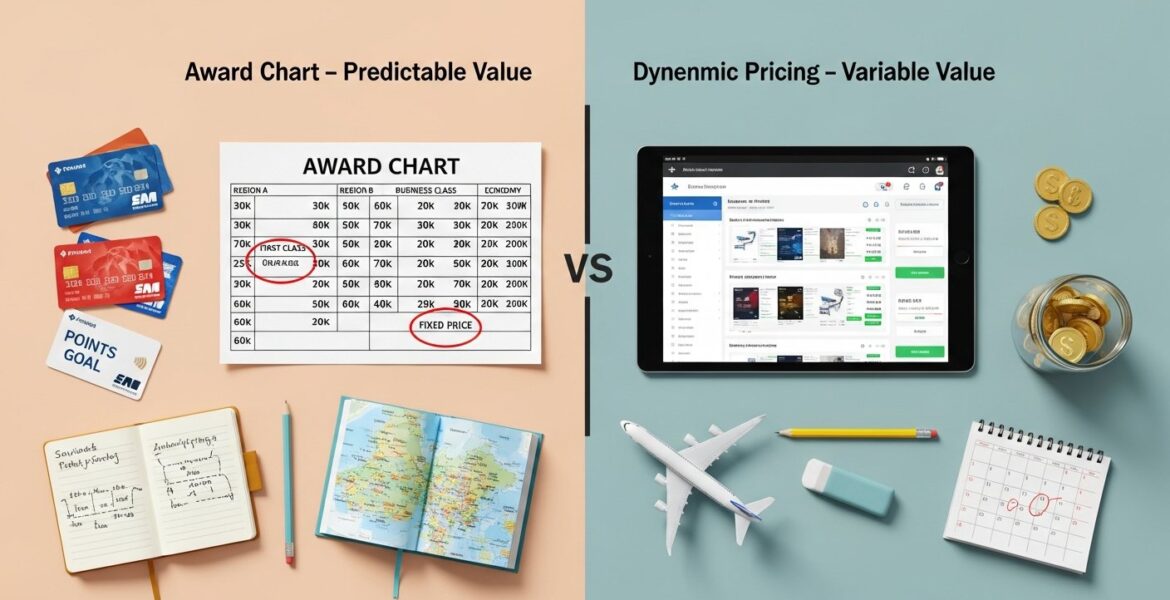
  • Redemption: Uses an award chart with peak/standard/off-peak pricing, making redemptions predictable and often high-value, especially for luxury properties. Offers “Points + Cash” options.
  • Best For: Travelers who prioritize consistent, high-value elite benefits, are willing to focus their stays, and can leverage the Chase co-branded card. Excellent for luxury travel.

IHG One Rewards

  • Overview: IHG (InterContinental Hotels Group) has a large global presence with over 6,000 hotels across brands like Holiday Inn, Crowne Plaza, InterContinental, Kimpton, and Six Senses.
  • Earning: Varies by brand, typically 10 points per dollar at most properties, 5 points at Staybridge Suites and Candlewood Suites.
  • Elite Status: Silver, Gold, Platinum, Diamond. Benefits include bonus points, late checkout, and guaranteed availability. Diamond offers free breakfast, dedicated support.
  • Credit Cards: Co-branded credit cards with Chase offer automatic elite status (Platinum or Diamond), annual free night certificates, and good earning rates.
  • Redemption: Dynamic pricing model, but can offer good value during promotions.
  • Best For: Value-oriented travelers, those seeking a broad global footprint, and anyone who can leverage the strong benefits of the Chase IHG credit cards for automatic status and free nights.

Comparison Table: Major Hotel Loyalty Programs at a Glance (2026)

Program Primary Brands Base Earning Rate Key Mid-Tier Perk (e.g., Gold) Redemption Type Credit Card Partner(s)
Marriott Bonvoy Marriott, Courtyard, St. Regis, The Ritz-Carlton, Sheraton 10 points/$1 25% bonus points, late checkout, upgrades (limited) Dynamic (with 5th night free) Chase, American Express
Hilton Honors Hilton, Hampton Inn, Conrad, Waldorf Astoria, Embassy Suites 10 points/$1 80% bonus points, free breakfast, upgrades Dynamic (with 5th night free) American Express
World of Hyatt Hyatt Regency, Park Hyatt, Grand Hyatt, Andaz, Alila 5 points/$1 20% bonus points, resort fees waived on award stays, upgrades (Explorist) Award Chart (peak/standard/off-peak) Chase
IHG One Rewards Holiday Inn, Crowne Plaza, InterContinental, Kimpton, Six Senses 10 points/$1 60% bonus points, late checkout, upgrades (Platinum) Dynamic Chase

This table provides a high-level overview. Each program has specific nuances and specific sweet spots, making deeper research worthwhile once you’ve identified which programs align with your travel habits. For a more in-depth analysis of specific programs, refer to our detailed guides on Maximizing Marriott Bonvoy or Unlocking World of Hyatt Value.

Choosing the Right Program for You: Factors to Consider

With several major players and numerous smaller programs, deciding which hotel loyalty program (or programs) to focus on can be daunting for a beginner. The “best” program isn’t universal; it’s the one that aligns best with your individual travel patterns, preferences, and goals. Here are the key factors to consider when making your choice.

Where Do You Travel Most Often?

This is perhaps the most critical factor. Research which hotel chains have the strongest presence in the destinations you visit frequently. If you primarily travel to small towns in the US, a program like Choice Privileges or Wyndham Rewards might be more suitable than World of Hyatt, which focuses more on urban and luxury destinations. If you’re a global traveler, Marriott Bonvoy or Hilton Honors with their vast international footprints might be a better fit.

  • Business Travelers: Often have limited choice of hotels due to corporate policies. Focus on the programs available to you and maximize earning within those.
  • Leisure Travelers: More flexibility to choose based on destination and desired experience.

What Are Your Preferred Hotel Brands and Styles?

Each hotel chain offers a diverse portfolio of brands catering to different styles and budgets.
Do you prefer:

  • Luxury and Boutique: World of Hyatt (Park Hyatt, Andaz), Marriott Bonvoy (St. Regis, EDITION, The Ritz-Carlton), Hilton Honors (Conrad, Waldorf Astoria), IHG (InterContinental, Kimpton, Six Senses).
  • Mid-Range and Full-Service: Marriott (Marriott Hotels, Sheraton), Hilton (Hilton Hotels & Resorts, Embassy Suites), Hyatt (Hyatt Regency, Grand Hyatt), IHG (Crowne Plaza).
  • Extended Stay or Budget: Marriott (Residence Inn, Fairfield Inn), Hilton (Hampton Inn, Home2 Suites), IHG (Holiday Inn Express, Staybridge Suites).

If you consistently enjoy staying at a particular brand, that’s a strong indicator of which loyalty program might be right for you. Brand consistency often translates to predictable service and amenities.

How Frequently Do You Travel?

Your travel frequency will heavily influence your ability to earn elite status and accumulate points.

  • Infrequent Traveler (1-5 nights/year): Focus on programs with easy entry-level perks or those where you can gain status via credit cards. Prioritize programs with good redemption value for fewer points.
  • Moderate Traveler (5-20 nights/year): You might be able to achieve low to mid-tier elite status. Look for programs with valuable benefits at these tiers (e.g., Hilton Honors Gold with free breakfast). Credit cards will be crucial for boosting points.
  • Frequent Traveler (20+ nights/year): You have a better chance of reaching higher elite tiers. Consider programs where top-tier status offers the most value to you (e.g., World of Hyatt Globalist).

What Are Your Travel Goals? (Aspirational vs. Practical)

  • Aspirational: Do you dream of staying in luxury resorts or high-end suites? World of Hyatt or Marriott Bonvoy might offer better sweet spots for high-value luxury redemptions.
  • Practical: Are you mostly looking to save money on basic stays or get free breakfast on road trips? Hilton Honors Gold (via credit card) or IHG One Rewards could be excellent choices.

Credit Card Ecosystem Integration

Many beginners start their points and miles journey with a general travel credit card (like Chase Sapphire Preferred or American Express Gold Card) that earns transferable points. Consider which hotel programs are direct transfer partners with your existing credit cards. This flexibility can make it easier to top off your hotel loyalty accounts.

Also, evaluate the co-branded credit cards for each hotel chain. Can you get automatic status, annual free nights, or significant welcome bonuses that align with your spending habits and travel goals?

Complexity vs. Simplicity

Some programs are more straightforward than others. World of Hyatt, while smaller, often has a reputation for clarity and consistent value. Marriott Bonvoy, due to its size, can feel more complex with many brands and dynamic pricing. Don’t be afraid to start with a simpler program if that makes you more comfortable.

Your Loyalty: Single Program vs. Diversification

While some travelers advocate for “loyalty to one,” meaning focusing all your stays on a single program to earn top-tier status, it’s not always practical for beginners. It’s perfectly acceptable to dabble in 2-3 programs initially, especially if different chains dominate different destinations you visit. As you gain experience, you might naturally gravitate towards one or two main programs.

By carefully considering these factors, you can make an informed decision and choose the hotel loyalty program(s) that will bring you the most value and enjoyment in your travels.

Advanced Strategies for Beginners: Accelerating Your Journey

Once you’ve grasped the fundamentals of hotel loyalty programs, you can begin to explore “advanced” strategies that even beginners can leverage to accelerate their journey towards elite status and abundant points. These tactics go beyond simply booking direct and can significantly boost your rewards game.

Leveraging Co-Branded Hotel Credit Cards Strategically

We’ve touched on them, but it’s worth emphasizing the strategic role of co-branded hotel credit cards. For beginners, they are often the quickest way to jumpstart your hotel loyalty. Don’t just get one; understand its full potential:

  • Sign-up Bonuses: Target cards with large welcome bonuses that can immediately give you enough points for several free nights.
  • Annual Free Night Certificates: These can be incredibly valuable. Identify hotels where you can use them to get outsized value, often far exceeding the card’s annual fee.
  • Elite Night Credits: Some cards offer a fixed number of elite night credits each year, or bonus credits for reaching spending thresholds. These credits can help you achieve or retain status without extensive travel.
  • Spend for Status: Many cards offer a path to higher elite status through spending (e.g., spend $15,000 to earn Gold status). If you have significant organic spending, this can be an easy way to upgrade your perks.

For more specific recommendations and strategies on utilizing hotel credit cards, refer to our comprehensive guide: The Best Hotel Credit Cards for Maximize Your Points.

Status Matching and Status Challenges

These are powerful tools if you already have elite status with an airline or another hotel chain. If you have, say, Hilton Gold, you might be able to request a status match to Marriott Gold or IHG Platinum. Some programs offer “status challenges,” where you are given a temporary elite status and then must complete a reduced number of stays or nights within a specified period to retain that status for a longer duration. Always research current status match/challenge opportunities before your next trip.

  • How to Find Them: Search online (e.g., “Marriott Bonvoy status challenge 2026”) or directly contact the loyalty program’s customer service with proof of your existing elite status elsewhere.
  • Be Prepared: Have screenshots or official emails demonstrating your current elite status and recent activity.

Pooling Points with Family Members

Many loyalty programs allow you to combine points with family members. This can be immensely helpful if you and a partner, spouse, or even a close family member are both earning


Beginner’s Guide to Hotel Loyalty Programs: Your Gateway to Free Stays and Elite Perks in 2026

By goldpoints Editorial Team — Senior editors with 10+ years of subject-matter experience.
Published 2026-05-26 · Last Updated 2026-05-26

Affiliate disclosure: This article may contain affiliate links. Recommendations are independent and editorially driven.

Embarking on the journey of points and miles can feel overwhelming, especially when it comes to hotel loyalty programs. The landscape is vast, filled with various brands, earning structures, elite tiers, and redemption options. However, for those willing to learn the ropes, hotel loyalty programs offer an incredible pathway to enhanced travel experiences, significant savings, and exclusive benefits that can transform a standard trip into an extraordinary adventure.

This comprehensive beginner’s guide to hotel loyalty programs is designed to demystify the process. We’ll break down everything you need to know, from the fundamental concepts of how these programs work to advanced strategies for maximizing your earning and redemption potential. Whether you’re a frequent business traveler or someone who enjoys a few leisure trips a year, understanding and leveraging hotel loyalty programs can unlock a world of value you might not even realize exists. Get ready to turn your stays into free nights, luxurious upgrades, and personalized service, all without breaking the bank.

In the competitive travel industry of 2026, loyalty programs are more sophisticated and rewarding than ever. By the end of this guide, you’ll be equipped with the knowledge and confidence to choose the right programs, accumulate points strategically, and redeem them for experiences that make your travels truly goldpoints-worthy.

What Are Hotel Loyalty Programs and How Do They Work?

At its core, a hotel loyalty program is a marketing initiative designed by hotel chains to encourage repeat business from their guests. By joining a program, you become a member and start earning rewards for your stays, dining, and other eligible spending at participating properties. These rewards typically come in the form of points, which can then be redeemed for a variety of benefits, most notably free hotel nights.

The Basic Premise: Earn and Redeem

The fundamental principle is simple: the more you stay and spend within a particular hotel chain’s ecosystem, the more points you earn. These points accumulate in your member account and act as a form of currency. When you’ve gathered enough points, you can “spend” them on rewards. While free nights are the most popular redemption option, points can also be used for room upgrades, experiences, gift cards, or even transferred to airline miles in some cases.

Points Earning: The Foundation of Loyalty

The most common way to earn points is by booking and completing eligible stays at hotels within the loyalty program’s portfolio. Typically, you earn a certain number of base points per dollar spent on your room rate and eligible incidentals (like dining or spa services). For example, a program might offer 10 points per dollar spent. So, a $100 stay would earn you 1,000 points. However, earning isn’t limited to just stays, as we’ll explore in more detail later.

Elite Status: The Ladder of Perks

Beyond simply earning points, hotel loyalty programs offer a tiered system known as “elite status.” This status is achieved by accumulating a certain number of qualifying nights, stays, or base points within a calendar year. As you climb higher in status tiers (e.g., Silver, Gold, Platinum, Diamond), the benefits become increasingly valuable. These can include complimentary room upgrades, late checkout, free breakfast, access to executive lounges, bonus points on stays, and even dedicated concierge services. Elite status is a significant driver for many travelers, as it can dramatically enhance the comfort and convenience of their trips.

Program Structure: Chains and Brands

It’s important to understand that hotel loyalty programs often encompass multiple brands under one major hotel chain. For instance, Marriott Bonvoy is the loyalty program for Marriott International, which includes brands like Marriott Hotels, Courtyard, St. Regis, The Ritz-Carlton, and many more. Hilton Honors covers Hilton’s extensive portfolio, from Hampton Inn to Waldorf Astoria. Each brand within a chain typically participates in the same loyalty program, allowing you to earn and redeem points across a diverse range of properties and price points.

The Value Proposition: Why Bother?

For beginners, the sheer number of options can seem daunting. However, the value proposition of hotel loyalty programs is clear: they reward you for your existing travel habits. Instead of simply paying for a hotel room and getting nothing in return, you’re earning points that can be leveraged for future travel. Moreover, the elite perks can turn a standard hotel stay into a premium experience, offering benefits that would otherwise cost a significant amount of money. Understanding these fundamentals is the first step toward becoming a savvy points and miles traveler.

Why Join a Hotel Loyalty Program? The Benefits for Beginners

For those new to the world of travel rewards, the concept of loyalty programs might seem like an extra step. However, the benefits far outweigh the minimal effort required to sign up. Joining a hotel loyalty program is one of the easiest and most impactful ways to elevate your travel experiences and extract greater value from every dollar you spend on accommodation.

[INLINE IMAGE 1: place after second H2 | alt=”beginner’s guide hotel loyalty programs concept illustration”]

Immediate Savings and Free Nights

The most obvious and compelling reason to join is the potential for free nights. Every point you earn brings you closer to redeeming a stay without spending cash. This can translate into significant savings over time, allowing you to stretch your travel budget further or enjoy destinations you might not have considered otherwise. Even for a beginner, accumulating enough points for a free night at a lower-category hotel is a realistic goal after just a few stays, especially when combined with strategic earning methods.

Enhanced Travel Experiences: Upgrades and Perks

Beyond free nights, loyalty programs offer a suite of perks that significantly enhance your travel experience. Even at entry-level elite status, you might receive benefits like:

  • Complimentary Wi-Fi: A standard expectation in 2026, but some hotels still charge, making this a valuable perk.
  • Late Checkout: Enjoy a few extra hours in your room, avoiding the rush of standard checkout times. This can be invaluable for evening flights or relaxed mornings.
  • Early Check-in: Get access to your room before the standard time, which is perfect after a long journey.
  • Member-Exclusive Rates: Many programs offer slightly discounted rates to members who book directly through their website or app. While not always a huge saving, every little bit helps.
  • Bonus Points: Elite members often earn a percentage of bonus points on top of their base earnings, accelerating their path to free nights.

As you progress to higher tiers, these perks become even more luxurious, including free breakfast, executive lounge access with complimentary snacks and drinks, guaranteed room availability, and significant room upgrades.

Personalized Service and Recognition

Being a recognized member of a loyalty program can lead to a more personalized and pleasant hotel experience. Hotels often make an effort to acknowledge their elite guests, sometimes offering welcome amenities, remembering preferences, or providing more attentive service. This feeling of being valued can significantly improve your overall satisfaction with a stay.

Access to Exclusive Promotions and Offers

Loyalty program members are often the first to know about and qualify for special promotions. These can include double or triple point earning opportunities, discounted redemption rates, bonus points for specific activities, or unique experiential offers. By being a member, you gain access to these deals, which can dramatically accelerate your point accumulation and improve the value of your redemptions. Non-members simply miss out on these chances to maximize their travel rewards.

Building a Foundation for Future Travel

For beginners, joining a hotel loyalty program is the first step in building a robust points and miles strategy. It introduces you to the mechanics of earning and redeeming, shows you the tangible benefits, and sets the stage for more advanced techniques like leveraging credit cards or status matching. Starting early means you’re continuously building your points balance, making future trips more accessible and enjoyable.

Understanding How to Earn Points: Beyond Just Stays

While staying at hotels is the most obvious way to earn points, it’s far from the only method. For beginners, understanding the diverse avenues for point accumulation is crucial to maximizing your earning potential and reaching those coveted free nights and elite statuses faster. A smart points-and-miles strategy involves looking beyond the basics.

Direct Bookings: The Golden Rule

The cardinal rule for earning points and elite night credits is to always book directly with the hotel chain, either through their official website, mobile app, or by calling their reservations line. Bookings made through Online Travel Agencies (OTAs) like Expedia, Booking.com, or Hotels.com almost never qualify for point earnings or elite status benefits. Hotels reserve these perks for guests who book directly, reinforcing their loyalty programs.

Co-Branded Hotel Credit Cards: Your Fastest Path to Points

This is arguably the most powerful tool in a beginner’s arsenal for rapid point accumulation. Major hotel chains partner with credit card issuers to offer co-branded credit cards. These cards provide:

  • Generous Welcome Bonuses: Often tens of thousands of points awarded after meeting a minimum spending requirement in the first few months. This alone can be enough for several free nights.
  • Accelerated Earning: Earn significantly more points per dollar spent at the hotel chain’s properties (e.g., 6x, 10x, or even 17x points per dollar) compared to non-cardholders.
  • Everyday Spending: Earn points on all other purchases, albeit at a lower rate (typically 1x or 2x points per dollar). This turns your regular spending into travel rewards.
  • Automatic Elite Status: Many co-branded cards offer automatic elite status (often Silver or Gold equivalent), granting you perks from day one without needing to complete numerous stays.
  • Annual Free Night Certificates: Some cards include an annual free night certificate, which can easily offset the card’s annual fee and provide immense value.

For a detailed breakdown of the best credit cards for hotel rewards, explore our guide on Top Hotel Credit Cards for Travel Points.

Promotional Offers: Strategic Stays and Bonus Earning

Hotel loyalty programs frequently run global and targeted promotions. These are golden opportunities to earn extra points. Common promotions include:

  • Double or Triple Points: Earn 2x or 3x the usual points per stay.
  • Bonus Points for Multiple Stays: Earn a fixed number of bonus points after completing a certain number of stays or nights within a promotional period.
  • Brand-Specific Bonuses: Extra points for staying at certain brands within the portfolio.

Always register for these promotions, even if your travel plans are uncertain. Registration is usually free and doesn’t commit you to anything, but it ensures you qualify if you do end up staying.

Dining and Other Activities: Beyond the Room

Many hotel chains allow you to earn points on more than just your room rate. Dining at on-site restaurants, using spa services, or even hosting events can sometimes accrue points, even if you’re not staying overnight. Always ask if your spending is eligible for loyalty program points. Some programs also have dining rewards programs that let you earn points at partner restaurants even when you’re not staying at a hotel.

Transfer Partners and Shopping Portals

While more advanced, some hotel loyalty programs partner with other programs. For instance, you might be able to transfer points from a flexible credit card rewards program (like Chase Ultimate Rewards or American Express Membership Rewards) directly to a hotel loyalty program. Additionally, some programs operate online shopping portals where you can earn bonus points for purchases made at participating retailers. These methods can be excellent for topping up your account for a specific redemption.

Meeting and Events: Corporate Earning

If you’re involved in planning meetings, conferences, or even personal events (like weddings) at hotels, you can often earn a significant amount of points. These programs are designed to reward event planners and can lead to substantial point balances very quickly. Inquire about meeting planner programs when booking group events.

Demystifying Elite Status: Tiers, Perks, and How to Achieve Them

Elite status is the aspirational goal for many hotel loyalty program members. It’s the key that unlocks a world of enhanced benefits, turning standard hotel stays into luxurious, comfortable, and often complimentary experiences. Understanding the different tiers, the perks associated with each, and the various pathways to achieve them is fundamental for any beginner looking to maximize their hotel loyalty journey.

The Tiered System: A Ladder of Benefits

Most hotel loyalty programs operate on a tiered system, where higher tiers offer progressively better benefits. While specific names vary by program (e.g., Silver, Gold, Platinum, Diamond, Titanium, Globalist, Ambassador), the general structure is similar:

  1. Entry/Base Level: Free to join, offers basic benefits like member rates and free Wi-Fi.
  2. Low-Tier Elite (e.g., Silver, Gold): Achieved with a moderate number of nights/stays. Perks often include bonus points, late checkout (upon request), and perhaps a small welcome amenity.
  3. Mid-Tier Elite (e.g., Platinum, Diamond): Requires a more significant number of nights/stays. This is where benefits become much more substantial: complimentary breakfast, executive lounge access, room upgrades (including suites, subject to availability), enhanced late checkout, and higher bonus point earnings.
  4. Top-Tier Elite (e.g., Titanium, Globalist, Ambassador): The highest level, demanding considerable loyalty. These members often receive the best room upgrades, personalized service, guaranteed late checkout, dedicated concierge, and sometimes even a personal ambassador.

[INLINE IMAGE 2: place after fourth H2 | alt=”beginner’s guide hotel loyalty programs comparison illustration”]

Key Benefits of Elite Status

While the exact perks vary, here are some of the most common and valuable benefits you can expect as an elite member:

  • Complimentary Room Upgrades: Often the most sought-after perk. Elite members may be upgraded to a better room, a room with a view, or even a suite, subject to availability at check-in.
  • Free Breakfast: A significant money-saver, especially for families or longer stays. Often provided as a buffet in the hotel restaurant or access to an executive lounge.
  • Executive Lounge Access: Found in many full-service hotels, these lounges offer complimentary breakfast, evening appetizers and drinks, dedicated concierge services, and a quiet space to work or relax.
  • Late Checkout/Early Check-in: Provides flexibility, allowing you to align your hotel stay with your travel schedule without rushing.
  • Bonus Points: Elite members earn a percentage of bonus points on eligible spending (e.g., 25% for Silver, 50% for Gold, 75% for Platinum). This rapidly accelerates point accumulation.
  • Welcome Amenities: Small gifts, snacks, or bonus points upon arrival.
  • Guaranteed Room Availability: For top-tier elites, ensuring a room is available even at sold-out properties (with some restrictions).
  • Dedicated Check-in Lines/Concierge: Faster service and personalized assistance.

How to Achieve Elite Status: Multiple Pathways

For beginners, the idea of staying 50 or 75 nights a year to reach top status might seem daunting. However, there are multiple ways to earn elite status, making it more accessible than you might think.

1. Qualifying Stays/Nights

This is the traditional method: earning a certain number of eligible nights or stays within a calendar year. A “night” is one night’s stay, while a “stay” is one or more consecutive nights at the same property. Programs often define thresholds for each tier (e.g., 10 nights for Silver, 25 for Gold, 50 for Platinum).

2. Co-Branded Hotel Credit Cards

As mentioned, these cards are a game-changer for status. Many co-branded cards offer instant elite status just for being a cardholder. Some even provide annual elite night credits or bonus credits that count towards higher tiers. For example, a card might give you 15 elite night credits each year, meaning you’re already a significant way towards a mid-tier status without any actual stays.

3. Credit Card Spending

Some credit cards offer elite night credits for every dollar spent on the card (e.g., 1 elite night credit for every $3,000 spent). While this requires substantial spending, it’s another avenue for those who can’t travel extensively.

4. Status Challenges

These are accelerated pathways to elite status. If you have status with a competitor or a co-branded credit card, you might be able to enroll in a status challenge. This involves completing a reduced number of stays or nights within a short timeframe (e.g., 8 nights in 90 days) to earn a higher status for the rest of the year and the following one. Status challenges are fantastic opportunities for beginners with some travel planned.

5. Status Matching

Similar to challenges, status matching involves showing proof of elite status with one hotel chain to receive a comparable status with another. This is often an easier route if you already have status elsewhere. While not always publicly advertised, it’s worth inquiring directly with the loyalty program if you have elite status with a competitor.

For beginners, focusing on a co-branded credit card is often the easiest way to secure entry or mid-tier status and start enjoying perks immediately. As your travel increases, you can then pursue higher tiers through stays or challenges.

Maximizing Your Points: Smart Redemption Strategies

Earning points is only half the battle; knowing how to redeem them strategically is where the true value lies. For beginners, it’s easy to fall into traps of “bad redemptions” that don’t provide optimal value. A smart redemption strategy focuses on maximizing the per-point value and aligning redemptions with your travel goals.

The Golden Rule of Redemption: “Cents Per Point” (CPP)

When considering a redemption, the key metric to evaluate is the “cents per point” (CPP) value. This tells you how much value each of your points is getting.
To calculate CPP: (Cash Price of Room / Number of Points Required) * 100 = Cents Per Point

For example, if a room costs $200 cash or 20,000 points, your CPP is ($200 / 20,000) * 100 = 1 cent per point. Generally, you want to aim for 0.8 CPP or higher for hotel points, with 1.0 CPP and above considered excellent. Comparing the cash price to the points price helps you decide if a particular redemption is a good deal or if you’re better off saving your points for another time.

Free Night Awards: The Primary Goal

Redeeming points for free nights is the most common and often most valuable use of hotel points. When searching for a free night, consider these strategies:

  • Off-Peak/Standard Redemptions: Most programs use dynamic pricing or category charts. Look for dates where the points required are lower (off-peak) to get better value.
  • PointSavers/PointBreaks: Some programs offer limited-time deals where specific hotels can be booked for significantly fewer points. These are excellent opportunities for high-value redemptions.
  • 5th Night Free: Many major programs (e.g., Marriott Bonvoy, Hilton Honors) offer the 5th night free when you redeem points for a stay of five consecutive nights. This effectively gives you a 20% discount on long stays.
  • Utilizing Free Night Certificates: If your co-branded credit card offers an annual free night certificate, use it strategically. Aim to redeem it at a hotel where the cash price would be higher than the typical value of points you might spend elsewhere.

Cash + Points Options: Blending Savings and Value

Many programs offer a “Cash + Points” option, allowing you to pay for part of your stay with points and the rest with cash. This can be a great way to:

  • Stretch Your Points: If you don’t have enough points for a full free night, C+P allows you to still use your points for a discount.
  • Get Good Value: Sometimes the C+P rates offer a better CPP value than an all-points redemption, especially if the cash portion is relatively small.

Always compare the C+P option with both the all-cash and all-points redemption to see which provides the best value for your specific situation.

Room Upgrades with Points: Adding Luxury

While elite status often provides complimentary upgrades, you can sometimes use points to guarantee an upgrade to a suite or a better room type. This can be worthwhile if you highly value extra space or specific amenities and don’t want to rely on availability at check-in. Again, calculate the CPP to ensure you’re getting a good deal compared to paying cash for the upgrade.

Transferring Points to Airline Miles: Use with Caution

Most hotel programs allow you to transfer points to various airline loyalty programs. However, this often comes at a poor transfer ratio (e.g., 3 hotel points to 1 airline mile). In general, you’ll get significantly less value for your points when transferring them to airlines compared to using them for hotel stays. Only consider this option if you need to top off an airline account for a specific high-value redemption or if you have an excessive amount of hotel points you don’t foresee using for stays.

Experiences and Other Redemptions: Often Lower Value

Beyond free nights, points can sometimes be redeemed for gift cards, merchandise, unique experiences, or charity donations. In almost all cases, these redemptions offer a very low CPP value (often less than 0.5 CPP). For beginners, it’s best to avoid these options and focus on hotel stays or upgrades where your points will stretch much further.

Avoiding Bad Redemptions

  • Don’t Redeem When Cash Rates Are Low: If a hotel room is very cheap (e.g., $50), it often requires a disproportionately high number of points, resulting in poor CPP. In these cases, pay cash and save your points for more expensive stays.
  • Watch for Devaluations: Loyalty programs occasionally devalue their points, meaning the same room now costs more points. While you can’t always predict these, it’s a reason not to hoard points indefinitely.
  • Understand Dynamic Pricing: Many programs have shifted to dynamic pricing, where point costs fluctuate with cash rates and demand. Always compare to ensure you’re getting a good deal.

Key Players in the Hotel Loyalty Landscape: A Beginner’s Overview

As a beginner, it’s helpful to know the major hotel loyalty programs you’re likely to encounter. Each program has its own strengths, brand portfolio, earning rates, and redemption sweet spots. While we can’t cover every single program, focusing on the largest players will give you a solid foundation.

Marriott Bonvoy

  • Overview: One of the largest hotel loyalty programs globally, with an enormous portfolio of over 8,000 properties across 30+ brands. Marriott Bonvoy offers a vast range of options from budget-friendly (Courtyard, Fairfield Inn) to ultra-luxury (St. Regis, The Ritz-Carlton, EDITION).
  • Earning: Generally 10 points per dollar on most brands (5 points at Residence Inn, TownePlace Suites, Element). Bonus points for elite members.
  • Elite Status: Silver, Gold, Platinum, Titanium, Ambassador. Key perks like late checkout, upgrades, free breakfast (Platinum+), and lounge access (Platinum+).
  • Credit Cards: Extensive co-branded credit card options with Chase and American Express, offering significant welcome bonuses, automatic elite status, and free night certificates.
  • Redemption: Dynamic pricing for free nights, but they still have a 5th night free benefit. Good for luxury redemptions. Transfers to numerous airlines, often with a 5,000-mile bonus for every 60,000 points transferred.
  • Best For: Travelers who want a wide variety of brands, global footprint, and strong co-branded credit card options.

Hilton Honors

  • Overview: Another giant in the industry, boasting over 7,000 properties across 19 distinct brands, ranging from Hampton Inn and Hilton Garden Inn to Conrad and Waldorf Astoria.
  • Earning: 10 points per dollar on most brands (5 points at Home2 Suites and Tru by Hilton). Generous bonus points for elite members.
  • Elite Status: Silver, Gold, Diamond. Gold status is relatively easy to achieve via credit card and offers benefits like free breakfast and space-available upgrades. Diamond offers lounge access and higher upgrade priority.
  • Credit Cards: Strong co-branded credit card lineup with American Express, providing automatic elite status (Gold or Diamond), free night certificates, and impressive earning rates.
  • Redemption: Entirely dynamic pricing. The “5th Night Free” on standard room redemptions is a major plus for longer stays. Often good for high-value aspirational luxury stays.
  • Best For: Travelers valuing strong elite benefits at mid-tier (especially free breakfast and automatic status via credit card), and those who appreciate consistency across many brands.

World of Hyatt

  • Overview: While smaller in footprint than Marriott or Hilton (around 1,200+ properties), Hyatt is highly regarded for its consistent elite benefits and customer service. Brands include Park Hyatt, Grand Hyatt, Hyatt Regency, Andaz, and Alila.
  • Earning: 5 base points per dollar spent. Elite members earn significant bonus points.
  • Elite Status: Discoverist, Explorist, Globalist. Globalist status is considered by many to be the most valuable top-tier status, offering confirmed suite upgrades, free breakfast, lounge access, and waived resort fees.
  • Credit Cards: The Chase World of Hyatt Credit Card offers automatic Discoverist status and a path to higher status through spending.
  • Redemption: Uses an award chart with peak/standard/off-peak pricing, making redemptions predictable and often high-value, especially for luxury properties. Offers “Points + Cash” options.
  • Best For: Travelers who prioritize consistent, high-value elite benefits, are willing to focus their stays, and can leverage the Chase co-branded card. Excellent for luxury travel.

IHG One Rewards

  • Overview: IHG (InterContinental Hotels Group) has a large global presence with over 6,000 hotels across brands like Holiday Inn, Crowne Plaza, InterContinental, Kimpton, and Six Senses.
  • Earning: Varies by brand, typically 10 points per dollar at most properties, 5 points at Staybridge Suites and Candlewood Suites.
  • Elite Status: Silver, Gold, Platinum, Diamond. Benefits include bonus points, late checkout, and guaranteed availability. Diamond offers free breakfast, dedicated support.
  • Credit Cards: Co-branded credit cards with Chase offer automatic elite status (Platinum or Diamond), annual free night certificates, and good earning rates.
  • Redemption: Dynamic pricing model, but can offer good value during promotions.
  • Best For: Value-oriented travelers, those seeking a broad global footprint, and anyone who can leverage the strong benefits of the Chase IHG credit cards for automatic status and free nights.

Comparison Table: Major Hotel Loyalty Programs at a Glance (2026)

Program Primary Brands Base Earning Rate Key Mid-Tier Perk (e.g., Gold) Redemption Type Credit Card Partner(s)
Marriott Bonvoy Marriott, Courtyard, St. Regis, The Ritz-Carlton, Sheraton 10 points/$1 25% bonus points, late checkout, upgrades (limited) Dynamic (with 5th night free) Chase, American Express
Hilton Honors Hilton, Hampton Inn, Conrad, Waldorf Astoria, Embassy Suites 10 points/$1 80% bonus points, free breakfast, upgrades Dynamic (with 5th night free) American Express
World of Hyatt Hyatt Regency, Park Hyatt, Grand Hyatt, Andaz, Alila 5 points/$1 20% bonus points, resort fees waived on award stays, upgrades (Explorist) Award Chart (peak/standard/off-peak) Chase
IHG One Rewards Holiday Inn, Crowne Plaza, InterContinental, Kimpton, Six Senses 10 points/$1 60% bonus points, late checkout, upgrades (Platinum) Dynamic Chase

This table provides a high-level overview. Each program has specific nuances and specific sweet spots, making deeper research worthwhile once you’ve identified which programs align with your travel habits. For a more in-depth analysis of specific programs, refer to our detailed guides on Maximizing Marriott Bonvoy or Unlocking World of Hyatt Value.

Choosing the Right Program for You: Factors to Consider

With several major players and numerous smaller programs, deciding which hotel loyalty program (or programs) to focus on can be daunting for a beginner. The “best” program isn’t universal; it’s the one that aligns best with your individual travel patterns, preferences, and goals. Here are the key factors to consider when making your choice.

Where Do You Travel Most Often?

This is perhaps the most critical factor. Research which hotel chains have the strongest presence in the destinations you visit frequently. If you primarily travel to small towns in the US, a program like Choice Privileges or Wyndham Rewards might be more suitable than World of Hyatt, which focuses more on urban and luxury destinations. If you’re a global traveler, Marriott Bonvoy or Hilton Honors with their vast international footprints might be a better fit.

  • Business Travelers: Often have limited choice of hotels due to corporate policies. Focus on the programs available to you and maximize earning within those.
  • Leisure Travelers: More flexibility to choose based on destination and desired experience.

What Are Your Preferred Hotel Brands and Styles?

Each hotel chain offers a diverse portfolio of brands catering to different styles and budgets.
Do you prefer:

  • Luxury and Boutique: World of Hyatt (Park Hyatt, Andaz), Marriott Bonvoy (St. Regis, EDITION, The Ritz-Carlton), Hilton Honors (Conrad, Waldorf Astoria), IHG (InterContinental, Kimpton, Six Senses).
  • Mid-Range and Full-Service: Marriott (Marriott Hotels, Sheraton), Hilton (Hilton Hotels & Resorts, Embassy Suites), Hyatt (Hyatt Regency, Grand Hyatt), IHG (Crowne Plaza).
  • Extended Stay or Budget: Marriott (Residence Inn, Fairfield Inn), Hilton (Hampton Inn, Home2 Suites), IHG (Holiday Inn Express, Staybridge Suites).

If you consistently enjoy staying at a particular brand, that’s a strong indicator of which loyalty program might be right for you. Brand consistency often translates to predictable service and amenities.

How Frequently Do You Travel?

Your travel frequency will heavily influence your ability to earn elite status and accumulate points.

  • Infrequent Traveler (1-5 nights/year): Focus on programs with easy entry-level perks or those where you can gain status via credit cards. Prioritize programs with good redemption value for fewer points.
  • Moderate Traveler (5-20 nights/year): You might be able to achieve low to mid-tier elite status. Look for programs with valuable benefits at these tiers (e.g., Hilton Honors Gold with free breakfast). Credit cards will be crucial for boosting points.
  • Frequent Traveler (20+ nights/year): You have a better chance of reaching higher elite tiers. Consider programs where top-tier status offers the most value to you (e.g., World of Hyatt Globalist).

What Are Your Travel Goals? (Aspirational vs. Practical)

  • Aspirational: Do you dream of staying in luxury resorts or high-end suites? World of Hyatt or Marriott Bonvoy might offer better sweet spots for high-value luxury redemptions.
  • Practical: Are you mostly looking to save money on basic stays or get free breakfast on road trips? Hilton Honors Gold (via credit card) or IHG One Rewards could be excellent choices.

Credit Card Ecosystem Integration

Many beginners start their points and miles journey with a general travel credit card (like Chase Sapphire Preferred or American Express Gold Card) that earns transferable points. Consider which hotel programs are direct transfer partners with your existing credit cards. This flexibility can make it easier to top off your hotel loyalty accounts.

Also, evaluate the co-branded credit cards for each hotel chain. Can you get automatic status, annual free nights, or significant welcome bonuses that align with your spending habits and travel goals?

Complexity vs. Simplicity

Some programs are more straightforward than others. World of Hyatt, while smaller, often has a reputation for clarity and consistent value. Marriott Bonvoy, due to its size, can feel more complex with many brands and dynamic pricing. Don’t be afraid to start with a simpler program if that makes you more comfortable.

Your Loyalty: Single Program vs. Diversification

While some travelers advocate for “loyalty to one,” meaning focusing all your stays on a single program to earn top-tier status, it’s not always practical for beginners. It’s perfectly acceptable to dabble in 2-3 programs initially, especially if different chains dominate different destinations you visit. As you gain experience, you might naturally gravitate towards one or two main programs.

By carefully considering these factors, you can make an informed decision and choose the hotel loyalty program(s) that will bring you the most value and enjoyment in your travels.

Advanced Strategies for Beginners: Accelerating Your Journey

Once you’ve grasped the fundamentals of hotel loyalty programs, you can begin to explore “advanced” strategies that even beginners can leverage to accelerate their journey towards elite status and abundant points. These tactics go beyond simply booking direct and can significantly boost your rewards game.

Leveraging Co-Branded Hotel Credit Cards Strategically

We’ve touched on them, but it’s worth emphasizing the strategic role of co-branded hotel credit cards. For beginners, they are often the quickest way to jumpstart your hotel loyalty. Don’t just get one; understand its full potential:

  • Sign-up Bonuses: Target cards with large welcome bonuses that can immediately give you enough points for several free nights.
  • Annual Free Night Certificates: These can be incredibly valuable. Identify hotels where you can use them to get outsized value, often far exceeding the card’s annual fee.
  • Elite Night Credits: Some cards offer a fixed number of elite night credits each year, or bonus credits for reaching spending thresholds. These credits can help you achieve or retain status without extensive travel.
  • Spend for Status: Many cards offer a path to higher elite status through spending (e.g., spend $15,000 to earn Gold status). If you have significant organic spending, this can be an easy way to upgrade your perks.

For more specific recommendations and strategies on utilizing hotel credit cards, refer to our comprehensive guide: The Best Hotel Credit Cards for Maximize Your Points.

Status Matching and Status Challenges

These are powerful tools if you already have elite status with an airline or another hotel chain. If you have, say, Hilton Gold, you might be able to request a status match to Marriott Gold or IHG Platinum. Some programs offer “status challenges,” where you are given a temporary elite status and then must complete a reduced number of stays or nights within a specified period to retain that status for a longer duration. Always research current status match/challenge opportunities before your next trip.

  • How to Find Them: Search online (e.g., “Marriott Bonvoy status challenge 2026”) or directly contact the loyalty program’s customer service with proof of your existing elite status elsewhere.
  • Be Prepared: Have screenshots or official emails demonstrating your current elite status and recent activity.

Pooling Points with Family Members

Many loyalty programs allow you to combine points with family members. This can be immensely helpful if you and a partner, spouse, or even a close family member are both earning

Archives

  • June 2026
  • May 2026
  • April 2026
  • March 2026
  • January 2025
  • October 2024
  • November 2023
  • October 2023
  • May 2023
  • April 2023
  • March 2023
  • February 2023
  • January 2023
  • December 2022
  • October 2022
  • August 2022
  • July 2022
  • June 2022
  • May 2022
  • April 2022
  • March 2022
  • February 2022
  • January 2022
  • December 2021
  • November 2021
  • October 2021
  • September 2021
  • August 2021
  • July 2021
  • June 2021
  • May 2021
  • April 2021
  • March 2021
  • February 2021
  • January 2021
  • December 2020
  • October 2019

Calendar

July 2026
M T W T F S S
 12345
6789101112
13141516171819
20212223242526
2728293031  
« Jun    

Categories

  • General
  • Our Top Picks
  • Products
  • Services
  • Tech
  • Uncategorized
  • About
  • Our Top Picks
  • Products
  • Tech
  • Services

Copyright Gold Points 2026 | Theme by ThemeinProgress | Proudly powered by WordPress