
Credit Card Transfer Partners
On June 2, 2026 by pubman
Credit Card Transfer Partners: Unlocking Elite Travel Rewards and Experiences
By goldpoints Editorial Team — Senior editors with 10+ years of subject-matter experience.
Published 2026-05-26 · Last Updated 2026-05-26
Affiliate disclosure: This article may contain affiliate links. Recommendations are independent and editorially driven.

In the vast and intricate world of credit card rewards, few strategies offer as much potential for outsized value as leveraging credit card transfer partners. While cashback or direct point redemption can be convenient, the true power of premium travel credit cards lies in their ability to convert your accumulated points into airline miles or hotel loyalty points. This conversion opens doors to first-class flights, luxurious hotel stays, and experiences that would otherwise be astronomically expensive.
For the savvy traveler and points enthusiast, understanding and strategically utilizing transfer partners is not just an option—it’s a necessity. It transforms your credit card points from a simple discount mechanism into a powerful currency capable of funding incredible journeys. At goldpoints, we’ve spent years dissecting these systems, and we’re here to provide a comprehensive guide to navigating the landscape of credit card transfer partners, ensuring you maximize every point you earn.
Understanding the Mechanics of Credit Card Transfer Partners
At its core, transferring credit card points to a travel partner involves converting a generic rewards currency (like Chase Ultimate Rewards or American Express Membership Rewards) into a specific airline’s frequent flyer miles or a hotel chain’s loyalty points. This process is distinct from simply booking travel directly through your credit card issuer’s portal.
What Are Transfer Partners?
Transfer partners are airlines and hotel chains that have agreements with major credit card issuers to accept points transfers. For example, American Express Membership Rewards points can be transferred to Delta SkyMiles, Emirates Skywards, or Marriott Bonvoy, among many others. Each credit card ecosystem (e.g., Chase Ultimate Rewards, Citi ThankYou Points, Capital One Miles) has its own unique set of partners, often with overlaps and exclusive relationships.
Why Transfer Points? The Value Proposition
The primary reason to transfer points is to unlock significantly greater value than you’d typically get through other redemption methods. Here’s why:
- Outsized Redemption Value: While points are often valued at a fixed rate (e.g., 1 cent per point) when redeemed for cash back or through a travel portal, transferring them to airline or hotel partners can yield values of 2 cents, 3 cents, or even 5+ cents per point for premium cabin flights or high-end hotel stays. Imagine turning a $500 cash equivalent of points into a business class flight worth $3,000.
- Access to Specific Awards: Many aspirational travel experiences—think international first class on ANA, a suite at a Park Hyatt, or a round-the-world itinerary using alliance partners—are only bookable with airline miles or hotel points. Your credit card issuer’s travel portal simply doesn’t offer these complex award redemptions.
- Flexibility with Loyalty Programs: By accumulating transferable points, you maintain flexibility until you have a specific travel goal. Instead of being locked into one airline or hotel program, you can choose the partner that offers the best redemption for your desired trip.
- Leveraging Transfer Bonuses: Credit card issuers frequently offer promotional transfer bonuses, adding 15-50% more miles or points when you transfer to a specific partner during a limited window. These bonuses can dramatically increase the value of your points.
The Transfer Process: Step-by-Step
While specifics vary slightly by issuer, the general process for transferring points is as follows:
- Research Award Availability: Before transferring, always check the availability of the flight or hotel you want directly on the airline or hotel partner’s website. Points transfers are almost always irreversible.
- Link Loyalty Accounts: You’ll need an active loyalty account (e.g., a frequent flyer number or hotel loyalty ID) with the desired transfer partner. If you don’t have one, it’s usually free and quick to create.
- Initiate Transfer: Log in to your credit card rewards portal and navigate to the “Transfer Points” or “Travel Partners” section. Select the desired partner and enter your loyalty account number.
- Specify Amount: Enter the number of points you wish to transfer. Most issuers require transfers in specific increments (e.g., 1,000 points).
- Confirm and Wait: Review the details and confirm the transfer. Transfer times can vary widely, from instant (e.g., Chase to United, Amex to Delta) to several business days (e.g., Capital One to Turkish Airlines, some hotel transfers).
Understanding these fundamental aspects is the first step toward becoming a master of points and miles.
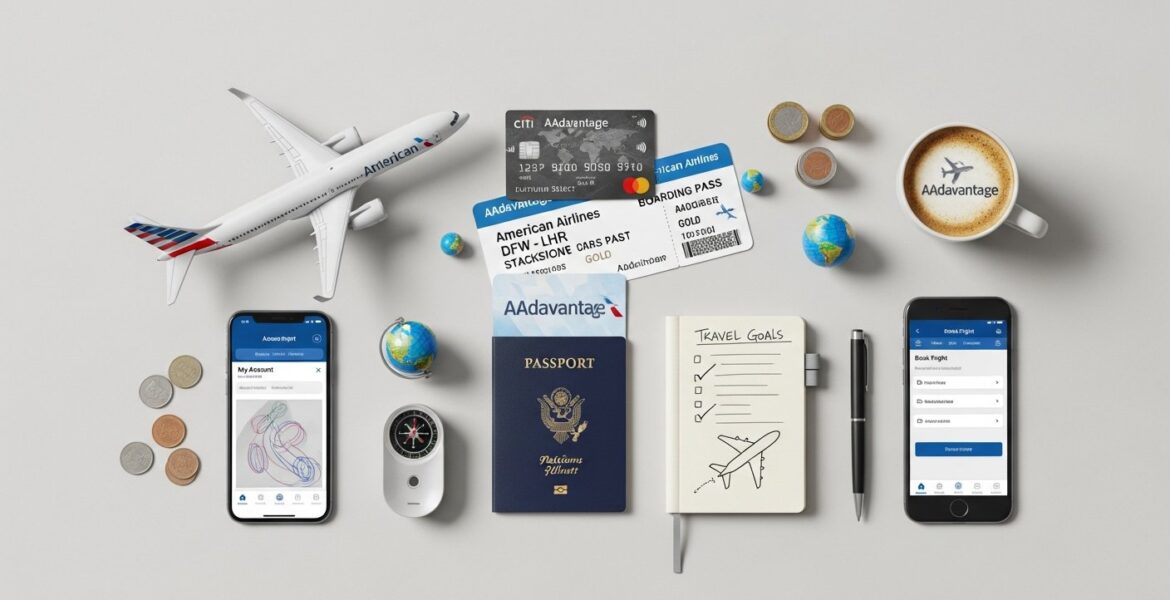
[INLINE IMAGE 1: place after second H2 | alt=”credit card transfer partners concept illustration”]
The Major Credit Card Transfer Partner Ecosystems

Different credit card issuers offer distinct sets of transfer partners, each with its own strengths and strategic advantages. Understanding these ecosystems is crucial for deciding which credit cards best align with your travel goals.
Chase Ultimate Rewards
Chase Ultimate Rewards is renowned for its instant transfers to several key airline and hotel partners, making it incredibly flexible for last-minute award bookings. The program is particularly strong for domestic travel within the US and international trips leveraging Star Alliance and SkyTeam airlines.
Key Airline Partners:
- United Airlines (Star Alliance): Excellent for domestic and international flights, especially to Europe and Asia.
- Southwest Airlines: Ideal for domestic US flights and short-haul international travel.
- Air Canada Aeroplan (Star Alliance): Fantastic for booking flights on numerous Star Alliance carriers globally, often with competitive redemption rates.
- British Airways Executive Club (Oneworld): Great for short-haul flights in regions like Europe and Asia due to its distance-based award chart, also good for flights on American Airlines within the US.
- Virgin Atlantic Flying Club (SkyTeam partner access): Often a “sweet spot” for flights on Delta, Air France, and KLM, especially in business class.
- Other notable partners include Singapore Airlines KrisFlyer (Star Alliance), Iberia Plus (Oneworld), Emirates Skywards, and JetBlue TrueBlue.
Key Hotel Partners:
- Hyatt Globalist: Consistently considered the best hotel transfer partner, offering exceptional value for luxury and mid-tier hotels globally.
- Marriott Bonvoy: While not always offering the highest value, it provides access to a massive portfolio of hotels worldwide.
- IHG One Rewards: Offers access to IHG’s extensive network.
Strategic Advantage:
Chase Ultimate Rewards points are highly valuable due to their versatility and the strength of partners like United and Hyatt. Many transfers are instant, which is critical for securing popular award space. The ability to combine points across different Chase cards (e.g., Sapphire Preferred, Sapphire Reserve, Freedom Flex) into one pool for transfer maximizes flexibility.
American Express Membership Rewards
American Express Membership Rewards offers the largest and most diverse set of transfer partners, with a strong emphasis on international airline partners. This program is a favorite among those looking for premium international travel experiences.
Key Airline Partners:
- Delta SkyMiles (SkyTeam): A primary partner for domestic and international travel, though redemption values can vary widely.
- Air Canada Aeroplan (Star Alliance): Shares this partner with Chase, offering similar great value for Star Alliance flights.
- British Airways Executive Club (Oneworld): Another shared partner, useful for short-haul flights and Oneworld redemptions.
- Emirates Skywards: Popular for luxurious First Class and Business Class experiences on Emirates.
- Cathay Pacific Asia Miles (Oneworld): Excellent for Oneworld flights, especially long-haul business and first class.
- Singapore Airlines KrisFlyer (Star Alliance): Access to Singapore Airlines’ highly regarded premium cabins.
- ANA Mileage Club (Star Alliance): Fantastic for round-the-world tickets and business/first class to Japan.
- Other significant partners include Qantas Frequent Flyer, Etihad Guest, Hawaiian Airlines, KLM/Air France Flying Blue, and Virgin Atlantic Flying Club.
Key Hotel Partners:
- Marriott Bonvoy: A 1:1 transfer ratio, providing access to Marriott’s vast network.
- Hilton Honors: A 1:2 transfer ratio (e.g., 1,000 Amex points = 2,000 Hilton points), which can be good for high-end Hilton redemptions.
Strategic Advantage:
Amex Membership Rewards shines with its extensive international airline partners, making it ideal for aspirational flights. Frequent transfer bonuses significantly boost the value. The sheer volume of partners means more options for nearly any travel destination.
Citi ThankYou Points
Citi ThankYou Points has evolved into a robust transfer program, particularly strong for international travel with a good mix of airline alliances. It often offers unique partners not found in other ecosystems.
Key Airline Partners:
- Turkish Airlines Miles&Smiles (Star Alliance): Known for extremely competitive redemption rates for flights on Star Alliance partners, especially to Europe.
- EVA Air Infinity MileageLands (Star Alliance): Another strong Star Alliance option.
- Virgin Atlantic Flying Club: Shared with Chase and Amex, useful for redemptions on partners like Delta.
- Singapore Airlines KrisFlyer (Star Alliance): Shared with Amex and Chase, providing access to premium cabins.
- Avianca LifeMiles (Star Alliance): Offers good value for Star Alliance flights, often with low taxes and fees.
- Other partners include Qatar Airways Privilege Club (Oneworld), Cathay Pacific Asia Miles (Oneworld), Etihad Guest, and KLM/Air France Flying Blue.
Key Hotel Partners:
- Choice Privileges: Can offer surprising value for hotel redemptions in certain regions, particularly Scandinavia and Japan.
Strategic Advantage:
Citi’s strong ties to Star Alliance partners like Turkish Airlines and Avianca provide excellent opportunities for premium cabin redemptions. The program is often underrated but can provide immense value for those willing to learn its sweet spots.
Capital One Miles
Capital One Miles has rapidly ascended in the transfer partner landscape, offering a compelling roster of airlines and hotels with a straightforward 1:1 transfer ratio for most partners. It’s an excellent choice for those seeking simplicity and solid international coverage.
Key Airline Partners:
- Air Canada Aeroplan (Star Alliance): A universally strong partner.
- British Airways Executive Club (Oneworld): Good for short-haul flights.
- Avianca LifeMiles (Star Alliance): Offers competitive Star Alliance redemptions.
- Virgin Red (allows transfers to Virgin Atlantic Flying Club): Access to SkyTeam partners and Virgin Atlantic.
- Turkish Airlines Miles&Smiles (Star Alliance): Shared with Citi, offering great value for Star Alliance.
- Etihad Guest: Can be used for redemptions on Etihad Airways and its partners.
- Other partners include Cathay Pacific Asia Miles (Oneworld), Finnair Plus (Oneworld), EVA Air Infinity MileageLands (Star Alliance), and KLM/Air France Flying Blue.
Key Hotel Partners:
- Wyndham Rewards: Can offer good value for certain hotel stays.
- Accor Live Limitless: Provides access to a wide range of hotels globally.
Strategic Advantage:
Capital One Miles stands out for its straightforward 1:1 transfer ratio to most of its partners, making value calculations simple. The program is particularly strong for international travel, with a diverse range of airline partners across all three major alliances and independent carriers.
Bilt Rewards
Bilt Rewards is a relatively newer player but has quickly made a significant impact by allowing users to earn points on rent payments without transaction fees. Its transfer partner list is exceptionally strong, rivaling the major issuers.
Key Airline Partners:
- American Airlines AAdvantage (Oneworld): Unique as Bilt is the only major transferable points program to partner with American, offering access to their domestic and international network.
- United Airlines MileagePlus (Star Alliance): Shared with Chase, excellent for Star Alliance flights.
- Air Canada Aeroplan (Star Alliance): Another strong Star Alliance option.
- Turkish Airlines Miles&Smiles (Star Alliance): Excellent for Star Alliance redemptions, shared with Capital One and Citi.
- Cathay Pacific Asia Miles (Oneworld): Shared with Amex, Citi, and Capital One.
- Other partners include Virgin Atlantic Flying Club, Hawaiian Airlines, and KLM/Air France Flying Blue.
Key Hotel Partners:
- Hyatt Globalist: Shares this top-tier hotel partner with Chase, offering incredible value.
Strategic Advantage:
Bilt Rewards’ standout feature is its partnership with American Airlines AAdvantage, a rare and valuable direct transfer option. Combined with Hyatt and other strong Star Alliance partners, Bilt offers an exceptionally powerful and diverse set of options for travelers, especially those looking to maximize rent payments.
Here’s a comparative overview of the major credit card transfer programs and some of their key features:
| Credit Card Program | Number of Airline Partners | Number of Hotel Partners | Notable Strengths/Exclusive Partners | Common Transfer Ratio | Typical Transfer Time |
|---|---|---|---|---|---|
| Chase Ultimate Rewards | 11 | 3 | Hyatt (best hotel value), United (strong Star Alliance), Southwest | 1:1 for most | Mostly instant |
| American Express Membership Rewards | 18+ | 3 | Largest airline partner list, frequent transfer bonuses, Delta, ANA, Singapore Airlines | 1:1 for most; Hilton 1:2 | Mostly instant, some 1-2 days |
| Citi ThankYou Points | 15+ | 2 | Strong Star Alliance options (Turkish, Avianca), Qatar Airways, EVA Air | 1:1 for most; Choice 1:2 | Mostly instant, some 1-2 days |
| Capital One Miles | 15+ | 4 | Simple 1:1 ratio for most partners, good mix across all alliances, Turkish, Avianca | 1:1 for most; Accor 2:1 | Mostly instant, some 1-2 days |
| Bilt Rewards | 14 | 2 | American Airlines (exclusive), Hyatt (top hotel value), United, Turkish | 1:1 for all | Mostly instant, some 1-2 days |
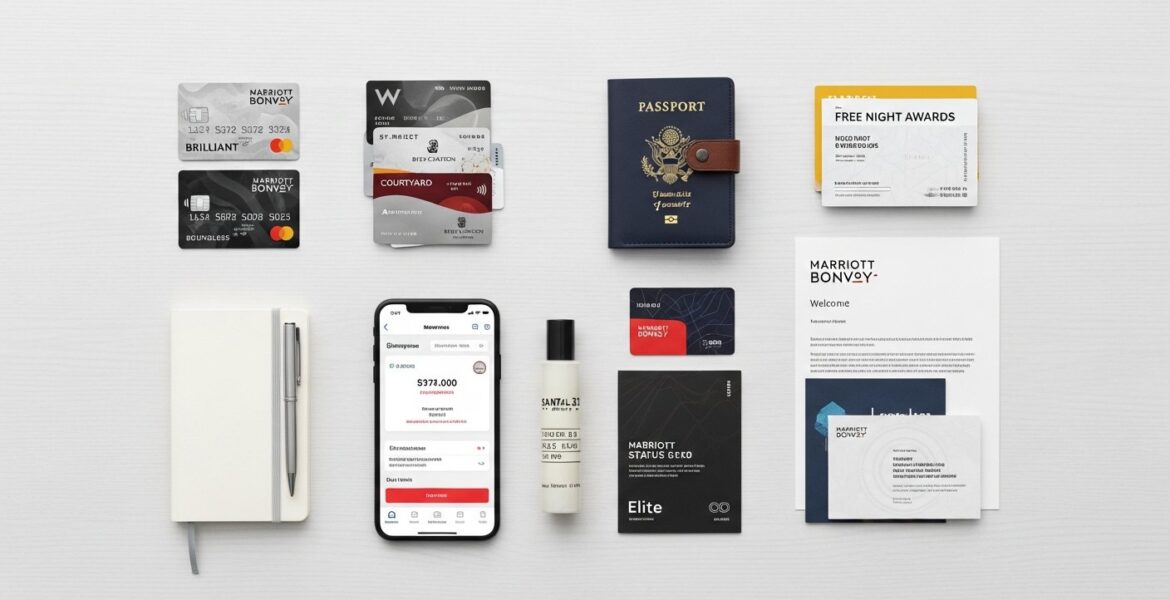
[INLINE IMAGE 2: place after fourth H2 | alt=”credit card transfer partners comparison illustration”]
Maximizing Value: Strategic Approaches to Credit Card Transfer Partners
Simply knowing the transfer partners isn’t enough; true mastery comes from employing strategic approaches that squeeze every bit of value from your points. This involves understanding award charts, timing, and specific “sweet spots.”
Identifying and Exploiting “Sweet Spots”
A “sweet spot” is a redemption that offers disproportionately high value compared to the number of points required. These often arise due to:
- Distance-Based Award Charts: Some airlines (e.g., British Airways Executive Club, Cathay Pacific Asia Miles) use distance-based award charts, which can make short-to-medium haul direct flights incredibly cheap in points, even in business class.
- Region-Based Award Charts with Exceptions: Some programs might price certain regions or specific flights particularly low. For example, using Virgin Atlantic Flying Club to book Delta One business class flights to Europe can sometimes be significantly cheaper than using Delta SkyMiles directly.
- Partner Redemptions: Often, booking a flight on Airline X using miles from Airline Y (a partner) can be cheaper than using Airline X’s own miles. This is because partner award charts can differ or have better availability.
- Fixed-Price Awards for High-Value Properties: Hyatt’s award chart, for instance, offers fixed point prices for categories of hotels. A Category 7 or 8 hotel that might cost $1,000+ per night can be redeemed for 30,000-40,000 points, yielding incredible value.
Examples of Current Sweet Spots (as of 2026):
- United Polaris Business Class to Europe via Air Canada Aeroplan: Transferring Chase or Amex points to Aeroplan often provides lower redemption rates for Star Alliance business class to Europe compared to United’s own dynamic pricing.
- Transcontinental First Class on American Airlines via Etihad Guest (from Citi/Amex/Capital One/Bilt): Using Etihad Guest miles to book American Airlines Flagship First Class can be a fantastic deal for coast-to-coast flights.
- Hyatt Ziva/Zilara All-Inclusive Resorts with Chase/Bilt Points: Exceptional value for family vacations or luxury getaways, often saving thousands of dollars for multi-night stays.
- Japan Airlines Business Class via Cathay Pacific Asia Miles (from Amex/Citi/Capital One/Bilt): Asia Miles can be a great way to book premium cabins on Oneworld partners, with JAL often providing superior service.
Timing Transfers and Leveraging Bonuses
Transfer bonuses are one of the most powerful tools for maximizing value. These promotions, where an issuer offers extra points/miles (e.g., 25% or 40% bonus) when transferring to a specific partner, can significantly stretch your points. Always check goldpoints.com for the latest transfer bonus alerts.
- Be Opportunistic: Don’t transfer points speculatively unless there’s an expiring bonus you can’t resist and a clear redemption in mind. Points are most flexible in their native credit card program.
- Act Fast for Award Space: If you find an amazing award redemption and there’s a transfer bonus, consider acting quickly. Desirable award space, especially in premium cabins, is limited and can disappear quickly.
- Use Tools: Utilize award search tools and aggregators that can help you find availability across multiple airlines simultaneously before you initiate a transfer.
Understanding and Navigating Award Charts
Award charts dictate how many miles/points are needed for a specific flight or hotel stay. They can be fixed (e.g., Hyatt, pre-devaluation airline charts) or dynamic (e.g., Delta SkyMiles, United MileagePlus). A deeper understanding allows for better planning:
- Fixed Charts: These are generally easier to plan around and offer the most consistent value. They are key to finding many sweet spots.
- Dynamic Pricing: While less predictable, dynamic pricing can sometimes offer good deals during off-peak seasons or for less popular routes. However, they often make high-value redemptions more challenging.
- Alliance and Partner Charts: Remember that an airline’s own award chart might differ when you book a flight on a partner airline using their miles. This is a common source of sweet spots.
Flexibility and Diversification of Points
The beauty of transferable points is their inherent flexibility. Instead of collecting miles with a single airline, you collect a versatile currency that can become miles with *any* of their partners. This provides:
- Protection Against Devaluations: If one airline devalues its award chart, you can shift your strategy to another partner.
- Access to More Award Space: By having multiple partners (e.g., Amex and Chase both transferring to Aeroplan), you increase your chances of finding award space across different loyalty programs.
- Tailored Redemptions: Match the best partner to your specific travel goal, whether it’s a luxury hotel in Asia or a business class flight to Europe.
Strategic diversification means having a mix of credit cards that earn points in different ecosystems (e.g., a Chase card for Hyatt redemptions and an Amex card for international airline redemptions).
Considering Taxes, Fees, and Fuel Surcharges
While points cover the base fare, taxes and fees are almost always an additional cost. Some airlines (e.g., British Airways, Virgin Atlantic) are notorious for high fuel surcharges on award tickets, which can significantly reduce the value of your redemption. Others (e.g., United, Avianca) have much lower surcharges. Always factor these cash costs into your value calculation before transferring points.
Learn more about how to maximize your credit card reward points.
Common Pitfalls and How to Avoid Them

While the rewards are immense, navigating the world of credit card transfer partners comes with its own set of potential pitfalls. Being aware of these can save you headaches and ensure your points are always used effectively.
Irreversible Transfers
This is arguably the most critical pitfall: once points are transferred from your credit card issuer to an airline or hotel loyalty program, the transfer is almost always irreversible. You cannot convert airline miles back into credit card points.
- Avoidance Strategy: Always, always, ALWAYS confirm award availability with the airline or hotel partner *before* initiating a transfer. Do not transfer points speculatively unless you have a high degree of certainty about your travel plans and a long-term strategy for using those specific miles/points.
Award Availability Challenges
Just because a flight or hotel is available for purchase with cash doesn’t mean it’s available for redemption with points. Airlines and hotels limit the number of seats or rooms they make available for award bookings.
- Avoidance Strategy: Be flexible with your travel dates and destinations. Search for award availability far in advance (330+ days out for airlines, sometimes up to 12 months for hotels) or very close to departure (last-minute cancellations). Utilize various partner award search engines and tools. Consider connecting flights or alternative airports if direct award space is limited.
Expiration Policies
Your credit card points typically don’t expire as long as your account is open and in good standing. However, once transferred, airline miles and hotel points usually have their own expiration policies, which can range from 12-36 months of inactivity.
- Avoidance Strategy: Understand the expiration policy of each loyalty program you transfer to. Many programs reset the expiration clock with any qualifying activity (earning, redeeming, transferring, even just logging in to your account). Don’t transfer points to an account where they might expire before you can use them.
Minimum Transfer Increments and Fees
Most credit card programs require transfers in specific increments (e.g., 1,000 points). Some also have a minimum transfer amount. Additionally, a few programs, most notably American Express when transferring to US airlines, might impose a small excise tax offset fee (e.g., $0.0006 per point, capped at $99).
- Avoidance Strategy: Be aware of these rules. Ensure you have enough points to meet the minimum and transfer in the correct increments. Factor in any transfer fees into your value calculation.
Tax Implications
While generally not a concern for most personal award redemptions, receiving extremely high-value points or miles as a bonus (especially for business accounts) could, in rare instances, be considered taxable income by some tax authorities. Always consult a tax professional for specific advice.
- Avoidance Strategy: For the vast majority of personal travelers, this is a non-issue. Just be aware that technically, the IRS views points as a discount rather than income for personal use.
Devaluations and Program Changes
Loyalty programs are dynamic. Award charts can be devalued (meaning more points are required for the same redemption), partners can be added or removed, and transfer ratios can change without much notice. This is an inherent risk in collecting points.
- Avoidance Strategy: Stay informed by following reputable points and miles blogs (like goldpoints!). Maintain flexibility by not transferring all your points to one program unless you have an immediate, confirmed redemption. Diversify your points across different transferable programs. Earn and Burn: Don’t hoard points indefinitely; use them for aspirational travel within a reasonable timeframe.
Over-Reliance on a Single Program
While it’s smart to focus on a few programs to maximize earning, putting all your eggs in one basket (e.g., only earning Chase points for United) can limit your options if a devaluation occurs or if award space on that specific airline is consistently poor.
- Avoidance Strategy: Diversify your earning strategy across 2-3 major transferable points programs (e.g., Chase, Amex, Capital One). This gives you access to a broader range of partners and hedging against individual program changes.
Discover advanced travel points strategies for expert travelers.
Choosing the Right Credit Card for Transfer Partners
Selecting the optimal credit card is the foundation of a successful points and miles strategy. It’s not just about earning points; it’s about earning the *right* points for *your* travel goals.
Assess Your Travel Goals and Preferences
Before applying for any card, ask yourself:
- Where do you want to go? Domestic, international, specific regions?
- How do you like to travel? Economy, business, first class? Budget hotels, luxury resorts, all-inclusive?
- Which airlines/hotel chains do you frequently use or aspire to use? Do you have loyalty status with any?
- How flexible are your travel dates?
- What is your annual spending? This impacts how quickly you can earn points for large redemptions.
For instance, if your dream is to fly international business class, American Express Membership Rewards or Chase Ultimate Rewards might be your priority. If luxury hotel stays are your focus, Chase Ultimate Rewards (for Hyatt) or Bilt Rewards (for Hyatt and potentially American Airlines) could be stronger contenders.
Consider Earning Categories and Bonus Multipliers
Different credit cards offer bonus points on specific spending categories. Aligning your spending with these categories is key to accumulating points quickly.
- Travel: Many premium travel cards offer 2x-5x points on travel-related purchases.
- Dining: A common bonus category for many cards.
- Groceries: Some cards offer excellent multipliers for supermarket spending.
- Everyday Spending: Cards that offer 1.5x or 2x points on all purchases are great for non-bonused spending.
- Rent: Bilt Rewards cards uniquely earn points on rent payments.
Choose cards whose bonus categories match your largest spending areas. For example, if you spend a lot on dining and travel, cards like the Chase Sapphire Reserve or American Express Gold Card could be ideal.
Annual Fees vs. Benefits
Premium travel cards often come with high annual fees ($95 to $695+). However, these fees are typically offset by valuable benefits such as:
- Travel Credits: Statement credits for airline fees, hotel stays, or general travel purchases.
- Lounge Access: Priority Pass, Delta Sky Club, Centurion Lounges, etc.
- Elite Status: Automatic elite status with hotel chains or car rental companies.
- Travel Insurance: Trip cancellation/interruption insurance, primary rental car insurance.
- Other Perks: Global Entry/TSA PreCheck credits, dining credits, entertainment credits.
Carefully calculate if the value you derive from a card’s benefits, including the ability to transfer points for high-value redemptions, outweighs its annual fee.
“The Trifecta” and “Quadfecta” Strategies
Many points enthusiasts employ “trifecta” or “quadfecta” strategies, combining multiple cards from a single issuer to maximize earning potential and flexibility. The idea is to have one card for premium travel benefits and point transfers, and other cards for optimized earning in specific bonus categories. Points from these lower-tier cards can often be combined with the premium card for transfer.
- Chase Trifecta: e.g., Chase Sapphire Reserve/Preferred (travel, dining, premium benefits, transfers) + Chase Freedom Unlimited (1.5x on everything) + Chase Freedom Flex (5x rotating categories).
- Amex Quadfecta: e.g., Amex Platinum (travel, lounge, premium benefits) + Amex Gold (dining, groceries) + Amex Green (transit, travel) + Amex Everyday Preferred (everyday spending).
These strategies allow you to pool points into a single, highly flexible transferable currency.
Understanding Application Rules and Limitations
Be aware of issuer-specific application rules:
- Chase 5/24 Rule: If you’ve opened 5 or more personal credit cards across all issuers in the last 24 months, you’ll likely be denied for most Chase cards.
- Amex Welcome Offer Rules: American Express generally limits welcome offers to once per lifetime for each product.
- Citi 24/48 Month Rules: Citi has rules restricting earning welcome bonuses on certain cards if you’ve opened or closed other Citi cards within specified timeframes.
Planning your applications strategically is essential to maximize welcome bonuses and avoid being shut out of valuable cards.
Start with a Strong Welcome Bonus
The quickest way to accumulate a large stash of points is through credit card welcome bonuses. Aim for cards offering substantial bonuses that you can realistically meet the spending requirements for. A single welcome bonus can often be enough for a round-trip international business class flight or several nights at a luxury hotel.
Explore the best credit card rewards programs for your lifestyle.
Future Trends and Evolution of Credit Card Transfer Partners

The landscape of credit card transfer partners is not static; it’s constantly evolving. Staying ahead of these trends can help you adapt your strategy and continue to maximize your travel rewards in 2026 and beyond.
Increased Focus on Niche and Smaller Loyalty Programs
As the major programs mature, issuers may seek out smaller, less common, but potentially valuable loyalty programs to add to their partner lists. Bilt Rewards’ early success with American Airlines is a prime example of this. Expect more strategic partnerships that offer unique value propositions not found across all major issuers.
- Implication for Consumers: It will become increasingly important to research beyond the obvious airline and hotel giants. Deep dives into smaller programs could reveal new sweet spots.
Enhanced Digital Integration and User Experience
As technology advances, expect more seamless integration between credit card rewards portals and transfer partners. This could include:
- Real-time Award Availability: While still a dream for many, some limited forms of real-time award availability checks directly from the credit card portal might emerge, reducing the need to jump between websites.
- Personalized Recommendations: AI-driven suggestions for transfer partners based on your spending habits, travel history, and stated preferences.
- Instant Transfers as the Standard: More partners will likely move towards instant transfers to enhance user experience and allow for quicker award bookings.
The Rise of “Lifestyle” and Non-Travel Partners
While this article focuses on travel, some transferable points programs are starting to explore partnerships with non-travel entities (e.g., dining experiences, shopping credits, unique events). While these often offer lower redemption values, they cater to a broader audience.
- Implication for Consumers: For pure travel maximizers, these might be less relevant. However, for those who value flexibility across various lifestyle aspects, these could be interesting additions. The key will always be to compare the redemption value.
Greater Emphasis on Sustainability in Travel Rewards
With growing environmental consciousness, some programs might start offering options for offsetting carbon footprints using points, or partnering with eco-friendly travel providers. This is a nascent trend but one that could gain traction.
- Implication for Consumers: Travelers might gain options to align their points redemptions with their values, though the value proposition of such redemptions will need careful scrutiny.
Continuous Evolution of Award Charts and Devaluations
Devaluations are an unfortunate but inevitable part of the loyalty program world. Airlines and hotels adjust their award charts based on market demand, operational costs, and competitive pressures. Expect this trend to continue, making “earn and burn” strategies more relevant than ever.
- Implication for Consumers: Diversification of points across different programs becomes even more critical. Staying updated on program changes and being agile in your redemption strategy will be paramount.
Increased Competition Among Transferable Currencies
With more players like Bilt entering the market and established players constantly refining their offerings, the competition for your spending is fierce. This can lead to better welcome bonuses, more transfer bonuses, and potentially better earning rates in the short term.
- Implication for Consumers: This competitive landscape is generally good for consumers, offering more choices and potentially better value. However, it also requires more due diligence to pick the best cards and strategies.
The future of credit card transfer partners will likely involve a blend of innovation, continued optimization for profitability, and responsiveness to consumer demands. By staying informed and flexible, you can continue to harness the immense power of these programs for your travel aspirations.
Conclusion: Master Credit Card Transfer Partners for Unrivaled Travel Experiences
The journey to mastering credit card transfer partners is an ongoing one, filled with learning, strategy, and adaptation. It’s a journey that transforms the mundane act of paying bills into a powerful engine for incredible travel experiences, from luxurious first-class flights to exotic hotel stays that once seemed out of reach.
At goldpoints, our mission is to empower you with the knowledge and tools to navigate this complex yet rewarding landscape. We’ve explored the fundamental mechanics, delved into the specifics of each major credit card ecosystem, uncovered strategies for maximizing value, and highlighted the common pitfalls to avoid. We’ve also looked ahead, recognizing that this dynamic field will continue to evolve, requiring constant vigilance and a proactive approach.
The key takeaway is clear: your credit card points are more than just a digital balance; they are a currency with immense potential. By understanding which credit cards align with your spending habits and travel goals, strategically accumulating points, and intelligently transferring them to the right partners at the right time, you can unlock value far beyond what simple cash redemptions offer. You can turn ordinary expenses into extraordinary memories.
Whether you’re aiming for a dream vacation, a business class upgrade, or simply want to travel more efficiently, mastering credit card transfer partners is the most impactful skill in the points and miles playbook. Start by identifying your ideal travel experiences, research the partners that can get you there, and then choose the credit cards that best feed those programs. With a thoughtful approach, the world truly becomes your oyster, paid for with the points you’ve smartly earned.
Keep learning, keep exploring, and let goldpoints be your trusted guide as you unlock the full potential of your credit card rewards.
Frequently Asked Questions
Q1: What are credit card transfer partners?
A1: Credit card transfer partners are airline and hotel loyalty programs that allow you to convert your credit card reward points (e.g., Chase Ultimate Rewards, American Express Membership Rewards) directly into their respective airline miles or hotel points. This process typically offers higher value than redeeming points directly for cash or through the credit card issuer’s travel portal, especially for premium travel experiences.
Q2: Why should I transfer my credit card points instead of booking through the issuer’s portal?
A2: Transferring points to partners often unlocks significantly greater value, allowing you to redeem for aspirational awards like first-class flights or luxury hotel suites that would be very expensive with cash or through the portal. It also provides access to specific award space only available through loyalty programs and allows you to leverage transfer bonuses to get even more miles/points.
Q3: Which credit card programs have the best transfer partners?
Credit Card Transfer Partners: Unlocking Elite Travel Rewards and Experiences
By goldpoints Editorial Team — Senior editors with 10+ years of subject-matter experience.
Published 2026-05-26 · Last Updated 2026-05-26
Affiliate disclosure: This article may contain affiliate links. Recommendations are independent and editorially driven.
In the vast and intricate world of credit card rewards, few strategies offer as much potential for outsized value as leveraging credit card transfer partners. While cashback or direct point redemption can be convenient, the true power of premium travel credit cards lies in their ability to convert your accumulated points into airline miles or hotel loyalty points. This conversion opens doors to first-class flights, luxurious hotel stays, and experiences that would otherwise be astronomically expensive.
For the savvy traveler and points enthusiast, understanding and strategically utilizing transfer partners is not just an option—it’s a necessity. It transforms your credit card points from a simple discount mechanism into a powerful currency capable of funding incredible journeys. At goldpoints, we’ve spent years dissecting these systems, and we’re here to provide a comprehensive guide to navigating the landscape of credit card transfer partners, ensuring you maximize every point you earn.
Understanding the Mechanics of Credit Card Transfer Partners
At its core, transferring credit card points to a travel partner involves converting a generic rewards currency (like Chase Ultimate Rewards or American Express Membership Rewards) into a specific airline’s frequent flyer miles or a hotel chain’s loyalty points. This process is distinct from simply booking travel directly through your credit card issuer’s portal.
What Are Transfer Partners?
Transfer partners are airlines and hotel chains that have agreements with major credit card issuers to accept points transfers. For example, American Express Membership Rewards points can be transferred to Delta SkyMiles, Emirates Skywards, or Marriott Bonvoy, among many others. Each credit card ecosystem (e.g., Chase Ultimate Rewards, Citi ThankYou Points, Capital One Miles) has its own unique set of partners, often with overlaps and exclusive relationships.
Why Transfer Points? The Value Proposition
The primary reason to transfer points is to unlock significantly greater value than you’d typically get through other redemption methods. Here’s why:
- Outsized Redemption Value: While points are often valued at a fixed rate (e.g., 1 cent per point) when redeemed for cash back or through a travel portal, transferring them to airline or hotel partners can yield values of 2 cents, 3 cents, or even 5+ cents per point for premium cabin flights or high-end hotel stays. Imagine turning a $500 cash equivalent of points into a business class flight worth $3,000.
- Access to Specific Awards: Many aspirational travel experiences—think international first class on ANA, a suite at a Park Hyatt, or a round-the-world itinerary using alliance partners—are only bookable with airline miles or hotel points. Your credit card issuer’s travel portal simply doesn’t offer these complex award redemptions.
- Flexibility with Loyalty Programs: By accumulating transferable points, you maintain flexibility until you have a specific travel goal. Instead of being locked into one airline or hotel program, you can choose the partner that offers the best redemption for your desired trip.
- Leveraging Transfer Bonuses: Credit card issuers frequently offer promotional transfer bonuses, adding 15-50% more miles or points when you transfer to a specific partner during a limited window. These bonuses can dramatically increase the value of your points.
The Transfer Process: Step-by-Step
While specifics vary slightly by issuer, the general process for transferring points is as follows:
- Research Award Availability: Before transferring, always check the availability of the flight or hotel you want directly on the airline or hotel partner’s website. Points transfers are almost always irreversible.
- Link Loyalty Accounts: You’ll need an active loyalty account (e.g., a frequent flyer number or hotel loyalty ID) with the desired transfer partner. If you don’t have one, it’s usually free and quick to create.
- Initiate Transfer: Log in to your credit card rewards portal and navigate to the “Transfer Points” or “Travel Partners” section. Select the desired partner and enter your loyalty account number.
- Specify Amount: Enter the number of points you wish to transfer. Most issuers require transfers in specific increments (e.g., 1,000 points).
- Confirm and Wait: Review the details and confirm the transfer. Transfer times can vary widely, from instant (e.g., Chase to United, Amex to Delta) to several business days (e.g., Capital One to Turkish Airlines, some hotel transfers).
Understanding these fundamental aspects is the first step toward becoming a master of points and miles.
[INLINE IMAGE 1: place after second H2 | alt=”credit card transfer partners concept illustration”]
The Major Credit Card Transfer Partner Ecosystems
Different credit card issuers offer distinct sets of transfer partners, each with its own strengths and strategic advantages. Understanding these ecosystems is crucial for deciding which credit cards best align with your travel goals.
Chase Ultimate Rewards
Chase Ultimate Rewards is renowned for its instant transfers to several key airline and hotel partners, making it incredibly flexible for last-minute award bookings. The program is particularly strong for domestic travel within the US and international trips leveraging Star Alliance and SkyTeam airlines.
Key Airline Partners:
- United Airlines (Star Alliance): Excellent for domestic and international flights, especially to Europe and Asia.
- Southwest Airlines: Ideal for domestic US flights and short-haul international travel.
- Air Canada Aeroplan (Star Alliance): Fantastic for booking flights on numerous Star Alliance carriers globally, often with competitive redemption rates.
- British Airways Executive Club (Oneworld): Great for short-haul flights in regions like Europe and Asia due to its distance-based award chart, also good for flights on American Airlines within the US.
- Virgin Atlantic Flying Club (SkyTeam partner access): Often a “sweet spot” for flights on Delta, Air France, and KLM, especially in business class.
- Other notable partners include Singapore Airlines KrisFlyer (Star Alliance), Iberia Plus (Oneworld), Emirates Skywards, and JetBlue TrueBlue.
Key Hotel Partners:
- Hyatt Globalist: Consistently considered the best hotel transfer partner, offering exceptional value for luxury and mid-tier hotels globally.
- Marriott Bonvoy: While not always offering the highest value, it provides access to a massive portfolio of hotels worldwide.
- IHG One Rewards: Offers access to IHG’s extensive network.
Strategic Advantage:
Chase Ultimate Rewards points are highly valuable due to their versatility and the strength of partners like United and Hyatt. Many transfers are instant, which is critical for securing popular award space. The ability to combine points across different Chase cards (e.g., Sapphire Preferred, Sapphire Reserve, Freedom Flex) into one pool for transfer maximizes flexibility.
American Express Membership Rewards
American Express Membership Rewards offers the largest and most diverse set of transfer partners, with a strong emphasis on international airline partners. This program is a favorite among those looking for premium international travel experiences.
Key Airline Partners:
- Delta SkyMiles (SkyTeam): A primary partner for domestic and international travel, though redemption values can vary widely.
- Air Canada Aeroplan (Star Alliance): Shares this partner with Chase, offering similar great value for Star Alliance flights.
- British Airways Executive Club (Oneworld): Another shared partner, useful for short-haul flights and Oneworld redemptions.
- Emirates Skywards: Popular for luxurious First Class and Business Class experiences on Emirates.
- Cathay Pacific Asia Miles (Oneworld): Excellent for Oneworld flights, especially long-haul business and first class.
- Singapore Airlines KrisFlyer (Star Alliance): Access to Singapore Airlines’ highly regarded premium cabins.
- ANA Mileage Club (Star Alliance): Fantastic for round-the-world tickets and business/first class to Japan.
- Other significant partners include Qantas Frequent Flyer, Etihad Guest, Hawaiian Airlines, KLM/Air France Flying Blue, and Virgin Atlantic Flying Club.
Key Hotel Partners:
- Marriott Bonvoy: A 1:1 transfer ratio, providing access to Marriott’s vast network.
- Hilton Honors: A 1:2 transfer ratio (e.g., 1,000 Amex points = 2,000 Hilton points), which can be good for high-end Hilton redemptions.
Strategic Advantage:
Amex Membership Rewards shines with its extensive international airline partners, making it ideal for aspirational flights. Frequent transfer bonuses significantly boost the value. The sheer volume of partners means more options for nearly any travel destination.
Citi ThankYou Points
Citi ThankYou Points has evolved into a robust transfer program, particularly strong for international travel with a good mix of airline alliances. It often offers unique partners not found in other ecosystems.
Key Airline Partners:
- Turkish Airlines Miles&Smiles (Star Alliance): Known for extremely competitive redemption rates for flights on Star Alliance partners, especially to Europe.
- EVA Air Infinity MileageLands (Star Alliance): Another strong Star Alliance option.
- Virgin Atlantic Flying Club: Shared with Chase and Amex, useful for redemptions on partners like Delta.
- Singapore Airlines KrisFlyer (Star Alliance): Shared with Amex and Chase, providing access to premium cabins.
- Avianca LifeMiles (Star Alliance): Offers good value for Star Alliance flights, often with low taxes and fees.
- Other partners include Qatar Airways Privilege Club (Oneworld), Cathay Pacific Asia Miles (Oneworld), Etihad Guest, and KLM/Air France Flying Blue.
Key Hotel Partners:
- Choice Privileges: Can offer surprising value for hotel redemptions in certain regions, particularly Scandinavia and Japan.
Strategic Advantage:
Citi’s strong ties to Star Alliance partners like Turkish Airlines and Avianca provide excellent opportunities for premium cabin redemptions. The program is often underrated but can provide immense value for those willing to learn its sweet spots.
Capital One Miles
Capital One Miles has rapidly ascended in the transfer partner landscape, offering a compelling roster of airlines and hotels with a straightforward 1:1 transfer ratio for most partners. It’s an excellent choice for those seeking simplicity and solid international coverage.
Key Airline Partners:
- Air Canada Aeroplan (Star Alliance): A universally strong partner.
- British Airways Executive Club (Oneworld): Good for short-haul flights.
- Avianca LifeMiles (Star Alliance): Offers competitive Star Alliance redemptions.
- Virgin Red (allows transfers to Virgin Atlantic Flying Club): Access to SkyTeam partners and Virgin Atlantic.
- Turkish Airlines Miles&Smiles (Star Alliance): Shared with Citi, offering great value for Star Alliance.
- Etihad Guest: Can be used for redemptions on Etihad Airways and its partners.
- Other partners include Cathay Pacific Asia Miles (Oneworld), Finnair Plus (Oneworld), EVA Air Infinity MileageLands (Star Alliance), and KLM/Air France Flying Blue.
Key Hotel Partners:
- Wyndham Rewards: Can offer good value for certain hotel stays.
- Accor Live Limitless: Provides access to a wide range of hotels globally.
Strategic Advantage:
Capital One Miles stands out for its straightforward 1:1 transfer ratio to most of its partners, making value calculations simple. The program is particularly strong for international travel, with a diverse range of airline partners across all three major alliances and independent carriers.
Bilt Rewards
Bilt Rewards is a relatively newer player but has quickly made a significant impact by allowing users to earn points on rent payments without transaction fees. Its transfer partner list is exceptionally strong, rivaling the major issuers.
Key Airline Partners:
- American Airlines AAdvantage (Oneworld): Unique as Bilt is the only major transferable points program to partner with American, offering access to their domestic and international network.
- United Airlines MileagePlus (Star Alliance): Shared with Chase, excellent for Star Alliance flights.
- Air Canada Aeroplan (Star Alliance): Another strong Star Alliance option.
- Turkish Airlines Miles&Smiles (Star Alliance): Excellent for Star Alliance redemptions, shared with Capital One and Citi.
- Cathay Pacific Asia Miles (Oneworld): Shared with Amex, Citi, and Capital One.
- Other partners include Virgin Atlantic Flying Club, Hawaiian Airlines, and KLM/Air France Flying Blue.
Key Hotel Partners:
- Hyatt Globalist: Shares this top-tier hotel partner with Chase, offering incredible value.
Strategic Advantage:
Bilt Rewards’ standout feature is its partnership with American Airlines AAdvantage, a rare and valuable direct transfer option. Combined with Hyatt and other strong Star Alliance partners, Bilt offers an exceptionally powerful and diverse set of options for travelers, especially those looking to maximize rent payments.
Here’s a comparative overview of the major credit card transfer programs and some of their key features:
| Credit Card Program | Number of Airline Partners | Number of Hotel Partners | Notable Strengths/Exclusive Partners | Common Transfer Ratio | Typical Transfer Time |
|---|---|---|---|---|---|
| Chase Ultimate Rewards | 11 | 3 | Hyatt (best hotel value), United (strong Star Alliance), Southwest | 1:1 for most | Mostly instant |
| American Express Membership Rewards | 18+ | 3 | Largest airline partner list, frequent transfer bonuses, Delta, ANA, Singapore Airlines | 1:1 for most; Hilton 1:2 | Mostly instant, some 1-2 days |
| Citi ThankYou Points | 15+ | 2 | Strong Star Alliance options (Turkish, Avianca), Qatar Airways, EVA Air | 1:1 for most; Choice 1:2 | Mostly instant, some 1-2 days |
| Capital One Miles | 15+ | 4 | Simple 1:1 ratio for most partners, good mix across all alliances, Turkish, Avianca | 1:1 for most; Accor 2:1 | Mostly instant, some 1-2 days |
| Bilt Rewards | 14 | 2 | American Airlines (exclusive), Hyatt (top hotel value), United, Turkish | 1:1 for all | Mostly instant, some 1-2 days |
[INLINE IMAGE 2: place after fourth H2 | alt=”credit card transfer partners comparison illustration”]
Maximizing Value: Strategic Approaches to Credit Card Transfer Partners
Simply knowing the transfer partners isn’t enough; true mastery comes from employing strategic approaches that squeeze every bit of value from your points. This involves understanding award charts, timing, and specific “sweet spots.”
Identifying and Exploiting “Sweet Spots”
A “sweet spot” is a redemption that offers disproportionately high value compared to the number of points required. These often arise due to:
- Distance-Based Award Charts: Some airlines (e.g., British Airways Executive Club, Cathay Pacific Asia Miles) use distance-based award charts, which can make short-to-medium haul direct flights incredibly cheap in points, even in business class.
- Region-Based Award Charts with Exceptions: Some programs might price certain regions or specific flights particularly low. For example, using Virgin Atlantic Flying Club to book Delta One business class flights to Europe can sometimes be significantly cheaper than using Delta SkyMiles directly.
- Partner Redemptions: Often, booking a flight on Airline X using miles from Airline Y (a partner) can be cheaper than using Airline X’s own miles. This is because partner award charts can differ or have better availability.
- Fixed-Price Awards for High-Value Properties: Hyatt’s award chart, for instance, offers fixed point prices for categories of hotels. A Category 7 or 8 hotel that might cost $1,000+ per night can be redeemed for 30,000-40,000 points, yielding incredible value.
Examples of Current Sweet Spots (as of 2026):
- United Polaris Business Class to Europe via Air Canada Aeroplan: Transferring Chase or Amex points to Aeroplan often provides lower redemption rates for Star Alliance business class to Europe compared to United’s own dynamic pricing.
- Transcontinental First Class on American Airlines via Etihad Guest (from Citi/Amex/Capital One/Bilt): Using Etihad Guest miles to book American Airlines Flagship First Class can be a fantastic deal for coast-to-coast flights.
- Hyatt Ziva/Zilara All-Inclusive Resorts with Chase/Bilt Points: Exceptional value for family vacations or luxury getaways, often saving thousands of dollars for multi-night stays.
- Japan Airlines Business Class via Cathay Pacific Asia Miles (from Amex/Citi/Capital One/Bilt): Asia Miles can be a great way to book premium cabins on Oneworld partners, with JAL often providing superior service.
Timing Transfers and Leveraging Bonuses
Transfer bonuses are one of the most powerful tools for maximizing value. These promotions, where an issuer offers extra points/miles (e.g., 25% or 40% bonus) when transferring to a specific partner, can significantly stretch your points. Always check goldpoints.com for the latest transfer bonus alerts.
- Be Opportunistic: Don’t transfer points speculatively unless there’s an expiring bonus you can’t resist and a clear redemption in mind. Points are most flexible in their native credit card program.
- Act Fast for Award Space: If you find an amazing award redemption and there’s a transfer bonus, consider acting quickly. Desirable award space, especially in premium cabins, is limited and can disappear quickly.
- Use Tools: Utilize award search tools and aggregators that can help you find availability across multiple airlines simultaneously before you initiate a transfer.
Understanding and Navigating Award Charts
Award charts dictate how many miles/points are needed for a specific flight or hotel stay. They can be fixed (e.g., Hyatt, pre-devaluation airline charts) or dynamic (e.g., Delta SkyMiles, United MileagePlus). A deeper understanding allows for better planning:
- Fixed Charts: These are generally easier to plan around and offer the most consistent value. They are key to finding many sweet spots.
- Dynamic Pricing: While less predictable, dynamic pricing can sometimes offer good deals during off-peak seasons or for less popular routes. However, they often make high-value redemptions more challenging.
- Alliance and Partner Charts: Remember that an airline’s own award chart might differ when you book a flight on a partner airline using their miles. This is a common source of sweet spots.
Flexibility and Diversification of Points
The beauty of transferable points is their inherent flexibility. Instead of collecting miles with a single airline, you collect a versatile currency that can become miles with *any* of their partners. This provides:
- Protection Against Devaluations: If one airline devalues its award chart, you can shift your strategy to another partner.
- Access to More Award Space: By having multiple partners (e.g., Amex and Chase both transferring to Aeroplan), you increase your chances of finding award space across different loyalty programs.
- Tailored Redemptions: Match the best partner to your specific travel goal, whether it’s a luxury hotel in Asia or a business class flight to Europe.
Strategic diversification means having a mix of credit cards that earn points in different ecosystems (e.g., a Chase card for Hyatt redemptions and an Amex card for international airline redemptions).
Considering Taxes, Fees, and Fuel Surcharges
While points cover the base fare, taxes and fees are almost always an additional cost. Some airlines (e.g., British Airways, Virgin Atlantic) are notorious for high fuel surcharges on award tickets, which can significantly reduce the value of your redemption. Others (e.g., United, Avianca) have much lower surcharges. Always factor these cash costs into your value calculation before transferring points.
Learn more about how to maximize your credit card reward points.
Common Pitfalls and How to Avoid Them
While the rewards are immense, navigating the world of credit card transfer partners comes with its own set of potential pitfalls. Being aware of these can save you headaches and ensure your points are always used effectively.
Irreversible Transfers
This is arguably the most critical pitfall: once points are transferred from your credit card issuer to an airline or hotel loyalty program, the transfer is almost always irreversible. You cannot convert airline miles back into credit card points.
- Avoidance Strategy: Always, always, ALWAYS confirm award availability with the airline or hotel partner *before* initiating a transfer. Do not transfer points speculatively unless you have a high degree of certainty about your travel plans and a long-term strategy for using those specific miles/points.
Award Availability Challenges
Just because a flight or hotel is available for purchase with cash doesn’t mean it’s available for redemption with points. Airlines and hotels limit the number of seats or rooms they make available for award bookings.
- Avoidance Strategy: Be flexible with your travel dates and destinations. Search for award availability far in advance (330+ days out for airlines, sometimes up to 12 months for hotels) or very close to departure (last-minute cancellations). Utilize various partner award search engines and tools. Consider connecting flights or alternative airports if direct award space is limited.
Expiration Policies
Your credit card points typically don’t expire as long as your account is open and in good standing. However, once transferred, airline miles and hotel points usually have their own expiration policies, which can range from 12-36 months of inactivity.
- Avoidance Strategy: Understand the expiration policy of each loyalty program you transfer to. Many programs reset the expiration clock with any qualifying activity (earning, redeeming, transferring, even just logging in to your account). Don’t transfer points to an account where they might expire before you can use them.
Minimum Transfer Increments and Fees
Most credit card programs require transfers in specific increments (e.g., 1,000 points). Some also have a minimum transfer amount. Additionally, a few programs, most notably American Express when transferring to US airlines, might impose a small excise tax offset fee (e.g., $0.0006 per point, capped at $99).
- Avoidance Strategy: Be aware of these rules. Ensure you have enough points to meet the minimum and transfer in the correct increments. Factor in any transfer fees into your value calculation.
Tax Implications
While generally not a concern for most personal award redemptions, receiving extremely high-value points or miles as a bonus (especially for business accounts) could, in rare instances, be considered taxable income by some tax authorities. Always consult a tax professional for specific advice.
- Avoidance Strategy: For the vast majority of personal travelers, this is a non-issue. Just be aware that technically, the IRS views points as a discount rather than income for personal use.
Devaluations and Program Changes
Loyalty programs are dynamic. Award charts can be devalued (meaning more points are required for the same redemption), partners can be added or removed, and transfer ratios can change without much notice. This is an inherent risk in collecting points.
- Avoidance Strategy: Stay informed by following reputable points and miles blogs (like goldpoints!). Maintain flexibility by not transferring all your points to one program unless you have an immediate, confirmed redemption. Diversify your points across different transferable programs. Earn and Burn: Don’t hoard points indefinitely; use them for aspirational travel within a reasonable timeframe.
Over-Reliance on a Single Program
While it’s smart to focus on a few programs to maximize earning, putting all your eggs in one basket (e.g., only earning Chase points for United) can limit your options if a devaluation occurs or if award space on that specific airline is consistently poor.
- Avoidance Strategy: Diversify your earning strategy across 2-3 major transferable points programs (e.g., Chase, Amex, Capital One). This gives you access to a broader range of partners and hedging against individual program changes.
Discover advanced travel points strategies for expert travelers.
Choosing the Right Credit Card for Transfer Partners
Selecting the optimal credit card is the foundation of a successful points and miles strategy. It’s not just about earning points; it’s about earning the *right* points for *your* travel goals.
Assess Your Travel Goals and Preferences
Before applying for any card, ask yourself:
- Where do you want to go? Domestic, international, specific regions?
- How do you like to travel? Economy, business, first class? Budget hotels, luxury resorts, all-inclusive?
- Which airlines/hotel chains do you frequently use or aspire to use? Do you have loyalty status with any?
- How flexible are your travel dates?
- What is your annual spending? This impacts how quickly you can earn points for large redemptions.
For instance, if your dream is to fly international business class, American Express Membership Rewards or Chase Ultimate Rewards might be your priority. If luxury hotel stays are your focus, Chase Ultimate Rewards (for Hyatt) or Bilt Rewards (for Hyatt and potentially American Airlines) could be stronger contenders.
Consider Earning Categories and Bonus Multipliers
Different credit cards offer bonus points on specific spending categories. Aligning your spending with these categories is key to accumulating points quickly.
- Travel: Many premium travel cards offer 2x-5x points on travel-related purchases.
- Dining: A common bonus category for many cards.
- Groceries: Some cards offer excellent multipliers for supermarket spending.
- Everyday Spending: Cards that offer 1.5x or 2x points on all purchases are great for non-bonused spending.
- Rent: Bilt Rewards cards uniquely earn points on rent payments.
Choose cards whose bonus categories match your largest spending areas. For example, if you spend a lot on dining and travel, cards like the Chase Sapphire Reserve or American Express Gold Card could be ideal.
Annual Fees vs. Benefits
Premium travel cards often come with high annual fees ($95 to $695+). However, these fees are typically offset by valuable benefits such as:
- Travel Credits: Statement credits for airline fees, hotel stays, or general travel purchases.
- Lounge Access: Priority Pass, Delta Sky Club, Centurion Lounges, etc.
- Elite Status: Automatic elite status with hotel chains or car rental companies.
- Travel Insurance: Trip cancellation/interruption insurance, primary rental car insurance.
- Other Perks: Global Entry/TSA PreCheck credits, dining credits, entertainment credits.
Carefully calculate if the value you derive from a card’s benefits, including the ability to transfer points for high-value redemptions, outweighs its annual fee.
“The Trifecta” and “Quadfecta” Strategies
Many points enthusiasts employ “trifecta” or “quadfecta” strategies, combining multiple cards from a single issuer to maximize earning potential and flexibility. The idea is to have one card for premium travel benefits and point transfers, and other cards for optimized earning in specific bonus categories. Points from these lower-tier cards can often be combined with the premium card for transfer.
- Chase Trifecta: e.g., Chase Sapphire Reserve/Preferred (travel, dining, premium benefits, transfers) + Chase Freedom Unlimited (1.5x on everything) + Chase Freedom Flex (5x rotating categories).
- Amex Quadfecta: e.g., Amex Platinum (travel, lounge, premium benefits) + Amex Gold (dining, groceries) + Amex Green (transit, travel) + Amex Everyday Preferred (everyday spending).
These strategies allow you to pool points into a single, highly flexible transferable currency.
Understanding Application Rules and Limitations
Be aware of issuer-specific application rules:
- Chase 5/24 Rule: If you’ve opened 5 or more personal credit cards across all issuers in the last 24 months, you’ll likely be denied for most Chase cards.
- Amex Welcome Offer Rules: American Express generally limits welcome offers to once per lifetime for each product.
- Citi 24/48 Month Rules: Citi has rules restricting earning welcome bonuses on certain cards if you’ve opened or closed other Citi cards within specified timeframes.
Planning your applications strategically is essential to maximize welcome bonuses and avoid being shut out of valuable cards.
Start with a Strong Welcome Bonus
The quickest way to accumulate a large stash of points is through credit card welcome bonuses. Aim for cards offering substantial bonuses that you can realistically meet the spending requirements for. A single welcome bonus can often be enough for a round-trip international business class flight or several nights at a luxury hotel.
Explore the best credit card rewards programs for your lifestyle.
Future Trends and Evolution of Credit Card Transfer Partners
The landscape of credit card transfer partners is not static; it’s constantly evolving. Staying ahead of these trends can help you adapt your strategy and continue to maximize your travel rewards in 2026 and beyond.
Increased Focus on Niche and Smaller Loyalty Programs
As the major programs mature, issuers may seek out smaller, less common, but potentially valuable loyalty programs to add to their partner lists. Bilt Rewards’ early success with American Airlines is a prime example of this. Expect more strategic partnerships that offer unique value propositions not found across all major issuers.
- Implication for Consumers: It will become increasingly important to research beyond the obvious airline and hotel giants. Deep dives into smaller programs could reveal new sweet spots.
Enhanced Digital Integration and User Experience
As technology advances, expect more seamless integration between credit card rewards portals and transfer partners. This could include:
- Real-time Award Availability: While still a dream for many, some limited forms of real-time award availability checks directly from the credit card portal might emerge, reducing the need to jump between websites.
- Personalized Recommendations: AI-driven suggestions for transfer partners based on your spending habits, travel history, and stated preferences.
- Instant Transfers as the Standard: More partners will likely move towards instant transfers to enhance user experience and allow for quicker award bookings.
The Rise of “Lifestyle” and Non-Travel Partners
While this article focuses on travel, some transferable points programs are starting to explore partnerships with non-travel entities (e.g., dining experiences, shopping credits, unique events). While these often offer lower redemption values, they cater to a broader audience.
- Implication for Consumers: For pure travel maximizers, these might be less relevant. However, for those who value flexibility across various lifestyle aspects, these could be interesting additions. The key will always be to compare the redemption value.
Greater Emphasis on Sustainability in Travel Rewards
With growing environmental consciousness, some programs might start offering options for offsetting carbon footprints using points, or partnering with eco-friendly travel providers. This is a nascent trend but one that could gain traction.
- Implication for Consumers: Travelers might gain options to align their points redemptions with their values, though the value proposition of such redemptions will need careful scrutiny.
Continuous Evolution of Award Charts and Devaluations
Devaluations are an unfortunate but inevitable part of the loyalty program world. Airlines and hotels adjust their award charts based on market demand, operational costs, and competitive pressures. Expect this trend to continue, making “earn and burn” strategies more relevant than ever.
- Implication for Consumers: Diversification of points across different programs becomes even more critical. Staying updated on program changes and being agile in your redemption strategy will be paramount.
Increased Competition Among Transferable Currencies
With more players like Bilt entering the market and established players constantly refining their offerings, the competition for your spending is fierce. This can lead to better welcome bonuses, more transfer bonuses, and potentially better earning rates in the short term.
- Implication for Consumers: This competitive landscape is generally good for consumers, offering more choices and potentially better value. However, it also requires more due diligence to pick the best cards and strategies.
The future of credit card transfer partners will likely involve a blend of innovation, continued optimization for profitability, and responsiveness to consumer demands. By staying informed and flexible, you can continue to harness the immense power of these programs for your travel aspirations.
Conclusion: Master Credit Card Transfer Partners for Unrivaled Travel Experiences
The journey to mastering credit card transfer partners is an ongoing one, filled with learning, strategy, and adaptation. It’s a journey that transforms the mundane act of paying bills into a powerful engine for incredible travel experiences, from luxurious first-class flights to exotic hotel stays that once seemed out of reach.
At goldpoints, our mission is to empower you with the knowledge and tools to navigate this complex yet rewarding landscape. We’ve explored the fundamental mechanics, delved into the specifics of each major credit card ecosystem, uncovered strategies for maximizing value, and highlighted the common pitfalls to avoid. We’ve also looked ahead, recognizing that this dynamic field will continue to evolve, requiring constant vigilance and a proactive approach.
The key takeaway is clear: your credit card points are more than just a digital balance; they are a currency with immense potential. By understanding which credit cards align with your spending habits and travel goals, strategically accumulating points, and intelligently transferring them to the right partners at the right time, you can unlock value far beyond what simple cash redemptions offer. You can turn ordinary expenses into extraordinary memories.
Whether you’re aiming for a dream vacation, a business class upgrade, or simply want to travel more efficiently, mastering credit card transfer partners is the most impactful skill in the points and miles playbook. Start by identifying your ideal travel experiences, research the partners that can get you there, and then choose the credit cards that best feed those programs. With a thoughtful approach, the world truly becomes your oyster, paid for with the points you’ve smartly earned.
Keep learning, keep exploring, and let goldpoints be your trusted guide as you unlock the full potential of your credit card rewards.
Frequently Asked Questions
Q1: What are credit card transfer partners?
A1: Credit card transfer partners are airline and hotel loyalty programs that allow you to convert your credit card reward points (e.g., Chase Ultimate Rewards, American Express Membership Rewards) directly into their respective airline miles or hotel points. This process typically offers higher value than redeeming points directly for cash or through the credit card issuer’s travel portal, especially for premium travel experiences.
Q2: Why should I transfer my credit card points instead of booking through the issuer’s portal?
A2: Transferring points to partners often unlocks significantly greater value, allowing you to redeem for aspirational awards like first-class flights or luxury hotel suites that would be very expensive with cash or through the portal. It also provides access to specific award space only available through loyalty programs and allows you to leverage transfer bonuses to get even more miles/points.
Q3: Which credit card programs have the best transfer partners?
Archives
- June 2026
- May 2026
- April 2026
- March 2026
- January 2025
- October 2024
- November 2023
- October 2023
- May 2023
- April 2023
- March 2023
- February 2023
- January 2023
- December 2022
- October 2022
- August 2022
- July 2022
- June 2022
- May 2022
- April 2022
- March 2022
- February 2022
- January 2022
- December 2021
- November 2021
- October 2021
- September 2021
- August 2021
- July 2021
- June 2021
- May 2021
- April 2021
- March 2021
- February 2021
- January 2021
- December 2020
- October 2019
Calendar
| M | T | W | T | F | S | S |
|---|---|---|---|---|---|---|
| 1 | 2 | 3 | 4 | 5 | ||
| 6 | 7 | 8 | 9 | 10 | 11 | 12 |
| 13 | 14 | 15 | 16 | 17 | 18 | 19 |
| 20 | 21 | 22 | 23 | 24 | 25 | 26 |
| 27 | 28 | 29 | 30 | 31 | ||