
Skip to content
  • About
  • Our Top Picks
  • Products
  • Tech
  • Services

Calendar

June 2026
M T W T F S S
1234567
891011121314
15161718192021
22232425262728
2930  
« May    

Archives

  • June 2026
  • May 2026
  • April 2026
  • March 2026

Categories

  • General
  • Our Top Picks
  • Products
  • Services
  • Tech
  • Uncategorized
Gold Points
  • About
  • Our Top Picks
  • Products
  • Tech
  • Services
Illustration comparing points vs cash-back rewards in loyalty programs and smart shopping
Uncategorized

Points Vs Cash Back

On June 2, 2026 by pubman


The Ultimate Showdown: Points vs Cash Back – Maximizing Your Credit Card Rewards in 2026 and Beyond

By goldpoints Editorial Team — Senior editors with 10+ years of subject-matter experience.
Published 2026-05-26 · Last Updated 2026-05-26

Affiliate disclosure: This article may contain affiliate links. Recommendations are independent and editorially driven.

Introduction to Credit Card Rewards: The Core Dilemma

In the expansive and often intricate world of credit card rewards, few debates spark as much fervent discussion and detailed analysis as the fundamental choice between accumulating points and opting for straightforward cash back. For anyone navigating the landscape of personal finance and seeking to optimize their spending, understanding the nuances of points vs cash back isn’t just a matter of preference; it’s a strategic decision that can significantly impact their financial well-being and lifestyle aspirations. This guide, brought to you by the experts at goldpoints, aims to dissect this critical dilemma, providing you with the comprehensive knowledge and strategic insights necessary to make an informed choice that aligns perfectly with your individual goals in 2026 and beyond.

At its heart, the credit card rewards ecosystem is designed to incentivize spending, offering a tangible return on your everyday purchases. However, the form that return takes—be it redeemable points, airline miles, hotel loyalty credits, or direct cash back—carries profound implications for its ultimate value and utility. While cash back offers simplicity and immediate, predictable value, reward points often hold the potential for outsized returns, particularly for those willing to engage with more complex redemption strategies, especially within the travel sphere. The question isn’t merely which is “better,” but rather which is “better for you.”

Understanding the Landscape of Rewards

The credit card market is saturated with options, each vying for your attention with enticing bonus offers and ongoing reward structures. From cards offering a flat percentage back on every purchase to those providing elevated rewards in specific spending categories, and from general travel points programs to co-branded airline and hotel cards, the sheer variety can be overwhelming. This diversity is a double-edged sword: it provides immense opportunity for optimization but also necessitates a deep dive into the mechanics of each reward type.

  • Cash Back: Often hailed for its transparency and ease of use, cash back typically offers a fixed percentage return on spending. This could be a flat 1.5% or 2% on all purchases, or a tiered structure with higher percentages (e.g., 5%) in rotating or fixed bonus categories. The beauty of cash back lies in its direct convertibility; a dollar earned is a dollar saved or spent as you wish.
  • Points/Miles: This category is far more diverse. Points can be generic, redeemable for travel, gift cards, or even cash back at a fixed rate. More commonly, points are part of a bank’s proprietary rewards program (e.g., Chase Ultimate Rewards, American Express Membership Rewards, Capital One Venture Miles) or co-branded with specific airlines (miles) or hotels (points). Their value is not fixed and can vary wildly depending on how they are redeemed, often reaching peak value when transferred to travel partners for premium flights or luxury hotel stays.

Our journey through this article will meticulously unpack these distinctions, guiding you through the valuation processes, strategic considerations, and common pitfalls associated with each reward type. By the end, you’ll be equipped with an expert-level understanding to confidently navigate the rewards landscape.

Why the Points vs. Cash Back Decision Matters

The choice between points and cash back isn’t a trivial one. It directly impacts:

  • Your Effective Return on Spending: While a card might advertise “2% cash back” or “2 points per dollar,” the actual value you derive can differ significantly. Points, especially, can often yield returns far exceeding their face value when redeemed strategically for travel.
  • Your Financial Flexibility: Cash back offers unparalleled flexibility, as it’s essentially currency you can apply anywhere. Points, while potentially more valuable, often restrict redemption to specific partners or portals.
  • The Effort Required for Maximization: Cash back is largely “set it and forget it.” Points, particularly high-value travel points, demand a greater understanding of transfer partners, award charts, and booking nuances.
  • Your Long-Term Financial Goals: Are you saving for a down payment, or dreaming of a round-the-world trip? Your reward strategy should be a direct reflection of these aspirations.

Making the right choice can translate into thousands of dollars in value over time, whether through direct savings or invaluable travel experiences. Let’s delve deeper into each option.

Delving Deep into Cash Back Rewards

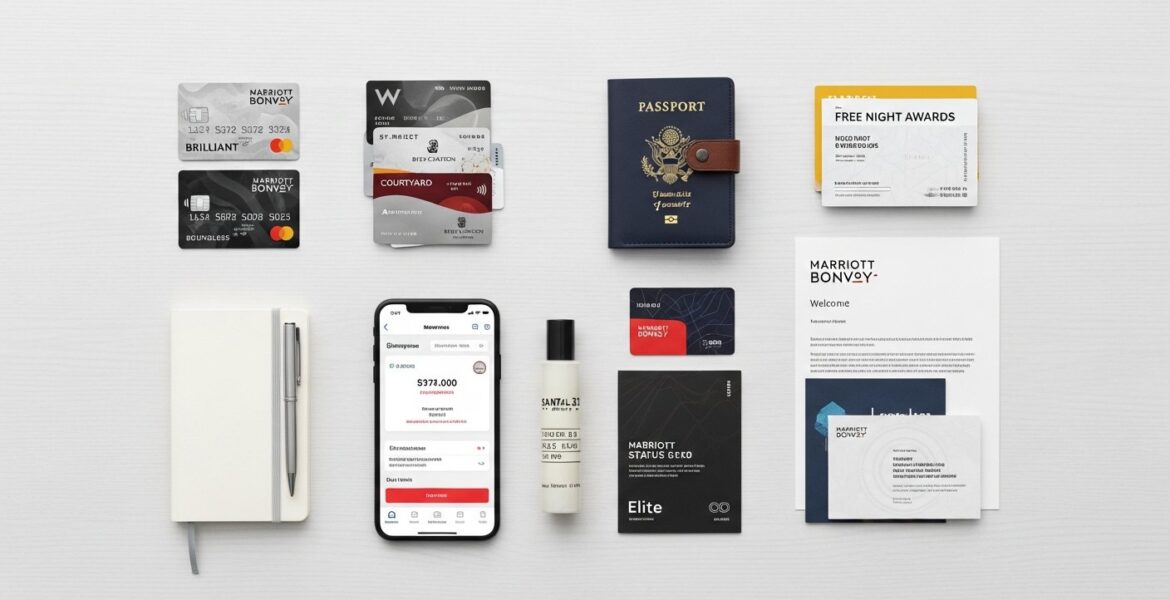
points vs cash back - photo 2 illustration

Cash back rewards stand as the bedrock of simplicity and predictability in the credit card rewards universe. For many consumers, the appeal of receiving a tangible percentage of their spending back in their pocket is undeniable. It’s a straightforward value proposition: spend money, get money back. This section will explore the mechanics, advantages, and disadvantages of cash back programs, establishing a clear baseline for our points vs cash back comparison.

How Cash Back Works: Simplicity and Predictability

The operational premise of cash back is incredibly simple. When you make a purchase with a cash back credit card, a predetermined percentage of that transaction amount is credited back to you. This credit can typically be received in several ways:

  • Statement Credit: The most common method, where the earned cash back is applied directly to your credit card balance, reducing the amount you owe.
  • Direct Deposit: Many card issuers allow you to transfer your cash back earnings directly into a linked bank account.
  • Check: Less common now, but some issuers will mail you a check for your accumulated cash back.
  • Gift Cards: Occasionally, cardholders can redeem cash back for gift cards, though often at the standard 1 cent per point (CPP) valuation, providing no additional benefit over direct cash.

The key characteristic here is the fixed value. One dollar in cash back is always worth one dollar. There’s no complex valuation, no searching for transfer partners, and no worrying about fluctuating award charts. This transparency is a significant draw for those who prefer certainty and ease of management over the potential for higher, but more complex, value.

Types of Cash Back Programs: Flat-Rate vs. Tiered

Cash back cards generally fall into two main categories, each suited to different spending patterns:

  1. Flat-Rate Cash Back Cards:
    • These cards offer a consistent percentage back on every purchase, regardless of the spending category. Common rates range from 1.5% to 2%, with some premium cards offering slightly more.
    • Best for: Individuals who don’t want to track spending categories, have highly diversified spending, or primarily use their card for non-bonus categories. They provide a solid, no-fuss return on all purchases.
    • Examples: A card offering an unlimited 2% cash back on everything.
  2. Tiered or Bonus Category Cash Back Cards:
    • These cards offer elevated cash back percentages (often 3% to 5%) in specific spending categories, which can be fixed (e.g., groceries, gas, dining) or rotating quarterly (e.g., Amazon, wholesale clubs, specific streaming services). Spending outside these categories typically earns a lower base rate (e.g., 1%).
    • Best for: Consumers who are disciplined about tracking their spending categories and activating rotating bonuses. They can yield higher overall returns if spending aligns with the bonus categories.
    • Examples: A card offering 5% cash back on the first $1,500 spent in rotating quarterly categories (after activation) and 1% on everything else. Or a card with fixed 3% on dining and groceries, 2% on gas, and 1% on all other purchases.

A sophisticated strategy for maximizing cash back often involves using a combination of these types of cards – a flat-rate card for general spending and specialized bonus category cards for specific areas where you spend heavily.

[INLINE IMAGE 1: place after second H2 | alt=”points vs cash back concept illustration”]

Pros of Cash Back: Flexibility, Ease, and Tangible Value

The advantages of choosing cash back are compelling for a wide segment of the population:

  • Unparalleled Flexibility: Cash is king. Once you receive your cash back, you can use it for anything – pay bills, invest, save for a large purchase, or fund a vacation. There are no restrictions on how or where you can spend it.
  • Simplicity and Ease of Use: There’s no need to research flight routes, understand transfer ratios, or compare hotel award charts. The value is clear, immediate, and requires minimal effort to redeem. This “set it and forget it” nature is incredibly attractive.
  • Predictable Value: You always know what your cash back is worth: 1 cent per point (CPP) if your program is point-based (e.g., 10,000 points = $100 cash back). This eliminates the uncertainty that can come with valuing points, which can fluctuate.
  • Tangible and Immediate Impact: For many, seeing a statement credit or a direct deposit is more satisfying and impactful than accumulating a theoretical stash of points. It directly reduces expenses or increases savings.
  • No Devaluation Risk (as ‘cash’): While the percentage of cash back offered by a card issuer can change over time, the value of the cash itself does not devalue in the same way airline miles or hotel points can. A dollar is always a dollar.
  • Ideal for Non-Travelers: If your lifestyle doesn’t involve frequent travel or you simply prefer not to use your rewards for travel, cash back is undoubtedly the most efficient choice.

Cons of Cash Back: Limited Upside and Value Caps

While cash back offers significant advantages, it’s not without its drawbacks, particularly when compared to the potential of travel points:

  • Limited Upside Potential: The most significant disadvantage is the cap on value. You will rarely, if ever, get more than 1 cent per point (CPP) for your cash back. While 2% cash back is great, skilled points redeemers can often achieve 2 cents, 3 cents, or even higher per point through strategic travel redemptions. This means you might be leaving significant value on the table.
  • No “Aspirational” Redemptions: Cash back won’t get you a first-class flight to Tokyo or a luxurious stay at a five-star resort for effectively pennies on the dollar. These aspirational experiences are often the domain of high-value points redemptions.
  • Often Lower Overall Return in High-Spending Categories: While bonus categories offer enhanced rates, these are often capped. For example, a 5% cash back category might only apply to the first $1,500 in spending per quarter. Beyond that, the rate drops to 1%, making it less rewarding for very high spenders in those categories compared to some points cards that offer uncapped bonuses.
  • Less Excitement/Engagement: For some, the thrill of “cracking the code” of points and miles, finding an incredible award redemption, is a significant part of the hobby. Cash back, while practical, lacks this element of strategic engagement.

In summary, cash back is the pragmatic choice, offering ease, flexibility, and guaranteed value. It’s a fantastic option for those who prioritize simplicity, direct savings, and versatility over potentially higher, but more complex, returns.

Discover the best cash back credit cards for everyday spending.

The World of Points: Unlocking Elevated Value

Stepping into the realm of reward points introduces a layer of complexity but simultaneously opens doors to potentially much greater value, especially for those with a penchant for travel. Unlike the straightforward 1:1 value of cash back, points operate as a proprietary currency, their worth fluctuating based on the redemption strategy employed. This section will demystify reward points, exploring their various forms, redemption mechanisms, and the compelling reasons why they can often outperform cash back.

What Are Reward Points? A Currency of Opportunity

Reward points are essentially a proprietary currency issued by credit card companies, airlines, or hotels to incentivize loyalty and spending. Instead of receiving a percentage of money back, you accrue a certain number of points per dollar spent. These points then reside within a specific rewards program and can be redeemed for a variety of goods, services, or experiences. The critical distinction from cash back is that the value of one point is rarely fixed at one cent; it’s a variable that you, the cardholder, have some control over through strategic redemption.

Think of points as a foreign currency. Its value against your home currency (USD) changes depending on where and how you exchange it. Similarly, a point might be worth 0.6 cents when redeemed for a gift card, 1 cent when redeemed for cash back, 1.25 cents when booked through a travel portal, and potentially 2 cents or more when transferred to an airline or hotel partner for a premium travel experience.

Types of Point Programs: Bank, Airline, and Hotel Specific

The points landscape is broadly categorized into a few key types:

  1. Bank-Specific General Travel Points:
    • These are the most versatile and valuable points programs offered by major banks. Examples include Chase Ultimate Rewards, American Express Membership Rewards, and Capital One Venture Miles.
    • Characteristics: They earn points that can be redeemed in multiple ways: through the bank’s own travel portal, for cash back, for gift cards, or crucially, by transferring to a diverse network of airline and hotel loyalty partners.
    • Best for: Travelers who want flexibility across multiple airlines and hotel chains, and those willing to learn about transfer partners to maximize value.
  2. Co-Branded Airline Miles:
    • These cards are issued in partnership with a specific airline (e.g., Delta SkyMiles, United MileagePlus, American Airlines AAdvantage). You earn miles directly within that airline’s loyalty program.
    • Characteristics: Miles are typically best redeemed for flights on the issuing airline or its alliance partners. Redemption values can vary widely based on route, cabin class, and demand.
    • Best for: Loyal flyers of a specific airline who primarily travel with that carrier and its partners.
  3. Co-Branded Hotel Points:
    • Similar to airline cards, these are issued in partnership with a specific hotel chain (e.g., Marriott Bonvoy, Hilton Honors, World of Hyatt). You earn points directly within that hotel’s loyalty program.
    • Characteristics: Points are best redeemed for free nights at the hotel chain’s properties globally. Value per point can fluctuate based on the specific hotel, room type, and season.
    • Best for: Individuals loyal to a particular hotel brand or alliance, especially those who frequently travel and stay in hotels.
  4. Proprietary Retailer Points:
    • Some retailers also offer credit cards that earn points redeemable specifically at their stores or for their products. These often have more limited redemption options and sometimes lower value.
    • Best for: Very loyal shoppers of a particular retailer.

The strategic value of points largely hinges on the flexibility of the program. Bank-specific general travel points programs often offer the highest ceiling for value due to their extensive transfer partner networks.

How Points Work: Redemption Options and Valuations

Understanding how to redeem points is crucial for maximizing their value. While options vary by program, common redemption avenues include:

  • Travel Portal Bookings: Many bank programs offer their own travel booking portals where you can redeem points for flights, hotels, rental cars, and activities. Points often have a fixed value here (e.g., 1.25 CPP or 1.5 CPP with some premium cards). This is often a good default option for solid, if not exceptional, value.
  • Transfer Partners: This is where the magic often happens. Points from programs like Chase Ultimate Rewards or Amex Membership Rewards can be transferred to partner airline and hotel loyalty programs, usually at a 1:1 ratio. This allows you to book award travel directly with the airline or hotel, potentially unlocking much higher value, especially for business or first-class flights and luxury hotel stays.
  • Cash Back: Almost all points programs offer the option to redeem points for cash back, though often at a lower rate than travel redemptions (e.g., 1 point = 0.5 cents or 1 point = 1 cent, depending on the card/program).
  • Gift Cards: Similar to cash back, points can be redeemed for gift cards, typically at a fixed rate, rarely offering outsized value.
  • Merchandise: Redeeming points for physical goods from an online catalog is almost universally considered the worst value redemption, often yielding far less than 1 CPP.

The “valuation” of points is key here. While 10,000 points might always translate to $100 in cash back (1 CPP), those same 10,000 points could potentially be transferred to an airline partner and used for a flight that would otherwise cost $250, effectively giving you 2.5 CPP. This variable valuation is both the greatest strength and greatest complexity of points programs.

Pros of Points: Potentially Higher Value, Travel Focus, and Strategic Redemption

For those willing to engage with the system, points offer significant advantages:

  • Potential for Outsized Value: This is the primary driver for points enthusiasts. Through strategic transfers to airline and hotel partners, points can often be redeemed for 2 cents, 3 cents, or even more per point, far exceeding the 1 cent per point typical of cash back. This makes premium cabin travel or luxury hotel stays much more accessible.
  • Aspirational Travel Experiences: Points can open up experiences that might otherwise be financially out of reach, such as international first-class flights, extended stays at luxury resorts, or unique travel adventures.
  • Flexibility (with certain programs): Top-tier bank points programs (like Chase, Amex, Capital One) offer impressive flexibility due to their wide array of transfer partners. This allows you to choose the best redemption based on your travel plans and the current value offered by different partners.
  • Strategic Engagement and Reward Optimization: For those who enjoy the “game” of maximizing rewards, points offer a dynamic challenge. Researching award charts, monitoring transfer bonuses, and finding “sweet spots” can be a rewarding hobby in itself.
  • Sign-Up Bonuses Can Be Immense: The largest sign-up bonuses are almost always offered in points, often totaling 50,000 to 100,000+ points, which can translate into thousands of dollars in travel value.

Cons of Points: Complexity, Devaluation Risk, and Niche Redemptions

While the potential of points is high, there are notable downsides:

  • Complexity and Learning Curve: Maximizing points requires research, understanding award charts, learning about transfer partners, and potentially navigating complex booking systems. This isn’t for everyone.
  • Devaluation Risk: Airlines and hotels frequently devalue their points by increasing award prices or reducing partner benefits. Bank programs can also change transfer partners or ratios. This means your accumulated points could be worth less in the future than they are today.
  • Limited Availability for Peak Redemptions: High-value award travel (especially in premium cabins) often has limited availability, requiring flexibility with dates, early booking, or diligent searching. Finding “sweet spots” isn’t always easy.
  • Tied to Specific Programs/Partners: While general travel points offer flexibility, co-branded miles/points are locked into one program, which can be limiting if your travel patterns change.
  • Lower Value for Non-Travel Redemptions: If you don’t travel frequently, or don’t want to use your points for travel, their value drops significantly when redeemed for cash back, gift cards, or merchandise. In these cases, cash back cards often provide a better return.
  • Annual Fees: Many of the most rewarding points cards come with significant annual fees, which must be offset by the value you derive from the points and benefits.

Points are for the strategic consumer who values experiences, especially travel, and is willing to invest time in understanding and optimizing their redemptions. For this group, points can deliver unparalleled value that cash back simply cannot match.

Explore strategies for maximizing your airline loyalty programs.

Valuing Your Rewards: The Per-Point Calculation

points vs cash back - infographic 4 illustration

The core of the points vs cash back debate often boils down to one critical question: what is the actual value of my rewards? While cash back offers a straightforward answer, points demand a more nuanced approach. Understanding how to calculate and compare the per-point value is essential for making an informed decision and truly maximizing your credit card rewards.

Understanding Cash Back Value: Always 1 Cent Per Point (Usually)

For cash back, the valuation is refreshingly simple. If a card offers “1% cash back,” it means for every $100 you spend, you get $1 back. This translates directly to 1 cent per point (CPP) if the reward structure is presented in points that convert to cash (e.g., 100 points = $1). So, 50,000 cash back points are worth $500, no questions asked. There’s no hidden complexity, no variable redemption charts, and no strategic maneuvering required.

This predictability is a major advantage for cash back programs. You always know what you’re getting, making budgeting and financial planning straightforward. The value is absolute and instantly liquid.

Calculating Point Value: The Variable Equation

This is where the points vs cash back distinction becomes most pronounced. The value of a point from a travel rewards program is highly variable and depends entirely on how you choose to redeem it. To calculate the value of your points, use this simple formula:

Point Value (in cents) = (Value of Redemption / Number of Points Used) * 100

Let’s look at an example:

  • You find a flight that costs $300 cash or 20,000 points.
  • Point Value = ($300 / 20,000 points) * 100 = 1.5 cents per point (CPP)

Here’s how point values typically range across different redemption methods:

  • Merchandise / Gift Cards: Often 0.5 – 0.8 CPP. (Generally avoided due to poor value)
  • Cash Back: Typically 0.5 – 1.0 CPP. (Some premium cards offer 1.25 CPP or higher for cash back, but this is rare and usually tied to a specific promotion or card feature.)
  • Travel Portal (Bank Specific): Often 1.0 – 1.5 CPP. Many premium travel cards offer a bonus when booking through their portal (e.g., Chase Sapphire Preferred offers 1.25 CPP, Chase Sapphire Reserve offers 1.5 CPP).
  • Transfer to Airline/Hotel Partners: This is where the highest values are often found, ranging from 1.5 CPP to 5+ CPP, particularly for business or first-class international flights, or luxury hotel stays. These are the “sweet spots” points enthusiasts chase.

The variability means that while one redemption might yield 0.8 CPP, another strategic redemption could net you 3 CPP, significantly outperforming cash back.

[INLINE IMAGE 2: place after fourth H2 | alt=”points vs cash back comparison illustration”]

When Points Outperform Cash Back: Strategic Redemptions

Points unequivocally outperform cash back when you can consistently redeem them for more than 1 CPP. This almost exclusively happens with travel redemptions, specifically:

  • Premium Cabin Travel: Booking business or first-class flights with points, especially international routes, can yield astounding value. A seat that costs $5,000 in cash might only require 50,000-70,000 points, valuing each point at 7-10 CPP or more.
  • Luxury Hotel Stays: Similarly, using points for high-end hotel rooms that would otherwise cost hundreds or thousands of dollars per night often results in elevated point values.
  • “Sweet Spot” Redemptions: Many loyalty programs have specific award chart “sweet spots”—routes or hotels where the point cost is disproportionately low compared to the cash price. Discovering and utilizing these can lead to exceptional value.
  • Transfer Bonuses: Periodically, banks offer bonuses for transferring points to specific airline or hotel partners (e.g., a 30% bonus when transferring Amex points to Virgin Atlantic). These bonuses can temporarily inflate your point value even further.

To consistently achieve high point values, you need to be flexible with your travel dates, destinations, and potentially your preferred airline/hotel, and you must be willing to put in the research to find the best deals.

When Cash Back Wins: Simplicity and Guaranteed Value

Despite the potential for higher value with points, cash back remains the superior choice in several scenarios:

  • Non-Travelers: If you rarely travel, or prefer to pay for travel in cash, then points are unlikely to provide better value than 1 CPP. Redeeming points for cash back at 0.5-1.0 CPP is often a worse deal than simply earning 1.5-2% cash back directly.
  • Simplicity Preference: For those who prioritize ease of use and don’t want to engage in complex redemption strategies, cash back is undeniably simpler and less time-consuming. You don’t need to track devaluations or search for award availability.
  • Debt Reduction/Financial Stability: If your primary goal is to pay down debt, build an emergency fund, or save for a major purchase (like a home or car), direct cash back offers immediate, tangible assistance towards these goals. The guaranteed 1:1 value with cash makes it an excellent tool for straightforward financial planning.
  • High Annual Fees Unjustified: Many premium points cards come with high annual fees ($95-$550+). If you’re not getting enough value from travel redemptions or card perks to offset these fees, a cash back card with a lower or no annual fee will likely provide a better net return.

The “better” reward type is ultimately subjective and depends on your lifestyle, financial goals, and willingness to engage with the rewards ecosystem. For consistent, no-fuss returns, cash back shines. For aspirational travel and maximum potential value, points hold the key.

Strategic Considerations: Choosing Your Reward Path

Deciding between points and cash back isn’t a one-size-fits-all answer. It requires a thoughtful self-assessment of your spending habits, travel aspirations, financial goals, and even your appetite for complexity. This section will guide you through the critical factors to consider when charting your optimal reward path.

Your Spending Habits and Categories

The types of purchases you make most frequently play a significant role in determining which reward structure will yield the highest returns.

  • Diversified Spending: If your spending is spread across many categories without any particular concentration, a flat-rate cash back card (e.g., 2% on everything) or a general travel points card that earns a consistent rate (e.g., 2 points per dollar on everything) might be ideal.
  • Concentrated Spending in Bonus Categories: Do you spend a lot on groceries, dining, gas, or online shopping?
    • Cash Back: Cards with fixed bonus categories (e.g., 3-5% on dining/groceries) or rotating quarterly categories (e.g., 5% on gas/Amazon) can be highly lucrative.
    • Points: Many travel points cards also offer elevated earning rates in common spending categories (e.g., 3x points on dining, 4x points on groceries). If you can redeem these points for more than 1 CPP, they will outperform their cash back counterparts.
  • High Annual Spend: If you are a high spender (tens of thousands annually), the difference in earning rates and potential point valuation can translate into thousands of dollars in extra rewards. For high spenders, the premium points cards, despite their annual fees, often provide the most value through their accelerated earning and high-value redemption options.

Analyze your last few months of credit card statements to get a clear picture of where your money goes. This data is invaluable for choosing a card that maximizes your most frequent spending.

Your Travel Aspirations: The Crucial Factor

This is arguably the most significant differentiator between points and cash back.

  • Frequent Travelers (especially internationally or in premium cabins): If you fly often, dream of business class, or enjoy stays at upscale hotels, points are almost certainly your best bet. The ability to transfer points to airline and hotel partners for outsized value is unparalleled for travel experiences. You can turn points into free flights and luxurious accommodations, often saving thousands of dollars compared to paying cash.
  • Infrequent Travelers / Budget Travelers: If you rarely travel, prefer budget airlines, or stay in economy accommodations, the premium value of points might be lost on you. In these cases, cash back for direct savings, or points redeemed at 1-1.25 CPP through a travel portal, might be more efficient, but often cash back is simpler.
  • Domestic Travelers: Points can still be valuable for domestic travel, especially for flights within the US or hotel stays. However, the “sweet spots” for domestic travel might be less pronounced than for international premium travel, making the gap between points and cash back value narrower.

Consider not just how much you travel, but how you aspire to travel. Do you want to upgrade your travel experience, or simply make it cheaper?

Your Financial Goals: Savings, Experiences, or Flexibility

Your overarching financial priorities should directly influence your reward strategy.

  • Prioritizing Savings and Debt Reduction: If your goal is to pay down debt, build an emergency fund, or save for a major purchase (car, home down payment), then cash back provides immediate, fungible currency that directly supports these objectives. The guaranteed 1:1 value of cash back makes it a powerful tool for straightforward financial planning.
  • Seeking Experiences and Luxuries: If you’re financially stable and your goal is to enhance your lifestyle through travel, fine dining, or unique experiences, then points offer the potential for these aspirational redemptions that cash back simply cannot match.
  • Valuing Flexibility: Cash back offers ultimate flexibility – it’s money you can use for anything. General travel points (e.g., Ultimate Rewards) offer a good degree of flexibility too, with options for travel portal bookings, transfers, and even cash back (albeit at a lower value). Co-branded airline/hotel points are the least flexible, tied to one brand.

Aligning your rewards strategy with your financial roadmap ensures that your efforts translate into meaningful benefits.

Understanding Program Complexity and Engagement

Be honest about your willingness to engage with the rewards ecosystem.

  • Low Effort, High Simplicity: If you prefer a “set it and forget it” approach, and don’t want to spend time researching, tracking, or strategizing, then cash back is your ideal choice. You’ll get a solid return without any fuss.
  • Moderate Effort, Good Value: If you’re willing to learn the basics of a bank’s travel portal and redeem points for flights/hotels at a fixed (e.g., 1.25-1.5 CPP) rate, general travel points cards can offer better value than cash back with moderate effort.
  • High Effort, Max Value: If you enjoy the “game” of points and miles, are willing to spend time researching transfer partners, award charts, and availability, and are flexible with travel, then points offer the highest potential returns. This takes dedication, but the rewards can be significant.

Don’t choose a complex points strategy if you know you won’t invest the time to maximize it; you’ll likely end up getting sub-par value or letting points expire.

The Hybrid Approach: A Balanced Portfolio

For many, the optimal solution isn’t an either/or but a strategic combination of both. A “hybrid approach” can leverage the strengths of both reward types:

  • Cash Back for Everyday Essentials: Use a flat-rate or bonus category cash back card for purchases where points wouldn’t yield significantly more than 1 CPP, or for categories where you want guaranteed savings. This ensures a solid floor of value.
  • Points for Travel & Aspirational Experiences: Utilize premium travel points cards for categories that earn accelerated points (dining, travel, specific merchants) and for large sign-up bonuses. These points are then saved and strategically redeemed for high-value travel.
  • “Cash Back” from Points Cards: Some travel points cards (e.g., Chase Ultimate Rewards) allow you to convert points to cash back at 1 CPP. While not the highest value, this provides a safety net if your travel plans fall through or you need the cash.

Building a portfolio of 2-3 strategically chosen cards – perhaps a flat 2% cash back card, and a premium travel points card – can provide excellent overall returns, covering both immediate savings needs and long-term travel goals.

Comparison Table: Points vs. Cash Back Rewards

Feature Cash Back Rewards Travel Points Rewards
Value Calculation Fixed (e.g., 1% = 1 cent/point) Variable (0.5 CPP to 5+ CPP)
Ease of Use Very Simple, “Set it & Forget it” Moderate to High Complexity
Flexibility of Redemption Absolute (cash for anything) Moderate (travel portal, transfers) to Low (co-branded)
Best For Budgeting, Debt Reduction, Non-Travelers, Simplicity Seekers Travelers (especially premium/international), Aspirational Experiences, Reward Optimizers
Potential for Outsized Value Low (capped at face value) High (through strategic travel redemptions)
Devaluation Risk Low (value of cash is stable) High (airline/hotel program changes)
Common Redemption Options Statement credit, direct deposit, check Flights, hotels, travel portal bookings, cash (lower value), gift cards (lower value)
Learning Curve Minimal Significant for maximum value
Annual Fees Often $0 or low Often higher, especially for premium cards

Advanced Strategies for Maximizing Value

points vs cash back - chart 6 illustration

Once you’ve decided that points are your preferred reward currency, or that a hybrid approach is best, the next


The Ultimate Showdown: Points vs Cash Back – Maximizing Your Credit Card Rewards in 2026 and Beyond

By goldpoints Editorial Team — Senior editors with 10+ years of subject-matter experience.
Published 2026-05-26 · Last Updated 2026-05-26

Affiliate disclosure: This article may contain affiliate links. Recommendations are independent and editorially driven.

Introduction to Credit Card Rewards: The Core Dilemma

In the expansive and often intricate world of credit card rewards, few debates spark as much fervent discussion and detailed analysis as the fundamental choice between accumulating points and opting for straightforward cash back. For anyone navigating the landscape of personal finance and seeking to optimize their spending, understanding the nuances of points vs cash back isn’t just a matter of preference; it’s a strategic decision that can significantly impact their financial well-being and lifestyle aspirations. This guide, brought to you by the experts at goldpoints, aims to dissect this critical dilemma, providing you with the comprehensive knowledge and strategic insights necessary to make an informed choice that aligns perfectly with your individual goals in 2026 and beyond.

At its heart, the credit card rewards ecosystem is designed to incentivize spending, offering a tangible return on your everyday purchases. However, the form that return takes—be it redeemable points, airline miles, hotel loyalty credits, or direct cash back—carries profound implications for its ultimate value and utility. While cash back offers simplicity and immediate, predictable value, reward points often hold the potential for outsized returns, particularly for those willing to engage with more complex redemption strategies, especially within the travel sphere. The question isn’t merely which is “better,” but rather which is “better for you.”

Understanding the Landscape of Rewards

The credit card market is saturated with options, each vying for your attention with enticing bonus offers and ongoing reward structures. From cards offering a flat percentage back on every purchase to those providing elevated rewards in specific spending categories, and from general travel points programs to co-branded airline and hotel cards, the sheer variety can be overwhelming. This diversity is a double-edged sword: it provides immense opportunity for optimization but also necessitates a deep dive into the mechanics of each reward type.

  • Cash Back: Often hailed for its transparency and ease of use, cash back typically offers a fixed percentage return on spending. This could be a flat 1.5% or 2% on all purchases, or a tiered structure with higher percentages (e.g., 5%) in rotating or fixed bonus categories. The beauty of cash back lies in its direct convertibility; a dollar earned is a dollar saved or spent as you wish.
  • Points/Miles: This category is far more diverse. Points can be generic, redeemable for travel, gift cards, or even cash back at a fixed rate. More commonly, points are part of a bank’s proprietary rewards program (e.g., Chase Ultimate Rewards, American Express Membership Rewards, Capital One Venture Miles) or co-branded with specific airlines (miles) or hotels (points). Their value is not fixed and can vary wildly depending on how they are redeemed, often reaching peak value when transferred to travel partners for premium flights or luxury hotel stays.

Our journey through this article will meticulously unpack these distinctions, guiding you through the valuation processes, strategic considerations, and common pitfalls associated with each reward type. By the end, you’ll be equipped with an expert-level understanding to confidently navigate the rewards landscape.

Why the Points vs. Cash Back Decision Matters

The choice between points and cash back isn’t a trivial one. It directly impacts:

  • Your Effective Return on Spending: While a card might advertise “2% cash back” or “2 points per dollar,” the actual value you derive can differ significantly. Points, especially, can often yield returns far exceeding their face value when redeemed strategically for travel.
  • Your Financial Flexibility: Cash back offers unparalleled flexibility, as it’s essentially currency you can apply anywhere. Points, while potentially more valuable, often restrict redemption to specific partners or portals.
  • The Effort Required for Maximization: Cash back is largely “set it and forget it.” Points, particularly high-value travel points, demand a greater understanding of transfer partners, award charts, and booking nuances.
  • Your Long-Term Financial Goals: Are you saving for a down payment, or dreaming of a round-the-world trip? Your reward strategy should be a direct reflection of these aspirations.

Making the right choice can translate into thousands of dollars in value over time, whether through direct savings or invaluable travel experiences. Let’s delve deeper into each option.

Delving Deep into Cash Back Rewards

Cash back rewards stand as the bedrock of simplicity and predictability in the credit card rewards universe. For many consumers, the appeal of receiving a tangible percentage of their spending back in their pocket is undeniable. It’s a straightforward value proposition: spend money, get money back. This section will explore the mechanics, advantages, and disadvantages of cash back programs, establishing a clear baseline for our points vs cash back comparison.

How Cash Back Works: Simplicity and Predictability

The operational premise of cash back is incredibly simple. When you make a purchase with a cash back credit card, a predetermined percentage of that transaction amount is credited back to you. This credit can typically be received in several ways:

  • Statement Credit: The most common method, where the earned cash back is applied directly to your credit card balance, reducing the amount you owe.
  • Direct Deposit: Many card issuers allow you to transfer your cash back earnings directly into a linked bank account.
  • Check: Less common now, but some issuers will mail you a check for your accumulated cash back.
  • Gift Cards: Occasionally, cardholders can redeem cash back for gift cards, though often at the standard 1 cent per point (CPP) valuation, providing no additional benefit over direct cash.

The key characteristic here is the fixed value. One dollar in cash back is always worth one dollar. There’s no complex valuation, no searching for transfer partners, and no worrying about fluctuating award charts. This transparency is a significant draw for those who prefer certainty and ease of management over the potential for higher, but more complex, value.

Types of Cash Back Programs: Flat-Rate vs. Tiered

Cash back cards generally fall into two main categories, each suited to different spending patterns:

  1. Flat-Rate Cash Back Cards:
    • These cards offer a consistent percentage back on every purchase, regardless of the spending category. Common rates range from 1.5% to 2%, with some premium cards offering slightly more.
    • Best for: Individuals who don’t want to track spending categories, have highly diversified spending, or primarily use their card for non-bonus categories. They provide a solid, no-fuss return on all purchases.
    • Examples: A card offering an unlimited 2% cash back on everything.
  2. Tiered or Bonus Category Cash Back Cards:
    • These cards offer elevated cash back percentages (often 3% to 5%) in specific spending categories, which can be fixed (e.g., groceries, gas, dining) or rotating quarterly (e.g., Amazon, wholesale clubs, specific streaming services). Spending outside these categories typically earns a lower base rate (e.g., 1%).
    • Best for: Consumers who are disciplined about tracking their spending categories and activating rotating bonuses. They can yield higher overall returns if spending aligns with the bonus categories.
    • Examples: A card offering 5% cash back on the first $1,500 spent in rotating quarterly categories (after activation) and 1% on everything else. Or a card with fixed 3% on dining and groceries, 2% on gas, and 1% on all other purchases.

A sophisticated strategy for maximizing cash back often involves using a combination of these types of cards – a flat-rate card for general spending and specialized bonus category cards for specific areas where you spend heavily.

[INLINE IMAGE 1: place after second H2 | alt=”points vs cash back concept illustration”]

Pros of Cash Back: Flexibility, Ease, and Tangible Value

The advantages of choosing cash back are compelling for a wide segment of the population:

  • Unparalleled Flexibility: Cash is king. Once you receive your cash back, you can use it for anything – pay bills, invest, save for a large purchase, or fund a vacation. There are no restrictions on how or where you can spend it.
  • Simplicity and Ease of Use: There’s no need to research flight routes, understand transfer ratios, or compare hotel award charts. The value is clear, immediate, and requires minimal effort to redeem. This “set it and forget it” nature is incredibly attractive.
  • Predictable Value: You always know what your cash back is worth: 1 cent per point (CPP) if your program is point-based (e.g., 10,000 points = $100 cash back). This eliminates the uncertainty that can come with valuing points, which can fluctuate.
  • Tangible and Immediate Impact: For many, seeing a statement credit or a direct deposit is more satisfying and impactful than accumulating a theoretical stash of points. It directly reduces expenses or increases savings.
  • No Devaluation Risk (as ‘cash’): While the percentage of cash back offered by a card issuer can change over time, the value of the cash itself does not devalue in the same way airline miles or hotel points can. A dollar is always a dollar.
  • Ideal for Non-Travelers: If your lifestyle doesn’t involve frequent travel or you simply prefer not to use your rewards for travel, cash back is undoubtedly the most efficient choice.

Cons of Cash Back: Limited Upside and Value Caps

While cash back offers significant advantages, it’s not without its drawbacks, particularly when compared to the potential of travel points:

  • Limited Upside Potential: The most significant disadvantage is the cap on value. You will rarely, if ever, get more than 1 cent per point (CPP) for your cash back. While 2% cash back is great, skilled points redeemers can often achieve 2 cents, 3 cents, or even higher per point through strategic travel redemptions. This means you might be leaving significant value on the table.
  • No “Aspirational” Redemptions: Cash back won’t get you a first-class flight to Tokyo or a luxurious stay at a five-star resort for effectively pennies on the dollar. These aspirational experiences are often the domain of high-value points redemptions.
  • Often Lower Overall Return in High-Spending Categories: While bonus categories offer enhanced rates, these are often capped. For example, a 5% cash back category might only apply to the first $1,500 in spending per quarter. Beyond that, the rate drops to 1%, making it less rewarding for very high spenders in those categories compared to some points cards that offer uncapped bonuses.
  • Less Excitement/Engagement: For some, the thrill of “cracking the code” of points and miles, finding an incredible award redemption, is a significant part of the hobby. Cash back, while practical, lacks this element of strategic engagement.

In summary, cash back is the pragmatic choice, offering ease, flexibility, and guaranteed value. It’s a fantastic option for those who prioritize simplicity, direct savings, and versatility over potentially higher, but more complex, returns.

Discover the best cash back credit cards for everyday spending.

The World of Points: Unlocking Elevated Value

Stepping into the realm of reward points introduces a layer of complexity but simultaneously opens doors to potentially much greater value, especially for those with a penchant for travel. Unlike the straightforward 1:1 value of cash back, points operate as a proprietary currency, their worth fluctuating based on the redemption strategy employed. This section will demystify reward points, exploring their various forms, redemption mechanisms, and the compelling reasons why they can often outperform cash back.

What Are Reward Points? A Currency of Opportunity

Reward points are essentially a proprietary currency issued by credit card companies, airlines, or hotels to incentivize loyalty and spending. Instead of receiving a percentage of money back, you accrue a certain number of points per dollar spent. These points then reside within a specific rewards program and can be redeemed for a variety of goods, services, or experiences. The critical distinction from cash back is that the value of one point is rarely fixed at one cent; it’s a variable that you, the cardholder, have some control over through strategic redemption.

Think of points as a foreign currency. Its value against your home currency (USD) changes depending on where and how you exchange it. Similarly, a point might be worth 0.6 cents when redeemed for a gift card, 1 cent when redeemed for cash back, 1.25 cents when booked through a travel portal, and potentially 2 cents or more when transferred to an airline or hotel partner for a premium travel experience.

Types of Point Programs: Bank, Airline, and Hotel Specific

The points landscape is broadly categorized into a few key types:

  1. Bank-Specific General Travel Points:
    • These are the most versatile and valuable points programs offered by major banks. Examples include Chase Ultimate Rewards, American Express Membership Rewards, and Capital One Venture Miles.
    • Characteristics: They earn points that can be redeemed in multiple ways: through the bank’s own travel portal, for cash back, for gift cards, or crucially, by transferring to a diverse network of airline and hotel loyalty partners.
    • Best for: Travelers who want flexibility across multiple airlines and hotel chains, and those willing to learn about transfer partners to maximize value.
  2. Co-Branded Airline Miles:
    • These cards are issued in partnership with a specific airline (e.g., Delta SkyMiles, United MileagePlus, American Airlines AAdvantage). You earn miles directly within that airline’s loyalty program.
    • Characteristics: Miles are typically best redeemed for flights on the issuing airline or its alliance partners. Redemption values can vary widely based on route, cabin class, and demand.
    • Best for: Loyal flyers of a specific airline who primarily travel with that carrier and its partners.
  3. Co-Branded Hotel Points:
    • Similar to airline cards, these are issued in partnership with a specific hotel chain (e.g., Marriott Bonvoy, Hilton Honors, World of Hyatt). You earn points directly within that hotel’s loyalty program.
    • Characteristics: Points are best redeemed for free nights at the hotel chain’s properties globally. Value per point can fluctuate based on the specific hotel, room type, and season.
    • Best for: Individuals loyal to a particular hotel brand or alliance, especially those who frequently travel and stay in hotels.
  4. Proprietary Retailer Points:
    • Some retailers also offer credit cards that earn points redeemable specifically at their stores or for their products. These often have more limited redemption options and sometimes lower value.
    • Best for: Very loyal shoppers of a particular retailer.

The strategic value of points largely hinges on the flexibility of the program. Bank-specific general travel points programs often offer the highest ceiling for value due to their extensive transfer partner networks.

How Points Work: Redemption Options and Valuations

Understanding how to redeem points is crucial for maximizing their value. While options vary by program, common redemption avenues include:

  • Travel Portal Bookings: Many bank programs offer their own travel booking portals where you can redeem points for flights, hotels, rental cars, and activities. Points often have a fixed value here (e.g., 1.25 CPP or 1.5 CPP with some premium cards). This is often a good default option for solid, if not exceptional, value.
  • Transfer Partners: This is where the magic often happens. Points from programs like Chase Ultimate Rewards or Amex Membership Rewards can be transferred to partner airline and hotel loyalty programs, usually at a 1:1 ratio. This allows you to book award travel directly with the airline or hotel, potentially unlocking much higher value, especially for business or first-class flights and luxury hotel stays.
  • Cash Back: Almost all points programs offer the option to redeem points for cash back, though often at a lower rate than travel redemptions (e.g., 1 point = 0.5 cents or 1 point = 1 cent, depending on the card/program).
  • Gift Cards: Similar to cash back, points can be redeemed for gift cards, typically at a fixed rate, rarely offering outsized value.
  • Merchandise: Redeeming points for physical goods from an online catalog is almost universally considered the worst value redemption, often yielding far less than 1 CPP.

The “valuation” of points is key here. While 10,000 points might always translate to $100 in cash back (1 CPP), those same 10,000 points could potentially be transferred to an airline partner and used for a flight that would otherwise cost $250, effectively giving you 2.5 CPP. This variable valuation is both the greatest strength and greatest complexity of points programs.

Pros of Points: Potentially Higher Value, Travel Focus, and Strategic Redemption

For those willing to engage with the system, points offer significant advantages:

  • Potential for Outsized Value: This is the primary driver for points enthusiasts. Through strategic transfers to airline and hotel partners, points can often be redeemed for 2 cents, 3 cents, or even more per point, far exceeding the 1 cent per point typical of cash back. This makes premium cabin travel or luxury hotel stays much more accessible.
  • Aspirational Travel Experiences: Points can open up experiences that might otherwise be financially out of reach, such as international first-class flights, extended stays at luxury resorts, or unique travel adventures.
  • Flexibility (with certain programs): Top-tier bank points programs (like Chase, Amex, Capital One) offer impressive flexibility due to their wide array of transfer partners. This allows you to choose the best redemption based on your travel plans and the current value offered by different partners.
  • Strategic Engagement and Reward Optimization: For those who enjoy the “game” of maximizing rewards, points offer a dynamic challenge. Researching award charts, monitoring transfer bonuses, and finding “sweet spots” can be a rewarding hobby in itself.
  • Sign-Up Bonuses Can Be Immense: The largest sign-up bonuses are almost always offered in points, often totaling 50,000 to 100,000+ points, which can translate into thousands of dollars in travel value.

Cons of Points: Complexity, Devaluation Risk, and Niche Redemptions

While the potential of points is high, there are notable downsides:

  • Complexity and Learning Curve: Maximizing points requires research, understanding award charts, learning about transfer partners, and potentially navigating complex booking systems. This isn’t for everyone.
  • Devaluation Risk: Airlines and hotels frequently devalue their points by increasing award prices or reducing partner benefits. Bank programs can also change transfer partners or ratios. This means your accumulated points could be worth less in the future than they are today.
  • Limited Availability for Peak Redemptions: High-value award travel (especially in premium cabins) often has limited availability, requiring flexibility with dates, early booking, or diligent searching. Finding “sweet spots” isn’t always easy.
  • Tied to Specific Programs/Partners: While general travel points offer flexibility, co-branded miles/points are locked into one program, which can be limiting if your travel patterns change.
  • Lower Value for Non-Travel Redemptions: If you don’t travel frequently, or don’t want to use your points for travel, their value drops significantly when redeemed for cash back, gift cards, or merchandise. In these cases, cash back cards often provide a better return.
  • Annual Fees: Many of the most rewarding points cards come with significant annual fees, which must be offset by the value you derive from the points and benefits.

Points are for the strategic consumer who values experiences, especially travel, and is willing to invest time in understanding and optimizing their redemptions. For this group, points can deliver unparalleled value that cash back simply cannot match.

Explore strategies for maximizing your airline loyalty programs.

Valuing Your Rewards: The Per-Point Calculation

The core of the points vs cash back debate often boils down to one critical question: what is the actual value of my rewards? While cash back offers a straightforward answer, points demand a more nuanced approach. Understanding how to calculate and compare the per-point value is essential for making an informed decision and truly maximizing your credit card rewards.

Understanding Cash Back Value: Always 1 Cent Per Point (Usually)

For cash back, the valuation is refreshingly simple. If a card offers “1% cash back,” it means for every $100 you spend, you get $1 back. This translates directly to 1 cent per point (CPP) if the reward structure is presented in points that convert to cash (e.g., 100 points = $1). So, 50,000 cash back points are worth $500, no questions asked. There’s no hidden complexity, no variable redemption charts, and no strategic maneuvering required.

This predictability is a major advantage for cash back programs. You always know what you’re getting, making budgeting and financial planning straightforward. The value is absolute and instantly liquid.

Calculating Point Value: The Variable Equation

This is where the points vs cash back distinction becomes most pronounced. The value of a point from a travel rewards program is highly variable and depends entirely on how you choose to redeem it. To calculate the value of your points, use this simple formula:

Point Value (in cents) = (Value of Redemption / Number of Points Used) * 100

Let’s look at an example:

  • You find a flight that costs $300 cash or 20,000 points.
  • Point Value = ($300 / 20,000 points) * 100 = 1.5 cents per point (CPP)

Here’s how point values typically range across different redemption methods:

  • Merchandise / Gift Cards: Often 0.5 – 0.8 CPP. (Generally avoided due to poor value)
  • Cash Back: Typically 0.5 – 1.0 CPP. (Some premium cards offer 1.25 CPP or higher for cash back, but this is rare and usually tied to a specific promotion or card feature.)
  • Travel Portal (Bank Specific): Often 1.0 – 1.5 CPP. Many premium travel cards offer a bonus when booking through their portal (e.g., Chase Sapphire Preferred offers 1.25 CPP, Chase Sapphire Reserve offers 1.5 CPP).
  • Transfer to Airline/Hotel Partners: This is where the highest values are often found, ranging from 1.5 CPP to 5+ CPP, particularly for business or first-class international flights, or luxury hotel stays. These are the “sweet spots” points enthusiasts chase.

The variability means that while one redemption might yield 0.8 CPP, another strategic redemption could net you 3 CPP, significantly outperforming cash back.

[INLINE IMAGE 2: place after fourth H2 | alt=”points vs cash back comparison illustration”]

When Points Outperform Cash Back: Strategic Redemptions

Points unequivocally outperform cash back when you can consistently redeem them for more than 1 CPP. This almost exclusively happens with travel redemptions, specifically:

  • Premium Cabin Travel: Booking business or first-class flights with points, especially international routes, can yield astounding value. A seat that costs $5,000 in cash might only require 50,000-70,000 points, valuing each point at 7-10 CPP or more.
  • Luxury Hotel Stays: Similarly, using points for high-end hotel rooms that would otherwise cost hundreds or thousands of dollars per night often results in elevated point values.
  • “Sweet Spot” Redemptions: Many loyalty programs have specific award chart “sweet spots”—routes or hotels where the point cost is disproportionately low compared to the cash price. Discovering and utilizing these can lead to exceptional value.
  • Transfer Bonuses: Periodically, banks offer bonuses for transferring points to specific airline or hotel partners (e.g., a 30% bonus when transferring Amex points to Virgin Atlantic). These bonuses can temporarily inflate your point value even further.

To consistently achieve high point values, you need to be flexible with your travel dates, destinations, and potentially your preferred airline/hotel, and you must be willing to put in the research to find the best deals.

When Cash Back Wins: Simplicity and Guaranteed Value

Despite the potential for higher value with points, cash back remains the superior choice in several scenarios:

  • Non-Travelers: If you rarely travel, or prefer to pay for travel in cash, then points are unlikely to provide better value than 1 CPP. Redeeming points for cash back at 0.5-1.0 CPP is often a worse deal than simply earning 1.5-2% cash back directly.
  • Simplicity Preference: For those who prioritize ease of use and don’t want to engage in complex redemption strategies, cash back is undeniably simpler and less time-consuming. You don’t need to track devaluations or search for award availability.
  • Debt Reduction/Financial Stability: If your primary goal is to pay down debt, build an emergency fund, or save for a major purchase (like a home or car), direct cash back offers immediate, tangible assistance towards these goals. The guaranteed 1:1 value with cash makes it an excellent tool for straightforward financial planning.
  • High Annual Fees Unjustified: Many premium points cards come with high annual fees ($95-$550+). If you’re not getting enough value from travel redemptions or card perks to offset these fees, a cash back card with a lower or no annual fee will likely provide a better net return.

The “better” reward type is ultimately subjective and depends on your lifestyle, financial goals, and willingness to engage with the rewards ecosystem. For consistent, no-fuss returns, cash back shines. For aspirational travel and maximum potential value, points hold the key.

Strategic Considerations: Choosing Your Reward Path

Deciding between points and cash back isn’t a one-size-fits-all answer. It requires a thoughtful self-assessment of your spending habits, travel aspirations, financial goals, and even your appetite for complexity. This section will guide you through the critical factors to consider when charting your optimal reward path.

Your Spending Habits and Categories

The types of purchases you make most frequently play a significant role in determining which reward structure will yield the highest returns.

  • Diversified Spending: If your spending is spread across many categories without any particular concentration, a flat-rate cash back card (e.g., 2% on everything) or a general travel points card that earns a consistent rate (e.g., 2 points per dollar on everything) might be ideal.
  • Concentrated Spending in Bonus Categories: Do you spend a lot on groceries, dining, gas, or online shopping?
    • Cash Back: Cards with fixed bonus categories (e.g., 3-5% on dining/groceries) or rotating quarterly categories (e.g., 5% on gas/Amazon) can be highly lucrative.
    • Points: Many travel points cards also offer elevated earning rates in common spending categories (e.g., 3x points on dining, 4x points on groceries). If you can redeem these points for more than 1 CPP, they will outperform their cash back counterparts.
  • High Annual Spend: If you are a high spender (tens of thousands annually), the difference in earning rates and potential point valuation can translate into thousands of dollars in extra rewards. For high spenders, the premium points cards, despite their annual fees, often provide the most value through their accelerated earning and high-value redemption options.

Analyze your last few months of credit card statements to get a clear picture of where your money goes. This data is invaluable for choosing a card that maximizes your most frequent spending.

Your Travel Aspirations: The Crucial Factor

This is arguably the most significant differentiator between points and cash back.

  • Frequent Travelers (especially internationally or in premium cabins): If you fly often, dream of business class, or enjoy stays at upscale hotels, points are almost certainly your best bet. The ability to transfer points to airline and hotel partners for outsized value is unparalleled for travel experiences. You can turn points into free flights and luxurious accommodations, often saving thousands of dollars compared to paying cash.
  • Infrequent Travelers / Budget Travelers: If you rarely travel, prefer budget airlines, or stay in economy accommodations, the premium value of points might be lost on you. In these cases, cash back for direct savings, or points redeemed at 1-1.25 CPP through a travel portal, might be more efficient, but often cash back is simpler.
  • Domestic Travelers: Points can still be valuable for domestic travel, especially for flights within the US or hotel stays. However, the “sweet spots” for domestic travel might be less pronounced than for international premium travel, making the gap between points and cash back value narrower.

Consider not just how much you travel, but how you aspire to travel. Do you want to upgrade your travel experience, or simply make it cheaper?

Your Financial Goals: Savings, Experiences, or Flexibility

Your overarching financial priorities should directly influence your reward strategy.

  • Prioritizing Savings and Debt Reduction: If your goal is to pay down debt, build an emergency fund, or save for a major purchase (car, home down payment), then cash back provides immediate, fungible currency that directly supports these objectives. The guaranteed 1:1 value of cash back makes it a powerful tool for straightforward financial planning.
  • Seeking Experiences and Luxuries: If you’re financially stable and your goal is to enhance your lifestyle through travel, fine dining, or unique experiences, then points offer the potential for these aspirational redemptions that cash back simply cannot match.
  • Valuing Flexibility: Cash back offers ultimate flexibility – it’s money you can use for anything. General travel points (e.g., Ultimate Rewards) offer a good degree of flexibility too, with options for travel portal bookings, transfers, and even cash back (albeit at a lower value). Co-branded airline/hotel points are the least flexible, tied to one brand.

Aligning your rewards strategy with your financial roadmap ensures that your efforts translate into meaningful benefits.

Understanding Program Complexity and Engagement

Be honest about your willingness to engage with the rewards ecosystem.

  • Low Effort, High Simplicity: If you prefer a “set it and forget it” approach, and don’t want to spend time researching, tracking, or strategizing, then cash back is your ideal choice. You’ll get a solid return without any fuss.
  • Moderate Effort, Good Value: If you’re willing to learn the basics of a bank’s travel portal and redeem points for flights/hotels at a fixed (e.g., 1.25-1.5 CPP) rate, general travel points cards can offer better value than cash back with moderate effort.
  • High Effort, Max Value: If you enjoy the “game” of points and miles, are willing to spend time researching transfer partners, award charts, and availability, and are flexible with travel, then points offer the highest potential returns. This takes dedication, but the rewards can be significant.

Don’t choose a complex points strategy if you know you won’t invest the time to maximize it; you’ll likely end up getting sub-par value or letting points expire.

The Hybrid Approach: A Balanced Portfolio

For many, the optimal solution isn’t an either/or but a strategic combination of both. A “hybrid approach” can leverage the strengths of both reward types:

  • Cash Back for Everyday Essentials: Use a flat-rate or bonus category cash back card for purchases where points wouldn’t yield significantly more than 1 CPP, or for categories where you want guaranteed savings. This ensures a solid floor of value.
  • Points for Travel & Aspirational Experiences: Utilize premium travel points cards for categories that earn accelerated points (dining, travel, specific merchants) and for large sign-up bonuses. These points are then saved and strategically redeemed for high-value travel.
  • “Cash Back” from Points Cards: Some travel points cards (e.g., Chase Ultimate Rewards) allow you to convert points to cash back at 1 CPP. While not the highest value, this provides a safety net if your travel plans fall through or you need the cash.

Building a portfolio of 2-3 strategically chosen cards – perhaps a flat 2% cash back card, and a premium travel points card – can provide excellent overall returns, covering both immediate savings needs and long-term travel goals.

Comparison Table: Points vs. Cash Back Rewards

Feature Cash Back Rewards Travel Points Rewards
Value Calculation Fixed (e.g., 1% = 1 cent/point) Variable (0.5 CPP to 5+ CPP)
Ease of Use Very Simple, “Set it & Forget it” Moderate to High Complexity
Flexibility of Redemption Absolute (cash for anything) Moderate (travel portal, transfers) to Low (co-branded)
Best For Budgeting, Debt Reduction, Non-Travelers, Simplicity Seekers Travelers (especially premium/international), Aspirational Experiences, Reward Optimizers
Potential for Outsized Value Low (capped at face value) High (through strategic travel redemptions)
Devaluation Risk Low (value of cash is stable) High (airline/hotel program changes)
Common Redemption Options Statement credit, direct deposit, check Flights, hotels, travel portal bookings, cash (lower value), gift cards (lower value)
Learning Curve Minimal Significant for maximum value
Annual Fees Often $0 or low Often higher, especially for premium cards

Advanced Strategies for Maximizing Value

Once you’ve decided that points are your preferred reward currency, or that a hybrid approach is best, the next

Archives

  • June 2026
  • May 2026
  • April 2026
  • March 2026

Calendar

June 2026
M T W T F S S
1234567
891011121314
15161718192021
22232425262728
2930  
« May    

Categories

  • General
  • Our Top Picks
  • Products
  • Services
  • Tech
  • Uncategorized
  • About
  • Our Top Picks
  • Products
  • Tech
  • Services

Copyright Gold Points 2026 | Theme by ThemeinProgress | Proudly powered by WordPress