
Skip to content
  • About
  • Our Top Picks
  • Products
  • Tech
  • Services

Calendar

June 2026
M T W T F S S
1234567
891011121314
15161718192021
22232425262728
2930  
« May    

Archives

  • June 2026
  • May 2026
  • April 2026
  • March 2026

Categories

  • General
  • Our Top Picks
  • Products
  • Services
  • Tech
  • Uncategorized
Gold Points
  • About
  • Our Top Picks
  • Products
  • Tech
  • Services
Featured illustration for beginner's guide to travel hacking, rewards & loyalty programs
Uncategorized

Beginner’S Guide To Travel Hacking

On June 2, 2026 by pubman


The Ultimate Beginner’s Guide to Travel Hacking: Unlock Your Dream Trips in 2026

By goldpoints Editorial Team — Senior editors with 10+ years of subject-matter experience.
Published 2026-05-26 · Last Updated 2026-05-26

Affiliate disclosure: This article may contain affiliate links. Recommendations are independent and editorially driven.
Welcome to the exciting world of travel hacking! If the idea of exploring new destinations, staying in luxurious hotels, or flying first-class without draining your bank account sounds like a fantasy, think again. Travel hacking is the strategic art of leveraging credit card rewards, airline miles, and hotel points to significantly reduce the cost of travel, making your dream vacations a reality. For beginners, this vast landscape of points and miles can seem daunting, but with the right guidance, anyone can learn to navigate it effectively.

At goldpoints, we believe that smart financial strategies should open doors to richer life experiences. This comprehensive beginner’s guide to travel hacking is designed to demystify the process, providing you with a clear roadmap from understanding the basics to booking your first “free” trip. We’ll break down complex concepts into digestible steps, ensuring you build a solid foundation for sustainable and rewarding travel hacking. By the end of this guide, you’ll be equipped with the knowledge and confidence to embark on your own travel adventures, powered by points and miles.

What Exactly is Travel Hacking? Your Gateway to Affordable Adventures

Travel hacking, at its core, is a set of strategies used to accumulate and redeem loyalty points, airline miles, and hotel points for travel at a greatly reduced cost, often for free. It’s not about finding loopholes or being dishonest; rather, it’s about understanding how loyalty programs and credit card rewards systems work and using them to your advantage within their established rules. Think of it as playing a game where the prize is incredible travel experiences.

Beyond the Misconceptions: What Travel Hacking Isn’t

  • It’s not a get-rich-quick scheme: Travel hacking requires patience, strategy, and responsible financial management.
  • It’s not “free” money: While the travel might be free, you’re earning points through spending you would likely do anyway, or by meeting minimum spend requirements on credit cards.
  • It’s not illegal or unethical: When done correctly, travel hacking is a legitimate way to maximize rewards offered by financial institutions and travel providers.
  • It’s not just for the wealthy: Anyone with a decent credit score and a commitment to financial responsibility can become a successful travel hacker.

The Core Pillars of Travel Hacking

Most travel hacking strategies revolve around a few key areas:

  1. Credit Card Rewards: This is often the most lucrative avenue, primarily through sign-up bonuses for new credit cards.
  2. Loyalty Programs: Earning and redeeming miles with airlines and points with hotel chains.
  3. Strategic Spending: Maximizing everyday purchases through bonus categories, shopping portals, and targeted promotions.
  4. Redemption Savvy: Knowing how and when to redeem points for maximum value.

For beginners, the journey starts by understanding these pillars and building a responsible approach to credit and spending. The goal is to make your existing spending habits work for you, transforming everyday purchases into future travel memories.

Building Your Foundation: Credit Cards & Sign-Up Bonuses

beginner's guide to travel hacking - photo 2 illustration

The cornerstone of most successful travel hacking strategies lies in credit card rewards, particularly sign-up or welcome bonuses. These bonuses can provide tens of thousands of points or miles, enough for domestic flights, multiple hotel nights, or a significant chunk of an international trip. Understanding how to responsibly acquire and manage these cards is paramount.

Understanding Credit Card Welcome Offers

A welcome offer (also known as a sign-up bonus) is a large chunk of points or miles awarded by a credit card issuer when a new cardholder meets specific criteria, usually a minimum spending requirement within a certain timeframe (e.g., spend $3,000 in the first three months). These bonuses are significantly more valuable than the points earned through regular spending.

  • Minimum Spending Requirements: This is the amount you need to spend on the card within the introductory period to earn the bonus. It’s crucial to meet this naturally, without overspending or buying things you don’t need.
  • Timing: Most bonuses require meeting the spend within 3-6 months. Plan your card applications around periods of higher anticipated spending (e.g., holidays, large purchases, home renovations).
  • Types of Bonuses: Some cards offer a fixed amount of cash back, others offer points redeemable for specific airlines or hotels, and many offer transferable points that can be moved to various airline and hotel partners.

Types of Travel Credit Cards for Beginners

Not all travel credit cards are created equal. As a beginner, it’s wise to start with cards that offer flexible rewards or have low annual fees to minimize risk while you learn the ropes.

  • Transferable Points Cards: These are often considered the most valuable. Cards like Chase Sapphire Preferred, American Express Gold Card, or Capital One Venture X Rewards Credit Card earn points that can be transferred to multiple airline and hotel loyalty programs. This flexibility allows you to chase the best redemption opportunities.
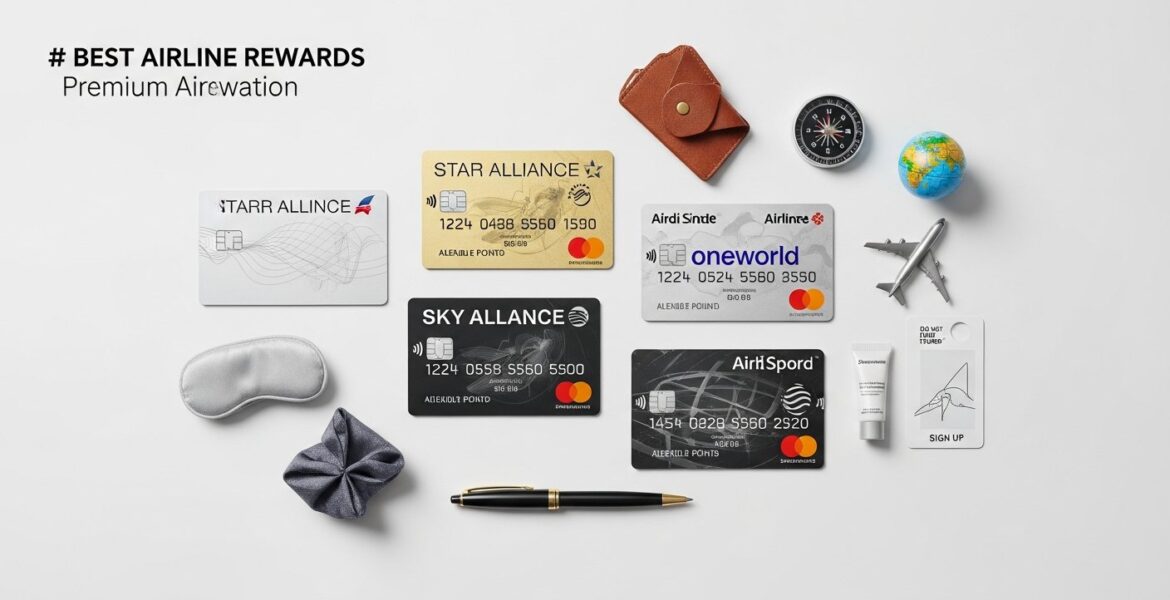
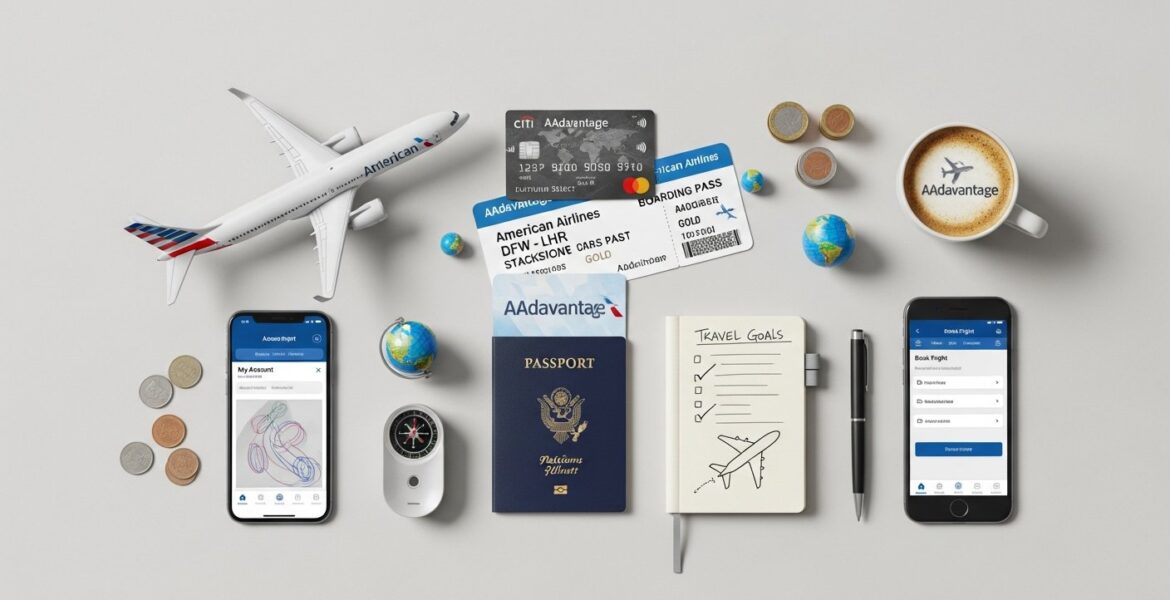
  • Airline Co-Branded Cards: These cards earn miles directly with a specific airline (e.g., American Airlines AAdvantage, United MileagePlus). They often come with airline-specific perks like free checked bags, priority boarding, and sometimes even companion passes.
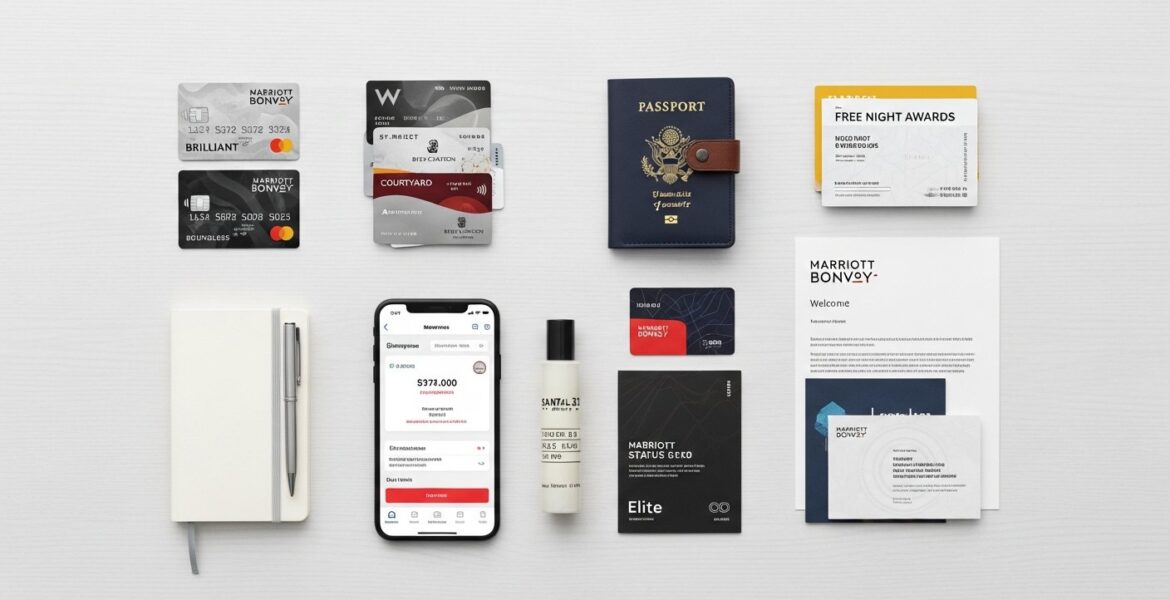
  • Hotel Co-Branded Cards: Similar to airline cards, these earn points directly with a specific hotel chain (e.g., Marriott Bonvoy, Hilton Honors). Benefits often include automatic elite status, free night certificates, and bonus points on hotel stays.
  • Cash Back Cards (for travel funds): While not directly earning points, high cash back cards can be used to fund travel expenses. Some cash back cards, like the Chase Freedom Unlimited, earn points that can be converted to transferable points if you also hold a premium Chase card.

[INLINE IMAGE 1: place after second H2 | alt=”beginner’s guide to travel hacking concept illustration”]

Comparison: Popular Beginner-Friendly Travel Credit Cards (Hypothetical 2026)

Here’s a simplified look at some hypothetical popular options for beginners, focusing on key features:

Card Name Annual Fee (Hypothetical) Primary Rewards Program Typical Welcome Offer (Hypothetical) Key Benefits for Beginners
goldpoints Explorer Card $95 goldpoints Rewards (transferable) 60,000 points after $4k spend in 3 mos. Flexible points, travel credits, primary rental car insurance.
AeroMiles Starter Card $0 intro, then $59 AeroMiles (airline-specific) 40,000 miles after $2k spend in 3 mos. Free checked bag on AeroMiles flights, priority boarding.
StayWell Rewards Card $99 StayWell Points (hotel-specific) 80,000 points after $3k spend in 3 mos. Automatic Silver status, annual free night certificate.
CashFlow Platinum Card $0 2% Cash Back on Everything $200 bonus after $1k spend in 3 mos. Simple cash back, no annual fee, ideal for funding travel directly.
Passport Preferred Card $95 Passport Rewards (transferable) 50,000 points after $4k spend in 3 mos. Flexible points, bonus on dining/travel, travel insurance.

Responsible Credit Card Management: Your Golden Rule

Before applying for any credit card, especially for travel hacking, it is absolutely crucial to understand and practice responsible credit management. Travel hacking should never lead to debt. If you cannot pay your credit card bill in full and on time every month, travel hacking is not for you. The interest charges will quickly negate any value gained from points and miles.

  • Pay in Full, On Time: This is non-negotiable. Always pay your statement balance in full before the due date.
  • Avoid Unnecessary Spending: Only spend what you would normally spend anyway to meet minimum spending requirements. Don’t buy things just for the points.
  • Monitor Your Credit Score: Applying for new credit cards can temporarily ding your credit score. However, if managed responsibly (paying on time, keeping utilization low), your score will recover and often improve over time. Regularly check your credit score to ensure you’re on track.
  • Understand the “Churning” Rules: Credit card issuers have rules about how often you can earn a welcome bonus. For instance, Chase’s 5/24 rule is a well-known hurdle for many travel hackers. Research these rules before applying.

Navigating the Loyalty Landscape: Airline & Hotel Programs

Beyond the initial credit card bonuses, understanding and actively participating in airline and hotel loyalty programs is vital for long-term travel hacking success. These programs offer different ways to earn and redeem points, often providing unique benefits to loyal members.

Airline Loyalty Programs: Earning & Redeeming Miles

Every major airline has its own loyalty program (e.g., American Airlines AAdvantage, Delta SkyMiles, United MileagePlus, Southwest Rapid Rewards). While they all aim to reward loyal customers, their structures, earning rates, and redemption values can vary significantly.

  • Earning Miles:
    • Flying: Traditionally, you earned miles based on distance flown. Now, most airlines award miles based on the fare paid and your elite status.
    • Co-Branded Credit Cards: As discussed, these are powerful tools for earning airline-specific miles.
    • Transfer Partners: Many flexible points (like goldpoints Rewards, Passport Rewards) can be transferred to various airline partners. This is a key strategy for finding “sweet spots.”
    • Shopping Portals: Airlines often have their own shopping portals where you earn bonus miles for online purchases.
    • Dining Programs: Link your credit card to an airline dining program and earn miles when you eat at participating restaurants.
  • Redeeming Miles:
    • Award Flights: This is the primary use. Miles can be redeemed for flights, often at a much higher value than if you paid cash.
    • Award Charts vs. Dynamic Pricing: Some airlines (like Southwest) have relatively fixed award charts, while others (like Delta) use dynamic pricing, meaning the number of miles required changes with demand and cash price.
    • Sweet Spots: These are particularly good redemption values, often found on specific routes, airlines (especially partner airlines), or cabin classes.
    • Fees: Be aware of taxes, fees, and surcharges on award tickets, especially for international flights. Fuel surcharges can sometimes be substantial.

Researching major airline loyalty programs is essential to pick those that align with your travel goals.

Hotel Loyalty Programs: Points, Free Nights & Elite Status

Hotel loyalty programs (e.g., Marriott Bonvoy, Hilton Honors, World of Hyatt, IHG One Rewards) work similarly to airline programs, offering points for stays and providing free nights or other benefits upon redemption. One significant draw is often the pursuit of elite status.

  • Earning Points:
    • Hotel Stays: Earn points for every dollar spent at participating hotel brands. Elite members earn bonus points.
    • Co-Branded Credit Cards: Hotel credit cards are excellent for accumulating points and often come with automatic elite status.
    • Transfer Partners: Flexible points systems often allow transfers to hotel programs.
    • Promotions: Hotels frequently run promotions offering bonus points for specific stays or activities.
  • Redeeming Points:
    • Free Night Awards: The most common redemption. The number of points required varies by hotel category, location, and demand.
    • PointSavers/Off-Peak Rates: Many programs offer reduced point rates during off-peak seasons or for specific promotions.
    • 5th Night Free: Some programs, like Marriott and Hilton, offer the fifth night free when redeeming points for four consecutive nights. This is a fantastic value enhancer.
    • Room Upgrades: Sometimes points can be used for upgrading rooms, though this is often not the best value.
  • Elite Status:
    • Benefits: Elite status (earned through frequent stays or credit card perks) can provide perks like complimentary breakfast, room upgrades, late checkout, bonus points, and even lounge access.
    • Credit Card Paths: Many hotel credit cards offer automatic mid-tier or even high-tier elite status just for being a cardholder, making it much easier to enjoy premium benefits. Our hotel loyalty program overview delves deeper.

Airline Alliances and Hotel Brand Families

Understanding alliances is key. Airlines group into alliances (Star Alliance, SkyTeam, Oneworld), allowing you to earn and redeem miles across member airlines. Similarly, hotel companies own many different brands (e.g., Marriott owns St. Regis, Ritz-Carlton, Courtyard, etc.), and points are often interchangeable across these brands within the same loyalty program. This expands your earning and redemption opportunities significantly.

Maximizing Your Earnings: Strategic Spending & Beyond

beginner's guide to travel hacking - infographic 4 illustration

Once you’ve mastered the basics of credit card bonuses and loyalty programs, the next step is to optimize your everyday spending to continually rack up points. This isn’t about spending more, but spending smarter.

Everyday Spending Strategies

Your regular expenses—groceries, dining, utilities, gas—can become powerful point generators when you use the right credit card.

  • Category Bonuses: Many credit cards offer bonus points in specific spending categories (e.g., 3x points on dining, 5x points on gas). Always use the card that provides the highest return for each type of purchase.
  • Rotating Categories: Some cards (like Chase Freedom Flex) offer 5x points in rotating categories that change each quarter. Activating and using these cards for eligible purchases can yield massive point boosts.
  • Online Bill Pay: Pay as many bills as possible with your credit card – rent (if allowed without excessive fees), utilities, streaming services, insurance. Be mindful of any processing fees that might negate your earnings.

Shopping Portals: An Easy Win

Shopping portals are websites that act as intermediaries between you and online retailers. By clicking through the portal before making a purchase, you earn bonus points or cash back in addition to what your credit card offers. This is often called “stacking” rewards.

  • How They Work: Visit a shopping portal (e.g., Rakuten, airline/hotel portals, card issuer portals), search for your desired retailer, click the link, and shop as usual. The portal tracks your purchase and awards the bonus.
  • Popular Portals:
    • Cash Back Portals: Rakuten (formerly Ebates) is very popular, offering cash back that can sometimes be converted to American Express Membership Rewards points.
    • Airline Portals: Most major airlines have their own shopping portals (e.g., AAdvantage eShopping, United MileagePlus Shopping).
    • Credit Card Portals: Some card issuers have their own portals offering bonus points.
  • Maximizing: Always check a portal aggregator like CashBackMonitor.com to see which portal offers the best return for a specific retailer before making an online purchase.

[INLINE IMAGE 2: place after fourth H2 | alt=”beginner’s guide to travel hacking comparison illustration”]

Dining Programs: Earn Points While You Eat

Similar to shopping portals, dining programs allow you to earn extra points or miles at participating restaurants. You link your credit cards to the program, and when you pay with a linked card at an eligible restaurant, you automatically earn bonus rewards. This is a set-it-and-forget-it strategy.

  • Examples: Most major airlines and some hotel programs have dining programs (e.g., AAdvantage Dining, SkyMiles Dining).
  • Stacking Potential: You can often stack dining program rewards with your credit card’s dining bonus category, effectively earning double or triple rewards on a single meal.

Referral Bonuses: Sharing the Wealth

Once you’ve found success with certain credit cards, you can often refer friends and family and earn a bonus if they are approved for the card. This is a win-win, as your friends get a great card, and you get extra points without any additional spending.

Other Earning Opportunities

  • Surveys: Some loyalty programs partner with survey companies, offering a small number of points for completing surveys. While not highly lucrative, it’s an easy way to top off an account.
  • Promotions: Keep an eye out for targeted promotions from airlines, hotels, and credit card companies (e.g., “spend $X at merchant Y, get Z points back”).

Mastering Redemptions: Getting the Most Value for Your Points

Earning points is only half the battle; redeeming them wisely is where the true value of travel hacking shines. A poorly redeemed point is a wasted point. The goal is to maximize the value you get from each point or mile, aiming for redemption values significantly higher than 1 cent per point.

Understanding Point Valuations and “Sweet Spots”

Points and miles don’t have a fixed monetary value. Their value fluctuates based on how you redeem them. Generally, a good redemption for airline miles can be 2-5 cents per mile, while hotel points might range from 0.5-2 cents per point. Cash back cards typically offer 1 cent per point (or 1% cash back).

  • Sweet Spots: These are specific redemption opportunities where you get an outsized value for your points. Examples include:
    • Booking business or first-class international flights using airline miles, which would otherwise cost thousands of dollars.
    • Using hotel points for stays at luxury properties where cash rates are very high.
    • Leveraging partner airlines to fly routes that are very expensive with the primary airline’s miles.
    • Booking short-haul flights with specific loyalty programs for very few miles.
  • Avoid Low-Value Redemptions: Generally, avoid redeeming points for gift cards, merchandise, or cash back (unless it’s a cash back specific card). These usually yield a fixed, low value (often 1 cent per point or less), missing out on the potential for much higher travel values.

Strategies for Redeeming Airline Miles

  • Search for Award Availability Early: The best award space, especially for premium cabins, often gets booked far in advance or sometimes at the last minute. Be flexible with your travel dates if possible.
  • Utilize Partner Airlines: Don’t limit yourself to the airline you earned miles with. Many airlines are part of alliances (Star Alliance, Oneworld, SkyTeam) or have individual partnerships. You can often use miles from one airline to book flights on a partner airline, sometimes finding better availability or lower mileage requirements.
  • Consider Stopovers and Open-Jaws: Some programs allow stopovers (a layover for more than 24 hours) or open-jaws (flying into one city and out of another) on award tickets, allowing you to visit multiple destinations for the price of one.
  • Watch Out for Fuel Surcharges: Some airlines (notably British Airways, Lufthansa) levy hefty fuel surcharges on award tickets, which can significantly reduce the value of your redemption. Research before booking.

Strategies for Redeeming Hotel Points

  • Target High-Value Stays: Hotel points often shine brightest when used for expensive nights at high-end properties or during peak season when cash rates are exorbitant.
  • Utilize “5th Night Free” or Similar Benefits: Many programs offer a free night when you book multiple consecutive nights with points. Always take advantage of this to maximize your stay.
  • Look for PointSavers or Off-Peak Awards: Hotel programs frequently offer discounted point redemptions during certain periods or at specific properties.
  • Avoid Using Points for Basic Budget Stays: If a hotel costs $50 a night, using 15,000 points might only give you 0.3 cents per point, which is generally a poor redemption. Save your points for higher-value opportunities.

Transferring Flexible Points

This is where transferable points programs (like goldpoints Rewards, Passport Rewards, American Express Membership Rewards, Capital One Venture Miles) truly shine. These programs allow you to transfer your points to various airline and hotel loyalty programs, giving you immense flexibility to find the best redemption value.

  • Know Your Transfer Partners: Familiarize yourself with all the transfer partners for your flexible points currency.
  • Wait for Transfer Bonuses: Card issuers occasionally offer transfer bonuses (e.g., transfer 1,000 points, get 1,250 airline miles). These can significantly boost your redemption value.
  • Transfer Only When Needed: Once points are transferred to an airline or hotel program, they generally cannot be transferred back. Only transfer points when you have a specific redemption in mind and have confirmed availability.

To deepen your understanding, check out our guide on strategies for maximizing point redemptions.

Planning Your First Travel Hack: A Step-by-Step Blueprint

beginner's guide to travel hacking - chart 6 illustration

Now that you understand the mechanics, it’s time to put your knowledge into action. For beginners, a structured approach is key to success and avoiding overwhelm.

Step 1: Define Your Travel Goals

What kind of trip do you want to take? Where do you want to go? When? How many people? Having a clear goal will dictate which points and miles you should focus on earning.

  • Destination: Domestic or international? Specific city or region?
  • Travel Style: Luxury hotel, budget hostel, or somewhere in between? First-class flight or economy?
  • Timeline: Do you need to travel in 6 months or 2 years? This affects how much time you have to accumulate points.
  • Companions: Traveling solo, with a partner, or a family? More people mean more points required.

Example: “I want to fly round-trip to Paris for two people in economy class within the next year, staying in a mid-range hotel for 5 nights.”

Step 2: Research Point Requirements and Availability

Once you have a goal, research how many points or miles you’ll need. This involves:

  • Airline Research: Check award charts (if available) or use airline booking engines to see how many miles your desired flights require and if there’s availability on your preferred dates. Look at alliance partners too.
  • Hotel Research: Check the points required for hotels in your target destination for your desired dates. Use the “points” filter on hotel websites.
  • Cash Price Comparison: Always check the cash price of the flights/hotels to ensure your point redemption offers good value.

Example: “Flights to Paris for two on goldpoints’ partner airline, Global Airlines, require 60,000 miles round-trip per person (120,000 total). A mid-range hotel for 5 nights requires 25,000 points per night (125,000 total) from a major chain.”

Step 3: Identify Target Credit Cards & Loyalty Programs

Based on your research, determine which credit cards and loyalty programs will help you reach your goal fastest.

  • Prioritize Sign-Up Bonuses: Look for cards offering welcome bonuses that align with the points/miles you need. If you need airline miles, target a transferable points card or a co-branded airline card. If you need hotel points, target a hotel co-branded card.
  • Consider Card Benefits: Beyond points, evaluate annual fees, travel credits, lounge access, and other perks that enhance your travel experience. You can find inspiration in our guide to best travel credit cards for 2026.
  • Plan Your Applications: Space out credit card applications to manage minimum spend requirements and stay within issuer rules (e.g., Chase 5/24).

Example: “To get 120,000 Global Airlines miles, I could apply for two goldpoints Explorer Cards (each offering 60,000 points, transferable to Global Airlines) or one goldpoints Explorer Card and one Global Airlines co-branded card. For the hotel, a StayWell Rewards Card with a 80,000-point bonus and regular spending could get me close to 125,000 points.”

Step 4: Execute Your Earning Strategy

Once approved for cards, focus on meeting the minimum spending requirements responsibly. This is the most crucial step for beginners.

  • Track Spending: Keep a spreadsheet or use an app to track your progress towards the minimum spend.
  • Pay Bills on Time: Always pay your credit card bill in full and on time to avoid interest and maintain a good credit score.
  • Leverage Category Bonuses: Use the right card for the right type of purchase to earn bonus points beyond the welcome offer.

Example: “I’ll use my new goldpoints Explorer Card for all my regular expenses, focusing on purchases that earn bonus points, until I hit the $4,000 minimum spend. Then I’ll move on to the next card.”

Step 5: Book Your Award Travel

Once you have enough points, it’s time to book! This usually involves transferring points (if using flexible currency) and then booking directly with the airline or hotel.

  • Confirm Availability: Before transferring points, double-check that your desired award space is still available.
  • Transfer Points: Initiate the transfer from your flexible points program to the airline/hotel loyalty program. Be aware that transfers can take minutes to a few days.
  • Book: Log in to the airline or hotel loyalty program website and book your award travel.
  • Be Flexible: If your first choice isn’t available, be prepared to adjust dates, destinations, or even loyalty programs.

Example: “I’ve accumulated 120,000 goldpoints Rewards and 125,000 StayWell Points. I confirm Global Airlines award space to Paris and transfer my goldpoints. Then I confirm StayWell hotel availability and book my hotel nights. Success!”

Common Pitfalls to Avoid on Your Travel Hacking Journey

While travel hacking offers incredible opportunities, there are common mistakes beginners make that can hinder progress or even lead to financial trouble. Being aware of these pitfalls is key to a smooth and successful journey.

1. Overspending to Meet Minimum Requirements

This is arguably the biggest trap. The entire premise of responsible travel hacking is to earn rewards on spending you would make anyway. If you spend money you don’t have, or buy unnecessary items just to hit a minimum spend, the cost of interest or wasted purchases will quickly outweigh the value of any points earned.

  • Solution: Only apply for cards when you have a natural, upcoming large expense (e.g., car repairs, insurance premiums, tuition, home improvements) or when you can comfortably meet the spend with your regular monthly budget. Plan your applications around predictable spending.

2. Accumulating Credit Card Debt

As mentioned, carrying a balance on your credit cards will negate any rewards earned due to high-interest rates. Travel hacking is for those who can pay their statements in full, every month.

  • Solution: Always pay your entire statement balance by the due date. If you foresee any difficulty, hold off on applying for new cards until your financial situation is stable.

3. Not Understanding Annual Fees

Many valuable travel credit cards come with annual fees, which can range from under $100 to several hundreds of dollars. Beginners sometimes shy away from these, but often the benefits and welcome bonuses far outweigh the fee, especially in the first year.

  • Solution: Evaluate the value proposition. Do the card’s benefits (travel credits, free night certificates, lounge access, bonus points) easily offset the annual fee? If not, consider a no-annual-fee alternative. Before your renewal date, re-evaluate. You can often downgrade the card to a no-fee version or cancel it if it no longer provides value.

4. Letting Points Expire

Points and miles can expire, though policies vary widely by program. Some expire after a certain period of inactivity, while others have a hard expiration date regardless of activity.

  • Solution: Understand the expiration policy for each of your loyalty accounts. Most programs reset the expiration clock with any earning or redemption activity. Simple actions like a small transfer, using a co-branded credit card, or making a purchase through a shopping portal can keep your points active.

5. Focusing on Too Many Programs at Once

For beginners, trying to master every airline, hotel, and flexible points program simultaneously can lead to confusion and dilute your earning power. It’s better to specialize.

  • Solution: Start with one or two flexible points programs (e.g., goldpoints Rewards and Passport Rewards) and maybe one or two preferred airline/hotel programs. Once you’re comfortable, you can gradually expand.

6. Transferring Points Prematurely

Once you transfer points from a flexible currency (like goldpoints Rewards) to an airline or hotel program, you generally cannot transfer them back. If your desired award space disappears after you’ve transferred, you might be stuck with points in a program you don’t immediately need.

  • Solution: Always confirm award availability *before* initiating a point transfer. Only transfer the exact amount of points needed for a confirmed booking.

7. Not Tracking Your Applications and Accounts

With multiple credit cards and loyalty accounts, it’s easy to lose track of minimum spend deadlines, annual fee dates, or point balances.

  • Solution: Use a spreadsheet or a dedicated app to track all your credit card applications, minimum spend progress, annual fee dates, and point balances across different loyalty programs. This organization is crucial for long-term success.

The goldpoints Philosophy: Hacking Responsibly and Sustainably

At goldpoints, we advocate for a mindful and sustainable approach to travel hacking. Our philosophy centers on empowering you to travel more, experience richer journeys, and save money, all while maintaining excellent financial health. Travel hacking isn’t a race; it’s a marathon where smart decisions lead to long-term rewards.

Ethical Considerations

Responsible travel hacking is about leveraging legitimate financial products and loyalty programs as intended. It’s not about exploiting system glitches, engaging in dishonest practices, or applying for credit cards solely to “churn” them with no intention of using them responsibly. Our guides always emphasize practices that are within the terms and conditions of credit card issuers and loyalty programs.

Building a Strong Credit Profile

A good credit score is the foundation of successful travel hacking. It allows you to qualify for the best cards with the most lucrative welcome offers. Consistently paying bills on time, keeping credit utilization low, and responsibly managing your accounts will not only help you get approved for new cards but also improve your overall financial standing.

Long-Term Strategy vs. Short-Term Gains

While the allure of a large welcome bonus is powerful, think about your travel hacking journey as a long-term strategy. What are your travel goals for the next 3-5 years? By aligning your card applications and point accumulation with these goals, you can build a robust arsenal of points and miles that will fund years of incredible travel experiences. Don’t chase every single bonus; chase the ones that make sense for your specific aspirations.

Enjoying the Journey

Ultimately, travel hacking is about enabling travel and enriching your life. Don’t let the pursuit of points overshadow the joy of planning and experiencing your trips. Celebrate each successful redemption and share your knowledge with others. The goldpoints community is built on the idea of helping each other explore the world more freely.

By following this comprehensive beginner’s guide to travel hacking, you’ve taken the first crucial steps toward transforming your spending into unforgettable adventures. Remember to approach it with discipline, a thirst for knowledge, and a commitment to responsible financial practices. The world awaits, and your points are your passport!

Frequently Asked Questions

Q1: Is travel hacking really legitimate and safe for my credit score?

A1: Yes, absolutely


The Ultimate Beginner’s Guide to Travel Hacking: Unlock Your Dream Trips in 2026

By goldpoints Editorial Team — Senior editors with 10+ years of subject-matter experience.
Published 2026-05-26 · Last Updated 2026-05-26

Affiliate disclosure: This article may contain affiliate links. Recommendations are independent and editorially driven.

Welcome to the exciting world of travel hacking! If the idea of exploring new destinations, staying in luxurious hotels, or flying first-class without draining your bank account sounds like a fantasy, think again. Travel hacking is the strategic art of leveraging credit card rewards, airline miles, and hotel points to significantly reduce the cost of travel, making your dream vacations a reality. For beginners, this vast landscape of points and miles can seem daunting, but with the right guidance, anyone can learn to navigate it effectively.

At goldpoints, we believe that smart financial strategies should open doors to richer life experiences. This comprehensive beginner’s guide to travel hacking is designed to demystify the process, providing you with a clear roadmap from understanding the basics to booking your first “free” trip. We’ll break down complex concepts into digestible steps, ensuring you build a solid foundation for sustainable and rewarding travel hacking. By the end of this guide, you’ll be equipped with the knowledge and confidence to embark on your own travel adventures, powered by points and miles.

What Exactly is Travel Hacking? Your Gateway to Affordable Adventures

Travel hacking, at its core, is a set of strategies used to accumulate and redeem loyalty points, airline miles, and hotel points for travel at a greatly reduced cost, often for free. It’s not about finding loopholes or being dishonest; rather, it’s about understanding how loyalty programs and credit card rewards systems work and using them to your advantage within their established rules. Think of it as playing a game where the prize is incredible travel experiences.

Beyond the Misconceptions: What Travel Hacking Isn’t

  • It’s not a get-rich-quick scheme: Travel hacking requires patience, strategy, and responsible financial management.
  • It’s not “free” money: While the travel might be free, you’re earning points through spending you would likely do anyway, or by meeting minimum spend requirements on credit cards.
  • It’s not illegal or unethical: When done correctly, travel hacking is a legitimate way to maximize rewards offered by financial institutions and travel providers.
  • It’s not just for the wealthy: Anyone with a decent credit score and a commitment to financial responsibility can become a successful travel hacker.

The Core Pillars of Travel Hacking

Most travel hacking strategies revolve around a few key areas:

  1. Credit Card Rewards: This is often the most lucrative avenue, primarily through sign-up bonuses for new credit cards.
  2. Loyalty Programs: Earning and redeeming miles with airlines and points with hotel chains.
  3. Strategic Spending: Maximizing everyday purchases through bonus categories, shopping portals, and targeted promotions.
  4. Redemption Savvy: Knowing how and when to redeem points for maximum value.

For beginners, the journey starts by understanding these pillars and building a responsible approach to credit and spending. The goal is to make your existing spending habits work for you, transforming everyday purchases into future travel memories.

Building Your Foundation: Credit Cards & Sign-Up Bonuses

The cornerstone of most successful travel hacking strategies lies in credit card rewards, particularly sign-up or welcome bonuses. These bonuses can provide tens of thousands of points or miles, enough for domestic flights, multiple hotel nights, or a significant chunk of an international trip. Understanding how to responsibly acquire and manage these cards is paramount.

Understanding Credit Card Welcome Offers

A welcome offer (also known as a sign-up bonus) is a large chunk of points or miles awarded by a credit card issuer when a new cardholder meets specific criteria, usually a minimum spending requirement within a certain timeframe (e.g., spend $3,000 in the first three months). These bonuses are significantly more valuable than the points earned through regular spending.

  • Minimum Spending Requirements: This is the amount you need to spend on the card within the introductory period to earn the bonus. It’s crucial to meet this naturally, without overspending or buying things you don’t need.
  • Timing: Most bonuses require meeting the spend within 3-6 months. Plan your card applications around periods of higher anticipated spending (e.g., holidays, large purchases, home renovations).
  • Types of Bonuses: Some cards offer a fixed amount of cash back, others offer points redeemable for specific airlines or hotels, and many offer transferable points that can be moved to various airline and hotel partners.

Types of Travel Credit Cards for Beginners

Not all travel credit cards are created equal. As a beginner, it’s wise to start with cards that offer flexible rewards or have low annual fees to minimize risk while you learn the ropes.

  • Transferable Points Cards: These are often considered the most valuable. Cards like Chase Sapphire Preferred, American Express Gold Card, or Capital One Venture X Rewards Credit Card earn points that can be transferred to multiple airline and hotel loyalty programs. This flexibility allows you to chase the best redemption opportunities.
  • Airline Co-Branded Cards: These cards earn miles directly with a specific airline (e.g., American Airlines AAdvantage, United MileagePlus). They often come with airline-specific perks like free checked bags, priority boarding, and sometimes even companion passes.
  • Hotel Co-Branded Cards: Similar to airline cards, these earn points directly with a specific hotel chain (e.g., Marriott Bonvoy, Hilton Honors). Benefits often include automatic elite status, free night certificates, and bonus points on hotel stays.
  • Cash Back Cards (for travel funds): While not directly earning points, high cash back cards can be used to fund travel expenses. Some cash back cards, like the Chase Freedom Unlimited, earn points that can be converted to transferable points if you also hold a premium Chase card.

[INLINE IMAGE 1: place after second H2 | alt=”beginner’s guide to travel hacking concept illustration”]

Comparison: Popular Beginner-Friendly Travel Credit Cards (Hypothetical 2026)

Here’s a simplified look at some hypothetical popular options for beginners, focusing on key features:

Card Name Annual Fee (Hypothetical) Primary Rewards Program Typical Welcome Offer (Hypothetical) Key Benefits for Beginners
goldpoints Explorer Card $95 goldpoints Rewards (transferable) 60,000 points after $4k spend in 3 mos. Flexible points, travel credits, primary rental car insurance.
AeroMiles Starter Card $0 intro, then $59 AeroMiles (airline-specific) 40,000 miles after $2k spend in 3 mos. Free checked bag on AeroMiles flights, priority boarding.
StayWell Rewards Card $99 StayWell Points (hotel-specific) 80,000 points after $3k spend in 3 mos. Automatic Silver status, annual free night certificate.
CashFlow Platinum Card $0 2% Cash Back on Everything $200 bonus after $1k spend in 3 mos. Simple cash back, no annual fee, ideal for funding travel directly.
Passport Preferred Card $95 Passport Rewards (transferable) 50,000 points after $4k spend in 3 mos. Flexible points, bonus on dining/travel, travel insurance.

Responsible Credit Card Management: Your Golden Rule

Before applying for any credit card, especially for travel hacking, it is absolutely crucial to understand and practice responsible credit management. Travel hacking should never lead to debt. If you cannot pay your credit card bill in full and on time every month, travel hacking is not for you. The interest charges will quickly negate any value gained from points and miles.

  • Pay in Full, On Time: This is non-negotiable. Always pay your statement balance in full before the due date.
  • Avoid Unnecessary Spending: Only spend what you would normally spend anyway to meet minimum spending requirements. Don’t buy things just for the points.
  • Monitor Your Credit Score: Applying for new credit cards can temporarily ding your credit score. However, if managed responsibly (paying on time, keeping utilization low), your score will recover and often improve over time. Regularly check your credit score to ensure you’re on track.
  • Understand the “Churning” Rules: Credit card issuers have rules about how often you can earn a welcome bonus. For instance, Chase’s 5/24 rule is a well-known hurdle for many travel hackers. Research these rules before applying.

Navigating the Loyalty Landscape: Airline & Hotel Programs

Beyond the initial credit card bonuses, understanding and actively participating in airline and hotel loyalty programs is vital for long-term travel hacking success. These programs offer different ways to earn and redeem points, often providing unique benefits to loyal members.

Airline Loyalty Programs: Earning & Redeeming Miles

Every major airline has its own loyalty program (e.g., American Airlines AAdvantage, Delta SkyMiles, United MileagePlus, Southwest Rapid Rewards). While they all aim to reward loyal customers, their structures, earning rates, and redemption values can vary significantly.

  • Earning Miles:
    • Flying: Traditionally, you earned miles based on distance flown. Now, most airlines award miles based on the fare paid and your elite status.
    • Co-Branded Credit Cards: As discussed, these are powerful tools for earning airline-specific miles.
    • Transfer Partners: Many flexible points (like goldpoints Rewards, Passport Rewards) can be transferred to various airline partners. This is a key strategy for finding “sweet spots.”
    • Shopping Portals: Airlines often have their own shopping portals where you earn bonus miles for online purchases.
    • Dining Programs: Link your credit card to an airline dining program and earn miles when you eat at participating restaurants.
  • Redeeming Miles:
    • Award Flights: This is the primary use. Miles can be redeemed for flights, often at a much higher value than if you paid cash.
    • Award Charts vs. Dynamic Pricing: Some airlines (like Southwest) have relatively fixed award charts, while others (like Delta) use dynamic pricing, meaning the number of miles required changes with demand and cash price.
    • Sweet Spots: These are particularly good redemption values, often found on specific routes, airlines (especially partner airlines), or cabin classes.
    • Fees: Be aware of taxes, fees, and surcharges on award tickets, especially for international flights. Fuel surcharges can sometimes be substantial.

Researching major airline loyalty programs is essential to pick those that align with your travel goals.

Hotel Loyalty Programs: Points, Free Nights & Elite Status

Hotel loyalty programs (e.g., Marriott Bonvoy, Hilton Honors, World of Hyatt, IHG One Rewards) work similarly to airline programs, offering points for stays and providing free nights or other benefits upon redemption. One significant draw is often the pursuit of elite status.

  • Earning Points:
    • Hotel Stays: Earn points for every dollar spent at participating hotel brands. Elite members earn bonus points.
    • Co-Branded Credit Cards: Hotel credit cards are excellent for accumulating points and often come with automatic elite status.
    • Transfer Partners: Flexible points systems often allow transfers to hotel programs.
    • Promotions: Hotels frequently run promotions offering bonus points for specific stays or activities.
  • Redeeming Points:
    • Free Night Awards: The most common redemption. The number of points required varies by hotel category, location, and demand.
    • PointSavers/Off-Peak Rates: Many programs offer reduced point rates during off-peak seasons or for specific promotions.
    • 5th Night Free: Some programs, like Marriott and Hilton, offer the fifth night free when redeeming points for four consecutive nights. This is a fantastic value enhancer.
    • Room Upgrades: Sometimes points can be used for upgrading rooms, though this is often not the best value.
  • Elite Status:
    • Benefits: Elite status (earned through frequent stays or credit card perks) can provide perks like complimentary breakfast, room upgrades, late checkout, bonus points, and even lounge access.
    • Credit Card Paths: Many hotel credit cards offer automatic mid-tier or even high-tier elite status just for being a cardholder, making it much easier to enjoy premium benefits. Our hotel loyalty program overview delves deeper.

Airline Alliances and Hotel Brand Families

Understanding alliances is key. Airlines group into alliances (Star Alliance, SkyTeam, Oneworld), allowing you to earn and redeem miles across member airlines. Similarly, hotel companies own many different brands (e.g., Marriott owns St. Regis, Ritz-Carlton, Courtyard, etc.), and points are often interchangeable across these brands within the same loyalty program. This expands your earning and redemption opportunities significantly.

Maximizing Your Earnings: Strategic Spending & Beyond

Once you’ve mastered the basics of credit card bonuses and loyalty programs, the next step is to optimize your everyday spending to continually rack up points. This isn’t about spending more, but spending smarter.

Everyday Spending Strategies

Your regular expenses—groceries, dining, utilities, gas—can become powerful point generators when you use the right credit card.

  • Category Bonuses: Many credit cards offer bonus points in specific spending categories (e.g., 3x points on dining, 5x points on gas). Always use the card that provides the highest return for each type of purchase.
  • Rotating Categories: Some cards (like Chase Freedom Flex) offer 5x points in rotating categories that change each quarter. Activating and using these cards for eligible purchases can yield massive point boosts.
  • Online Bill Pay: Pay as many bills as possible with your credit card – rent (if allowed without excessive fees), utilities, streaming services, insurance. Be mindful of any processing fees that might negate your earnings.

Shopping Portals: An Easy Win

Shopping portals are websites that act as intermediaries between you and online retailers. By clicking through the portal before making a purchase, you earn bonus points or cash back in addition to what your credit card offers. This is often called “stacking” rewards.

  • How They Work: Visit a shopping portal (e.g., Rakuten, airline/hotel portals, card issuer portals), search for your desired retailer, click the link, and shop as usual. The portal tracks your purchase and awards the bonus.
  • Popular Portals:
    • Cash Back Portals: Rakuten (formerly Ebates) is very popular, offering cash back that can sometimes be converted to American Express Membership Rewards points.
    • Airline Portals: Most major airlines have their own shopping portals (e.g., AAdvantage eShopping, United MileagePlus Shopping).
    • Credit Card Portals: Some card issuers have their own portals offering bonus points.
  • Maximizing: Always check a portal aggregator like CashBackMonitor.com to see which portal offers the best return for a specific retailer before making an online purchase.

[INLINE IMAGE 2: place after fourth H2 | alt=”beginner’s guide to travel hacking comparison illustration”]

Dining Programs: Earn Points While You Eat

Similar to shopping portals, dining programs allow you to earn extra points or miles at participating restaurants. You link your credit cards to the program, and when you pay with a linked card at an eligible restaurant, you automatically earn bonus rewards. This is a set-it-and-forget-it strategy.

  • Examples: Most major airlines and some hotel programs have dining programs (e.g., AAdvantage Dining, SkyMiles Dining).
  • Stacking Potential: You can often stack dining program rewards with your credit card’s dining bonus category, effectively earning double or triple rewards on a single meal.

Referral Bonuses: Sharing the Wealth

Once you’ve found success with certain credit cards, you can often refer friends and family and earn a bonus if they are approved for the card. This is a win-win, as your friends get a great card, and you get extra points without any additional spending.

Other Earning Opportunities

  • Surveys: Some loyalty programs partner with survey companies, offering a small number of points for completing surveys. While not highly lucrative, it’s an easy way to top off an account.
  • Promotions: Keep an eye out for targeted promotions from airlines, hotels, and credit card companies (e.g., “spend $X at merchant Y, get Z points back”).

Mastering Redemptions: Getting the Most Value for Your Points

Earning points is only half the battle; redeeming them wisely is where the true value of travel hacking shines. A poorly redeemed point is a wasted point. The goal is to maximize the value you get from each point or mile, aiming for redemption values significantly higher than 1 cent per point.

Understanding Point Valuations and “Sweet Spots”

Points and miles don’t have a fixed monetary value. Their value fluctuates based on how you redeem them. Generally, a good redemption for airline miles can be 2-5 cents per mile, while hotel points might range from 0.5-2 cents per point. Cash back cards typically offer 1 cent per point (or 1% cash back).

  • Sweet Spots: These are specific redemption opportunities where you get an outsized value for your points. Examples include:
    • Booking business or first-class international flights using airline miles, which would otherwise cost thousands of dollars.
    • Using hotel points for stays at luxury properties where cash rates are very high.
    • Leveraging partner airlines to fly routes that are very expensive with the primary airline’s miles.
    • Booking short-haul flights with specific loyalty programs for very few miles.
  • Avoid Low-Value Redemptions: Generally, avoid redeeming points for gift cards, merchandise, or cash back (unless it’s a cash back specific card). These usually yield a fixed, low value (often 1 cent per point or less), missing out on the potential for much higher travel values.

Strategies for Redeeming Airline Miles

  • Search for Award Availability Early: The best award space, especially for premium cabins, often gets booked far in advance or sometimes at the last minute. Be flexible with your travel dates if possible.
  • Utilize Partner Airlines: Don’t limit yourself to the airline you earned miles with. Many airlines are part of alliances (Star Alliance, Oneworld, SkyTeam) or have individual partnerships. You can often use miles from one airline to book flights on a partner airline, sometimes finding better availability or lower mileage requirements.
  • Consider Stopovers and Open-Jaws: Some programs allow stopovers (a layover for more than 24 hours) or open-jaws (flying into one city and out of another) on award tickets, allowing you to visit multiple destinations for the price of one.
  • Watch Out for Fuel Surcharges: Some airlines (notably British Airways, Lufthansa) levy hefty fuel surcharges on award tickets, which can significantly reduce the value of your redemption. Research before booking.

Strategies for Redeeming Hotel Points

  • Target High-Value Stays: Hotel points often shine brightest when used for expensive nights at high-end properties or during peak season when cash rates are exorbitant.
  • Utilize “5th Night Free” or Similar Benefits: Many programs offer a free night when you book multiple consecutive nights with points. Always take advantage of this to maximize your stay.
  • Look for PointSavers or Off-Peak Awards: Hotel programs frequently offer discounted point redemptions during certain periods or at specific properties.
  • Avoid Using Points for Basic Budget Stays: If a hotel costs $50 a night, using 15,000 points might only give you 0.3 cents per point, which is generally a poor redemption. Save your points for higher-value opportunities.

Transferring Flexible Points

This is where transferable points programs (like goldpoints Rewards, Passport Rewards, American Express Membership Rewards, Capital One Venture Miles) truly shine. These programs allow you to transfer your points to various airline and hotel loyalty programs, giving you immense flexibility to find the best redemption value.

  • Know Your Transfer Partners: Familiarize yourself with all the transfer partners for your flexible points currency.
  • Wait for Transfer Bonuses: Card issuers occasionally offer transfer bonuses (e.g., transfer 1,000 points, get 1,250 airline miles). These can significantly boost your redemption value.
  • Transfer Only When Needed: Once points are transferred to an airline or hotel program, they generally cannot be transferred back. Only transfer points when you have a specific redemption in mind and have confirmed availability.

To deepen your understanding, check out our guide on strategies for maximizing point redemptions.

Planning Your First Travel Hack: A Step-by-Step Blueprint

Now that you understand the mechanics, it’s time to put your knowledge into action. For beginners, a structured approach is key to success and avoiding overwhelm.

Step 1: Define Your Travel Goals

What kind of trip do you want to take? Where do you want to go? When? How many people? Having a clear goal will dictate which points and miles you should focus on earning.

  • Destination: Domestic or international? Specific city or region?
  • Travel Style: Luxury hotel, budget hostel, or somewhere in between? First-class flight or economy?
  • Timeline: Do you need to travel in 6 months or 2 years? This affects how much time you have to accumulate points.
  • Companions: Traveling solo, with a partner, or a family? More people mean more points required.

Example: “I want to fly round-trip to Paris for two people in economy class within the next year, staying in a mid-range hotel for 5 nights.”

Step 2: Research Point Requirements and Availability

Once you have a goal, research how many points or miles you’ll need. This involves:

  • Airline Research: Check award charts (if available) or use airline booking engines to see how many miles your desired flights require and if there’s availability on your preferred dates. Look at alliance partners too.
  • Hotel Research: Check the points required for hotels in your target destination for your desired dates. Use the “points” filter on hotel websites.
  • Cash Price Comparison: Always check the cash price of the flights/hotels to ensure your point redemption offers good value.

Example: “Flights to Paris for two on goldpoints’ partner airline, Global Airlines, require 60,000 miles round-trip per person (120,000 total). A mid-range hotel for 5 nights requires 25,000 points per night (125,000 total) from a major chain.”

Step 3: Identify Target Credit Cards & Loyalty Programs

Based on your research, determine which credit cards and loyalty programs will help you reach your goal fastest.

  • Prioritize Sign-Up Bonuses: Look for cards offering welcome bonuses that align with the points/miles you need. If you need airline miles, target a transferable points card or a co-branded airline card. If you need hotel points, target a hotel co-branded card.
  • Consider Card Benefits: Beyond points, evaluate annual fees, travel credits, lounge access, and other perks that enhance your travel experience. You can find inspiration in our guide to best travel credit cards for 2026.
  • Plan Your Applications: Space out credit card applications to manage minimum spend requirements and stay within issuer rules (e.g., Chase 5/24).

Example: “To get 120,000 Global Airlines miles, I could apply for two goldpoints Explorer Cards (each offering 60,000 points, transferable to Global Airlines) or one goldpoints Explorer Card and one Global Airlines co-branded card. For the hotel, a StayWell Rewards Card with a 80,000-point bonus and regular spending could get me close to 125,000 points.”

Step 4: Execute Your Earning Strategy

Once approved for cards, focus on meeting the minimum spending requirements responsibly. This is the most crucial step for beginners.

  • Track Spending: Keep a spreadsheet or use an app to track your progress towards the minimum spend.
  • Pay Bills on Time: Always pay your credit card bill in full and on time to avoid interest and maintain a good credit score.
  • Leverage Category Bonuses: Use the right card for the right type of purchase to earn bonus points beyond the welcome offer.

Example: “I’ll use my new goldpoints Explorer Card for all my regular expenses, focusing on purchases that earn bonus points, until I hit the $4,000 minimum spend. Then I’ll move on to the next card.”

Step 5: Book Your Award Travel

Once you have enough points, it’s time to book! This usually involves transferring points (if using flexible currency) and then booking directly with the airline or hotel.

  • Confirm Availability: Before transferring points, double-check that your desired award space is still available.
  • Transfer Points: Initiate the transfer from your flexible points program to the airline/hotel loyalty program. Be aware that transfers can take minutes to a few days.
  • Book: Log in to the airline or hotel loyalty program website and book your award travel.
  • Be Flexible: If your first choice isn’t available, be prepared to adjust dates, destinations, or even loyalty programs.

Example: “I’ve accumulated 120,000 goldpoints Rewards and 125,000 StayWell Points. I confirm Global Airlines award space to Paris and transfer my goldpoints. Then I confirm StayWell hotel availability and book my hotel nights. Success!”

Common Pitfalls to Avoid on Your Travel Hacking Journey

While travel hacking offers incredible opportunities, there are common mistakes beginners make that can hinder progress or even lead to financial trouble. Being aware of these pitfalls is key to a smooth and successful journey.

1. Overspending to Meet Minimum Requirements

This is arguably the biggest trap. The entire premise of responsible travel hacking is to earn rewards on spending you would make anyway. If you spend money you don’t have, or buy unnecessary items just to hit a minimum spend, the cost of interest or wasted purchases will quickly outweigh the value of any points earned.

  • Solution: Only apply for cards when you have a natural, upcoming large expense (e.g., car repairs, insurance premiums, tuition, home improvements) or when you can comfortably meet the spend with your regular monthly budget. Plan your applications around predictable spending.

2. Accumulating Credit Card Debt

As mentioned, carrying a balance on your credit cards will negate any rewards earned due to high-interest rates. Travel hacking is for those who can pay their statements in full, every month.

  • Solution: Always pay your entire statement balance by the due date. If you foresee any difficulty, hold off on applying for new cards until your financial situation is stable.

3. Not Understanding Annual Fees

Many valuable travel credit cards come with annual fees, which can range from under $100 to several hundreds of dollars. Beginners sometimes shy away from these, but often the benefits and welcome bonuses far outweigh the fee, especially in the first year.

  • Solution: Evaluate the value proposition. Do the card’s benefits (travel credits, free night certificates, lounge access, bonus points) easily offset the annual fee? If not, consider a no-annual-fee alternative. Before your renewal date, re-evaluate. You can often downgrade the card to a no-fee version or cancel it if it no longer provides value.

4. Letting Points Expire

Points and miles can expire, though policies vary widely by program. Some expire after a certain period of inactivity, while others have a hard expiration date regardless of activity.

  • Solution: Understand the expiration policy for each of your loyalty accounts. Most programs reset the expiration clock with any earning or redemption activity. Simple actions like a small transfer, using a co-branded credit card, or making a purchase through a shopping portal can keep your points active.

5. Focusing on Too Many Programs at Once

For beginners, trying to master every airline, hotel, and flexible points program simultaneously can lead to confusion and dilute your earning power. It’s better to specialize.

  • Solution: Start with one or two flexible points programs (e.g., goldpoints Rewards and Passport Rewards) and maybe one or two preferred airline/hotel programs. Once you’re comfortable, you can gradually expand.

6. Transferring Points Prematurely

Once you transfer points from a flexible currency (like goldpoints Rewards) to an airline or hotel program, you generally cannot transfer them back. If your desired award space disappears after you’ve transferred, you might be stuck with points in a program you don’t immediately need.

  • Solution: Always confirm award availability *before* initiating a point transfer. Only transfer the exact amount of points needed for a confirmed booking.

7. Not Tracking Your Applications and Accounts

With multiple credit cards and loyalty accounts, it’s easy to lose track of minimum spend deadlines, annual fee dates, or point balances.

  • Solution: Use a spreadsheet or a dedicated app to track all your credit card applications, minimum spend progress, annual fee dates, and point balances across different loyalty programs. This organization is crucial for long-term success.

The goldpoints Philosophy: Hacking Responsibly and Sustainably

At goldpoints, we advocate for a mindful and sustainable approach to travel hacking. Our philosophy centers on empowering you to travel more, experience richer journeys, and save money, all while maintaining excellent financial health. Travel hacking isn’t a race; it’s a marathon where smart decisions lead to long-term rewards.

Ethical Considerations

Responsible travel hacking is about leveraging legitimate financial products and loyalty programs as intended. It’s not about exploiting system glitches, engaging in dishonest practices, or applying for credit cards solely to “churn” them with no intention of using them responsibly. Our guides always emphasize practices that are within the terms and conditions of credit card issuers and loyalty programs.

Building a Strong Credit Profile

A good credit score is the foundation of successful travel hacking. It allows you to qualify for the best cards with the most lucrative welcome offers. Consistently paying bills on time, keeping credit utilization low, and responsibly managing your accounts will not only help you get approved for new cards but also improve your overall financial standing.

Long-Term Strategy vs. Short-Term Gains

While the allure of a large welcome bonus is powerful, think about your travel hacking journey as a long-term strategy. What are your travel goals for the next 3-5 years? By aligning your card applications and point accumulation with these goals, you can build a robust arsenal of points and miles that will fund years of incredible travel experiences. Don’t chase every single bonus; chase the ones that make sense for your specific aspirations.

Enjoying the Journey

Ultimately, travel hacking is about enabling travel and enriching your life. Don’t let the pursuit of points overshadow the joy of planning and experiencing your trips. Celebrate each successful redemption and share your knowledge with others. The goldpoints community is built on the idea of helping each other explore the world more freely.

By following this comprehensive beginner’s guide to travel hacking, you’ve taken the first crucial steps toward transforming your spending into unforgettable adventures. Remember to approach it with discipline, a thirst for knowledge, and a commitment to responsible financial practices. The world awaits, and your points are your passport!

Frequently Asked Questions

Q1: Is travel hacking really legitimate and safe for my credit score?

A1: Yes, absolutely

Archives

  • June 2026
  • May 2026
  • April 2026
  • March 2026

Calendar

June 2026
M T W T F S S
1234567
891011121314
15161718192021
22232425262728
2930  
« May    

Categories

  • General
  • Our Top Picks
  • Products
  • Services
  • Tech
  • Uncategorized
  • About
  • Our Top Picks
  • Products
  • Tech
  • Services

Copyright Gold Points 2026 | Theme by ThemeinProgress | Proudly powered by WordPress