
Skip to content
  • About
  • Our Top Picks
  • Products
  • Tech
  • Services

Calendar

June 2026
M T W T F S S
1234567
891011121314
15161718192021
22232425262728
2930  
« May    

Archives

  • June 2026
  • May 2026
  • April 2026
  • March 2026

Categories

  • General
  • Our Top Picks
  • Products
  • Services
  • Tech
  • Uncategorized
Gold Points
  • About
  • Our Top Picks
  • Products
  • Tech
  • Services
Featured illustration of rewards points and miles for loyalty programs and smart shopping
Uncategorized

What Are Points And Miles

On June 2, 2026 by pubman


What Are Points and Miles? Your Definitive Guide to Unlocking Free Travel and Premium Experiences

By goldpoints Editorial Team — Senior editors with 10+ years of subject-matter experience.
Published 2026-05-26 · Last Updated 2026-05-26

Affiliate disclosure: This article may contain affiliate links. Recommendations are independent and editorially driven.

Welcome to the transformative world of points and miles, where everyday spending, strategic planning, and loyalty program engagement combine to unlock unparalleled travel experiences. For many, the concept of “free travel” might seem like a myth, but for millions of savvy consumers, it’s a tangible reality made possible by understanding and leveraging credit card rewards, airline miles, and hotel points. This comprehensive guide from goldpoints will demystify what are points and miles, explore their intricate ecosystem, reveal advanced earning and redemption strategies, and empower you to embark on your own journey to discounted or even complimentary adventures around the globe.

Whether you dream of first-class flights, luxury hotel stays, or simply reducing your overall travel budget, mastering points and miles is a skill set that can dramatically alter your financial and travel landscape. We’ll delve into the nuances of different reward currencies, illustrate how to maximize their value, and provide actionable insights to help you navigate this exciting and ever-evolving field. Prepare to transform your approach to spending and travel, moving from simply earning rewards to strategically accumulating and redeeming them for maximum impact.

What Exactly Are Points and Miles? The Core Concepts Explained

At their heart, points and miles are loyalty currencies designed to incentivize consumer behavior. They are digital tokens awarded by credit card issuers, airlines, hotels, and other businesses to reward customers for their patronage. While often used interchangeably, there are subtle yet important distinctions between these two forms of rewards, as well as significant variations in how they can be earned, valued, and redeemed.

Understanding Loyalty Currencies

Think of points and miles as proprietary currencies within specific loyalty ecosystems. Just as dollars have value in the broader economy, points and miles hold value within their respective programs. The goal for any points and miles enthusiast is to earn these currencies efficiently and then redeem them for a value that significantly outweighs their acquisition cost, especially when compared to paying cash for the same travel experience.

For example, if you earn 50,000 points and can use them for a flight that would otherwise cost $1,000, your points are effectively worth 2 cents each (1000 / 50000 = 0.02). Understanding this “cents per point” (CPP) valuation is crucial for making informed redemption decisions and distinguishing between good and bad uses of your hard-earned rewards.

The Fundamental Difference: Points vs. Miles

While the terms are often used interchangeably, particularly in casual conversation, there’s a traditional distinction that helps clarify their origin and typical use cases:

  • Miles: Traditionally, “miles” referred specifically to airline loyalty currencies (e.g., Delta SkyMiles, American AAdvantage miles). These were historically earned based on the distance flown (miles traveled) and redeemed primarily for flights. While many airlines have shifted to revenue-based earning (miles earned based on fare paid), the term “miles” persists.
  • Points: “Points” is a broader term, encompassing various loyalty currencies. This includes:
    • Hotel Points: (e.g., Marriott Bonvoy points, Hilton Honors points) earned from hotel stays and redeemed for free nights.
    • Credit Card Reward Points: (e.g., Chase Ultimate Rewards, Amex Membership Rewards, Capital One Venture Miles) often earned from credit card spending and can be redeemed in various ways, including cash back, gift cards, or, most valuably, by transferring to airline or hotel partners.
    • Other Program Points: Rewards from shopping portals, dining programs, or specific retail loyalty programs.

In the modern landscape, credit card reward points have blurred this line considerably. Many credit card points can be transferred to airline “miles” or hotel “points,” making them incredibly versatile. The key takeaway is that both points and miles represent a form of stored value within a loyalty program, offering a pathway to travel and other rewards.

The Ecosystem of Points and Miles: Where Do They Come From?

what are points and miles - photo 2 illustration

The points and miles ecosystem is vast and interconnected, powered primarily by major credit card issuers, airlines, and hotel chains. Understanding these primary sources is the first step toward strategically accumulating rewards.

Credit Card Rewards Programs

Credit cards are arguably the most prolific source of points and miles for the average consumer. Issuers partner with airlines, hotels, and create their own proprietary reward programs to attract and retain cardholders. These programs typically fall into a few categories:

  • Transferable Points Programs: These are often considered the most valuable type of credit card rewards. Programs like Chase Ultimate Rewards, American Express Membership Rewards, Citi ThankYou Points, and Capital One Miles allow you to earn points that can then be transferred at a set ratio to a variety of airline and hotel loyalty partners. This flexibility provides immense power, allowing you to choose the best redemption option for your travel goals.
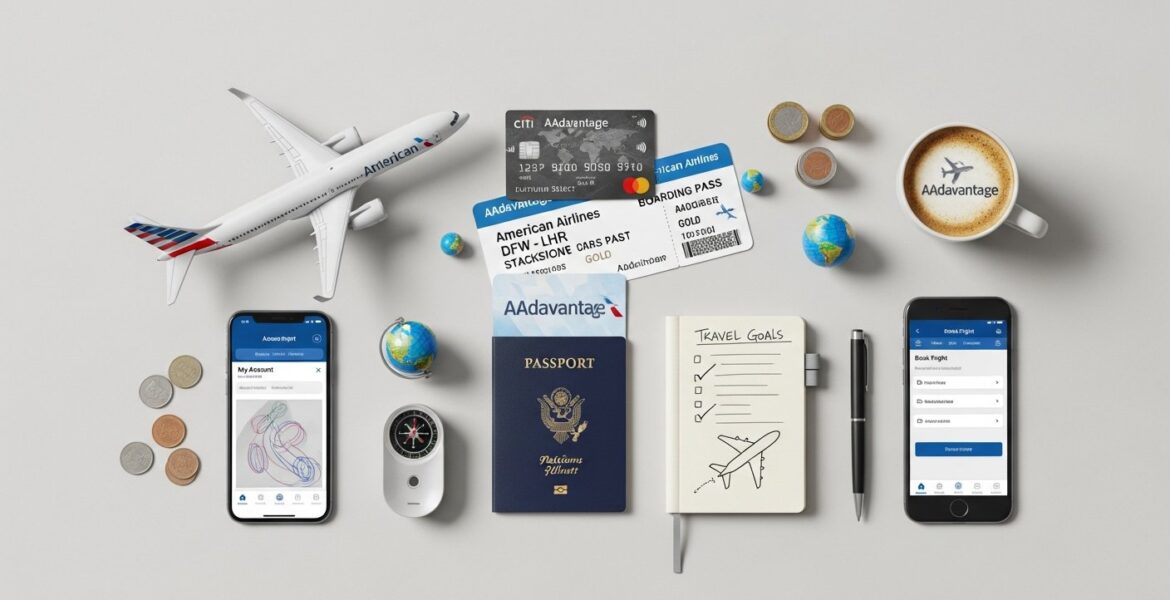
  • Co-Branded Airline Credit Cards: These cards are issued in partnership with a specific airline (e.g., American Airlines AAdvantage credit cards, United Airlines MileagePlus credit cards). Points earned directly go into that airline’s loyalty program, often offering airline-specific perks like free checked bags, priority boarding, and companion passes.
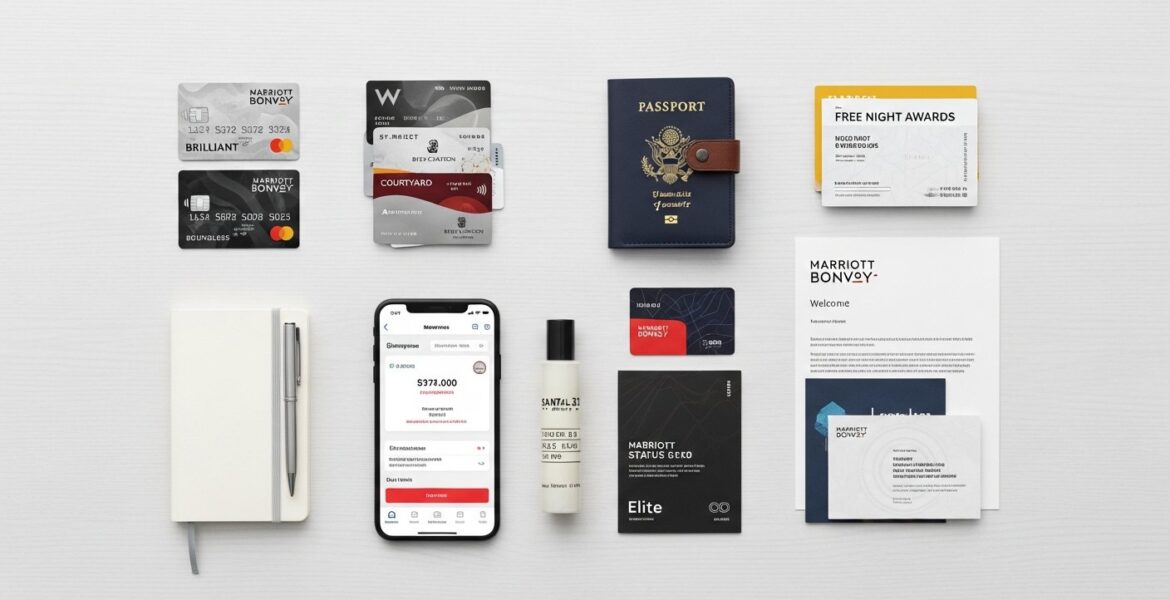
  • Co-Branded Hotel Credit Cards: Similar to airline cards, these are partnered with a specific hotel chain (e.g., Marriott Bonvoy credit cards, Hilton Honors credit cards). Points earned typically deposit directly into the hotel’s loyalty program, granting benefits such as elite status, free night certificates, and bonus points on hotel stays.
  • Cash Back Credit Cards: While not traditionally part of the “points and miles” world in terms of travel maximization, some cash back cards offer high earning rates that can indirectly fund travel. However, they generally don’t offer the outsized value potential of transferable points redeemed for premium travel.

Airline Loyalty Programs (Frequent Flyer Programs)

Every major airline operates its own frequent flyer program (e.g., Delta SkyMiles, United MileagePlus, American AAdvantage, Southwest Rapid Rewards). Historically, these programs rewarded travelers based on the distance flown. Today, most have shifted to a revenue-based model, where you earn miles based on the price of your ticket and your elite status level. You can also earn miles through airline credit cards, shopping portals, and partner activities (like renting cars or booking hotels through the airline’s portal).

Hotel Loyalty Programs (Guest Rewards)

Similar to airlines, hotel chains operate guest loyalty programs (e.g., Marriott Bonvoy, Hilton Honors, World of Hyatt, IHG One Rewards). Members earn points for stays at their hotels, with elite status members often earning significant bonuses. These points are primarily redeemed for free nights, but can sometimes be used for other perks or transferred to airline partners (though often at a less favorable rate). Hotel credit cards are another major source of these points.

Other Earning Opportunities

Beyond credit cards, airlines, and hotels, there are numerous ancillary ways to boost your points and miles balances:

  • Shopping Portals: Most airlines and credit card programs operate online shopping portals where you can earn bonus points or miles for purchases made at participating retailers. Simply click through the portal before shopping online.
  • Dining Programs: Link your credit cards to a dining program (like AAdvantage Dining or SkyMiles Dining) and earn bonus miles or points at participating restaurants.
  • Rental Car and Cruise Partnerships: Many loyalty programs have partnerships with rental car companies and cruise lines, allowing you to earn points or miles on bookings.
  • Surveys and Promotions: Occasionally, programs offer small bonuses for completing surveys or participating in limited-time promotions.

How Points and Miles Work: Earning Strategies for Maximum Accumulation

Understanding how to effectively earn points and miles is the cornerstone of maximizing your travel rewards. It’s not just about spending; it’s about strategic spending, taking advantage of bonuses, and aligning your financial habits with your travel goals.

Sign-Up Bonuses: The Fastest Way to Accumulate

Without a doubt, credit card sign-up bonuses are the most powerful tool for rapidly accumulating a large sum of points or miles. Credit card issuers offer substantial bonuses (often tens of thousands, sometimes over 100,000 points or miles) to new cardholders who meet a specific spending threshold within a set timeframe (e.g., spend $3,000 in the first three months). These bonuses alone can often fund an entire international flight or several nights at a luxury hotel.

The strategy involves responsibly applying for new credit cards, carefully meeting the minimum spending requirements, and then deciding if the card remains a long-term keeper or if its primary value has been realized through the bonus. Responsible credit management is paramount here.

Everyday Spending: Maximizing Category Bonuses

Once you’ve secured a sign-up bonus, the next step is to optimize your everyday spending. Most rewards credit cards offer bonus points or miles in specific spending categories, such as:

  • Dining/Restaurants
  • Groceries
  • Travel (flights, hotels, car rentals)
  • Gas stations
  • Online shopping

A smart strategy involves using the right card for the right purchase to maximize your earning rate. For instance, if you have a card that earns 4x points on groceries and another that earns 2x on dining, you’d use the grocery card for your supermarket runs and the dining card for restaurant meals. Over time, these category bonuses significantly boost your points balance.

Strategic Spending: Meeting Minimum Spend Requirements

Meeting a credit card’s minimum spending requirement for a sign-up bonus is critical. This requires careful budgeting and sometimes shifting spending patterns. Here are common strategies:

  • Everyday Expenses: Use the new card for all your regular bills – groceries, utilities, insurance, phone bills, streaming services, etc.
  • Planned Large Purchases: If you have an upcoming large expense like new appliances, home repairs, or medical bills (if permitted to pay by card), timing a new credit card application around these can be ideal.
  • Authorized Users: Adding an authorized user can help reach the spending threshold faster, but ensure they are trustworthy and you monitor their spending.
  • Paying Taxes: In some countries, you can pay income taxes with a credit card through a third-party processor for a small fee. Evaluate if the points gained outweigh this fee.

Crucially, never spend money you wouldn’t otherwise spend just to meet a minimum requirement. This defeats the purpose of saving money on travel if you’re accruing debt.

Beyond Credit Cards: Hotel Stays, Flights, and More

While credit cards are dominant, don’t overlook other organic earning opportunities:

  • Direct Hotel Stays: Always book directly with the hotel chain (not through third-party sites like Expedia) when you want to earn loyalty points and accrue elite status nights. Third-party bookings often forfeit these benefits.
  • Direct Flight Bookings: Similarly, booking flights directly with the airline (or its alliance partners) ensures you earn frequent flyer miles.
  • Shopping Portals & Dining Programs: Make it a habit to check shopping portals (e.g., Rakuten, airline portals, credit card portals) before making online purchases. Link your cards to dining programs and use those cards at participating restaurants. These small efforts add up over time.
  • Explore top credit card options and their current sign-up bonuses.

[INLINE IMAGE 1: place after second H2 | alt=”what are points and miles concept illustration”]

Valuation and Redemption: Getting the Most Out of Your Rewards

what are points and miles - infographic 4 illustration

Earning points and miles is only half the battle; the true art lies in redeeming them for maximum value. Not all redemptions are created equal, and understanding how to value your rewards is key to becoming a successful points and miles strategist.

Understanding Point Valuations (CPP – Cents Per Point)

The concept of “cents per point” (CPP) is fundamental to maximizing your rewards. It’s a simple calculation: divide the cash cost of a travel experience by the number of points required, then multiply by 100 to get the value in cents.

(Cash Price of Travel / Points Required) x 100 = Cents Per Point (CPP)

For example, if a flight costs $500 or 25,000 miles, the value is (500 / 25000) x 100 = 2 cents per point. Points and miles enthusiasts often aim for redemptions yielding 1.5 CPP, 2 CPP, or even higher, especially for premium cabin international flights or luxury hotel stays. Conversely, redeeming points for 0.6-0.8 CPP (e.g., for cash back or gift cards) is generally considered a poor use of transferable points.

Common Redemption Options: Flights, Hotels, Cash Back, Gift Cards

Points and miles offer a spectrum of redemption possibilities, each with varying value propositions:

  • Flights: This is often where the highest value lies. Redeeming for economy flights can be good, but premium cabins (business class, first class) on international routes often provide truly outsized value.
  • Hotels: Free night redemptions can also offer excellent value, especially for expensive dates or luxury properties. Look for “fifth night free” benefits offered by some hotel programs.
  • Cash Back: Many points can be redeemed for cash back, but usually at a fixed, low rate (e.g., 1 cent per point). This is a reliable but often suboptimal option for transferable points.
  • Gift Cards: Similar to cash back, gift card redemptions typically offer 1 CPP or less, making them a less desirable option for travel-focused points.
  • Experiences/Merchandise: Some credit card portals allow redemption for experiences or merchandise. These almost always offer poor value compared to travel.
  • Travel Portal Bookings: Credit card issuers like Chase, Amex, and Capital One have their own travel portals where you can book flights, hotels, and car rentals directly using points. The value here is usually fixed (e.g., 1.25 CPP or 1.5 CPP for certain cards), which can be a good option if you can’t find a high-value transfer partner redemption.

High-Value Redemptions: Unlocking Premium Travel Experiences

The true magic of points and miles comes alive with high-value redemptions. These often involve:

  • International Business and First Class Flights: A $10,000 business class ticket can often be booked for 70,000-150,000 miles, yielding CPP values of 5 cents or more. This is where most points and miles enthusiasts focus their efforts.
  • Luxury Hotel Stays: Redeeming points for a $1,000-a-night hotel room that costs 50,000 points yields a 2 CPP value, which is excellent. Free night certificates from co-branded credit cards can also unlock luxury stays.
  • “Sweet Spots” in Award Charts: Many airline and hotel loyalty programs have “sweet spots” – specific routes or categories where the number of points required is disproportionately low compared to the cash price. Finding and exploiting these requires research but can lead to incredible deals.
  • Partner Redemptions: Transferable points (e.g., Amex Membership Rewards) can be transferred to various airline partners. These airline partners often belong to alliances (Star Alliance, Oneworld, SkyTeam), allowing you to book flights on partner airlines. For example, you might transfer Amex points to Avianca LifeMiles to book a flight on United, potentially at a lower rate than if you transferred to United directly.

The Trap of Low-Value Redemptions

Be wary of redemptions that offer poor value. Cashing out transferable points for 1 cent per point or less, using them for merchandise, or booking standard economy flights that are already inexpensive in cash, often means you’re leaving significant value on the table. The goal is to get more out of your points than you would by simply using cash back, turning them into experiences you might not otherwise afford.

Types of Points and Miles: A Deeper Dive into Reward Currencies

The world of points and miles is categorized by different types of reward currencies, each with its own characteristics, earning methods, and best uses. Understanding these distinctions is crucial for building an effective points strategy.

Credit Card Transferable Points (e.g., Chase Ultimate Rewards, Amex Membership Rewards)

These are the gold standard for flexibility and often the highest potential value. Major programs include:

  • Chase Ultimate Rewards (UR): Earned through cards like the Chase Sapphire Preferred, Sapphire Reserve, and Freedom cards. UR points can be transferred 1:1 to airline partners (e.g., United, Southwest, British Airways, Air France/KLM) and hotel partners (e.g., Hyatt, Marriott, IHG). They can also be redeemed at an elevated rate through the Chase Travel Portal (1.25 CPP or 1.5 CPP depending on the card).
  • American Express Membership Rewards (MR): Earned via cards like The Platinum Card, Gold Card, Green Card, and various EveryDay cards. MR points are highly versatile, transferring to a vast array of airline partners (e.g., Delta, ANA, Cathay Pacific, Emirates) and several hotel partners (e.g., Marriott, Hilton). Amex also frequently offers transfer bonuses, increasing the value.
  • Citi ThankYou Points (TYP): Earned from cards like the Citi Premier and Custom Cash. TYP can be transferred to airline partners (e.g., Turkish Airlines, Singapore Airlines, Eva Air) and a few hotel partners.
  • Capital One Miles: Earned from cards like the Capital One Venture X, Venture, and Spark Miles. Capital One Miles are a bit unique, allowing transfer to numerous airline and some hotel partners (often at 1:1 or 2:1.5 ratio) or a fixed 1 cent per mile redemption for any travel purchase (effectively erasing travel expenses from your statement).

Pros and Cons of Transferable Points

  • Pros:
    • Flexibility: Choose from many airline and hotel partners.
    • High Value: Potential for premium cabin redemptions yielding excellent CPP.
    • Hedging Against Devaluation: If one partner devalues, you have other options.
    • Transfer Bonuses: Periodically, programs offer bonus points when transferring to a specific partner.
  • Cons:
    • Complexity: Requires research to find the best transfer partners and award availability.
    • Real-Time Availability: Award space on flights/hotels can be limited.
    • Loss of Flexibility After Transfer: Once points are transferred to an airline or hotel, they generally cannot be transferred back.

Co-Branded Airline Miles (e.g., Delta SkyMiles, American AAdvantage)

These are points earned directly within a specific airline’s loyalty program, often through their co-branded credit cards or flying with the airline. Examples include:

  • Delta SkyMiles: Earned via Delta’s credit cards (issued by Amex) or flying Delta/SkyTeam partners. Redeemed for Delta flights, upgrades, or partner flights. Value varies wildly with Delta’s dynamic pricing.
  • American AAdvantage Miles: Earned through AA’s credit cards (issued by Citi and Barclays) or flying AA/Oneworld partners. Redeemed for AA flights, upgrades, or Oneworld partner flights.
  • United MileagePlus Miles: Earned via United’s credit cards (issued by Chase) or flying United/Star Alliance partners. Redeemed for United flights, upgrades, or Star Alliance partner flights.
  • Learn more about maximizing airline loyalty programs.

Pros and Cons of Co-Branded Miles

  • Pros:
    • Simplicity: Points go directly into the airline account you’ll use.
    • Airline-Specific Perks: Often come with benefits like free checked bags, priority boarding, lounge access.
    • Elite Status Qualification: Spending on co-branded cards can sometimes help earn elite status.
  • Cons:
    • Lack of Flexibility: Tied to a single airline and its partners.
    • Vulnerability to Devaluation: If that specific airline devalues its miles, your entire balance is affected.
    • Dynamic Pricing: Many airlines now use dynamic award pricing, making it harder to predict value.

Co-Branded Hotel Points (e.g., Marriott Bonvoy, Hilton Honors)

Similar to airline miles, these are specific to a hotel chain’s loyalty program, earned primarily through their co-branded credit cards or hotel stays. Examples:

  • Marriott Bonvoy Points: Earned via Marriott credit cards (issued by Chase and Amex) or stays at Marriott properties. Redeemed for free nights at 8,000+ hotels worldwide, points + cash, or transferred to many airline partners (often with a bonus).
  • Hilton Honors Points: Earned through Hilton credit cards (issued by Amex) or stays at Hilton properties. Redeemed for free nights at 7,000+ properties. Often have a lower per-point value than other hotel programs, but are also easier to earn in large quantities.
  • World of Hyatt Points: Earned via the World of Hyatt credit card (issued by Chase) or stays at Hyatt properties. Highly regarded for their consistent and often high value, particularly for luxury properties.

Pros and Cons of Co-Branded Hotel Points

  • Pros:
    • Free Nights: Direct path to complimentary hotel stays.
    • Elite Status Boost: Cards often provide automatic elite status or spending-based elite night credits.
    • Free Night Certificates: Many cards offer annual free night certificates, which can be extremely valuable.
  • Cons:
    • Lower Per-Point Value: Generally lower CPP than airline miles or transferable points, though exceptions exist.
    • Limited Flexibility: Tied to one hotel chain.
    • Award Chart Changes: Hotels can change award categories or move to dynamic pricing.

Fixed-Value Points (e.g., Capital One Venture Miles)

These points offer a consistent, fixed value, typically 1 cent per point, when redeemed for travel. Capital One Venture Miles are a prime example, where 100 miles are worth $1 toward any travel purchase. While Capital One Miles can also be transferred to partners, their “erase travel” feature makes them a popular fixed-value option.

Pros and Cons of Fixed-Value Points

  • Pros:
    • Simplicity: Easy to understand and redeem.
    • Flexibility (within travel): Can be used for any airline, any hotel, any travel agency, even Airbnb.
    • No Blackout Dates: If a cash booking is available, you can “erase” it with your points.
  • Cons:
    • Lower Potential Value: Rarely offers the outsized value of transferring points to partners for premium travel.
    • Less Excitement: While practical, it lacks the “aspirational” redemption opportunities.

[INLINE IMAGE 2: place after fourth H2 | alt=”what are points and miles comparison illustration”]

Here’s a comparison of some popular transferable points programs:

Major Transferable Points Programs Comparison (2026)
Program Issuing Bank Key Earning Cards Primary Airline Transfer Partners Primary Hotel Transfer Partners Typical Transfer Ratio Potential Redemption Value (CPP)
Chase Ultimate Rewards Chase Sapphire Preferred, Sapphire Reserve, Freedom Unlimited United, Southwest, British Airways, Air France/KLM, Virgin Atlantic Hyatt, Marriott, IHG 1:1 (most partners) 1.5 – 4+
Amex Membership Rewards American Express The Platinum Card, Gold Card, Green Card Delta, ANA, Cathay Pacific, Emirates, Air Canada, British Airways, Virgin Atlantic Marriott, Hilton (2:1 or 1:2) 1:1 (most partners) 1.5 – 5+
Citi ThankYou Points Citi Citi Premier, Custom Cash Turkish Airlines, Singapore Airlines, Eva Air, Qatar Airways, Virgin Atlantic Choice Privileges, Wyndham Rewards 1:1 (most partners) 1.2 – 3+
Capital One Miles Capital One Venture X, Venture Card, Spark Miles Air Canada, British Airways, Virgin Atlantic, Singapore Airlines, Turkish Airlines Wyndham, Choice Privileges (often 2:1.5 or 1:1) 1:1 (many partners) 1 – 3+

Strategic Approaches to Points and Miles: Building Your Portfolio

Once you understand what are points and miles and how they work, the next step is to develop a strategic approach tailored to your travel aspirations and financial habits. This isn’t just about collecting cards; it’s about building a cohesive points and miles portfolio.

The Beginner’s Path: Starting with a General Travel Card

For those new to the points and miles hobby, starting with a strong, flexible general travel rewards credit card is often the best approach. These cards offer good earning rates on everyday spending and, crucially, earn transferable points that provide versatility as you learn the ropes.

  • Why it’s good:
    • Flexibility: You don’t need to commit to a specific airline or hotel program yet.
    • Strong Sign-Up Bonus: Provides a substantial initial boost of points.
    • Good Everyday Earning: Often provides bonus points on common categories like dining, groceries, and travel.
    • Travel Perks: Many come with basic travel benefits like trip insurance, primary car rental insurance, or no foreign transaction fees.
  • Examples: Chase Sapphire Preferred, Capital One Venture Card, American Express Green Card. These cards allow you to accumulate a significant balance of points that you can later transfer to a variety of partners once you identify your preferred airlines or hotels for a specific trip.

The Advanced Strategist: Diversifying Your Card Portfolio

As you gain experience, you’ll likely want to diversify your credit card portfolio to maximize earning across different spending categories and to access specific loyalty programs. This often involves a mix of:

  • Transferable Points Cards: Continue to earn points in programs like Ultimate Rewards or Membership Rewards for ultimate flexibility.
  • Co-Branded Airline Cards: If you frequently fly a specific airline or want to target elite status, a co-branded airline card can offer valuable perks (free checked bags, priority boarding) and accelerate your earning of that airline’s miles.
  • Co-Branded Hotel Cards: Similarly, if you have a favorite hotel chain or aim for elite status, a co-branded hotel card can provide free nights, automatic status, and bonus points on stays.
  • Category-Specific Cards: Some cards offer exceptionally high earning rates in niche categories (e.g., 5x points on office supplies, 6x on groceries up to a limit). These can be used strategically for specific purchases.

The key here is not to collect cards indiscriminately, but to choose cards that complement each other, cover your major spending categories, and align with your travel goals. A popular strategy is the “Chase Trifecta” or “Amex Ecosystem,” where multiple cards from the same issuer are used together to maximize earning and redemption value within that issuer’s points program.

Travel Goals: Aligning Your Earning with Your Dreams

Your ultimate travel goals should dictate your points and miles strategy. Are you aiming for:

  • Luxury International Travel? Focus on transferable points programs (Chase UR, Amex MR) that allow transfers to partners with excellent business/first class award charts.
  • Domestic Family Vacations? Consider airline-specific cards (Southwest Companion Pass strategy is popular) or fixed-value points cards that offer flexibility for various family-friendly destinations.
  • Road Trips with Hotel Stays? A mix of hotel-specific cards (for free nights) and general travel cards (for gas, dining) might be ideal.
  • Budget Backpacking? Fixed-value points or low-fee transferable points cards, combined with careful research into economy award flights and budget hotels, can significantly reduce costs.

Periodically review your travel goals and adjust your card portfolio and earning strategies accordingly. This ensures your efforts are always aligned with the experiences you genuinely desire.

Manufactured Spending and Advanced Tactics (with caveats)

For truly advanced points and miles users, “manufactured spending” involves using credit cards to generate spend on non-traditional purchases (e.g., buying gift cards, prepaid debit cards, or paying bills through third-party services) that can then be converted back into cash, allowing you to meet minimum spend requirements or earn bonus category points without actual “spending.”

Caveats: This is a highly complex area, often involves fees, carries risks (account shutdowns, violating terms of service), and is generally not recommended for beginners. Many methods have been shut down or become less profitable. goldpoints strongly advises against any activity that could be considered fraudulent or violates the terms and conditions of credit card issuers or loyalty programs. Stick to organic spending for a sustainable and low-risk hobby.

Discover advanced points and miles strategies for experienced travelers.

Common Pitfalls and How to Avoid Them

While the world of points and miles offers incredible opportunities, it’s not without its potential drawbacks. Awareness of these common pitfalls is essential for a sustainable and rewarding hobby.

The Peril of Carrying a Balance

This is by far the most critical pitfall. The interest rates on rewards credit cards are typically high. If you carry a balance and incur interest charges, the cost of that interest will almost always wipe out any value you gain from points and miles. The fundamental rule of points and miles is: NEVER carry a balance. Pay your statement in full, every single month. If you cannot commit to this, the points and miles hobby is not for you, as it will lead to financial detriment rather than benefit.

Devaluation of Points and Miles

Loyalty programs are constantly evolving, and unfortunately, devaluations are a common part of this evolution. This means the number of points or miles required for an award (e.g., a flight or hotel night) can increase, or the earning rates can decrease, reducing the value of your accumulated rewards. This is why it’s generally advised to “earn and burn” – accumulate points for a specific redemption and then use them, rather than hoarding large balances indefinitely. Transferable points offer some protection against this, as you can choose which program to transfer to based on current value.

Program Changes and Award Chart Fluctuations

Beyond devaluations, airlines and hotels frequently make other changes to their loyalty programs:

  • Dynamic Pricing: Many programs have moved away from fixed award charts to dynamic pricing, where award costs fluctuate with cash prices, making it harder to find consistent “sweet spots.”
  • Partner Changes: Airlines and hotels can add or remove transfer partners or alliance members.
  • Benefit Reductions: Credit card perks or elite status benefits can be reduced or eliminated.

Staying informed by following reputable points and miles blogs (like goldpoints) is key to navigating these changes.

The Allure of Unnecessary Spending

One of the biggest psychological traps is spending more than you otherwise would, simply to earn points or meet a minimum spend requirement. This is counterproductive. The goal is to funnel your existing, organic spending through the most rewarding channels, not to invent new spending. Always ask yourself: “Would I buy this if I weren’t trying to earn points?” If the answer is no, don’t buy it.

Account Closures and Points Forfeiture

While rare for responsible cardholders, banks or loyalty programs can close accounts for various reasons, including:

  • Violating Terms: Engaging in prohibited activities like reselling, manufactured spending that triggers red flags, or abusing benefits.
  • Excessive Card Applications: Applying for too many cards too quickly can sometimes lead to bank shutdowns.
  • Inactivity: Some loyalty accounts can be closed due to prolonged inactivity, leading to forfeiture of points. Always check the expiration policies of your points and miles.

Always maintain good standing, understand the terms of your cards and programs, and keep an eye on point expiration dates. Keep your credit score healthy, as it’s crucial for getting approved for new credit cards with desirable sign-up bonuses.


{
“@context”: “https://schema.org”,
“@graph”: [
{
“@type”: “WebPage”,
“@id”: “https://www.goldpoints.com/what-are-points-and-miles/”,
“url”: “https://www.goldpoints.com/what-are-points-and-miles/”,
“name”: “What Are Points And Miles”,
“description”: “Article about what are points and miles”,
“datePublished”: “2026-06-02”,
“dateModified”: “2026-06-02”,
“inLanguage”: “en-US”,
“isPartOf”: {
“@id”: “https://www.goldpoints.com/#website”
}
},
{
“@type”: “Article”,
“@id”: “https://www.goldpoints.com/what-are-points-and-miles/#article”,
“headline”: “What Are Points And Miles”,
“name”: “What Are Points And Miles”,
“description”: “Article about what are points and miles”,
“url”: “https://www.goldpoints.com/what-are-points-and-miles/”,
“datePublished”: “2026-06-02”,
“dateModified”: “2026-06-02”,
“author”: {
“@type”: “Person”,
“@id”: “https://www.goldpoints.com/#author”,
“name”: “Editorial Team”
},
“publisher”: {
“@type”: “Organization”,
“@id”: “https://www.goldpoints.com/#organization”,
“name”: “Goldpoints”,
“url”: “https://www.goldpoints.com”
},
“mainEntityOfPage”: {
“@id”: “https://www.goldpoints.com/what-are-points-and-miles/”
},
“keywords”: [
“what are points and miles”
],
“articleSection”: “What Are Points And Miles”
},
{
“@type”: “BreadcrumbList”,
“@id”: “https://www.goldpoints.com/what-are-points-and-miles/#breadcrumb”,
“itemListElement”: [
{
“@type”: “ListItem”,
“position”: 1,
“name”: “Home”,
“item”: “https://www.goldpoints.com”
},
{
“@type”: “ListItem”,
“position”: 2,
“name”: “What Are Points And Miles”,
“item”: “https://www.goldpoints.com/what-are-points-and-miles/”
}
]
},
{
“@type”: “Organization”,
“@id”: “https://www.goldpoints.com/#organization”,
“name”: “Goldpoints”,
“url”: “https://www.goldpoints.com”
},
{
“@type”: “Person”,
“@id”: “https://www.goldpoints.com/#author”,
“name”: “Editorial Team”
}
]
}


What Are Points and Miles? Your Definitive Guide to Unlocking Free Travel and Premium Experiences

By goldpoints Editorial Team — Senior editors with 10+ years of subject-matter experience.
Published 2026-05-26 · Last Updated 2026-05-26

Affiliate disclosure: This article may contain affiliate links. Recommendations are independent and editorially driven.

Welcome to the transformative world of points and miles, where everyday spending, strategic planning, and loyalty program engagement combine to unlock unparalleled travel experiences. For many, the concept of “free travel” might seem like a myth, but for millions of savvy consumers, it’s a tangible reality made possible by understanding and leveraging credit card rewards, airline miles, and hotel points. This comprehensive guide from goldpoints will demystify what are points and miles, explore their intricate ecosystem, reveal advanced earning and redemption strategies, and empower you to embark on your own journey to discounted or even complimentary adventures around the globe.

Whether you dream of first-class flights, luxury hotel stays, or simply reducing your overall travel budget, mastering points and miles is a skill set that can dramatically alter your financial and travel landscape. We’ll delve into the nuances of different reward currencies, illustrate how to maximize their value, and provide actionable insights to help you navigate this exciting and ever-evolving field. Prepare to transform your approach to spending and travel, moving from simply earning rewards to strategically accumulating and redeeming them for maximum impact.

What Exactly Are Points and Miles? The Core Concepts Explained

At their heart, points and miles are loyalty currencies designed to incentivize consumer behavior. They are digital tokens awarded by credit card issuers, airlines, hotels, and other businesses to reward customers for their patronage. While often used interchangeably, there are subtle yet important distinctions between these two forms of rewards, as well as significant variations in how they can be earned, valued, and redeemed.

Understanding Loyalty Currencies

Think of points and miles as proprietary currencies within specific loyalty ecosystems. Just as dollars have value in the broader economy, points and miles hold value within their respective programs. The goal for any points and miles enthusiast is to earn these currencies efficiently and then redeem them for a value that significantly outweighs their acquisition cost, especially when compared to paying cash for the same travel experience.

For example, if you earn 50,000 points and can use them for a flight that would otherwise cost $1,000, your points are effectively worth 2 cents each (1000 / 50000 = 0.02). Understanding this “cents per point” (CPP) valuation is crucial for making informed redemption decisions and distinguishing between good and bad uses of your hard-earned rewards.

The Fundamental Difference: Points vs. Miles

While the terms are often used interchangeably, particularly in casual conversation, there’s a traditional distinction that helps clarify their origin and typical use cases:

  • Miles: Traditionally, “miles” referred specifically to airline loyalty currencies (e.g., Delta SkyMiles, American AAdvantage miles). These were historically earned based on the distance flown (miles traveled) and redeemed primarily for flights. While many airlines have shifted to revenue-based earning (miles earned based on fare paid), the term “miles” persists.
  • Points: “Points” is a broader term, encompassing various loyalty currencies. This includes:
    • Hotel Points: (e.g., Marriott Bonvoy points, Hilton Honors points) earned from hotel stays and redeemed for free nights.
    • Credit Card Reward Points: (e.g., Chase Ultimate Rewards, Amex Membership Rewards, Capital One Venture Miles) often earned from credit card spending and can be redeemed in various ways, including cash back, gift cards, or, most valuably, by transferring to airline or hotel partners.
    • Other Program Points: Rewards from shopping portals, dining programs, or specific retail loyalty programs.

In the modern landscape, credit card reward points have blurred this line considerably. Many credit card points can be transferred to airline “miles” or hotel “points,” making them incredibly versatile. The key takeaway is that both points and miles represent a form of stored value within a loyalty program, offering a pathway to travel and other rewards.

The Ecosystem of Points and Miles: Where Do They Come From?

The points and miles ecosystem is vast and interconnected, powered primarily by major credit card issuers, airlines, and hotel chains. Understanding these primary sources is the first step toward strategically accumulating rewards.

Credit Card Rewards Programs

Credit cards are arguably the most prolific source of points and miles for the average consumer. Issuers partner with airlines, hotels, and create their own proprietary reward programs to attract and retain cardholders. These programs typically fall into a few categories:

  • Transferable Points Programs: These are often considered the most valuable type of credit card rewards. Programs like Chase Ultimate Rewards, American Express Membership Rewards, Citi ThankYou Points, and Capital One Miles allow you to earn points that can then be transferred at a set ratio to a variety of airline and hotel loyalty partners. This flexibility provides immense power, allowing you to choose the best redemption option for your travel goals.
  • Co-Branded Airline Credit Cards: These cards are issued in partnership with a specific airline (e.g., American Airlines AAdvantage credit cards, United Airlines MileagePlus credit cards). Points earned directly go into that airline’s loyalty program, often offering airline-specific perks like free checked bags, priority boarding, and companion passes.
  • Co-Branded Hotel Credit Cards: Similar to airline cards, these are partnered with a specific hotel chain (e.g., Marriott Bonvoy credit cards, Hilton Honors credit cards). Points earned typically deposit directly into the hotel’s loyalty program, granting benefits such as elite status, free night certificates, and bonus points on hotel stays.
  • Cash Back Credit Cards: While not traditionally part of the “points and miles” world in terms of travel maximization, some cash back cards offer high earning rates that can indirectly fund travel. However, they generally don’t offer the outsized value potential of transferable points redeemed for premium travel.

Airline Loyalty Programs (Frequent Flyer Programs)

Every major airline operates its own frequent flyer program (e.g., Delta SkyMiles, United MileagePlus, American AAdvantage, Southwest Rapid Rewards). Historically, these programs rewarded travelers based on the distance flown. Today, most have shifted to a revenue-based model, where you earn miles based on the price of your ticket and your elite status level. You can also earn miles through airline credit cards, shopping portals, and partner activities (like renting cars or booking hotels through the airline’s portal).

Hotel Loyalty Programs (Guest Rewards)

Similar to airlines, hotel chains operate guest loyalty programs (e.g., Marriott Bonvoy, Hilton Honors, World of Hyatt, IHG One Rewards). Members earn points for stays at their hotels, with elite status members often earning significant bonuses. These points are primarily redeemed for free nights, but can sometimes be used for other perks or transferred to airline partners (though often at a less favorable rate). Hotel credit cards are another major source of these points.

Other Earning Opportunities

Beyond credit cards, airlines, and hotels, there are numerous ancillary ways to boost your points and miles balances:

  • Shopping Portals: Most airlines and credit card programs operate online shopping portals where you can earn bonus points or miles for purchases made at participating retailers. Simply click through the portal before shopping online.
  • Dining Programs: Link your credit cards to a dining program (like AAdvantage Dining or SkyMiles Dining) and earn bonus miles or points at participating restaurants.
  • Rental Car and Cruise Partnerships: Many loyalty programs have partnerships with rental car companies and cruise lines, allowing you to earn points or miles on bookings.
  • Surveys and Promotions: Occasionally, programs offer small bonuses for completing surveys or participating in limited-time promotions.

How Points and Miles Work: Earning Strategies for Maximum Accumulation

Understanding how to effectively earn points and miles is the cornerstone of maximizing your travel rewards. It’s not just about spending; it’s about strategic spending, taking advantage of bonuses, and aligning your financial habits with your travel goals.

Sign-Up Bonuses: The Fastest Way to Accumulate

Without a doubt, credit card sign-up bonuses are the most powerful tool for rapidly accumulating a large sum of points or miles. Credit card issuers offer substantial bonuses (often tens of thousands, sometimes over 100,000 points or miles) to new cardholders who meet a specific spending threshold within a set timeframe (e.g., spend $3,000 in the first three months). These bonuses alone can often fund an entire international flight or several nights at a luxury hotel.

The strategy involves responsibly applying for new credit cards, carefully meeting the minimum spending requirements, and then deciding if the card remains a long-term keeper or if its primary value has been realized through the bonus. Responsible credit management is paramount here.

Everyday Spending: Maximizing Category Bonuses

Once you’ve secured a sign-up bonus, the next step is to optimize your everyday spending. Most rewards credit cards offer bonus points or miles in specific spending categories, such as:

  • Dining/Restaurants
  • Groceries
  • Travel (flights, hotels, car rentals)
  • Gas stations
  • Online shopping

A smart strategy involves using the right card for the right purchase to maximize your earning rate. For instance, if you have a card that earns 4x points on groceries and another that earns 2x on dining, you’d use the grocery card for your supermarket runs and the dining card for restaurant meals. Over time, these category bonuses significantly boost your points balance.

Strategic Spending: Meeting Minimum Spend Requirements

Meeting a credit card’s minimum spending requirement for a sign-up bonus is critical. This requires careful budgeting and sometimes shifting spending patterns. Here are common strategies:

  • Everyday Expenses: Use the new card for all your regular bills – groceries, utilities, insurance, phone bills, streaming services, etc.
  • Planned Large Purchases: If you have an upcoming large expense like new appliances, home repairs, or medical bills (if permitted to pay by card), timing a new credit card application around these can be ideal.
  • Authorized Users: Adding an authorized user can help reach the spending threshold faster, but ensure they are trustworthy and you monitor their spending.
  • Paying Taxes: In some countries, you can pay income taxes with a credit card through a third-party processor for a small fee. Evaluate if the points gained outweigh this fee.

Crucially, never spend money you wouldn’t otherwise spend just to meet a minimum requirement. This defeats the purpose of saving money on travel if you’re accruing debt.

Beyond Credit Cards: Hotel Stays, Flights, and More

While credit cards are dominant, don’t overlook other organic earning opportunities:

  • Direct Hotel Stays: Always book directly with the hotel chain (not through third-party sites like Expedia) when you want to earn loyalty points and accrue elite status nights. Third-party bookings often forfeit these benefits.
  • Direct Flight Bookings: Similarly, booking flights directly with the airline (or its alliance partners) ensures you earn frequent flyer miles.
  • Shopping Portals & Dining Programs: Make it a habit to check shopping portals (e.g., Rakuten, airline portals, credit card portals) before making online purchases. Link your cards to dining programs and use those cards at participating restaurants. These small efforts add up over time.
  • Explore top credit card options and their current sign-up bonuses.

[INLINE IMAGE 1: place after second H2 | alt=”what are points and miles concept illustration”]

Valuation and Redemption: Getting the Most Out of Your Rewards

Earning points and miles is only half the battle; the true art lies in redeeming them for maximum value. Not all redemptions are created equal, and understanding how to value your rewards is key to becoming a successful points and miles strategist.

Understanding Point Valuations (CPP – Cents Per Point)

The concept of “cents per point” (CPP) is fundamental to maximizing your rewards. It’s a simple calculation: divide the cash cost of a travel experience by the number of points required, then multiply by 100 to get the value in cents.

(Cash Price of Travel / Points Required) x 100 = Cents Per Point (CPP)

For example, if a flight costs $500 or 25,000 miles, the value is (500 / 25000) x 100 = 2 cents per point. Points and miles enthusiasts often aim for redemptions yielding 1.5 CPP, 2 CPP, or even higher, especially for premium cabin international flights or luxury hotel stays. Conversely, redeeming points for 0.6-0.8 CPP (e.g., for cash back or gift cards) is generally considered a poor use of transferable points.

Common Redemption Options: Flights, Hotels, Cash Back, Gift Cards

Points and miles offer a spectrum of redemption possibilities, each with varying value propositions:

  • Flights: This is often where the highest value lies. Redeeming for economy flights can be good, but premium cabins (business class, first class) on international routes often provide truly outsized value.
  • Hotels: Free night redemptions can also offer excellent value, especially for expensive dates or luxury properties. Look for “fifth night free” benefits offered by some hotel programs.
  • Cash Back: Many points can be redeemed for cash back, but usually at a fixed, low rate (e.g., 1 cent per point). This is a reliable but often suboptimal option for transferable points.
  • Gift Cards: Similar to cash back, gift card redemptions typically offer 1 CPP or less, making them a less desirable option for travel-focused points.
  • Experiences/Merchandise: Some credit card portals allow redemption for experiences or merchandise. These almost always offer poor value compared to travel.
  • Travel Portal Bookings: Credit card issuers like Chase, Amex, and Capital One have their own travel portals where you can book flights, hotels, and car rentals directly using points. The value here is usually fixed (e.g., 1.25 CPP or 1.5 CPP for certain cards), which can be a good option if you can’t find a high-value transfer partner redemption.

High-Value Redemptions: Unlocking Premium Travel Experiences

The true magic of points and miles comes alive with high-value redemptions. These often involve:

  • International Business and First Class Flights: A $10,000 business class ticket can often be booked for 70,000-150,000 miles, yielding CPP values of 5 cents or more. This is where most points and miles enthusiasts focus their efforts.
  • Luxury Hotel Stays: Redeeming points for a $1,000-a-night hotel room that costs 50,000 points yields a 2 CPP value, which is excellent. Free night certificates from co-branded credit cards can also unlock luxury stays.
  • “Sweet Spots” in Award Charts: Many airline and hotel loyalty programs have “sweet spots” – specific routes or categories where the number of points required is disproportionately low compared to the cash price. Finding and exploiting these requires research but can lead to incredible deals.
  • Partner Redemptions: Transferable points (e.g., Amex Membership Rewards) can be transferred to various airline partners. These airline partners often belong to alliances (Star Alliance, Oneworld, SkyTeam), allowing you to book flights on partner airlines. For example, you might transfer Amex points to Avianca LifeMiles to book a flight on United, potentially at a lower rate than if you transferred to United directly.

The Trap of Low-Value Redemptions

Be wary of redemptions that offer poor value. Cashing out transferable points for 1 cent per point or less, using them for merchandise, or booking standard economy flights that are already inexpensive in cash, often means you’re leaving significant value on the table. The goal is to get more out of your points than you would by simply using cash back, turning them into experiences you might not otherwise afford.

Types of Points and Miles: A Deeper Dive into Reward Currencies

The world of points and miles is categorized by different types of reward currencies, each with its own characteristics, earning methods, and best uses. Understanding these distinctions is crucial for building an effective points strategy.

Credit Card Transferable Points (e.g., Chase Ultimate Rewards, Amex Membership Rewards)

These are the gold standard for flexibility and often the highest potential value. Major programs include:

  • Chase Ultimate Rewards (UR): Earned through cards like the Chase Sapphire Preferred, Sapphire Reserve, and Freedom cards. UR points can be transferred 1:1 to airline partners (e.g., United, Southwest, British Airways, Air France/KLM) and hotel partners (e.g., Hyatt, Marriott, IHG). They can also be redeemed at an elevated rate through the Chase Travel Portal (1.25 CPP or 1.5 CPP depending on the card).
  • American Express Membership Rewards (MR): Earned via cards like The Platinum Card, Gold Card, Green Card, and various EveryDay cards. MR points are highly versatile, transferring to a vast array of airline partners (e.g., Delta, ANA, Cathay Pacific, Emirates) and several hotel partners (e.g., Marriott, Hilton). Amex also frequently offers transfer bonuses, increasing the value.
  • Citi ThankYou Points (TYP): Earned from cards like the Citi Premier and Custom Cash. TYP can be transferred to airline partners (e.g., Turkish Airlines, Singapore Airlines, Eva Air) and a few hotel partners.
  • Capital One Miles: Earned from cards like the Capital One Venture X, Venture, and Spark Miles. Capital One Miles are a bit unique, allowing transfer to numerous airline and some hotel partners (often at 1:1 or 2:1.5 ratio) or a fixed 1 cent per mile redemption for any travel purchase (effectively erasing travel expenses from your statement).

Pros and Cons of Transferable Points

  • Pros:
    • Flexibility: Choose from many airline and hotel partners.
    • High Value: Potential for premium cabin redemptions yielding excellent CPP.
    • Hedging Against Devaluation: If one partner devalues, you have other options.
    • Transfer Bonuses: Periodically, programs offer bonus points when transferring to a specific partner.
  • Cons:
    • Complexity: Requires research to find the best transfer partners and award availability.
    • Real-Time Availability: Award space on flights/hotels can be limited.
    • Loss of Flexibility After Transfer: Once points are transferred to an airline or hotel, they generally cannot be transferred back.

Co-Branded Airline Miles (e.g., Delta SkyMiles, American AAdvantage)

These are points earned directly within a specific airline’s loyalty program, often through their co-branded credit cards or flying with the airline. Examples include:

  • Delta SkyMiles: Earned via Delta’s credit cards (issued by Amex) or flying Delta/SkyTeam partners. Redeemed for Delta flights, upgrades, or partner flights. Value varies wildly with Delta’s dynamic pricing.
  • American AAdvantage Miles: Earned through AA’s credit cards (issued by Citi and Barclays) or flying AA/Oneworld partners. Redeemed for AA flights, upgrades, or Oneworld partner flights.
  • United MileagePlus Miles: Earned via United’s credit cards (issued by Chase) or flying United/Star Alliance partners. Redeemed for United flights, upgrades, or Star Alliance partner flights.
  • Learn more about maximizing airline loyalty programs.

Pros and Cons of Co-Branded Miles

  • Pros:
    • Simplicity: Points go directly into the airline account you’ll use.
    • Airline-Specific Perks: Often come with benefits like free checked bags, priority boarding, lounge access.
    • Elite Status Qualification: Spending on co-branded cards can sometimes help earn elite status.
  • Cons:
    • Lack of Flexibility: Tied to a single airline and its partners.
    • Vulnerability to Devaluation: If that specific airline devalues its miles, your entire balance is affected.
    • Dynamic Pricing: Many airlines now use dynamic award pricing, making it harder to predict value.

Co-Branded Hotel Points (e.g., Marriott Bonvoy, Hilton Honors)

Similar to airline miles, these are specific to a hotel chain’s loyalty program, earned primarily through their co-branded credit cards or hotel stays. Examples:

  • Marriott Bonvoy Points: Earned via Marriott credit cards (issued by Chase and Amex) or stays at Marriott properties. Redeemed for free nights at 8,000+ hotels worldwide, points + cash, or transferred to many airline partners (often with a bonus).
  • Hilton Honors Points: Earned through Hilton credit cards (issued by Amex) or stays at Hilton properties. Redeemed for free nights at 7,000+ properties. Often have a lower per-point value than other hotel programs, but are also easier to earn in large quantities.
  • World of Hyatt Points: Earned via the World of Hyatt credit card (issued by Chase) or stays at Hyatt properties. Highly regarded for their consistent and often high value, particularly for luxury properties.

Pros and Cons of Co-Branded Hotel Points

  • Pros:
    • Free Nights: Direct path to complimentary hotel stays.
    • Elite Status Boost: Cards often provide automatic elite status or spending-based elite night credits.
    • Free Night Certificates: Many cards offer annual free night certificates, which can be extremely valuable.
  • Cons:
    • Lower Per-Point Value: Generally lower CPP than airline miles or transferable points, though exceptions exist.
    • Limited Flexibility: Tied to one hotel chain.
    • Award Chart Changes: Hotels can change award categories or move to dynamic pricing.

Fixed-Value Points (e.g., Capital One Venture Miles)

These points offer a consistent, fixed value, typically 1 cent per point, when redeemed for travel. Capital One Venture Miles are a prime example, where 100 miles are worth $1 toward any travel purchase. While Capital One Miles can also be transferred to partners, their “erase travel” feature makes them a popular fixed-value option.

Pros and Cons of Fixed-Value Points

  • Pros:
    • Simplicity: Easy to understand and redeem.
    • Flexibility (within travel): Can be used for any airline, any hotel, any travel agency, even Airbnb.
    • No Blackout Dates: If a cash booking is available, you can “erase” it with your points.
  • Cons:
    • Lower Potential Value: Rarely offers the outsized value of transferring points to partners for premium travel.
    • Less Excitement: While practical, it lacks the “aspirational” redemption opportunities.

[INLINE IMAGE 2: place after fourth H2 | alt=”what are points and miles comparison illustration”]

Here’s a comparison of some popular transferable points programs:

Major Transferable Points Programs Comparison (2026)
Program Issuing Bank Key Earning Cards Primary Airline Transfer Partners Primary Hotel Transfer Partners Typical Transfer Ratio Potential Redemption Value (CPP)
Chase Ultimate Rewards Chase Sapphire Preferred, Sapphire Reserve, Freedom Unlimited United, Southwest, British Airways, Air France/KLM, Virgin Atlantic Hyatt, Marriott, IHG 1:1 (most partners) 1.5 – 4+
Amex Membership Rewards American Express The Platinum Card, Gold Card, Green Card Delta, ANA, Cathay Pacific, Emirates, Air Canada, British Airways, Virgin Atlantic Marriott, Hilton (2:1 or 1:2) 1:1 (most partners) 1.5 – 5+
Citi ThankYou Points Citi Citi Premier, Custom Cash Turkish Airlines, Singapore Airlines, Eva Air, Qatar Airways, Virgin Atlantic Choice Privileges, Wyndham Rewards 1:1 (most partners) 1.2 – 3+
Capital One Miles Capital One Venture X, Venture Card, Spark Miles Air Canada, British Airways, Virgin Atlantic, Singapore Airlines, Turkish Airlines Wyndham, Choice Privileges (often 2:1.5 or 1:1) 1:1 (many partners) 1 – 3+

Strategic Approaches to Points and Miles: Building Your Portfolio

Once you understand what are points and miles and how they work, the next step is to develop a strategic approach tailored to your travel aspirations and financial habits. This isn’t just about collecting cards; it’s about building a cohesive points and miles portfolio.

The Beginner’s Path: Starting with a General Travel Card

For those new to the points and miles hobby, starting with a strong, flexible general travel rewards credit card is often the best approach. These cards offer good earning rates on everyday spending and, crucially, earn transferable points that provide versatility as you learn the ropes.

  • Why it’s good:
    • Flexibility: You don’t need to commit to a specific airline or hotel program yet.
    • Strong Sign-Up Bonus: Provides a substantial initial boost of points.
    • Good Everyday Earning: Often provides bonus points on common categories like dining, groceries, and travel.
    • Travel Perks: Many come with basic travel benefits like trip insurance, primary car rental insurance, or no foreign transaction fees.
  • Examples: Chase Sapphire Preferred, Capital One Venture Card, American Express Green Card. These cards allow you to accumulate a significant balance of points that you can later transfer to a variety of partners once you identify your preferred airlines or hotels for a specific trip.

The Advanced Strategist: Diversifying Your Card Portfolio

As you gain experience, you’ll likely want to diversify your credit card portfolio to maximize earning across different spending categories and to access specific loyalty programs. This often involves a mix of:

  • Transferable Points Cards: Continue to earn points in programs like Ultimate Rewards or Membership Rewards for ultimate flexibility.
  • Co-Branded Airline Cards: If you frequently fly a specific airline or want to target elite status, a co-branded airline card can offer valuable perks (free checked bags, priority boarding) and accelerate your earning of that airline’s miles.
  • Co-Branded Hotel Cards: Similarly, if you have a favorite hotel chain or aim for elite status, a co-branded hotel card can provide free nights, automatic status, and bonus points on stays.
  • Category-Specific Cards: Some cards offer exceptionally high earning rates in niche categories (e.g., 5x points on office supplies, 6x on groceries up to a limit). These can be used strategically for specific purchases.

The key here is not to collect cards indiscriminately, but to choose cards that complement each other, cover your major spending categories, and align with your travel goals. A popular strategy is the “Chase Trifecta” or “Amex Ecosystem,” where multiple cards from the same issuer are used together to maximize earning and redemption value within that issuer’s points program.

Travel Goals: Aligning Your Earning with Your Dreams

Your ultimate travel goals should dictate your points and miles strategy. Are you aiming for:

  • Luxury International Travel? Focus on transferable points programs (Chase UR, Amex MR) that allow transfers to partners with excellent business/first class award charts.
  • Domestic Family Vacations? Consider airline-specific cards (Southwest Companion Pass strategy is popular) or fixed-value points cards that offer flexibility for various family-friendly destinations.
  • Road Trips with Hotel Stays? A mix of hotel-specific cards (for free nights) and general travel cards (for gas, dining) might be ideal.
  • Budget Backpacking? Fixed-value points or low-fee transferable points cards, combined with careful research into economy award flights and budget hotels, can significantly reduce costs.

Periodically review your travel goals and adjust your card portfolio and earning strategies accordingly. This ensures your efforts are always aligned with the experiences you genuinely desire.

Manufactured Spending and Advanced Tactics (with caveats)

For truly advanced points and miles users, “manufactured spending” involves using credit cards to generate spend on non-traditional purchases (e.g., buying gift cards, prepaid debit cards, or paying bills through third-party services) that can then be converted back into cash, allowing you to meet minimum spend requirements or earn bonus category points without actual “spending.”

Caveats: This is a highly complex area, often involves fees, carries risks (account shutdowns, violating terms of service), and is generally not recommended for beginners. Many methods have been shut down or become less profitable. goldpoints strongly advises against any activity that could be considered fraudulent or violates the terms and conditions of credit card issuers or loyalty programs. Stick to organic spending for a sustainable and low-risk hobby.

Discover advanced points and miles strategies for experienced travelers.

Common Pitfalls and How to Avoid Them

While the world of points and miles offers incredible opportunities, it’s not without its potential drawbacks. Awareness of these common pitfalls is essential for a sustainable and rewarding hobby.

The Peril of Carrying a Balance

This is by far the most critical pitfall. The interest rates on rewards credit cards are typically high. If you carry a balance and incur interest charges, the cost of that interest will almost always wipe out any value you gain from points and miles. The fundamental rule of points and miles is: NEVER carry a balance. Pay your statement in full, every single month. If you cannot commit to this, the points and miles hobby is not for you, as it will lead to financial detriment rather than benefit.

Devaluation of Points and Miles

Loyalty programs are constantly evolving, and unfortunately, devaluations are a common part of this evolution. This means the number of points or miles required for an award (e.g., a flight or hotel night) can increase, or the earning rates can decrease, reducing the value of your accumulated rewards. This is why it’s generally advised to “earn and burn” – accumulate points for a specific redemption and then use them, rather than hoarding large balances indefinitely. Transferable points offer some protection against this, as you can choose which program to transfer to based on current value.

Program Changes and Award Chart Fluctuations

Beyond devaluations, airlines and hotels frequently make other changes to their loyalty programs:

  • Dynamic Pricing: Many programs have moved away from fixed award charts to dynamic pricing, where award costs fluctuate with cash prices, making it harder to find consistent “sweet spots.”
  • Partner Changes: Airlines and hotels can add or remove transfer partners or alliance members.
  • Benefit Reductions: Credit card perks or elite status benefits can be reduced or eliminated.

Staying informed by following reputable points and miles blogs (like goldpoints) is key to navigating these changes.

The Allure of Unnecessary Spending

One of the biggest psychological traps is spending more than you otherwise would, simply to earn points or meet a minimum spend requirement. This is counterproductive. The goal is to funnel your existing, organic spending through the most rewarding channels, not to invent new spending. Always ask yourself: “Would I buy this if I weren’t trying to earn points?” If the answer is no, don’t buy it.

Account Closures and Points Forfeiture

While rare for responsible cardholders, banks or loyalty programs can close accounts for various reasons, including:

  • Violating Terms: Engaging in prohibited activities like reselling, manufactured spending that triggers red flags, or abusing benefits.
  • Excessive Card Applications: Applying for too many cards too quickly can sometimes lead to bank shutdowns.
  • Inactivity: Some loyalty accounts can be closed due to prolonged inactivity, leading to forfeiture of points. Always check the expiration policies of your points and miles.

Always maintain good standing, understand the terms of your cards and programs, and keep an eye on point expiration dates. Keep your credit score healthy, as it’s crucial for getting approved for new credit cards with desirable sign-up bonuses.

<a href=”/INTERNAL_LINK_PLACEH
</p>

Archives

  • June 2026
  • May 2026
  • April 2026
  • March 2026

Calendar

June 2026
M T W T F S S
1234567
891011121314
15161718192021
22232425262728
2930  
« May    

Categories

  • General
  • Our Top Picks
  • Products
  • Services
  • Tech
  • Uncategorized
  • About
  • Our Top Picks
  • Products
  • Tech
  • Services

Copyright Gold Points 2026 | Theme by ThemeinProgress | Proudly powered by WordPress