

Your Smart Shopping Cashback Savings Guide 2026
On March 10, 2026 by pubmanUpdated March 2026. In an increasingly digital and consumer-driven world, the savvy shopper understands that every purchase is an opportunity not just to spend, but to earn. Welcome to your ultimate smart shopping cashback savings guide 2026, designed to help you navigate the evolving landscape of digital rewards. This isn’t just about finding a good deal; it’s about fundamentally transforming your approach to personal finance, turning everyday transactions into a steady stream of rebates, points, and exclusive benefits.
Whether you’re a seasoned deal-seeker or just starting your journey to financial optimization, goldpoints.com is your go-to resource. We’ll demystify everything from the best rebate apps and robust grocery store loyalty programs to advanced stacking techniques and how to maximize savings on major platforms like Amazon. Prepare to build a systematic approach that ensures you’re earning rewards on virtually every single purchase you make, propelling you towards your financial goals with newfound efficiency.
TL;DR: Unlock significant savings and earn valuable rewards by systematically integrating rebate apps, loyalty programs, and strategic credit card use into every purchase. This guide provides a comprehensive framework to transform your spending into earning, covering everything from groceries to online retail. By mastering stacking techniques and understanding program valuations, you can build a robust system for continuous financial benefit this year.
The Science of Earning While You Spend
The foundation of effective consumer strategy isn’t just about finding sales; it’s about cultivating a mindset where every dollar spent has the potential to return value. This paradigm shift involves viewing your expenditures not as outflows, but as strategic investments in your personal rewards portfolio. Imagine earning 2% back on groceries, 5% on gas, and 10% on your online apparel purchases, all while enjoying exclusive member benefits. This isn’t a pipe dream; it’s the reality for those who master the art of earning while they spend.
In 2026, rewards programs are increasingly driven by AI, offering hyper-personalized deals based on predictive algorithms. This makes it more important than ever to engage with these platforms strategically. Central to this mindset is understanding the power of rewards credit cards. Cards like the Chase Sapphire Reserve or the American Express Platinum Card, while carrying annual fees, offer unparalleled earning rates and redemption flexibility. Chase Ultimate Rewards points, for instance, can be transferred to a variety of airline and hotel partners, often yielding 1.5 cents per point or more when redeemed strategically. Similarly, Amex Membership Rewards points offer a diverse range of transfer partners, allowing savvy users to unlock premium travel experiences. Even no-annual-fee cards can be incredibly powerful, offering category bonuses that align with your spending habits, such as 3-5% back on groceries, dining, or online shopping.
Building a rewards ecosystem means consciously choosing which payment method to use for each transaction based on its earning potential. It requires a brief moment of consideration at the checkout: “Which card offers the best return for this specific purchase?” Beyond credit cards, this mindset extends to integrating other earning mechanisms such as rebate apps and loyalty programs. Furthermore, the modern shopper’s mindset also embraces ethical shopping with rewards. Many consumers now align their reward strategies with ethical consumerism by supporting local businesses or sustainable brands that offer loyalty points, proving that you can save money while supporting your values. For a deeper dive into optimizing your everyday spending, be sure to explore our detailed guide on How to Earn More Points on Everyday Purchases.
Ultimately, this proactive approach transforms mundane spending into a powerful tool for achieving your financial goals, whether that’s saving for a down payment, funding a dream vacation, or simply reducing your overall cost of living.
Types of Cashback Apps and When to Apply Them
Rebate applications have revolutionized the way we save money, turning a simple purchase into an instant return. These digital tools are essential components of any financial arsenal, offering a direct rebate on purchases you were going to make anyway. Understanding the nuances of each app and how they fit into your shopping habits is key to maximizing your earnings. The landscape is diverse, with each platform offering unique strengths tailored to different scenarios.
Rakuten (formerly Ebates) is perhaps the most well-known online portal. It works by partnering with thousands of retailers, offering a percentage of your purchase back when you click through their site or activate their browser extension. From fashion to electronics, Rakuten covers a vast array of online stores, often featuring seasonal bonuses and double reward events. Payouts are typically quarterly via PayPal or a physical check, making it a reliable passive earning tool for online shoppers.
Ibotta takes a different approach, focusing heavily on groceries and in-store purchases, though it has expanded to include online offers and gift card purchases. With Ibotta, you typically select offers before shopping, purchase the qualifying items, and then scan your receipt (or link your loyalty card) to receive funds. This makes it an indispensable tool for budgeting and saving on household essentials. Ibotta’s offers are dynamic, changing frequently, so checking the app before each grocery run is crucial.
Honey, now part of PayPal, excels at automatically finding and applying coupon codes at checkout when you shop online. While not strictly a rebate app in the traditional sense, its ability to secure instant discounts often translates to significant savings. Beyond coupons, Honey also features “Honey Gold,” a rewards program that offers a percentage back in points redeemable for gift cards.
Other notable platforms include Fetch Rewards, which simplifies the process by giving points for virtually any receipt from grocery stores, convenience stores, and more. Dosh offers automatic returns when you link your credit cards and shop at participating merchants. Beyond national chains, don’t overlook local shopping rewards programs. Many independent retailers and city-specific apps now offer localized points systems to encourage community spending. For a comprehensive breakdown, delve into our dedicated article: Best Cashback Apps Guide.
[INLINE IMAGE 2: Comparison of cashback apps like Rakuten, Ibotta, and Honey for smart shopping savings]
Maximizing Grocery Store Loyalty Programs

Grocery shopping is a recurring expense for nearly everyone, making it a prime target for maximizing savings and earning rewards. Grocery store loyalty programs are designed to incentivize repeat business by offering exclusive discounts, personalized offers, and sometimes even fuel rewards. Signing up for these programs is a no-brainer, as they typically cost nothing and provide immediate value, often without requiring any action beyond scanning a card or entering a phone number at checkout.
For shoppers in regions served by Kroger and its affiliates (like Fred Meyer, King Soopers, and Ralphs), the Kroger Plus Card is indispensable. Members gain access to weekly digital coupons, personalized discounts based on purchase history, and substantial fuel points. These fuel points can lead to significant savings at the pump, often knocking cents off per gallon for every dollar spent on groceries. The digital coupon system is particularly robust, allowing users to load coupons directly to their card through the app or website.
Similarly, Safeway’s Just for U program (and its sister stores under Albertsons Companies, such as Vons and Pavilions) provides personalized deals, digital coupons, and gas rewards. Linking your account to your phone number or using the app makes it incredibly easy to clip and redeem offers. These programs are adept at tracking your purchasing habits, meaning the more you shop, the more tailored and relevant your discounts become.
While Whole Foods Market doesn’t have a traditional standalone loyalty program in the same vein as Kroger or Safeway, it offers substantial benefits through its integration with Amazon Prime. Amazon Prime members receive exclusive discounts on select items throughout the store, an extra 10% off sale items (excluding alcohol), and 5% back on Whole Foods purchases when using the Amazon Prime Rewards Visa Signature Card. This strategic partnership highlights how loyalty programs are evolving, often intertwining with broader ecosystems to provide value. To ensure you’re leveraging every possible saving opportunity, explore our comprehensive guide to the Best Grocery Store Loyalty Programs.
How Do You Stack Coupons, Cashback, and Cards?
True financial optimization isn’t just about using one savings method; it’s about artfully combining multiple strategies to achieve maximum discount. This technique is known as “stacking,” and it’s where the most significant savings and rewards are found. Imagine a scenario where you’re not just getting a coupon discount, but also a rebate from an app, and points from your credit card, all on a single purchase. This multi-layered approach can transform a regular transaction into a highly profitable one.
The core principle of stacking involves identifying opportunities where different types of savings can be applied simultaneously. Let’s break down a common scenario: grocery shopping. You might start by finding manufacturer coupons for specific items you need. Next, you check your Ibotta app for rebate offers on those same items. Crucially, Ibotta offers can often be combined with manufacturer coupons, as they are separate entities. Finally, you pay with a credit card that offers bonus rewards on grocery purchases, such as a Chase Freedom Flex card during a 5% quarter or an American Express Blue Cash Preferred card offering 6% back at U.S. supermarkets. In this one transaction, you’ve utilized a coupon, earned a rebate from an app, and accumulated valuable credit card points.
Online shopping presents even more stacking possibilities. Before making a purchase, always check a portal like Rakuten or TopCashback. Then, as you proceed to checkout, activate your Honey browser extension to automatically search for and apply coupon codes. Finally, complete the purchase with a credit card that offers bonus points for online retail. For the truly advanced, gift card arbitrage strategies offer another layer of savings. This involves purchasing discounted gift cards from reputable resale sites using a rewards credit card, then using those gift cards through a shopping portal to double or triple dip on earnings.
It’s important to be aware of each program’s terms and conditions. Some apps or portals might not allow stacking with certain coupon codes or other offers. However, generally speaking, manufacturer coupons and store loyalty discounts can often be combined with rebate apps and credit card rewards. For a comprehensive guide on mastering this powerful technique, be sure to read our in-depth article on how to stack credit card rewards with cashback apps, which provides advanced tips and real-world examples to elevate your savings game.
[INLINE IMAGE 4: Visual representation of stacking coupons, cashback, and credit card rewards for maximum savings]
Categories of Retail Loyalty Programs Worth Joining
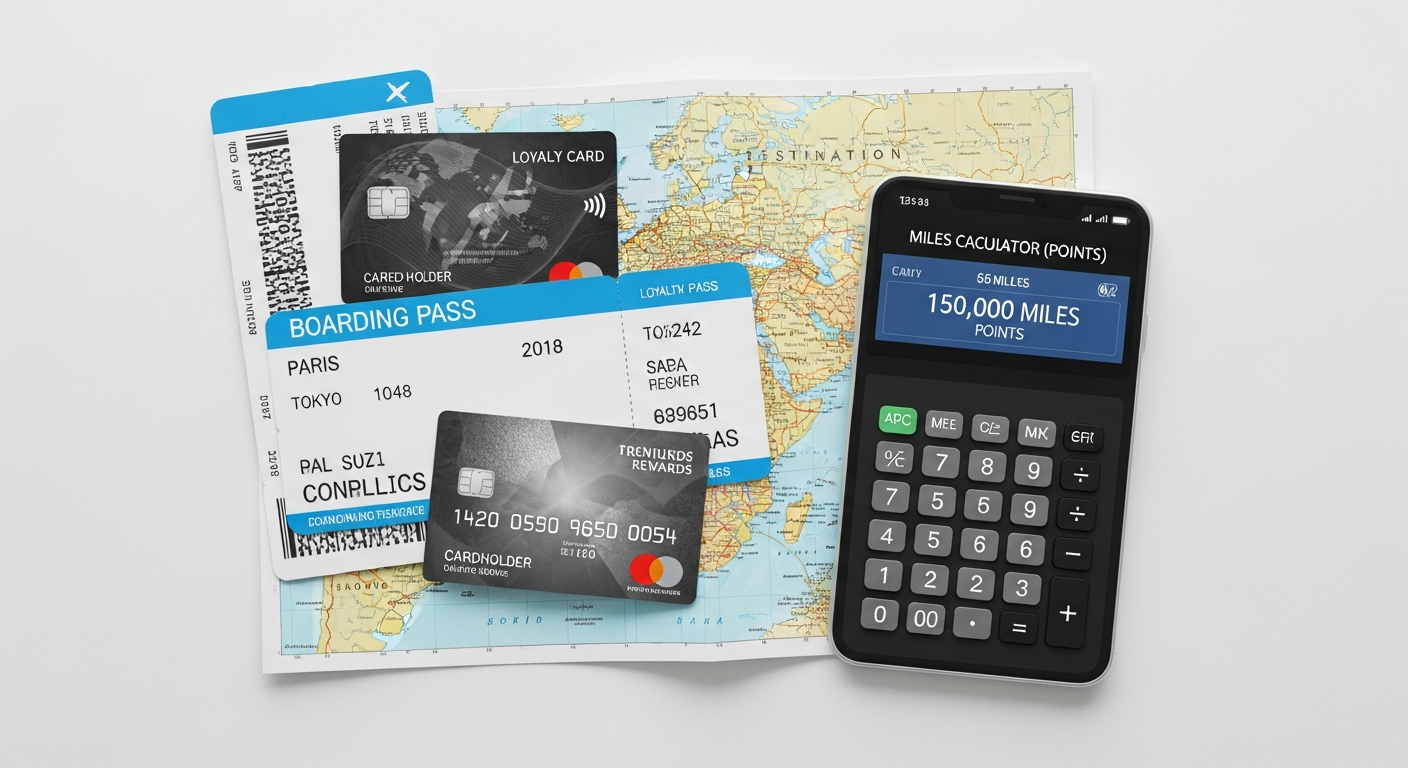
Beyond groceries, a vast array of retail loyalty programs offer significant value, transforming your regular shopping into a rewarding experience. These programs are designed to foster brand loyalty by providing exclusive perks, discounts, and points that can be redeemed for future purchases. For the savvy consumer, understanding which programs deliver the most bang for your buck is crucial for maximizing your overall savings and benefits.
Fashion and beauty retailers often have highly engaging loyalty programs. Sephora’s Beauty Insider program, for example, offers points for every dollar spent, redeemable for deluxe samples, exclusive products, or discounts. Members also receive birthday gifts and access to special sales. Similarly, Ulta Beauty’s Ultamate Rewards program provides points that function much like a rebate, with higher tiers offering accelerated earning rates and exclusive benefits.
Coffee and food chains also excel in loyalty offerings. Starbucks Rewards allows members to earn “Stars” for every purchase, which can be redeemed for free drinks and food. Fast food loyalty programs, like those from McDonald’s or Chick-fil-A, also typically offer free menu items after a certain number of purchases or points earned, making them worthwhile for regular patrons.
For general merchandise, Target Circle is a standout. It’s a free program that offers 1% back on eligible purchases to redeem on future Target trips, personalized deals, and a birthday reward. Crucially, it stacks with the 5% discount offered by the Target RedCard (debit or credit), allowing for a combined 6% effective savings on many purchases. A crucial aspect of managing these memberships, however, is understanding return policies for rewards. If you return an item, the points or rebate earned on that purchase are typically clawed back, which can sometimes put your rewards balance in the negative if you’ve already redeemed them.
Even travel-related retail programs, such as those from airlines and hotels, provide immense value. Marriott Bonvoy and Hilton Honors, for instance, offer points for hotel stays, which can be redeemed for free nights. To help you navigate the vast sea of options and pick the most rewarding ones, consult our comprehensive guide: Best Retail Loyalty Programs.
What Are the Best Ways to Save on Amazon?
Amazon has become an indispensable part of modern life for countless shoppers, and mastering the art of saving on this retail giant is a critical skill for any smart consumer. While Amazon is known for competitive pricing, there are numerous strategies to ensure you’re maximizing your savings and earning opportunities with every click. It’s not just about finding a good deal; it’s about building a systematic approach to Amazon purchases that consistently delivers value.
The cornerstone of saving on Amazon for many is an Amazon Prime membership. Beyond the obvious benefits of free and fast shipping, Prime unlocks a host of exclusive deals, early access to Lightning Deals, and significant discounts at Whole Foods Market. The annual fee can often be recouped through shipping savings alone, especially for frequent shoppers. Additionally, Prime Video, Music, and Reading are valuable entertainment perks that add to the overall membership value.
For dedicated Amazon shoppers, the Amazon Prime Rewards Visa Signature Card (issued by Chase) is an absolute must-have. This card offers an impressive 5% back on all Amazon.com and Whole Foods Market purchases for Prime members, along with 2% back at restaurants, gas stations, and drugstores, and 1% on everything else. Earning 5% back on potentially thousands of dollars in annual spending on Amazon can translate to hundreds of dollars in savings or rewards each year. For non-Prime members, a similar card offers 3% back, which is still a strong return.
Beyond dedicated Amazon cards, don’t forget the power of general rewards credit cards. Many cards offer rotating bonus categories that occasionally include online shopping or specific retailers. Price tracking tools like Keepa or CamelCamelCamel are also invaluable. These browser extensions track historical prices of Amazon products, allowing you to see if a current deal is truly a good one or if you should wait for a better price. Finally, leverage the “Subscribe & Save” option for frequently purchased household items to receive an automatic discount and free shipping, often 5-15% off. For a comprehensive dive into all the clever ways to reduce your Amazon spending, be sure to read our detailed guide: How to Save Money on Amazon Shopping.
Why is Grocery Couponing Still Relevant for Beginners?
For many, the image of couponing conjures up extreme scenarios of binders overflowing with clipped papers. However, modern grocery couponing is far more accessible and less time-consuming, making it an excellent strategy for beginners looking to significantly reduce their food budget. It’s a foundational skill, providing direct, tangible savings on everyday essentials. While digital methods have streamlined the process, understanding the basics of traditional couponing remains invaluable.
The first step for any beginner is knowing where to find coupons. The most common sources include Sunday newspaper inserts, printable coupons from websites such as Coupons.com or the manufacturers’ own sites, and increasingly, digital coupons found within grocery store apps. Digital coupons are particularly convenient as they can be loaded directly to your loyalty card and automatically applied at checkout, eliminating the need for physical clipping. Many stores also offer personalized digital coupons based on your purchasing history.
Once you have coupons, organization is key. For physical coupons, a simple envelope or small accordion file categorized by product type will suffice for beginners. For digital coupons, simply “clipping” them in the app or website and ensuring they are loaded to your account is all that’s needed. The next crucial step is understanding your grocery store’s coupon policy. Policies vary widely regarding coupon doubling, stacking with store coupons, and accepting competitor coupons.
The real magic happens when you combine coupons with sales. A common strategy is to wait until an item you have a coupon for goes on sale. For example, if you have a $1 off coupon for a cereal that’s regularly $4 but goes on sale for $2.50, your final price is just $1.50 – a significant saving. Finally, remember that couponing is just one piece of the puzzle. It synergizes incredibly well with rebate apps like Ibotta and rewards credit cards. For a more comprehensive introduction, our Grocery Couponing Beginners Guide provides all the essential tips and tricks to get you started.
Frequently Asked Questions About Smart Shopping
What is the single most important thing I can do to start saving money and earning rewards?
The most important first step is to sign up for a few key programs and apps that align with your current spending habits. Start with a good rebate app like Rakuten for online shopping, Ibotta for groceries, and ensure you’re enrolled in your primary grocery store’s loyalty program. Simultaneously, evaluate your main credit card to ensure it’s offering decent rewards on your largest spending categories. Consistency in using these tools will yield the most significant results.
Can I really stack coupons, cashback apps, and credit card rewards on the same purchase?
Yes, absolutely! This is the essence of financial optimization. Generally, manufacturer coupons reduce the price of an item, rebate apps provide a return from a third party, and credit card rewards are based on the final transaction amount. These are often independent layers of savings. However, always check the specific terms and conditions of each program, as some rare exclusions may apply.
Are rewards points from credit cards truly valuable, or is cashback simpler?
Both points and direct rebates have their merits. A direct rebate is straightforward and offers immediate, tangible savings. Points, especially transferable points from cards like Chase Ultimate Rewards or Amex Membership Rewards, can often yield significantly higher value when redeemed strategically for travel. For those willing to learn redemption strategies, points can be far more valuable, but direct rebates offer simplicity and a guaranteed return.
How do I know if a loyalty program is actually worth joining?
A loyalty program is worth joining if it offers benefits that align with your spending habits and provides tangible value without excessive effort or cost. Look for programs that give you exclusive discounts, points you can easily redeem, free items, or perks you genuinely appreciate (like free shipping or early access to sales). Free programs are almost always worth it, even for minimal benefits.
Is it worth paying an annual fee for a premium rewards credit card?
For many savvy consumers and travelers, yes, a premium rewards credit card with an annual fee can be highly worthwhile. The key is to ensure the value you extract from the card’s benefits, travel credits, and elevated earning rates significantly outweighs the annual cost.
Sources & References
- The Points Guy. “Monthly Point Valuations.” Comprehensive data on airline and hotel point values.
- NerdWallet. “How to Maximize Credit Card Rewards.” Strategies for optimizing category bonuses.
- Consumer Financial Protection Bureau (CFPB). “Understanding Credit Card Rewards.” Guidelines on consumer protection and reward program terms.
Reviewed by David Chen, Certified Financial Planner — Last reviewed: March 2026