

Airline Miles vs. Cashback: The Ultimate Gold Points Showdown for Your Wallet
On March 10, 2026 by pubmanUnderstanding Airline Miles: The World of Travel Rewards
Airline miles, often interchangeably referred to as “points” by many credit card issuers, represent a specific type of loyalty currency primarily designed for travel. They are accumulated through various means, most commonly via co-branded airline credit cards, general travel rewards cards, or direct airline programs. The allure of miles lies in their potential for outsized value, particularly when redeemed for premium travel experiences.
How Airline Miles Work: Accumulation and Redemption
- Earning Miles:
- Credit Card Spending: The most common method. Co-branded airline cards (e.g., Delta SkyMiles American Express, United MileagePlus Chase) earn miles directly with that airline. General travel cards (e.g., Chase Sapphire Preferred, American Express Platinum) earn transferable points that can be converted to various airline partners. Many cards offer bonus categories (e.g., 2x on dining, 3x on travel) to accelerate earning.
- Airline Programs: Earning miles directly by flying with an airline or its partners, often based on distance flown or fare class.
- Shopping Portals and Promotions: Many airlines and credit card programs offer online shopping portals where you can earn bonus miles for purchases made through their links.
- Sign-Up Bonuses: A significant driver of initial mile accumulation. Many of the Best Credit Card Rewards Programs 2026 offer substantial sign-up bonuses, often requiring a specific spending threshold within the first few months.
- Redeeming Miles:
- Award Flights: The primary use. Miles can be exchanged for flights, often at a fixed rate per mile or based on dynamic pricing.
- Upgrades: Using miles to upgrade from economy to business or first class.
- Travel Packages: Some programs allow redemption for hotels, car rentals, or vacation packages, though often at a lower value.
- Other Merchandise/Gift Cards: Generally discouraged due to very poor redemption value.
Types of Miles: Direct vs. Transferable Points
Understanding the distinction between direct airline miles and transferable points is crucial for maximizing value:
- Direct Airline Miles: These are miles earned directly with a specific airline (e.g., American Airlines AAdvantage miles, Southwest Rapid Rewards points). They are typically held within that airline’s loyalty program and can only be redeemed for flights or services with that airline or its direct partners. While straightforward, this can limit flexibility.
- Transferable Points: Offered by major credit card issuers like Chase (Ultimate Rewards), American Express (Membership Rewards), Citi (ThankYou Points), and Capital One (Capital One Miles). These points are highly flexible because they can be transferred to a variety of airline (and sometimes hotel) partners at varying ratios (e.g., 1:1, 2:1). This flexibility allows you to choose the best redemption value across multiple airlines, making them a cornerstone of many sophisticated travel hacking strategies.
The true power of airline miles often lies in their potential to unlock aspirational travel experiences – think business class flights to Europe or first-class trips to Asia – that would be prohibitively expensive when paid for with cash. However, this value is not guaranteed and requires strategic planning and flexibility.
Decoding Cashback Rewards: Simplicity and Flexibility

Cashback rewards represent the more straightforward and universally appealing side of the rewards spectrum. Instead of proprietary points or miles, cashback programs offer a direct return on your spending, typically as a percentage of your purchase amount. This simplicity makes them incredibly popular, as the value is always clear and predictable.
How Cashback Rewards Work: Earning and Redeeming
- Earning Cashback:
- Flat-Rate Cards: Many cards offer a consistent cashback rate on all purchases, such as 1.5% or 2%. These are excellent for everyday spending without needing to track categories.
- Bonus Category Cards: These cards offer higher cashback rates (e.g., 3%, 5%) on specific spending categories that often rotate quarterly (e.g., groceries, gas, online shopping, dining). Some cards have fixed bonus categories year-round.
- Tiered Rewards: Some cards offer different cashback rates based on spending thresholds or categories (e.g., 5% on the first $1,500 spent in bonus categories, then 1% after).
- Sign-Up Bonuses: Like travel cards, many cashback cards offer attractive sign-up bonuses, often providing a lump sum (e.g., $200) after meeting initial spending requirements.
- Redeeming Cashback:
- Statement Credit: The most common redemption method, where the cashback earned is applied directly to your credit card balance, reducing the amount you owe.
- Direct Deposit: Cashback can be deposited directly into your bank account, offering liquid cash.
- Gift Cards: Some programs allow you to redeem cashback for gift cards, sometimes with a slight bonus in value.
- Checks: Less common now, but some issuers will mail you a check.
- Amazon Purchases: Certain cards, particularly those co-branded with retailers, may allow you to apply cashback directly to purchases. For example, some cards might integrate with your Amazon Prime Benefits Worth It Guide strategy, letting you use rewards directly at checkout.
The Appeal of Simplicity and Predictability
The primary advantages of cashback are its ease of understanding and its inherent flexibility. A dollar of cashback is always worth a dollar. There’s no need to worry about complex redemption charts, blackout dates, or the ever-present threat of devaluation. This predictability makes budgeting easier and provides tangible financial relief, whether you use it to pay down debt, save for a down payment, or simply cover everyday expenses.
- Guaranteed Value: 1% cashback means you get 1 cent for every dollar spent, every time.
- No Expiration Worries: Most cashback rewards do not expire as long as your account is open and in good standing.
- Versatility: Cash is king. You can use cashback for anything – groceries, rent, utilities, or even a future trip, albeit by directly paying for it rather than redeeming points.
For those who prefer a straightforward approach to their finances, or whose spending habits don’t align with frequent, high-value travel, cashback often emerges as the superior choice. It’s a reliable, no-fuss reward that consistently delivers tangible value.
The Valuation Conundrum: When Miles Outshine Cashback (and Vice Versa)
Calculating the Value of Airline Miles: Cents Per Mile (CPM)
To truly compare miles and cashback, you need to understand the “cents per mile” (CPM) calculation. This metric helps you determine how much value you’re getting from each mile. The formula is:
(Cash Price of Flight - Taxes & Fees Paid with Cash) / Number of Miles Required = Cents Per Mile (CPM)
Example:
A business class flight costs $5,000. The same flight requires 100,000 miles + $100 in taxes and fees.
Value = ($5,000 – $100) / 100,000 miles = $4,900 / 100,000 = $0.049 per mile, or 4.9 CPM.
In this scenario, each mile is worth 4.9 cents. If you had a cashback card earning 2% (2 cents per dollar), you’d need to spend $245,000 to get $4,900 in cashback. To earn 100,000 miles at a 2x rate, you’d need to spend $50,000. This stark difference highlights the potential for outsized value with miles.
When Miles Outshine Cashback: The Aspirational Redemption
Miles typically offer superior value when redeemed for:
- Premium Cabin Travel: First class and business class flights often command exorbitant cash prices but can be surprisingly affordable in miles. Redeeming 50,000 miles for a $2,000 business class flight yields 4 CPM, far exceeding any cashback rate.
- International Flights: Long-haul international routes, especially to popular or remote destinations, can offer excellent CPM value due to their high cash cost.
- Last-Minute Travel (Sometimes): While often associated with high cash prices, sometimes last-minute award availability can appear, offering great value if you’re flexible.
- Specific Sweet Spots: Many loyalty programs have “sweet spots” – specific routes or partner redemptions that offer exceptionally good value. Discovering and leveraging these requires research.
The average value for airline miles is often cited around 1.2-1.5 CPM. Anything above 2 CPM is generally considered excellent, while below 1 CPM is often a poor redemption, suggesting cashback might have been a better choice.
When Cashback is Unequivocally Better: Simplicity and Everyday Savings
Cashback shines in scenarios where:
- Small, Frequent Purchases: For everyday spending where you’re not trying to hit a specific travel goal, cashback provides immediate, guaranteed returns.
- Lack of Flexibility: If you can’t be flexible with travel dates, destinations, or specific airlines, finding good award availability for miles can be challenging, leading to low CPM redemptions.
- High Taxes and Fees on Award Tickets: Some airlines (e.g., British Airways, Lufthansa) impose significant fuel surcharges and taxes on award tickets, which can dilute the value of your miles. In such cases, the effective CPM can drop significantly, making cashback a better option.
- Emergency Funds or Debt Repayment: For critical financial needs, liquid cash is always superior to miles. You can’t pay your rent with airline miles.
- No Interest in Travel: If you simply don’t travel much, or prefer to pay cash for travel to maintain ultimate flexibility, cashback is the clear winner.
Ultimately, the “better” reward depends on whether your redemption goals align with the strengths of miles (aspirational travel) or cashback (guaranteed savings and flexibility).
Who Benefits Most? Tailoring Rewards to Your Lifestyle
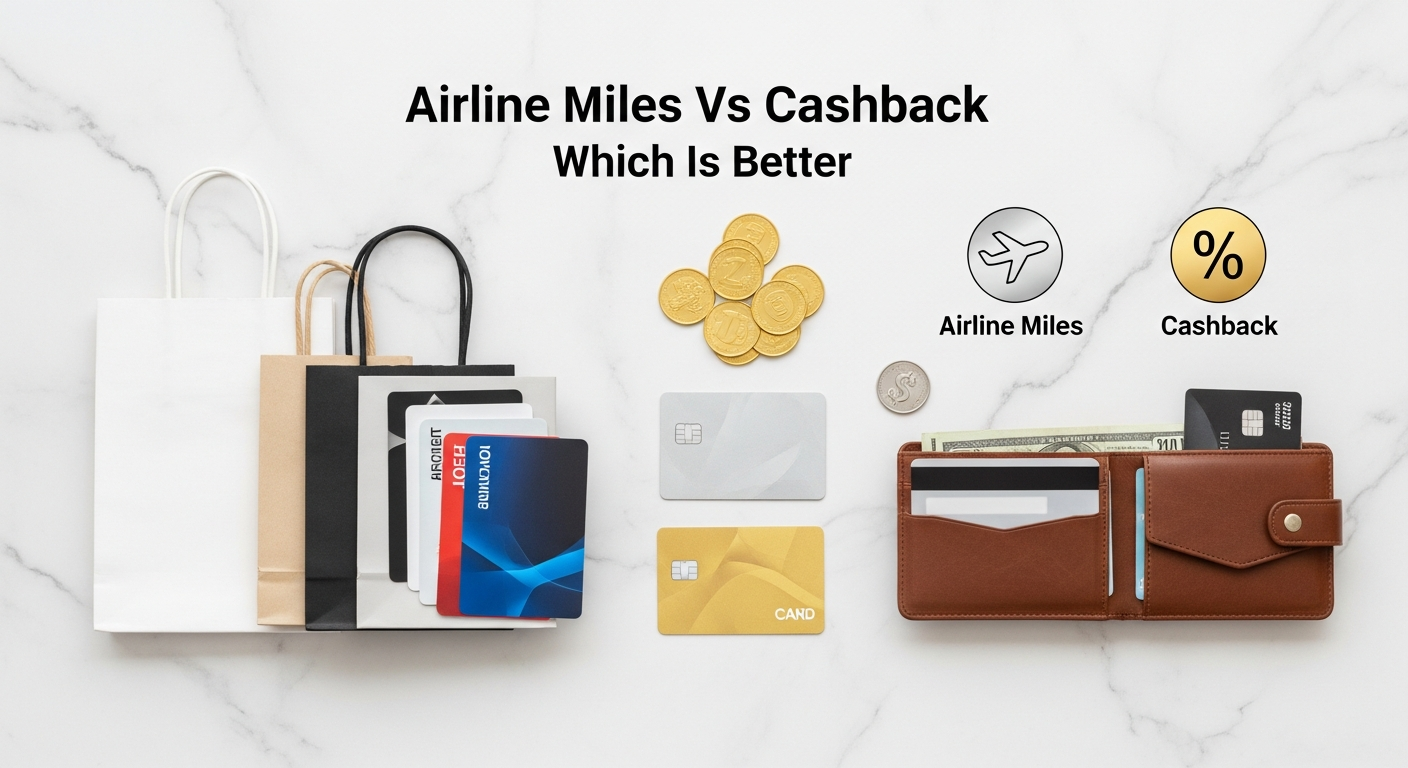
The choice between airline miles and cashback isn’t a one-size-fits-all decision. It hinges critically on your personal spending habits, travel frequency, financial discipline, and long-term goals. Understanding which profile best describes you is the first step toward optimizing your rewards strategy.
For the Frequent Traveler and Aspirational Adventurer
If your heart races at the thought of international travel, premium cabin experiences, or exploring new cultures, airline miles are likely your ideal companion. This category typically includes individuals who:
- Travel Frequently: Whether for business or leisure, those who take multiple flights per year can consistently leverage miles.
- Seek Premium Experiences: You value comfort, luxury, and exclusive travel perks (e.g., lounge access, expedited security) that often come with high-value mile redemptions.
- Are Flexible with Travel Dates: The best award availability often requires flexibility to travel during off-peak seasons or on specific dates.
- Are Willing to Learn: Maximizing miles requires some effort – understanding award charts, transfer partners, and searching for “sweet spots.”
- Have High Spending: Significant credit card spending (or strategically utilizing sign-up bonuses from the Best Credit Card Rewards Programs 2026) is essential to accumulate enough miles for meaningful redemptions.
- Live Near Major Hubs: Access to more airlines and routes increases your chances of finding good award availability.
For these individuals, the potential for 3-5+ cents per mile in value can far outweigh any cashback offer, turning what would be an expensive trip into an achievable dream. They understand that miles are an investment in future experiences, not just immediate savings.
For the Budget-Conscious and Everyday Spender
If your priority is straightforward savings, managing a tight budget, or simply avoiding the complexities of travel rewards, cashback is your undisputed champion. This group typically includes individuals who:
- Prefer Simplicity: You appreciate knowing exactly what your rewards are worth and how to use them without hassle.
- Travel Infrequently or Domestically: If you only take one or two short domestic trips a year, or prefer road trips, the effort to accumulate and redeem miles might not be worth it.
- Are Budget-Focused: Cashback provides tangible savings that can be used to offset daily expenses, pay down debt, or contribute to an emergency fund.
- Have Lower Spending: While high spenders benefit from cashback too, even modest spending can yield meaningful returns over time, without the need to save up for a large redemption.
- Value Liquidity: You prefer having actual cash in hand or as a statement credit, which offers ultimate flexibility for any financial need.
- Don’t Want to Track Categories: Flat-rate cashback cards are perfect for those who don’t want to bother with rotating bonus categories.
Cashback provides a predictable, reliable return on every dollar spent, making it an excellent choice for optimizing everyday finances without the strategic overhead associated with travel miles. It’s about consistent, guaranteed value rather than chasing aspirational redemptions.
The Hybrid Approach: Best of Both Worlds
Many savvy consumers don’t choose one over the other but employ a hybrid strategy, using a mix of cards to maximize different spending categories. For example:
- Using a travel rewards card for major expenses or travel-related spending to earn transferable points.
- Using a high-percentage cashback card for specific categories like groceries or gas.
- Using a flat-rate 2% cashback card for all other uncategorized spending.
This approach allows you to accumulate travel rewards for big trips while simultaneously enjoying consistent savings on daily expenditures. It requires more management but can yield the highest overall value.
Navigating the Pitfalls: Expiration, Devaluation, and Hidden Costs
While both airline miles and cashback offer enticing benefits, each comes with its own set of potential drawbacks and hidden costs. Understanding these pitfalls is crucial for making an informed decision and preventing disappointment.
Airline Miles Pitfalls: The Volatile Nature of Travel Rewards
Airline miles, despite their potential for high value, are subject to several risks that can diminish their worth:
- Devaluation: This is arguably the biggest threat to airline miles. Airlines can, and frequently do, change their award charts without much notice. A flight that once cost 50,000 miles might suddenly require 75,000 miles, effectively reducing the value of your accumulated points. This risk is particularly pronounced with co-branded airline cards; transferable points offer some hedge against this by allowing you to choose from multiple partners.
- Availability Issues: Finding award seats, especially in premium cabins or during peak travel seasons, can be incredibly challenging. Airlines often release a limited number of award seats, making flexibility in travel dates and destinations a must. If you can’t find the flights you want, your miles sit unused or are redeemed at poor value.
- Expiration Policies: Many airline mileage programs have expiration policies. If there’s no activity on your account (earning or redeeming) for a certain period (e.g., 18-24 months), your miles could expire. This is a critical factor to monitor. Gold Points has a comprehensive guide on How To Avoid Credit Card Rewards Expiring, which is highly recommended reading for anyone accumulating miles.
- Fuel Surcharges and Taxes: While you’re using miles for the “fare,” you almost always have to pay government taxes and fees. Some airlines, particularly certain foreign carriers (e.g., British Airways, Lufthansa) when booked through partners, levy significant “fuel surcharges” on award tickets, which can run into hundreds or even thousands of dollars. This dramatically reduces the effective value of your miles.
- Annual Fees: Many premium travel rewards cards come with substantial annual fees (e.g., $95 to $695+). You need to ensure the value you derive from the miles and card benefits (e.g., lounge access, travel credits) outweighs these fees.
The dynamic and sometimes unpredictable nature of airline miles means that while the potential rewards are high, so too are the complexities and risks. Active management and awareness are key to success.
Cashback Pitfalls: Less Volatile, but Still Considerations
Cashback rewards are generally more stable, but they aren’t entirely without their own minor considerations:
- Lower Maximum Value: The primary “pitfall” of cashback is its inability to deliver the aspirational, outsized value that miles can sometimes provide. A 2% return is great, but it will never get you a $10,000 business class ticket for the equivalent of $2,000 in spending.
- Minimum Redemption Thresholds: Some cashback cards require you to accumulate a minimum amount (e.g., $25) before you can redeem your rewards. This can be a minor annoyance if you have low spending or want to redeem small amounts frequently.
- Category Tracking (for some cards): If you use rotating bonus category cashback cards, you need to remember to activate categories quarterly and adjust your spending habits to maximize earnings. Failing to do so can significantly reduce your effective cashback rate.
- Annual Fees (less common, but exists): While less common than with travel cards, some premium cashback cards might have annual fees. Ensure the cashback you earn clearly offsets any such fees.
Compared to miles, cashback rewards offer a much smoother, more predictable experience with fewer hidden traps. Their value is fixed, and the redemption process is usually straightforward, making them a low-stress option for most consumers.
Strategic Earning and Redemption in 2026 and Beyond
Regardless of whether you lean towards airline miles or cashback, a strategic approach is paramount to maximizing your rewards. The landscape of credit card rewards is ever-evolving, so staying informed and agile will be key in 2026.
Optimizing Your Earning Strategy
- Leverage Sign-Up Bonuses: For both miles and cashback, sign-up bonuses are the fastest way to accumulate a significant chunk of rewards. Many of the How To Avoid Credit Card Rewards Expiring. A small activity, like a shopping portal purchase or a point transfer, can often reset the clock.
- Redeem Regularly: Don’t let large sums of cashback sit unredeemed. While they typically don’t expire, redeeming regularly (e.g., monthly, quarterly) ensures you benefit from your earnings sooner.
- Use for Direct Savings: Apply cashback as a statement credit to reduce your bill, or have it direct deposited to your bank account for maximum flexibility.
- Avoid Low-Value Redemptions: While less common with cashback, some programs might offer gift cards or merchandise at a slightly reduced value. Stick to direct cash redemptions.
The Future of Rewards in 2026
The trend towards dynamic pricing for airline awards is likely to continue, making fixed award charts rarer. This means the value of miles will fluctuate more, requiring even savvier redemption strategies. On the cashback front, expect continued innovation in bonus categories and personalized offers driven by data analytics. Both types of rewards will likely see increased integration with digital wallets and mobile payment platforms. The core principle remains: understand your spending, define your goals, and choose the rewards that best align with your financial future.
Making Your Choice: A Personalized Decision Framework
The “airline miles vs cashback which is better” debate ultimately boils down to a personalized decision, shaped by your unique financial situation, lifestyle, and aspirations. There’s no single correct answer for everyone, but by asking yourself a series of key questions, you can construct a decision framework that leads you to the optimal choice for your Gold Points strategy.
Key Questions to Ask Yourself:
- What are your primary financial goals?
- Saving for a down payment, paying off debt, building an emergency fund? Cashback provides direct, liquid funds that are ideal for these objectives.
- Dreaming of a specific international trip, a luxury travel experience? Airline miles are tailored for achieving these travel-centric goals.
- How often do you travel, and what kind of traveler are you?
- Frequent international traveler, enjoys premium cabins, flexible with dates? Miles offer the highest potential value.
- Infrequent traveler, mostly domestic, prefers budget travel, needs fixed dates? Cashback might be more practical, allowing you to pay for travel directly without the complexities of award availability.
- What is your typical monthly credit card spending?
- High spender ($3,000+ per month)? You can accumulate miles quickly enough for significant travel redemptions, especially with sign-up bonuses from the Best Credit Card Rewards Programs 2026.
- Moderate to low spender (under $1,500 per month)? While you can still earn miles, it might take longer to reach significant redemption thresholds, making consistent cashback more appealing for immediate, tangible returns.
- How much effort are you willing to put into managing your rewards?
- Enjoy researching award charts, tracking transfer partners, and searching for deals? Miles will reward your diligence.
- Prefer a “set it and forget it” approach? Cashback offers simplicity and requires minimal management.
- What is your tolerance for risk and unpredictability?
- Comfortable with potential devaluations and variable redemption values for the chance of outsized returns? Miles might be for you.
- Prefer guaranteed value and predictable returns? Cashback provides stability.
The Case for Diversification: A Balanced Portfolio
For many, the optimal strategy isn’t choosing one over the other, but building a diversified portfolio of credit cards. This often involves:
- One or two premium travel rewards cards: To earn transferable points for aspirational travel and leverage valuable benefits like lounge access or travel credits.
- One or two high-earning cashback cards: To maximize returns on everyday spending categories (groceries, gas, dining) or for a flat rate on all other purchases.
This hybrid approach allows you to funnel your spending strategically, ensuring you’re always earning the most valuable reward for each dollar, whether that’s a direct discount or a step closer to your dream vacation. Remember to continuously review your card portfolio to ensure it aligns with your evolving financial situation and travel goals, especially as new offers and program changes emerge in 2026.
Frequently Asked Questions
Recommended Resources
Learn more about this topic in Keyword Research Guide For Beginners at Page Release.
You might also enjoy How To Start An Ecommerce Business 2026 from E-ComProfits.