


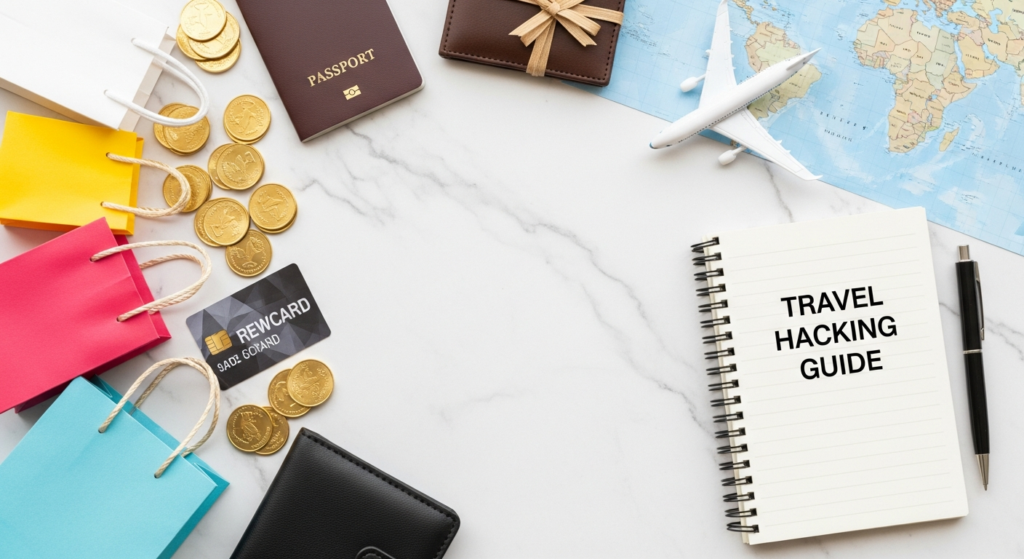
Understanding Travel Hacking: More Than Just a Buzzword for 2026
Travel hacking, at its core, is the strategic accumulation and redemption of loyalty points, airline miles, hotel rewards, and other discounts to travel for significantly less money, often for free. It’s not about finding loopholes or engaging in unethical practices; rather, it’s about understanding the rules of various loyalty programs and credit card rewards systems, and then playing by those rules to your maximum advantage. As we head into 2026, the landscape of rewards is more dynamic than ever, offering both challenges and unprecedented opportunities for the savvy traveler.
For beginners, the concept can seem overwhelming, conjuring images of complex spreadsheets and obscure strategies. However, the foundational principles are straightforward: earn points efficiently, understand their value, and redeem them intelligently. This guide aims to simplify that journey for you, focusing on practical steps and actionable insights that anyone can implement. Imagine turning your routine grocery shopping, utility bill payments, or even your morning coffee into currency for your next dream vacation. That’s the essence of travel hacking.
The beauty of travel hacking in 2026 lies in its versatility. It’s not a one-size-fits-all approach. Whether you’re a solo adventurer dreaming of a round-the-world trip, a family planning an annual theme park vacation, or a couple seeking a luxurious escape, the principles of travel hacking can be tailored to fit your specific goals and spending habits. It requires patience, organization, and a willingness to learn, but the rewards—literally—are boundless. By the end of this guide, you’ll have a clear roadmap to becoming a successful travel hacker, ready to embark on your 2026 travel adventures with a pocket full of points.
The Foundation: Credit Card Rewards Programs in 2026


At the heart of most successful travel hacking strategies lies the intelligent use of credit card rewards programs. In 2026, these programs continue to be the most potent tool for accumulating significant points and miles quickly. It’s crucial to approach credit cards responsibly, always paying your balances in full and on time to avoid interest and maintain a healthy credit score. With that responsible foundation, you can unlock a world of travel possibilities.
Choosing the Right Travel Rewards Credit Cards
The first step is identifying which credit cards align with your travel goals and spending patterns. Not all travel cards are created equal. Some excel in earning airline miles directly with a specific carrier (co-branded cards), others offer flexible points that can be transferred to multiple airline and hotel partners, while some might provide excellent cashback that can be used to offset travel expenses. For beginners in 2026, a strong general travel rewards card or a card with flexible points is often the best starting point due to its versatility.
Consider factors like annual fees (and whether the benefits outweigh them), earning rates on categories where you spend the most (e.g., dining, groceries, travel), and the redemption options available. Do you prefer a specific airline or hotel chain, or do you value the flexibility to choose from many? Understanding your preferences will guide you to the right cards.
Maximizing Welcome Bonuses
For any aspiring travel hacker in 2026, welcome bonuses are your golden ticket. These are substantial chunks of points or miles offered by credit card issuers when you meet a certain spending threshold within a specified timeframe (e.g., spend $3,000 in the first three months). A single welcome bonus can often be enough for a domestic round-trip flight or several nights at a hotel, making them by far the fastest way to accumulate rewards.
The strategy here is to apply for a card when you have a significant expense coming up (e.g., car repairs, home improvements, holiday shopping) that allows you to easily meet the minimum spending requirement without overspending or going into debt. Never spend money you wouldn’t otherwise spend just to earn a bonus. Always ensure you can comfortably meet the spending requirements and pay off the balance.
Strategic Spending and Category Bonuses
Beyond the initial welcome bonus, consistent and strategic spending is key to continued points accumulation. Many credit cards offer bonus points on specific spending categories. For instance, a card might offer 3x points on dining and travel, 2x points on groceries, and 1x point on all other purchases. By using the right card for the right type of purchase, you can significantly accelerate your earning.
Develop a system: identify which of your cards offers the best return for different spending categories and make it a habit to use that card. This might mean having one card for groceries, another for dining, and a third for travel bookings. Over time, these small adjustments add up to a substantial increase in your points balance. Review your spending habits regularly to ensure you’re always optimizing your rewards in 2026.
Understanding Transfer Partners and Redemption Values
One of the most powerful aspects of flexible travel rewards programs in 2026 is the ability to transfer points to various airline and hotel loyalty programs. This is where the true value often lies, as transferring points can yield a much higher redemption value than simply using points for a fixed-value redemption (e.g., 1 cent per point towards travel booked through the credit card portal).
For example, 50,000 flexible points might be worth $500 when redeemed directly for travel through the credit card’s portal. However, if those 50,000 points can be transferred to an airline partner at a 1:1 ratio, and that airline has an award flight to Europe that would cost $1,500 in cash, your 50,000 points just gained a value of 3 cents per point! Researching transfer partners and understanding their respective award charts (or dynamic pricing models) is crucial for maximizing your point value.
Best Credit Card Rewards Programs 2026
While specific card recommendations can change, the fundamental characteristics of the Best Credit Card Rewards Programs 2026 remain consistent. Look for programs that offer a combination of generous welcome bonuses, strong earning rates on common spending categories, and, most importantly, flexible points that can be transferred to a wide array of high-value airline and hotel partners. Programs from major issuers like Chase, American Express, and Capital One frequently top these lists due to their extensive networks of transfer partners and diverse card portfolios catering to different spending habits and travel aspirations. These programs often provide excellent redemption opportunities for both economy and premium travel, making them staples for seasoned travel hackers. Stay informed by regularly checking financial blogs and reviews for the latest insights into program changes and new card offerings.
Beyond Credit Cards: Diversifying Your Points Portfolio
Loyalty Programs: Airlines, Hotels, and Car Rentals
Every major airline, hotel chain, and car rental company operates its own loyalty program. As a beginner, it’s wise to sign up for these programs even if you don’t have immediate travel plans. Earning points directly through these programs, often through paid stays or flights, can complement your credit card earnings. For instance, if you frequently fly with a particular airline for work, ensuring you’re enrolled in their loyalty program means every flight earns you miles that can be pooled with points transferred from your credit card. The same applies to hotel stays. Aim for status with one or two preferred brands if you travel enough, as elite status often comes with benefits like free upgrades, late checkout, and bonus points on stays.
The Power of Shopping Portals and Affiliate Links
One of the easiest and most overlooked ways to earn extra points and miles without changing your spending habits is through shopping portals. Many airlines, hotel chains, and flexible points programs (like those from Chase or Rakuten, which converts cashback into Amex points) operate online shopping portals. Before making an online purchase, simply log into your chosen portal, click through to your retailer, and you’ll earn bonus points or cashback on your purchase. This is an effortless way to stack rewards: you earn points from the portal, plus points from the credit card you use to make the purchase. Always check multiple portals using a tool like EVReward or CashBackMonitor to find the best earning rate before you buy.
Leveraging Best Store Credit Cards Rewards 2026 for Travel
While not traditionally seen as “travel cards,” certain store credit cards can indirectly contribute to your travel hacking goals in 2026. The Best Store Credit Cards Rewards 2026 are those that offer high cashback rates or flexible points on categories where you frequently spend at specific retailers, and this cashback or points can then be used to fund travel. For example, a store card that gives 5% back on all purchases at a major retailer where you buy groceries or household goods effectively gives you a 5% discount, which can then be put towards your travel fund. Some premium store cards, particularly those associated with luxury brands or department stores, might even offer unique travel perks or co-branded travel redemption options. The key is to evaluate if the rewards structure of a store card truly offers superior value for your specific spending at that retailer compared to a general rewards credit card, and if those rewards can genuinely be channeled towards your travel aspirations. Use them strategically for specific purchases, not as your primary travel earning tool.
The Art of Redemption: Smart Strategies for Free Travel

Earning points is only half the battle; the true mastery of travel hacking lies in the redemption. Knowing how and when to use your accumulated points and miles can dramatically impact the value you get. A poorly executed redemption can yield a value of less than one cent per point, while a strategic one can easily exceed five cents per point. For beginners in 2026, understanding these nuances is critical to maximizing your hard-earned rewards.
Finding Award Availability
Award availability refers to the number of seats or rooms an airline or hotel makes available for booking with points or miles. This can vary wildly depending on the airline, route, time of year, and even the day of the week. Flexibility is your greatest asset here. If you can travel during off-peak seasons, mid-week, or are open to different destinations, you’ll have a much easier time finding award space.
Start your search early, especially for popular routes or peak travel times. Utilize airline and hotel websites’ award search tools. Some airlines, particularly those in alliances like Star Alliance, Oneworld, or SkyTeam, allow you to search for award availability across their partner airlines directly on their sites. Third-party tools like AwardHacker, Point.me, or ExpertFlyer can also be invaluable for identifying potential routes and award space, though some may require a subscription.
Sweet Spots and Devaluations: Staying Ahead of the Curve
A “sweet spot” in travel hacking refers to a particularly good redemption value where the number of points required for a flight or hotel stay is disproportionately low compared to its cash price. These often occur on specific routes, with certain airline partners, or in particular hotel categories. For example, using a specific airline’s miles for short-haul flights on a partner airline might be an incredible value, or booking a top-tier hotel in an off-season for a relatively low number of points. Researching these sweet spots and being ready to capitalize on them is a hallmark of a smart travel hacker in 2026.
Conversely, “devaluations” are when loyalty programs increase the number of points required for an award, effectively making your points worth less. These can happen without much notice. Staying informed by following travel hacking blogs and forums is essential to anticipate these changes and redeem your points before they lose value. This often means having a redemption goal in mind and acting when you see good value, rather than hoarding points indefinitely.
Booking Strategy: When to Transfer, When to Book Direct
Deciding whether to transfer your flexible credit card points to an airline or hotel partner or to use them directly through your credit card’s travel portal is a crucial decision. As a rule of thumb, transferring points often yields higher value, especially for premium cabin flights or high-end hotel stays, due to the potential for sweet spots. However, direct booking through a portal can be advantageous if:
- You can’t find award availability on your desired flight/hotel.
- The cash price of the flight/hotel is very low, making the points transfer a poor value.
- Your credit card offers a fixed redemption value (e.g., 1.5 cents per point) that is competitive with the cash price.
- You want to earn points on the booking (which you often do when booking through a portal as a cash transaction).
Always compare the cash cost of a flight or hotel with the points cost through various redemption methods before making your final decision. Consider factors like taxes and fees, which are often lower on award bookings but still present. In 2026, many programs have dynamic pricing, meaning points prices fluctuate with cash prices, making this comparison even more important.
Advanced Tactics and Avoiding Pitfalls in 2026
Once you’ve mastered the basics of earning and redeeming points, you can begin to explore more advanced travel hacking strategies. However, with greater opportunity comes greater responsibility to avoid common pitfalls. Navigating these aspects carefully will ensure your travel hacking journey in 2026 is both rewarding and sustainable.
Companion Passes and Free Night Certificates
Beyond standard points and miles, many credit cards and loyalty programs offer valuable perks like companion passes or free night certificates. A companion pass allows a second traveler to fly or stay with you for only the cost of taxes and fees, often after meeting a specific spending requirement on a co-branded credit card. These can effectively double the value of your points, making them incredibly potent for couples or families. Similarly, free night certificates, often earned annually with certain hotel credit cards, can cover a night at a specific category of hotel, potentially saving you hundreds of dollars.
These benefits often come with an annual fee, so calculate if the value of the pass or certificate outweighs that fee, considering your travel habits for 2026. For many, a single companion pass or free night certificate can easily justify the annual cost.
The Importance of Manufactured Spending (Ethically!)
Manufactured spending (MS) is a strategy to meet minimum spending requirements for credit card welcome bonuses or to earn category bonuses on everyday expenses without actually “spending” money in the traditional sense. Ethical MS involves legitimate methods such as paying bills through third-party services that accept credit cards (sometimes with a small fee), or purchasing gift cards for stores you frequent (e.g., grocery stores, gas stations) with a bonus category card, and then using those gift cards for your regular purchases. It is not about creating fake transactions or engaging in any fraudulent activity.
For beginners in 2026, it’s generally advisable to focus on natural spending. However, understanding ethical MS can be useful for those who struggle to meet a high spending requirement organically. Always be aware of fees associated with MS methods, as they can negate your earnings, and ensure you’re complying with the terms and conditions of your credit card and the retailers involved. Start small and only with methods you fully understand and are comfortable with.
Managing Your Credit Score While Travel Hacking
A common concern for beginners is whether travel hacking will harm their credit score. When done responsibly, the answer is no; in fact, it can even improve it. Key principles for maintaining a healthy credit score while travel hacking in 2026 include:
- Always pay your balances in full and on time: This is non-negotiable. Interest fees will quickly wipe out any rewards earned.
- Keep old accounts open: The length of your credit history is a factor in your score.
- Monitor your credit utilization: Keep your credit usage low relative to your credit limits. Even if you pay in full, if your balance reports before payment, it can temporarily affect your score.
- Space out applications: Too many hard inquiries in a short period can lower your score. A general rule of thumb for beginners is to wait 3-6 months between applications. Be aware of issuer-specific rules like Chase’s 5/24 rule (no more than 5 new credit accounts in 24 months).
Travel hacking requires a strong credit score to qualify for premium rewards cards. Protecting and maintaining that score is paramount.
Navigating Fees and Surcharges
While travel hacking aims for “free” travel, it’s important to remember that some fees and surcharges are almost always present. These can include:
- Annual credit card fees: Factor these into your calculations. Ensure the value of the rewards and benefits outweighs the fee.
- Airline fuel surcharges: Some airlines, particularly those based in Europe or Asia, impose significant fuel surcharges on award tickets, making them less “free.” Research these before transferring points.
- Airport taxes and government fees: These are standard and unavoidable on almost all flights, whether paid with cash or points.
- Hotel resort fees: Many hotels, especially in popular tourist destinations, charge mandatory resort fees, even on award stays.
Always factor these costs into your travel budget. A “free” flight might still cost you $50-$200 in taxes and fees, which is still a fantastic deal compared to hundreds or thousands in cash, but it’s important to be prepared for it.
Saving Even More: The Role of Promo Codes and Discounts
Even the most seasoned travel hackers understand that points and miles aren’t the only path to saving money on travel. Integrating promo codes and discounts into your strategy for 2026 can lead to significant additional savings, allowing you to stretch your travel budget further or even fund parts of your trip that points can’t cover.
Stacking Discounts for Ultimate Savings
The real magic of discounts comes when you learn to stack them. Stacking means combining multiple savings opportunities on a single purchase. For example, when booking a hotel, you might:
- Use a shopping portal to earn extra points or cashback on the booking.
- Apply a specific promo code (e.g., from a hotel newsletter or a travel site) for a percentage off the room rate.
- Pay with a credit card that offers bonus points on travel purchases.
- If booking a package, look for flight + hotel bundle discounts.
This multi-layered approach can lead to substantial savings. Always check for current promotions before making any travel-related purchase, from flights and hotels to rental cars and activities. Many travel providers frequently release flash sales or limited-time offers that, when combined with your existing points strategy, can unlock incredible value.
How To Use Promo Codes And Discounts
Effectively utilizing How To Use Promo Codes And Discounts involves a multi-pronged approach. Firstly, subscribe to newsletters from your favorite airlines, hotels, and online travel agencies (OTAs), as they often send exclusive codes to their subscribers. Secondly, frequently check dedicated coupon websites (like RetailMeNot, Coupons.com, or specific travel deal aggregators) before making a purchase. Browser extensions like Honey or Rakuten (formerly Ebates) can also automatically find and apply coupons at checkout. Thirdly, look for social media promotions directly from travel brands. When applying codes, always read the terms and conditions carefully: check for minimum purchase requirements, expiration dates, exclusions (e.g., not valid on certain dates or room types), and whether the code can be combined with other offers. Don’t forget student, senior, or military discounts if applicable. Finally, consider purchasing discounted gift cards for airlines or hotels from reputable resellers, which can be another form of discount when planning your 2026 trips. Timing is also crucial; often, travel providers release their best codes during specific sales periods or holidays.
Timing Your Bookings and Price Alerts
Beyond specific codes, timing your bookings can act as a powerful discount in itself. Airfares and hotel rates fluctuate constantly. Tools like Google Flights, Skyscanner, and Hopper allow you to track prices and set up alerts for specific routes or dates, notifying you when prices drop. Often, booking flights several months in advance for international travel and a few weeks to a couple of months for domestic can yield better prices. For hotels, waiting closer to the date for last-minute deals can sometimes pay off, especially in non-peak seasons, but this carries more risk for popular destinations. Be flexible with your travel dates if possible, as shifting your trip by a day or two can sometimes unlock significantly cheaper rates or better award availability.
Your Travel Hacking Journey Begins Now: A 2026 Roadmap
Embarking on your travel hacking journey in 2026 is an exciting endeavor that promises incredible rewards. This guide has provided you with the foundational knowledge and advanced strategies to transform your everyday spending into extraordinary travel experiences. Remember, travel hacking is a marathon, not a sprint. It requires patience, diligence, and continuous learning, but the payoff of exploring the world for a fraction of the cost is immeasurable.
Start by assessing your current spending habits and identifying your primary travel goals. Research the Best Credit Card Rewards Programs 2026 that align with those goals, and begin strategically applying for cards to earn those lucrative welcome bonuses. Don’t forget to sign up for airline and hotel loyalty programs, and always leverage shopping portals for every online purchase. As you gain confidence, delve into understanding redemption sweet spots, learn to stack discounts using How To Use Promo Codes And Discounts, and explore companion passes or free night certificates to amplify your savings.
Most importantly, approach travel hacking responsibly. Always pay your credit card bills in full, monitor your credit score, and only spend what you can afford. Stay informed about program changes and new opportunities in the dynamic world of travel rewards. The world is waiting for you, and with the strategies outlined in this travel hacking guide for beginners 2026, you’re now equipped to explore it on your terms. Happy travels!
Frequently Asked Questions
Is travel hacking legal and ethical in 2026?▾
Will travel hacking hurt my credit score in 2026?▾
How long does it take to earn a free trip as a beginner?▾
What is the “5/24 rule” and how does it affect travel hacking in 2026?▾
Should I pay annual fees on travel rewards credit cards in 2026?▾
Can I travel hack effectively without a high income in 2026?▾
Recommended Resources
Explore Dividend Stocks For Passive Income for additional insights.
Explore Google Shopping Ads Guide 2026 for additional insights.