
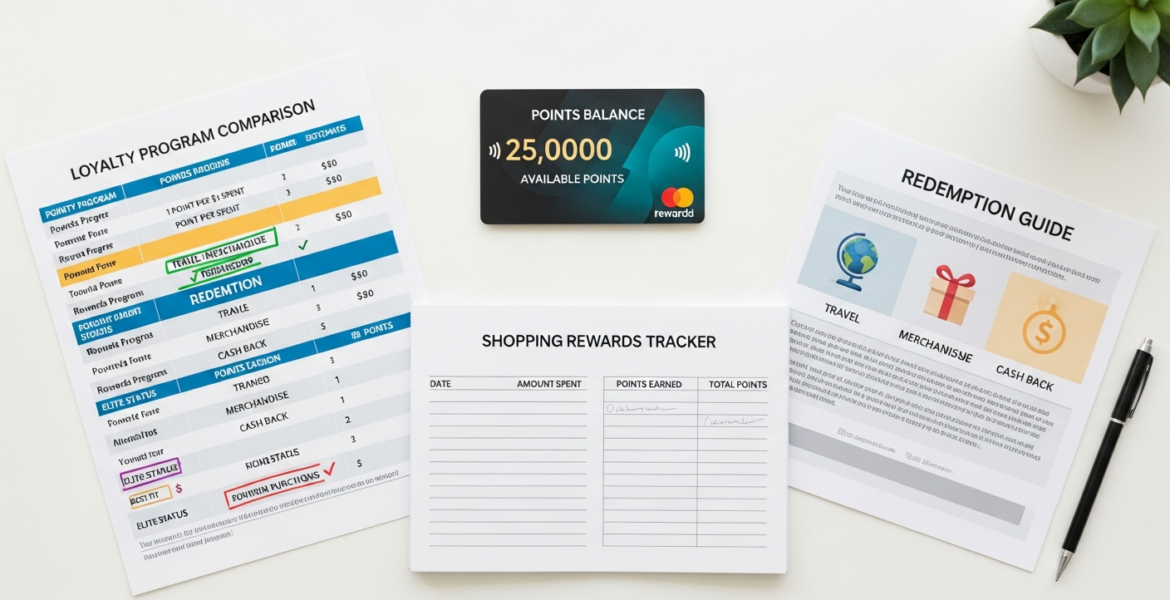
Track & Manage Credit Card Rewards Effectively
On March 10, 2026 by pubmanUpdated March 2026. Welcome to the current financial landscape, where the world of loyalty programs has evolved into a highly sophisticated ecosystem. If you hold multiple premium cards, you are sitting on a goldmine of potential travel, statement credits, and exclusive experiences. However, without a reliable system to track and manage credit card rewards, this 2026 guide emphasizes that you risk leaving significant value on the table. Missing expiration dates, overlooking lucrative redemption opportunities, or simply forgetting about accumulated balances can derail your financial strategy.
This comprehensive resource is designed to equip you with the knowledge and tools necessary to master your points and miles. We will delve into why meticulous monitoring is essential, explore both manual and automated management solutions, and arm you with advanced tactics to ensure every point you earn is maximized. Whether you are a beginner just starting your journey or a seasoned enthusiast looking to refine your approach, get ready to transform your scattered points into tangible benefits.
Why is Tracking Your Credit Card Rewards Non-Negotiable in 2026?
In today’s dynamic financial environment, simply earning points isn’t enough; you must actively manage them to truly unlock their potential. The complexity of modern loyalty programs, coupled with frequent changes to terms and conditions, makes proactive monitoring more critical than ever before. Here is a breakdown of why staying on top of your portfolio is a game-changer:
How does tracking prevent value loss?
Points and miles can expire, often with little warning. Each issuer has different policies—some currencies might expire after a period of inactivity (e.g., certain airline miles), while others may have a fixed expiration date regardless of activity. Losing even a small portion of your accumulated balances is like throwing money away. A dedicated system ensures you are aware of these deadlines and can take action to preserve your assets.
How can you maximize redemption value?
Not all points are created equal, and not all redemptions offer the same value. A Chase Ultimate Rewards point might be worth 1 cent as cashback, but 1.5 to 2 cents (or more) when transferred to a travel partner like Hyatt or United for a strategic booking. Without monitoring your balances and understanding their potential, you might settle for suboptimal redemptions, effectively devaluing your assets.
What role does strategic spending optimization play?
Many premium cards offer bonus categories that rotate quarterly or are fixed for specific spending types (e.g., 5x points on groceries, 3x on dining). Keeping tabs on which card earns what, and when, allows you to “P.C.O.P.” (Put the Card in the Optimal Position) for every purchase, ensuring you are always earning at the highest possible rate.
How do you stay ahead of devaluations?
Loyalty programs are subject to change, and devaluations are an unfortunate reality. Airlines might increase the miles required for award flights, or hotels might shift categories. By monitoring your balances and staying informed, you can identify potential devaluations early and redeem your points before their value diminishes.
How does tracking inform annual fee decisions?
Many premium products come with substantial yearly costs. A clear understanding of the value you’ve earned and redeemed allows you to objectively assess credit card annual fees. This insight empowers you to decide whether to keep, downgrade, or cancel a card responsibly.
Types of Rewards Ecosystems and When to Leverage Them
Before you can effectively monitor your portfolio, it is essential to understand the different currencies you are accumulating. The landscape primarily consists of three main types, each with its own characteristics and optimal uses. Furthermore, understanding credit card statements is vital to verify that you are actually receiving the correct multipliers for each of these ecosystems.
1. Flexible, Transferable Points
These are often considered the “gold standard” due to their versatility. Issuers like Chase, American Express, and Capital One offer their own proprietary programs. The most valuable aspect is the ability to move these points to various airline and hotel loyalty programs. This often unlocks significantly higher redemption values, especially for premium cabin flights or luxury hotel stays. While you can use them in issuer travel portals, transferring them usually yields a higher cents-per-point (CPP) valuation.
2. Airline Miles
These are specific to individual airlines and are earned directly through co-branded airline products or by transferring flexible points. Their value is highly variable. They are primarily used for booking flights on the issuing airline or its alliance partners. Many airlines have moved towards dynamic pricing, meaning award costs fluctuate with demand and cash prices, making “sweet spot” redemptions harder to find but still possible with careful planning.
3. Hotel Points
Similar to airline miles, these are specific to hotel chains and are earned via co-branded hotel products or flexible point transfers. Used for booking free nights at hotels within the chain’s portfolio, their value also varies. Some programs still use category charts, offering predictable redemption values, while others have largely shifted to dynamic pricing. Many programs offer a “fifth night free” benefit when redeeming points for four consecutive nights, significantly boosting value.
4. Cashback Rewards
The simplest form of return, typically earned as a percentage of your spending. Cashback is usually a fixed 1 cent per point or a direct percentage. It requires no complex redemption strategies and can be applied as a statement credit, direct deposit, or sometimes even for gift cards. While predictable, it is often less lucrative than optimized travel redemptions.
The Spreadsheet Advantage for Manual Tracking
For those who prefer a hands-on approach, or if you only manage a few accounts, a well-structured spreadsheet can be an incredibly powerful and cost-effective tool. While it requires discipline and regular updates, it offers complete customization and a clear overview of your entire portfolio.
Setting Up Your Rewards Spreadsheet
You can use Google Sheets, Microsoft Excel, or any similar program. Structuring your data correctly from the start will save you hours of frustration later.
Essential Columns to Include
- Card Name & Issuing Bank: e.g., Chase Sapphire Preferred, Amex Gold.
- Rewards Program: Ultimate Rewards, Membership Rewards, SkyMiles, etc.
- Current Balance: The most up-to-date total of your points, miles, or cashback.
- Last Updated Date: Crucial for knowing when you last synced your balances.
- Expiration Date: Note specific dates for points that expire. Set conditional formatting to highlight approaching dates.
- Annual Fee & Due Date: To plan for renewal or evaluate retention offers.
- Primary Earning Categories: Quick reminder of where the card excels (e.g., 3x dining, 4x groceries).
Tips for Effective Spreadsheet Management
Consistency is key. Schedule a regular time (e.g., once a week or bi-weekly) to log into your various accounts and update your balances. Leverage simple formulas to calculate the total estimated value of your points (Balance x Estimated Value) or to track annual fee costs. Use conditional formatting to highlight cards with upcoming annual fees, expiring points, or cards that are close to reaching a redemption goal.
Security Considerations for Manual Tracking
When building your spreadsheet, security must be a priority. Avoid including sensitive information like full account numbers, CVVs, or login credentials in your document. Focus strictly on balances and program details. For broader protection, review our essential credit card security tips to ensure your accounts remain uncompromised while you manually aggregate your data.
Automated Tools and Apps for Seamless Tracking
For those juggling numerous accounts and loyalty programs, manual tracking can quickly become unsustainable. This is where automated tools and apps shine, offering a centralized platform to monitor your balances, track expiration dates, and even suggest optimal redemptions. These tools securely connect to your various accounts, pulling data automatically to keep you informed.
Popular Automated Tracking Tools in 2026
The software landscape has matured significantly, offering robust solutions for every type of consumer.
AwardWallet
Often considered the gold standard, AwardWallet allows you to monitor points, miles, and loyalty program balances from hundreds of programs. It alerts you to expiring points, monitors account activity, and provides a clear overview of your entire portfolio. The paid “AwardWallet Plus” offers additional features like historical balance tracking and more detailed expiration alerts.
MaxRewards
This app focuses on maximizing earnings and redemptions. Beyond monitoring balances, MaxRewards identifies your best card for specific purchases based on bonus categories, helps activate card-linked offers (like Amex Offers or Chase Offers), and can even automate some tasks. It is particularly useful for optimizing everyday spending.
Travel Freely
Geared towards helping you manage sign-up bonuses and application rules. While it monitors balances, its core strength lies in helping you plan new applications, manage annual fees, and stay organized with your credit profile.
CardPointers
A browser extension and app that helps you use the right card for every purchase. It analyzes your wallet and tells you which one offers the best return for a given merchant, directly at the point of sale. It also monitors welcome bonus progress and annual fee dates.
Benefits and Drawbacks of Automation
Automated tools save time, reduce human error, and provide real-time alerts for expiring points and new offers. However, you are granting these apps access to your loyalty programs and sometimes bank accounts. Always choose reputable services with strong encryption. Additionally, while many offer free tiers, the most powerful features often come with a monthly or annual subscription cost.
[INLINE IMAGE 4: Dashboard interface of a rewards tracking app showing aggregated points, miles, and upcoming expiration dates.]
Crafting a Strategic Redemption Plan
Earning points is only half the battle; the real value comes from smart redemptions. A well-thought-out redemption strategy can turn your points into experiences worth significantly more than their cash equivalent. Here is how to craft yours while maintaining overall financial health.
Defining Your Redemption Goals
What are you saving for? Specific goals help you focus your earning and track your progress. Whether it is a business class flight to Japan, covering domestic flights for family visits, or simply offsetting expenses with statement credits, having a clear goal allows you to assess which points are most valuable for that particular redemption.
Understanding Redemption Value (CPP)
This metric is crucial for comparing redemption options. Calculate Cents Per Point (CPP) by dividing the cash value of a redemption by the number of points required. For flexible points, aim for 1.5 to 2+ CPP when transferring to partners. Airline miles can vary wildly, from 0.8 CPP for domestic economy to 5+ CPP for international business class. Consult monthly valuation resources to ensure you are getting above-average value.
Mastering Transfer Partners
For flexible points, transferring to airline or hotel partners is usually where you will find the most value. Research “sweet spots” within these transfer partners—specific routes or hotel categories that offer disproportionately good value. Be aware that transfers are usually irreversible and can take anywhere from instantly to a few days. Timing your redemptions by booking in advance and remaining flexible with your dates will yield the best results.
Balancing Rewards with Overall Credit Health
While chasing high-value redemptions is exciting, it should never come at the cost of your credit score. It is crucial to practice managing credit limits effectively to keep your credit utilization ratio low. Furthermore, if you find yourself carrying a balance, the interest charges will quickly negate any points earned. In such cases, a balance transfer for rewards strategy might seem appealing, but it requires meticulous planning to avoid falling further into debt.
How Can You Navigate Pitfalls Like Expiration and Devaluation?
Even with a robust monitoring system, the world of loyalty programs presents several pitfalls that can diminish the value of your hard-earned points. Understanding and proactively addressing these challenges is crucial for long-term success.
Mitigating Point and Mile Expiration
This is arguably the most frustrating pitfall. Many airline and hotel programs will expire your points after a period of inactivity (typically 18-24 months). A simple earning or redeeming activity can reset the clock. Other programs might have a hard expiration date regardless of activity. Your monitoring system should clearly flag these dates. Set reminders to make a small qualifying transaction or transfer points to a partner before the deadline.
Surviving Program Devaluations
A devaluation occurs when a loyalty program changes its rules, making your points or miles worth less than they used to be. This can happen through increased award costs, reduced earning rates, or the elimination of sweet spots. Devaluations are an inevitable part of the loyalty landscape. To mitigate this, stay informed by following reliable industry news, redeem proactively rather than hoarding points indefinitely, and diversify your portfolio across multiple flexible currencies.
Evaluating Annual Fees
Many of the most rewarding products come with yearly fees, ranging from under $100 to over $500. While these fees often unlock valuable benefits, it is crucial to ensure you are getting more value than you are paying. Before your fee is due, meticulously calculate the value you received from the benefits. If you are considering canceling, call the issuer and ask for a retention offer. If a card no longer provides sufficient value, consider downgrading it to a no-fee version within the same product family to preserve your credit history and keep your points.
Advanced Strategies for the Savvy Rewards Enthusiast
Once you have mastered the basics of monitoring and managing, you can elevate your game with more advanced strategies designed to supercharge your earning and maximize your redemptions. These tactics require a bit more planning and attention to detail but can yield significant returns.
Category Spending Optimization
This is the cornerstone of advanced earning. Instead of using one card for everything, analyze your spending habits and match them to the products that offer the highest bonus rates in those categories. Keep a mental or physical note of your top earning cards for common categories to ensure you are always getting the best return.
Strategic Sign-Up Bonus Chasing
The fastest way to accumulate a large sum of points is through welcome bonuses. Many premium products offer 50,000 to 100,000+ points for meeting a minimum spending requirement within the first few months.
Planning Your Applications
Be mindful of issuer rules and space out your applications to ensure you can comfortably meet the minimum spend requirements without overextending your budget. Use tools like Travel Freely to track your eligibility.
Navigating Issuer Restrictions
Banks have implemented strict rules to prevent abuse. For example, understanding Chase’s 5/24 rule is mandatory before applying for any of their premium products. Knowing these rules prevents wasted hard inquiries on your credit report.
Case Study: Maximizing a Multi-Card Setup
To illustrate the power of these advanced strategies, consider a recent GoldPoints user case study. By utilizing a tri-card setup (one for dining/groceries, one for travel, and a flat-rate card for everything else) and strategically timing two sign-up bonuses, the user accumulated 250,000 flexible points in 14 months. By transferring these points to an airline partner during a 30% transfer bonus promotion, they booked two round-trip business class tickets to Japan—a redemption valued at over $8,400—while only paying $350 in taxes and annual fees.
What Are the Emerging Trends in Credit Card Rewards for 2026?
As we navigate through 2026, the landscape of loyalty programs continues to shift rapidly. Staying ahead of these trends is essential for anyone looking to maintain a high-value portfolio. The strategies that worked five years ago are being replaced by more technologically advanced and highly personalized systems.
AI-Powered Optimization
Artificial Intelligence is revolutionizing how consumers interact with their wallets. In 2026, we are seeing the rise of predictive AI tools that don’t just track your balances, but actively analyze your spending patterns to predict future expenses. These tools automatically suggest which card to use in real-time via smartwatch notifications or browser extensions, factoring in complex variables like rotating categories, proximity to sign-up bonus thresholds, and real-time transfer bonus promotions.
The Shift Toward Hyper-Personalized Offers
Issuers are moving away from blanket promotions and leaning heavily into hyper-personalized, targeted offers. Utilizing big data, banks are now offering statement credits and multiplier bonuses based on your specific geolocation and granular purchase history. Managing these requires automated tools, as the sheer volume of micro-offers (e.g., “Spend $50 at a local coffee shop this weekend for 1,000 bonus points”) is impossible to track manually via a spreadsheet.
Stricter Churning Regulations
As consumers become savvier, issuers are implementing increasingly sophisticated algorithms to identify and penalize “gamers” or churners. In 2026, velocity limits are stricter, and “lifetime language” on welcome bonuses is being enforced with unprecedented accuracy. This makes long-term relationship building with banks more lucrative than short-term bonus chasing, emphasizing the need for a sustainable, well-managed rewards strategy.
[INLINE IMAGE 8: Infographic illustrating the projected growth of AI-driven credit card rewards optimization tools in 2026.]
Sources & References
- Consumer Financial Protection Bureau (CFPB). (2025). Credit Card Rewards and Consumer Behavior Report.
- The Points Guy. (2026). Monthly Point Valuations and Trends.
- NerdWallet. (2025). Annual Credit Card Rewards Study: Maximizing Consumer Value.
Reviewed by Julian Thorne, Senior Editor, Loyalty & Consumer Engagement — Last reviewed: April 15, 2026