
Master the Credit Card Application Game: Strategies for Approval & Maximizing Bonuses
On March 24, 2026 by pubman
Master the Credit Card Application Game: Strategies for Approval & Maximizing Bonuses
Whether you’re new to credit, looking to upgrade your rewards game, or aiming to consolidate your financial tools, understanding the nuances of how lenders evaluate applicants is paramount. We’ll delve deep into optimizing your credit profile, identifying the best cards for your unique spending habits, navigating the application itself, and crucially, how to meet those elusive spending requirements to claim your valuable bonuses. Get ready to turn abstract financial concepts into practical, money-saving actions.
Understanding Your Credit Health: The Foundation of Any Successful Credit Card Application Strategy
Before you even begin browsing credit card offers, the single most critical step is to understand your current credit health. Your credit report and credit score are the primary lenses through which lenders assess your trustworthiness and ability to manage credit responsibly. A strong understanding here forms the bedrock of an effective credit card application strategy.
Your Credit Score: The Three-Digit Snapshot
Your credit score, most commonly FICO or VantageScore, is a three-digit number summarizing your credit risk. Lenders typically use these scores to make quick decisions. While ranges can vary slightly, a general breakdown is:
- Excellent: 800-850
- Very Good: 740-799
- Good: 670-739
- Fair: 580-669
- Poor: 300-579
Generally, scores in the “Good” to “Excellent” range significantly improve your approval odds for premium rewards cards. Scores in the “Fair” range might limit you to secured cards or cards with higher APRs and fewer benefits.
Decoding Your Credit Report: More Than Just a Number
Your credit score is derived from the detailed information in your credit report, compiled by the three major credit bureaus: Experian, Equifax, and TransUnion. This report contains a historical record of your financial behavior, including:
- Payment History (35% of FICO Score): This is the most significant factor. Late payments, bankruptcies, or accounts in collections severely damage your score. A spotless payment history is crucial.
- Amounts Owed / Credit Utilization (30%): This refers to how much credit you’re using compared to your total available credit. Keeping your credit utilization ratio (CUR) below 30% is generally recommended, with top applicants often aiming for under 10% for the best scores. For example, if you have a total of $10,000 in credit across all cards, keeping your balances below $3,000 is ideal.
- Length of Credit History (15%): The longer you’ve had credit accounts open and in good standing, the better. This demonstrates experience managing credit over time.
- Credit Mix (10%): Having a healthy mix of different types of credit (e.g., credit cards, installment loans like mortgages or auto loans) can be beneficial, showing you can handle various credit products.
- New Credit (10%): This includes recent credit inquiries (when you apply for new credit) and newly opened accounts. Too many hard inquiries in a short period can temporarily lower your score and signal to lenders that you might be a higher risk.
Practical Steps to Assess and Improve Your Credit Health:
- Get Your Free Credit Reports: Annually, you’re entitled to a free credit report from each of the three major bureaus via AnnualCreditReport.com. Review them meticulously for errors, which are surprisingly common.
- Check Your Credit Score Regularly: Many credit card issuers, banks, and free services (like Credit Karma or Experian) offer free access to your credit score. Monitor it to track progress.
- Dispute Errors Immediately: If you find inaccuracies on your credit report, dispute them with the relevant credit bureau and the creditor. Correcting errors can significantly boost your score.
- Pay Bills On Time, Every Time: Set up automatic payments or calendar reminders. This is the simplest yet most impactful way to maintain a strong payment history.
- Keep Credit Utilization Low: Aim to pay off your credit card balances in full each month. If that’s not possible, keep your reported balances well below 30% of your credit limit. Paying down balances before your statement closing date can help ensure a lower reported utilization.
- Avoid Opening Too Many New Accounts Rapidly: Space out your applications, especially if you’re new to credit or have a thin file. Each application results in a hard inquiry that can ding your score for a short period.
By diligently managing these factors, you lay a solid foundation, significantly increasing your chances of approval for the rewards cards you desire. This proactive approach is a critical component of any savvy credit card application strategy.
Choosing the Right Card for Your Goals: Beyond the Welcome Bonus
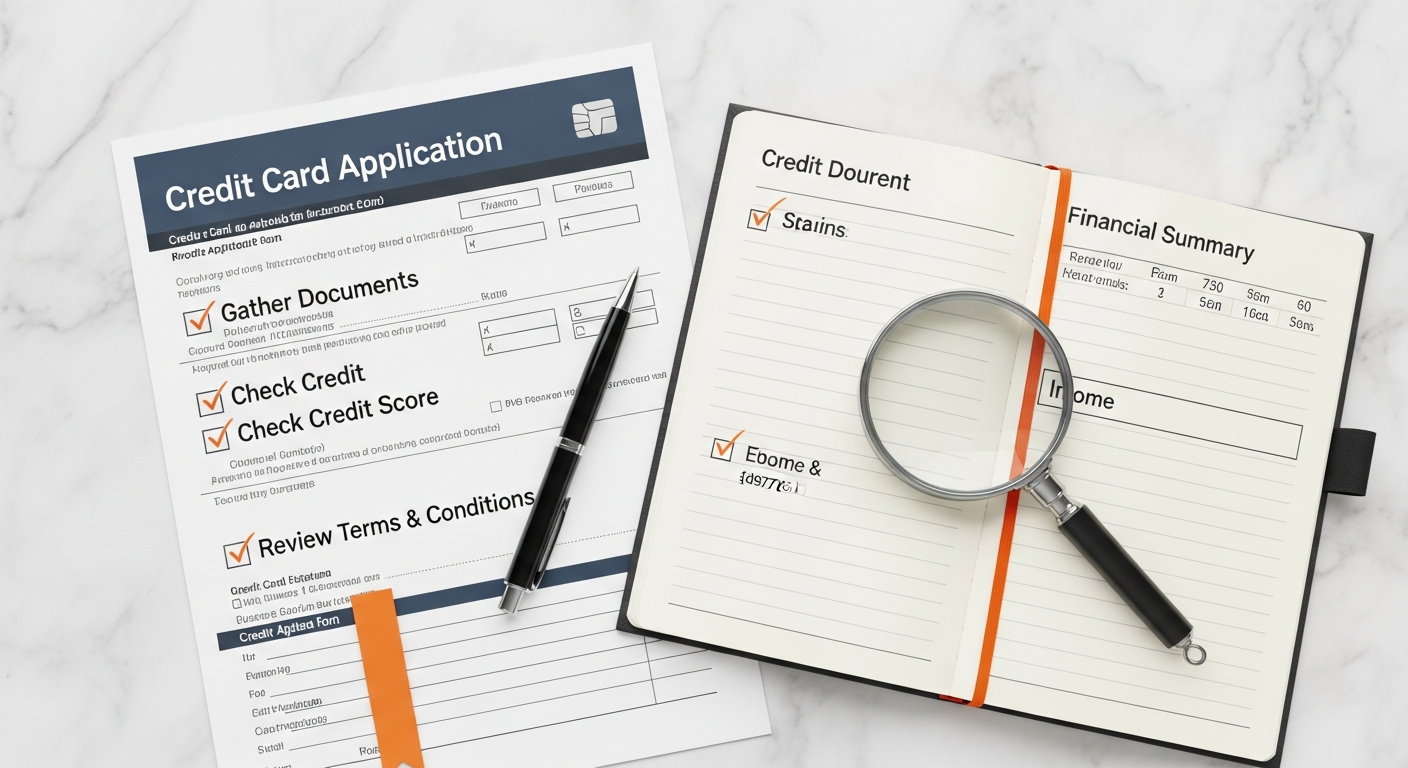
The allure of a massive welcome bonus can be powerful, but a truly effective credit card application strategy demands a more holistic approach. The “right” card isn’t just about the initial signup offer; it’s about finding a card that aligns with your long-term spending habits, financial goals, and lifestyle. This section will guide you through evaluating cards comprehensively.
Define Your Goals and Spending Habits:
Before diving into a sea of options, ask yourself:
- What are my primary financial goals? Are you saving for a big trip, building an emergency fund, or simply looking for cash back on everyday purchases?
- Where do I spend most of my money? Groceries, dining, travel, gas, online shopping? Different cards offer elevated rewards in specific categories. For example, if you spend $500/month on groceries, a card offering 3-5% back on groceries could yield significant annual rewards compared to a flat 1% card.
- How much do I spend monthly? This helps determine if you can realistically meet a card’s minimum spending requirement for a welcome bonus without overspending.
- Do I travel frequently? If so, travel-focused cards with perks like lounge access, free checked bags, or no foreign transaction fees might be more valuable.
Key Card Features to Evaluate:
- Rewards Structure:
- Cash Back: Simple, flexible. Can be flat-rate (e.g., 1.5% on everything) or tiered (e.g., 5% on rotating categories, 2% on groceries, 1% on everything else).
- Travel Points/Miles: Often more lucrative but require more strategy to redeem. Value can vary significantly (e.g., 1 cent per point vs. 2 cents per point for premium redemptions). Look for transferrable points programs (e.g., Chase Ultimate Rewards, Amex Membership Rewards) that offer flexibility.
- Airline/Hotel Specific Miles: Best for brand loyalists, offering perks and redemptions primarily within that brand’s ecosystem.
Example: A family spending $800/month on groceries and gas might benefit more from a card like the Blue Cash Preferred Card from American Express (6% cash back on groceries, 3% on gas) than a general travel card, despite the annual fee.
- Welcome Bonus:
This is often the most appealing part. Compare the bonus value against the minimum spending requirement and the time frame (e.g., “Spend $4,000 in the first 3 months to earn 60,000 points”). Ensure you can meet this naturally without going into debt.
- Annual Fee:
Some premium cards have annual fees ranging from $95 to $500+. Evaluate if the benefits (e.g., statement credits, lounge access, elite status, enhanced rewards) outweigh the fee. Many cash-back cards have no annual fee, which can be ideal for lower spending individuals or those new to rewards.
- Annual Percentage Rate (APR):
While you should always aim to pay your statement balance in full to avoid interest, the APR is crucial if you anticipate carrying a balance. Look for cards with competitive APRs or introductory 0% APR offers if you need to finance a large purchase or transfer a balance. However, relying on a 0% APR offer should always be a temporary, planned strategy, not a regular habit.
- Other Benefits:
Consider perks like purchase protection, extended warranty, rental car insurance, no foreign transaction fees (essential for international travelers), cell phone protection, and complimentary lounge access.
Specific Card Types to Consider:
- For Building Credit: Secured credit cards or student credit cards.
- For Cash Back: Flat-rate cards (e.g., Citi Double Cash, Fidelity Rewards Visa Signature) or tiered/rotating category cards (e.g., Chase Freedom Flex, Discover it Cash Back).
- For Travel Rewards: General travel cards (e.g., Chase Sapphire Preferred, American Express Gold Card) or airline/hotel co-branded cards (e.g., United Explorer Card, Marriott Bonvoy Boundless Card).
- For Business Expenses: Business credit cards often offer higher spending limits and business-specific rewards.
By meticulously comparing these factors against your personal financial landscape, you can pinpoint cards that not only offer an attractive initial bonus but also provide sustained value over the long term. This targeted approach is a hallmark of a refined credit card application strategy.
The Application Process Demystified: What Lenders Look For
Key Information Lenders Request:
Credit card applications typically ask for the following personal and financial details:
- Personal Identifiers:
- Full Name
- Date of Birth
- Social Security Number (SSN) or Individual Taxpayer Identification Number (ITIN)
- U.S. Citizenship or Residency Status
Why it matters: This information is used to verify your identity and pull your credit report from the bureaus.
- Contact Information:
- Current Residential Address (and how long you’ve lived there)
- Phone Number
- Email Address
Why it matters: Lenders need to be able to contact you and confirm your stability. Frequent address changes in a short period might be viewed with slight caution, though rarely a sole rejection factor.
- Employment and Income Details:
- Employer’s Name
- Occupation
- Total Gross Annual Income (including salary, bonuses, tips, investments, social security, child support, etc.)
- Monthly Housing Payment (rent or mortgage)
Why it matters: This is crucial for assessing your ability to repay debt. Lenders want to ensure your income is stable and sufficient relative to your existing obligations. You are allowed to include “reasonable access” income, such as a spouse’s income if it’s available to pay your debts. Be honest and accurate, but also comprehensive.
- Debt-to-Income (DTI) Ratio: While not always explicitly asked for, lenders calculate your DTI by comparing your total monthly debt payments (including the proposed new card’s estimated payment) to your gross monthly income. A DTI below 36% is generally considered good, though some lenders are more flexible.
- Existing Financial Relationships:
- Current bank accounts (checking/savings)
- Sometimes asked for existing credit card accounts with the same issuer
Why it matters: Having an existing relationship with a bank (e.g., checking account, mortgage) can sometimes slightly improve approval odds for their credit cards, as they have more data points on your financial behavior.
What Lenders Look For Beyond the Basics:
- Stability: A consistent employment history and residence signal reliability.
- Reasonable Income vs. Credit Limit Request: Lenders approve limits they believe you can manage. If your income is low but you apply for a premium card with a high typical limit, it might be a flag.
- No Recent Fraud Flags: Banks are vigilant against identity theft. Any discrepancies could trigger a review.
- Number of Recent Applications: As mentioned, too many hard inquiries in a short period can be a deterrent, signaling potential credit seeking or financial distress.
Practical Tips for a Smooth Application:
- Double-Check Everything: Ensure all information is accurate and consistent across applications. Typos or mismatched addresses can lead to delays or rejections.
- Be Honest About Income: Inflating your income is a serious offense. However, ensure you include ALL legitimate sources of income you have reasonable access to.
- Understand the Terms and Conditions: Before submitting, always read the fine print regarding APR, fees, and rewards structure.
- Apply Online: Online applications are generally processed faster than mail-in applications.
- Consider Pre-Qualification: Some issuers offer pre-qualification tools that let you see if you’re likely to be approved without a hard inquiry. This can be a useful step to gauge your chances before formally applying. While not a guarantee, it’s a good indicator.
By meticulously completing the application and understanding the underlying logic behind each question, you strengthen your position significantly. This careful approach to the application itself is a vital part of a comprehensive credit card application strategy.
Strategic Application Timing and Volume: The Art of the Approval Odds

Applying for a credit card isn’t just about meeting the minimum requirements; it’s about playing the long game. A sophisticated credit card application strategy involves careful consideration of when and how often you apply, especially when chasing multiple rewards bonuses. Understanding issuer-specific rules and the impact of new inquiries is key.
The Impact of Hard Inquiries:
Each time you apply for a new credit card (or loan), the lender performs a “hard inquiry” on your credit report. This inquiry temporarily dings your credit score by a few points and remains on your report for two years (though its impact fades after about 6-12 months). While a single inquiry usually isn’t detrimental, a flurry of them can be a red flag to lenders, suggesting you might be desperate for credit or taking on too much debt.
- Actionable Tip: Aim to space out your applications. For prime rewards cards, waiting at least 3-6 months between applications is a common recommendation for established credit users. If you have a thinner credit file, wait longer.
Issuer-Specific Application Rules (The Unwritten Laws):
Many major banks have internal rules that limit how many cards you can open or how often you can receive a welcome bonus. Adhering to these “unwritten” rules is crucial for an effective credit card application strategy:
- Chase’s 5/24 Rule: This is arguably the most famous and restrictive rule. If you’ve opened 5 or more personal credit cards from any issuer (not just Chase) in the past 24 months, Chase will likely deny your application for most of their cards. Business cards from most issuers generally do not count towards your 5/24 status (unless they report to your personal credit report, like some Capital One business cards).
- Actionable Tip: If you’re interested in Chase cards (especially premium ones like Sapphire Preferred/Reserve or Freedom cards), prioritize them when you are below 5/24. This often means applying for Chase cards first in your rotation.
- American Express (Amex) Rules:
- One Welcome Bonus Per Card, Per Lifetime: Amex generally restricts welcome bonuses to once per person, per product, per lifetime. While there are sometimes targeted offers that bypass this, it’s a good rule of thumb.
- “Pop-up” Warning: Amex sometimes provides a “pop-up” notification during the application process if you’re ineligible for the welcome bonus, allowing you to withdraw your application before a hard inquiry.
- Credit Card Limits: Amex typically limits individuals to 5 credit cards and 10 charge cards at a time.
- Actionable Tip: Don’t apply for an Amex card if you’ve had that specific card before and received a bonus, unless you’ve confirmed a specific bypass offer. Pay attention to the pop-up warning.
- Citi Rules:
- 8/65/95 Rule: Citi typically won’t approve you for a new card if you’ve opened or closed any Citi card within the past 8 days, or opened more than two Citi cards in the past 65 days, or applied for more than one Citi card in 95 days.
- Bonus Restrictions: Citi also has rules about receiving bonuses if you’ve received a bonus or closed an account of the same “family” of cards within a certain timeframe (e.g., 24 or 48 months).
- Actionable Tip: If planning multiple Citi applications, space them out according to their specific timing rules.
- Bank of America (BoA) Rules:
- 2/3/4 Rule: If you’ve opened 2 cards in the past 2 months, 3 cards in the past 12 months, or 4 cards in the past 24 months, BoA might deny your application. This rule can be inconsistent and sometimes varies by state or relationship with the bank.
- Preferred Rewards: Having significant assets with BoA/Merrill Lynch can sometimes lead to easier approvals.
Product Changes vs. New Applications:
Sometimes, you might want to switch to a different card offered by your current issuer. A “product change” (e.g., changing from a Chase Freedom Unlimited to a Chase Freedom Flex) usually doesn’t involve a new hard inquiry or new account opening, making it credit-score friendly. However, product changes typically do not qualify for new welcome bonuses.
- Actionable Tip: Consider a product change if you no longer want the benefits of your current card but don’t want a new hard inquiry or to miss out on a welcome bonus from a different issuer. Apply for a new card if you want a welcome bonus and are within the issuer’s application rules.
Mastering these timing and volume considerations is crucial for anyone serious about optimizing their credit card application strategy. It allows you to maximize bonus potential while safeguarding your credit profile and maintaining good standing with diverse lenders.
Maximizing Welcome Bonuses and Ongoing Rewards: A Smart Shopper’s Playbook
Getting approved for a new credit card is just the first step; the real reward comes from strategically maximizing its benefits. This section details how to efficiently earn welcome bonuses and consistently leverage ongoing rewards, solidifying your comprehensive credit card application strategy.
Conquering the Welcome Bonus Minimum Spend:
Most lucrative welcome bonuses require you to spend a certain amount within a specific timeframe (e.g., “$4,000 in the first 3 months”). Meeting this without overspending or going into debt is paramount.
- Track Your Spending: Keep a close eye on your everyday expenses. Budget apps or a simple spreadsheet can help you monitor progress toward the minimum spend.
- Leverage Regular Expenses: Route all your normal, unavoidable expenses through the new card. This includes groceries, gas, utilities, insurance premiums, and dining.
- Timing for Big Purchases: If you know a large expense is coming up (e.g., car repairs, home appliances, medical bills, tax payments), strategically open a new card just before.
- Pre-Pay Bills: Some services allow you to pre-pay for future months (e.g., internet, gym memberships). Always check for fees, as processing fees might negate the bonus value.
- Gift Cards: Purchase gift cards for stores you frequent or for gifts you’ll eventually buy. This locks in future spending towards the bonus. Again, ensure no fees are involved.
- Authorized Users: Adding an authorized user can help boost spending if they’re responsible, but remember you are ultimately responsible for all charges.
- Avoid Manufactured Spending (Unless You’re an Expert): Techniques like buying specific reloadable debit cards or money orders can count, but they come with significant risks, can violate card issuer terms, and are generally not recommended for beginners.
- Pay Rent/Mortgage (with caution): Services like Plastiq allow you to pay rent or mortgage with a credit card, though they charge a fee (usually 2.85%). Calculate if the bonus value outweighs this fee. For example, if a bonus is worth $600 and the fee is $100, it’s still worthwhile.
Crucial Warning: Never spend money you don’t have or wouldn’t otherwise spend just to earn a bonus. Debt interest will quickly erase any reward value.
Optimizing Ongoing Rewards:
After the welcome bonus is secured, your credit card application strategy shifts to maximizing the card’s long-term value.
- Category Bonuses: Pay attention to which cards offer elevated rewards in specific spending categories (e.g., 5% on groceries, 3x points on travel, 2x points on dining).
- The Wallet Strategy: Keep different cards in your wallet for different spending categories. For instance, use Card A for groceries, Card B for gas, and Card C for dining. This is known as “category optimization.”
- Rotating Categories: Cards like Chase Freedom Flex or Discover it Cash Back offer 5% cash back on rotating quarterly categories. Activate these bonuses and plan your spending accordingly.
- Utilize Statement Credits and Perks: Many premium cards come with annual statement credits (e.g., travel credits, dining credits, airline fee credits) or perks like free checked bags, lounge access, or hotel elite status. Make sure you use these to offset the annual fee and maximize value.
- Strategic Redemptions:
- Travel Points: Research the best ways to redeem travel points. Transferring points to airline or hotel partners often yields the highest value, sometimes 2 cents per point or more, compared to fixed-value redemptions (e.g., 1 cent per point for cash back or travel portal bookings).
- Cash Back: Straightforward redemption, typically credited to your statement or bank account.
- Gift Cards: Sometimes offer a slightly higher value than cash back, but less flexible.
- Retention Offers: If you’re considering canceling a card with an annual fee, call the issuer’s retention department. They might offer you a statement credit or bonus points to keep your account open. This is particularly effective if you have good payment history and have used the card consistently.
- Regular Review: At least once a year, review your credit card portfolio. Are you still getting value from each card? Are your spending habits still aligned with the rewards structures? Cancel cards you no longer use (especially those with annual fees), or consider a product change.
By diligently managing your spending to hit bonuses and then strategically using your cards for optimal category rewards and redemptions, you transform your credit cards into powerful tools for wealth accumulation and enhanced experiences.
Navigating Rejection and Reconsideration: Turning No into Yes
Even with the most meticulous credit card application strategy, rejection can happen. It’s a natural part of the credit game, but it doesn’t have to be the end of the road. Understanding how to respond to a denial, including the powerful option of a reconsideration call, can often turn an initial “no” into a “yes.”
Why Applications Get Denied: Common Reasons
Lenders are required to provide a reason for denial. Common reasons include:
- Low Credit Score: Your score didn’t meet their minimum threshold for the specific card.
- High Credit Utilization: You’re using too much of your available credit, signaling potential risk.
- Too Many Recent Inquiries/New Accounts: You’ve opened too many accounts recently, indicating “credit seeking behavior” (e.g., Chase’s 5/24 rule).
- Insufficient Income: Your reported income isn’t high enough relative to your existing debts and the card’s typical credit limit.
- Short Credit History: You haven’t been using credit long enough to establish a robust history.
- Negative Items on Credit Report: Late payments, collections, or bankruptcies.
- Existing Relationship: Sometimes, having too much credit with the same issuer can lead to a denial for a new card.
The Reconsideration Line: Your Second Chance
Many banks have a “reconsideration line” — a dedicated phone number where you can speak to a credit analyst to appeal a denied application. This is a critical component of an advanced credit card application strategy. This conversation gives you a chance to explain or clarify aspects of your application that might not be fully apparent from your credit report alone.
Practical Steps for a Reconsideration Call:
- Understand the Reason for Denial: Wait for the official denial letter, which will state the reasons. This usually arrives within 7-10 business days. Alternatively, you can often find the reason by checking your application status online or calling the general customer service number for the card issuer.
- Prepare Your Case: Before you call, gather your thoughts and prepare a concise, positive argument.
- Address the stated reasons directly: If they say your income is too low, explain any additional income sources you might have access to (e.g., self-employment, spouse’s income) that weren’t clearly articulated. If it’s too many inquiries, explain why you opened those accounts (e.g., for specific financial goals, not distress).
- Highlight positives: Emphasize your excellent payment history, low credit utilization, long-standing relationship with the bank (if applicable), and commitment to responsible credit use.
- Be Specific: For example, “I understand my credit utilization is currently 35%, but I just paid off a large expense, and my next statement will reflect a 10% utilization.”
- Be Polite and Professional: The analyst is a person, not a computer. A calm, respectful tone goes a long way. They have discretion.
- Call the Right Number: Search online for “[Bank Name] reconsideration line phone number.” Each major issuer has one.
- Be Prepared to Negotiate: Sometimes, they might offer approval with a lower credit limit than initially requested. Be open to this compromise if it helps you secure the card.
- Call Multiple Times (If Needed): If your first call isn’t successful, you can try again later, as you might get a different analyst with a different perspective. Don’t be overly persistent to the point of annoyance, but a second attempt after a few days can sometimes work.
Example: You apply for a premium travel card and get denied due to “too many recent inquiries.” On the reconsideration call, you explain, “I recently opened a mortgage, which required several hard inquiries from different lenders. These were not for new credit cards, but for a single large purchase. My credit report shows perfect payment history, and I intend to use this new card for business travel, which aligns with my financial goals.” This explanation can sway an analyst who sees the bigger picture beyond the automated denial reason.
Learning from Denial:
If reconsideration doesn’t work, don’t despair. Use the experience to improve your credit profile:
- Focus on paying down existing debt to lower your credit utilization.
- Ensure all payments are on time.
- Dispute any errors on your credit report.
- Wait a few months before applying for another card, letting your credit recover from inquiries.
A denial is not a permanent roadblock; it’s a data point. By strategically engaging the reconsideration process and learning from the outcome, you refine your overall credit card application strategy and become a more adept player in the world of rewards.
Conclusion: Your Path to Credit Card Mastery and Maximized Rewards
Navigating the world of credit card applications and rewards programs can seem overwhelming, but with a well-defined credit card application strategy, it transforms into an empowering journey toward financial advantage. From meticulously grooming your credit profile to strategically selecting the right cards, meeting minimum spend requirements, and even understanding how to appeal a denial, every step is a crucial piece of the puzzle.
Remember, the goal isn’t just to accumulate cards; it’s to acquire cards that genuinely enhance your financial life, provide tangible value, and align with your spending habits and goals. By adhering to the principles outlined in this guide—understanding your credit health, making informed card choices, approaching applications with precision, optimizing for bonuses, and learning from every experience—you’re not just applying for credit cards; you’re building a robust rewards portfolio.
Your journey to credit card mastery is continuous. Credit card offers evolve, your financial needs change, and new opportunities arise. Stay informed, review your strategy regularly, and always prioritize responsible credit management. The power to unlock incredible travel experiences, significant cash back, and valuable perks is now within your grasp. Start applying these strategies today and watch your Gold Points soar!
Ready to put your newfound knowledge to the test? Explore our expert reviews of the top credit cards for travel, cash back, and business to find your next strategic addition.
Frequently Asked Questions