
how to maximize cashback rewards strategy
On April 13, 2026 by pubmanMastering the Advanced Cashback Rewards Strategy: A Guide for High-Yield Optimizers
In the world of personal finance, there is a distinct line between the casual consumer and the strategic rewards optimizer. While the average cardholder might be content with a standard 1% or 1.5% “catch-all” card, travel hackers and points enthusiasts know that the true alpha lies in the margins. As we look toward the financial landscape of 2026, the complexity of the rewards ecosystem has deepened, but so have the opportunities for those willing to engineer their spending. Maximizing a cashback rewards strategy is no longer just about choosing the right card; it is about building a sophisticated multi-layered system that treats every dollar of spend as an investment. This guide moves past the basics, diving into high-level tactics such as category optimization, portal stacking, and automated management to ensure you are capturing a 5% to 10% return on every transaction you make.
The Foundation: Building a High-Alpha Multi-Card Ecosystem
To move beyond the amateur level, you must abandon the “one card for everything” mindset. A professional-grade cashback rewards strategy relies on a curated ecosystem of cards that cover specific high-spend categories. By 2026, the most successful optimizers have moved toward a “Triad” or “Quartet” model.
The foundation of this ecosystem is the **uncapped flat-rate card**. This is your “safety net” for any spending that doesn’t fall into a bonus category. In the current market, 2% is the baseline, but those with specific banking relationships (such as those in the upper tiers of Preferred Rewards programs) can push this toward 2.625% on all purchases.
The second layer consists of **category-specific powerhouses**. These are cards that offer 4% to 6% on high-frequency expenses like groceries, dining, and streaming services. The key here is to map your annual spend. If you spend $10,000 a year on groceries, a 6% card vs. a 2% card represents a $400 difference in pure profit.
Finally, the third layer involves **rotating 5% category cards**. These require more management but offer the highest ROI for organic spending. The goal is to ensure that for at least nine months of the year, your primary “weak” categories (like gas or department stores) are covered by a temporary 5% boost.
The Triple-Dip Strategy: Portals, Card-Linked Offers, and Stacking
For the points enthusiast, the “swipe” is only the first step. The real magic happens through **stacking**. Stacking is the process of layering multiple reward types onto a single transaction. By 2026, the digital infrastructure for stacking has become seamless, yet many still fail to use it effectively.
The primary stack involves the following three layers:
1. **The Credit Card Base Reward:** Your 2%–5% return from the card itself.
2. **The Shopping Portal:** Using platforms like Rakuten or TopCashback to initiate the purchase. In high-competition periods, these portals can offer 10% to 15% cashback on top of your card rewards.
3. **Card-Linked Offers:** Checking your banking app (Amex Offers, Chase Offers, or Citi Merchant Offers) before checking out. These often provide fixed-dollar rebates (e.g., $10 back on a $50 purchase) which represent a massive percentage return.
Advanced hackers are now adding a fourth layer: **Store Loyalty and Manufacturer Coupons**. By using a digital coupon in-store, paying with a high-reward card, and then uploading the receipt to a secondary rebate app, it is entirely possible to achieve a “negative cost” on certain items, effectively getting paid to shop.
The Velocity Play: Mastering Sign-Up Bonuses (SUBs)
While category optimization is great for long-term sustainability, nothing beats the sheer ROI of a **Sign-Up Bonus (SUB)**. For travel hackers, “churning”—the practice of opening cards specifically for the bonus—remains the fastest way to accumulate massive amounts of cash.
In 2026, banks have become more sophisticated with their “anti-coupon clipping” rules (such as the 5/24 rule or 48-month cooldowns). To maximize this strategy, you must treat your credit applications as a calendar event.
* **The Velocity Strategy:** Instead of opening cards at random, time your applications around large, unavoidable expenses like tax payments, insurance premiums, or home renovations.
* **The Business Card Loophole:** For those with any form of side income, business credit cards are the “holy grail.” They often have higher SUBs ($750 to $1,500) and, crucially, many do not appear on your personal credit report, allowing you to maintain a lower “velocity” in the eyes of card issuers while still raking in rewards.
Always calculate the “Net Effective Reward.” If you spend $4,000 to earn a $1,000 bonus, you have achieved a 25% cashback rate on that spend. No category card can ever compete with that.
Exploiting Merchant Category Codes (MCC) and Gift Card Arbitrage
A sophisticated cashback rewards strategy requires a “detective” mindset regarding **Merchant Category Codes (MCC)**. Banks determine your rewards based on how a merchant is classified. Sometimes, a “pharmacy” might actually code as a “grocery store,” or a “bar” might code as “dining.”
One of the most powerful tools for a rewards optimizer is **Gift Card Arbitrage**. If you have a card that earns 5% or 6% at grocery stores, but you need to buy electronics at a store where you only earn 1%, you can bridge the gap. By purchasing a gift card for the electronics store at the grocery store, you “force” the 6% reward onto a purchase that would otherwise earn much less.
Furthermore, in 2026, we see the rise of **automated MCC lookup tools**. Experienced hackers use apps that scan their location and suggest which card in their digital wallet will trigger the highest MCC multiplier for that specific vendor. If you aren’t using data to drive your card choice at the point of sale, you are leaving money on the table.
Integrating High-Yield Financial Pipelines for Compounded Returns
The ultimate mistake of the casual cashback user is treating their rewards as “fun money” to be spent immediately. The points enthusiast treats cashback as **capital**.
To maximize the long-term impact of your strategy, your rewards should flow into a dedicated **High-Yield Financial Pipeline**.
* **The HYSA Sweep:** Set your credit card rewards to automatically deposit into a High-Yield Savings Account (HYSA). In the 2026 economic environment, where rates remain competitive, earning 4.5% interest on your 5% cashback creates a “compounding rewards” effect.
* **The Dividend Reinvestment Model:** Some enthusiasts go a step further, moving all cashback into a brokerage account to purchase low-cost index funds. When you look at your cashback through the lens of a 20-year investment horizon, that 2% “catch-all” card starts to look like a significant contributor to your retirement fund.
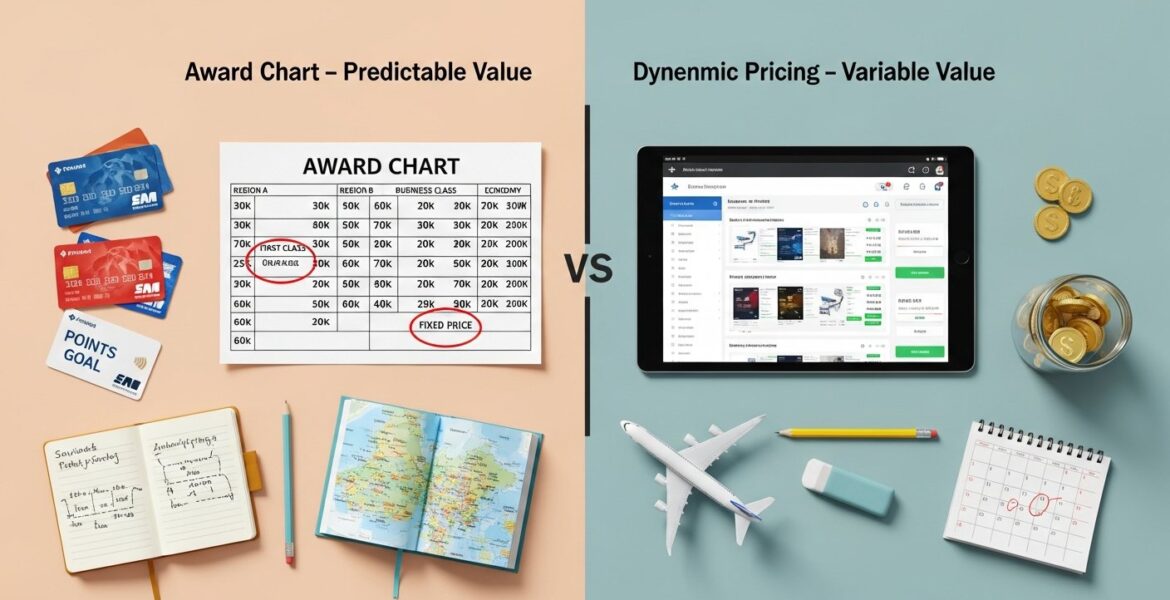
* **Cash vs. Points Pivot:** Part of a master strategy is knowing when *not* to take the cash. If a card allows you to move cashback into a transferable points currency (like Chase Ultimate Rewards or Amex Membership Rewards), you should evaluate the “cents per point” (CPP) value. If you can redeem those points for a business class flight at 3 CPP, your 2% cashback effectively becomes 6% in value.
The 2026 Digital Landscape: Using AI and Automation Tools to Scale
As we navigate 2026, the sheer volume of offers, cards, and portals has made manual tracking nearly impossible for the high-volume optimizer. This is where **automation and AI** become your best friends.
The elite strategy now involves using **Aggregator Dashboards** that pull data from all your accounts to track spending against bonus caps. Many cards have a limit (e.g., 5% back on the first $1,500 per quarter). An automated system will alert you the moment you hit that cap, signaling you to switch to your next-best card.
Additionally, AI-driven browser extensions now do the heavy lifting of stacking. They can automatically scan for the best portal rate, apply the best coupon code, and remind you of any activated card-linked offers in real-time. The “human” element of the strategy is now focused on high-level architecture—choosing which cards to apply for—while the “execution” is handled by software.
***
FAQ: Frequently Asked Questions
#
1. Does opening multiple cards for cashback rewards hurt my credit score?
In the short term, you will see a small dip due to the hard inquiry and the lowered average age of accounts. However, in the long term, having more cards usually *increases* your score. This is because your total available credit increases, which lowers your credit utilization ratio—a key factor in credit scoring. As long as you pay your balances in full every month, the “travel hacker” lifestyle is actually beneficial for your credit profile.
#
2. How do I keep track of all these rotating categories and offers?
The most efficient way is to use a dedicated rewards management app like MaxRewards or CardPointers. These apps can sync with your cards to show you exactly which card to use for “Dining,” “Gas,” or “Home Improvement” at any given time. Some even offer “Auto-Activation” for 5% categories and Amex/Chase offers so you never miss a deal.
#
3. Is it better to get a flat 2% card or a 5% rotating category card?
The answer is both. A 5% card is superior for the specific categories it covers, but you will always have “unclassified” spend (like a doctor’s bill or a car repair). A 2% flat-rate card should be your baseline, and the 5% cards should be your specialized tools for specific jobs.
#
4. What is the “5/24 Rule” and does it still matter in 2026?
The 5/24 rule is a Chase policy where they will not approve you for a new card if you have opened five or more personal credit cards from any issuer in the past 24 months. While other banks have introduced their own variations, it remains a pillar of rewards strategy. You should always prioritize Chase cards early in your journey before moving to other issuers.
#
5. Can I use business cards for my cashback strategy if I don’t have a “real” company?
Yes. Most banks consider a “Sole Proprietorship” a valid business. If you sell items on eBay, tutor students, or do freelance consulting, you have a business. You can typically apply using your Social Security Number (SSN) as the Tax ID. Business cards are essential for maximizing rewards because they often have massive bonuses and unique 5% categories like office supply stores or internet services.
***
Conclusion: The Path to Rewards Mastery
Maximizing a cashback rewards strategy is a game of discipline and data. It requires moving past the lure of “simple” finance and embracing a system that leverages every tool in the modern banking arsenal. By 2026, the difference between an unoptimized spender and a rewards master can easily equate to thousands of dollars per year in tax-free “income.”
The journey begins with a solid foundation of cards, but it is sustained through the relentless stacking of portals, the strategic acquisition of sign-up bonuses, and the smart utilization of fintech automation. Remember, the goal of the points enthusiast is not just to save money, but to create a self-sustaining ecosystem where your spending funds your lifestyle. Treat your wallet like a portfolio, your receipts like assets, and your credit score like a tool. When you master the math of the “triple dip,” you aren’t just getting cashback—you are winning the game of personal finance.