
How to Earn Free Flights with Loyalty Points: Your 2026 Gold Points Guide
On March 6, 2026 by pubmanHow to Earn Free Flights with Loyalty Points: Your 2026 Gold Points Guide
The dream of flying for free isn’t just a fantasy for the ultra-rich; it’s an attainable reality for anyone willing to learn the strategies of loyalty points and credit card rewards. Imagine jetting off to an exotic beach, exploring ancient ruins, or visiting loved ones across the globe, with only the minimal taxes and fees to pay. This isn’t magic; it’s the power of smart spending and strategic redemption.
At Gold Points, we believe in data-backed strategies that move the needle. This comprehensive guide will equip you with the insider knowledge, specific credit card recommendations, and step-by-step tactics to earn free flights in 2026 and beyond. Whether you’re a beginner just starting your points journey or a seasoned traveler looking to optimize your strategy, prepare to unlock a world of travel possibilities without breaking the bank.
Understanding the Foundation: Loyalty Programs and Transferable Points
Before we dive into specific cards and earning rates, it’s crucial to understand the ecosystem of loyalty programs. These are the currencies of free travel, and knowing their strengths and weaknesses is your first step to becoming a points expert.
Airline Loyalty Programs (Direct Earning)
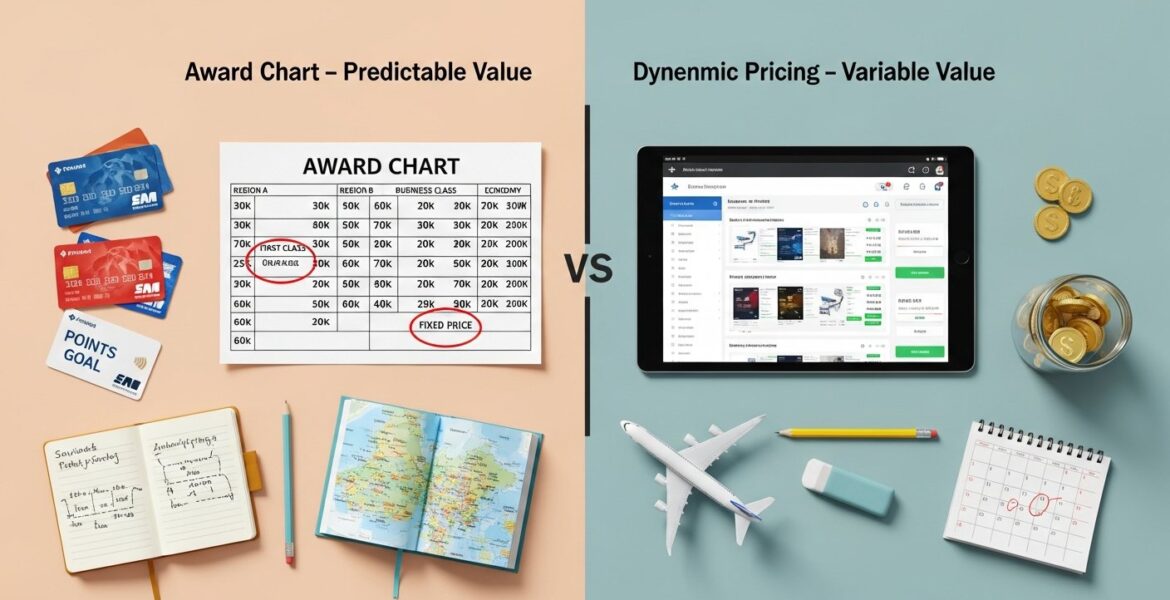
These are the most straightforward: fly with an airline, earn their miles, and redeem them for flights on that airline or its partners. While simple, they often come with limitations like dynamic pricing, blackout dates, and sometimes poor redemption value, especially for economy flights. Examples include American AAdvantage, Delta SkyMiles, United MileagePlus, and Southwest Rapid Rewards. While co-branded airline credit cards can be useful for specific perks (like free checked bags), their points are often less flexible than transferable currencies.
Hotel Loyalty Programs (Limited Flight Transfers)
Some hotel programs allow you to convert hotel points into airline miles. Marriott Bonvoy, for instance, lets you transfer points to over 40 airline partners, typically at a 3:1 ratio (3 Marriott points for 1 airline mile). They even offer a bonus of 5,000 extra miles when you transfer 60,000 Bonvoy points, effectively making it 2.5:1 for every 60,000 points. While this can be a decent option in a pinch, hotel points generally offer better value when redeemed for hotel stays, so this strategy is usually a secondary consideration for flight redemptions.
Transferable Points Currencies: The Gold Standard for Flexibility
This is where the real power lies. Transferable points are earned through major credit card issuers and can be converted to a variety of airline and hotel loyalty programs. Their flexibility allows you to chase the best redemption values across multiple partners, giving you an unparalleled advantage. These are the programs you want to focus on for earning free flights.
- Chase Ultimate Rewards (UR): Consistently ranked among the most valuable points currencies, Ultimate Rewards points transfer at a 1:1 ratio to a dozen airline and hotel partners.
- Key Cards: Chase Sapphire Preferred (annual fee $95), Chase Sapphire Reserve (annual fee $550, offset by $300 travel credit), Chase Freedom Unlimited (no annual fee), Chase Freedom Flex (no annual fee).
- Earning Rates: Varies by card, but can be up to 5x points on specific categories (e.g., 5x on travel purchased through Chase Ultimate Rewards, 3x on dining and online groceries with Sapphire Preferred, 1.5x on all purchases with Freedom Unlimited).
- Airline Transfer Partners: United MileagePlus, Southwest Rapid Rewards, British Airways Executive Club, Virgin Atlantic Flying Club, Singapore Airlines KrisFlyer, Air France/KLM Flying Blue, and more.
- Redemption Value: Often 1.5-2 cents per point (cpp) or higher when transferred to airline partners for premium cabins. When redeemed through the Chase travel portal, Sapphire Preferred points are worth 1.25 cpp, and Sapphire Reserve points are worth 1.5 cpp.
- American Express Membership Rewards (MR): Another powerhouse currency with a vast array of airline partners, particularly strong for international travel.
- Key Cards: The Platinum Card from American Express (annual fee $695, offset by numerous credits), American Express Gold Card (annual fee $250), American Express Green Card (annual fee $150).
- Earning Rates: Can be up to 5x points on flights booked directly with airlines or amextravel.com (Platinum Card), 4x points on U.S. supermarkets (up to $25k/year) and dining worldwide (Gold Card).
- Airline Transfer Partners: Delta SkyMiles, Air Canada Aeroplan, ANA Mileage Club, Emirates Skywards, Etihad Guest, British Airways Executive Club, Virgin Atlantic Flying Club, and many more.
- Redemption Value: Similar to UR, often 1.5-2+ cpp when transferred to airline partners.
- Citi ThankYou Points (TYP): A strong contender, especially for specific “sweet spot” redemptions that can offer incredible value.
- Key Cards: Citi Premier Card (annual fee $95), Citi Custom Cash Card (no annual fee).
- Earning Rates: 3x points on air travel, hotels, gas stations, supermarkets, and restaurants (Premier Card), 5x points on your top eligible spending category each billing cycle (up to $500 spent) with Custom Cash.
- Airline Transfer Partners: Avianca LifeMiles, Turkish Airlines Miles&Smiles, Cathay Pacific Asia Miles, Virgin Atlantic Flying Club, Singapore Airlines KrisFlyer, and more.
- Redemption Value: Can exceed 2 cpp for specific redemptions, especially with partners like Turkish Miles&Smiles for flights to Hawaii or Avianca LifeMiles for Star Alliance business class.
- Capital One Miles: A rapidly growing player with a straightforward earning structure and a diverse set of transfer partners.
- Key Cards: Capital One Venture X Rewards Credit Card (annual fee $395, offset by $300 annual travel credit and 10k anniversary miles), Capital One Venture Rewards Credit Card (annual fee $95).
- Earning Rates: 2x miles on every purchase, every day, with both Venture X and Venture. 10x miles on hotels and rental cars booked through Capital One Travel with Venture X.
- Airline Transfer Partners: Air Canada Aeroplan, Avianca LifeMiles, Turkish Airlines Miles&Smiles, Virgin Red (which can transfer to Virgin Atlantic), and many more.
- Redemption Value: Points are worth 1 cpp when redeemed for travel expenses as a statement credit, but often 1.5-2+ cpp when transferred to airline partners.
Credit Card Welcome Bonuses: Your Fastest Path to Free Flights
The single most effective way to accumulate a massive amount of points quickly is by strategically earning credit card welcome bonuses. These one-time offers, typically awarded after meeting a minimum spending requirement within the first few months, can instantly provide enough points for multiple free flights.
Strategy for Maximizing Welcome Bonuses:
- Identify Your Goal: Do you want a domestic round-trip, an international economy flight, or a luxurious business class experience? Your goal will dictate which cards to target.
- Research Current Offers: Welcome bonuses fluctuate. Always check current offers before applying. A common strategy is to wait for elevated offers, which can be significantly higher than standard ones.
- Meet Minimum Spending Responsibly: Only apply for cards if you can comfortably meet the minimum spending requirement without going into debt. Use your everyday expenses – groceries, utilities, rent (if payable by card), insurance, and planned large purchases – to hit the target.
- Understand Application Rules: Be aware of issuer-specific rules like Chase’s 5/24 (generally restricts approval if you’ve opened 5 or more personal credit cards across all issuers in the past 24 months) or Amex’s “once per lifetime” rule for welcome bonuses on specific products.
Examples of High-Impact Welcome Bonuses (Typical Offers, subject to change):
- Chase Sapphire Preferred Card: Often offers 60,000 to 80,000 Ultimate Rewards points after spending $4,000 in the first three months. At a conservative 1.5 cpp redemption value, this bonus alone is worth $900 to $1,200+ in travel.
- Chase Sapphire Reserve: Frequently offers 60,000 to 80,000 Ultimate Rewards points after spending $4,000 in the first three months. With its 1.5 cpp redemption value through the Chase portal, this is worth $900 to $1,200+ in travel.
- The Platinum Card from American Express: Bonuses typically range from 80,000 to 150,000 Membership Rewards points after spending $6,000 to $8,000 in the first six months. Valuing MR points at 1.5 cpp, this bonus could be worth $1,200 to $2,250+ in travel.
- American Express Gold Card: Often offers 60,000 to 90,000 Membership Rewards points after spending $4,000 in the first six months. This bonus could be worth $900 to $1,350+ in travel.
- Capital One Venture X Rewards Credit Card: Regularly offers 75,000 to 90,000 Capital One miles after spending $4,000 in the first three months. Valued at 1.5 cpp for transfers, this bonus is worth $1,125 to $1,350+ in travel.
- Southwest Rapid Rewards Credit Cards (Chase): Co-branded cards like the Southwest Rapid Rewards Priority Card frequently offer 50,000 to 75,000 Rapid Rewards points after meeting a spend threshold. These points, combined with strategic spending, can help you earn the highly coveted Southwest Companion Pass, allowing a designated companion to fly with you for just the cost of taxes and fees for nearly two full years.
By strategically applying for and earning just one or two of these welcome bonuses per year, you can accumulate hundreds of thousands of points, easily enough for multiple free flights.
Maximizing Everyday Spending for Flight Points
While welcome bonuses provide the initial surge, optimizing your everyday spending is crucial for a consistent stream of points that fuels ongoing travel. The key is to use the right card for the right purchase.
Category Bonuses: Matching Cards to Spending
Most rewards credit cards offer elevated earning rates on specific spending categories. By understanding your spending habits and pairing them with the best card, you can significantly boost your points accumulation.
- Dining: The American Express Gold Card earns 4x Membership Rewards points on dining worldwide. The Chase Sapphire Reserve offers 3x Ultimate Rewards points on dining, while the Chase Sapphire Preferred earns 3x.
- Groceries: The American Express Gold Card shines with 4x Membership Rewards points at U.S. supermarkets (on up to $25,000 in purchases per calendar year, then 1x). The Chase Sapphire Preferred earns 3x points on online grocery purchases. The Citi Custom Cash Card can earn 5x ThankYou Points on your top eligible spending category, including groceries, up to $500 spent per billing cycle.
- Travel: The Platinum Card from American Express earns an incredible 5x Membership Rewards points on flights booked directly with airlines or amextravel.com (on up to $500,000 on these purchases per calendar year). The Chase Sapphire Reserve earns 3x Ultimate Rewards points on general travel, and the Chase Sapphire Preferred earns 2x.
- Gas: The Citi Premier Card earns 3x ThankYou Points at gas stations. The Citi Custom Cash Card, if chosen as your top category, can earn 5x points.
- Online Shopping & Streaming: The Chase Freedom Flex offers 5x Ultimate Rewards points on rotating bonus categories, which often include online shopping or specific streaming services. The Chase Sapphire Preferred also offers 3x points on select streaming services.
- Everything Else (Non-Category Spending): For purchases that don’t fall into bonus categories, use a card that offers a solid base earning rate. The Capital One Venture X and Venture Cards both earn 2x miles on every purchase. The Chase Freedom Unlimited earns 1.5x Ultimate Rewards points on all non-category spending.
Shopping Portals: Stacking Rewards
Always check shopping portals before making online purchases. These portals (like Rakuten, TopCashback, airline-specific portals, or the Chase Shopping Portal) offer additional points or cash back for clicking through their links before making a purchase. For example, Rakuten allows you to earn Membership Rewards points instead of cash back, effectively stacking with your Amex card’s earning rate.
Referral Bonuses: Sharing the Wealth
Many credit card issuers offer referral bonuses when you successfully refer a friend or family member to a card. This is an easy way to earn thousands of extra points, typically ranging from 10,000 to 20,000 points per successful referral, often capped at a certain amount per year.
Business Spending: Leveraging Business Credit Cards
If you own a small business or have a significant side hustle, business credit cards can supercharge your points earning. They often have higher welcome bonuses and valuable category multipliers.
- Chase Ink Business Preferred: Earns 3x Ultimate Rewards points on up to $150,000 in combined purchases on travel, shipping purchases, internet, cable, and phone services, and advertising purchases made with social media sites and search engines.
- Chase Ink Business Cash: Earns 5x Ultimate Rewards points on the first $25,000 spent in combined purchases at office supply stores and on internet, cable, and phone services each account anniversary year.
- Chase Ink Business Unlimited: Earns 1.5x Ultimate Rewards points on every purchase, with no annual fee.
These cards are excellent for separating business and personal expenses while simultaneously boosting your points balance.
Strategic Redemptions: Getting Maximum Value for Your Points
Earning points is only half the battle; redeeming them strategically is where you unlock the true value of free flights. The goal is to maximize your “cents per point” (cpp) value, aiming for 1.5 cpp or higher.
The Golden Rule: Transfer to Airline Partners for Premium Cabins
The absolute best value for transferable points almost always comes from transferring them to airline loyalty programs and redeeming for international business or first-class flights. While economy flights can be a good deal, premium cabins offer significantly higher cpp values because their cash prices are so astronomical. You can often get 3-5+ cpp for these redemptions.
Sweet Spots: High-Value Redemptions to Look For:
- United MileagePlus (via Chase UR): United is a Star Alliance member, allowing you to book flights on partners like Lufthansa, SWISS, ANA, and Turkish Airlines. You can often find business class flights to Europe for 60,000-80,000 miles each way, or Asia for 80,000-90,000 miles.
- Southwest Rapid Rewards (via Chase UR): While not a premium cabin play, Southwest offers excellent value for domestic travel, especially if you have the Companion Pass. Points have a relatively fixed value (around 1.4-1.5 cpp), making them predictable and easy to use.
- British Airways Avios (via Chase UR, Amex MR, Citi TYP, Capital One): Avios are fantastic for short-haul flights on partner airlines like American Airlines or Alaska Airlines. For example, a flight from New York to Miami on American can cost as little as 7,500 Avios each way, a phenomenal deal compared to cash prices. They can also be great for flights to Hawaii on Alaska Airlines.
- Virgin Atlantic Flying Club (via Chase UR, Amex MR, Citi TYP, Capital One): While Virgin Atlantic’s own flights can be expensive in terms of points and surcharges, their partner redemptions can be incredible. For instance, you can book ANA First Class to Japan for just 110,000-120,000 points round trip from the West Coast, or Delta One business class for specific routes (though availability can be tricky).
- Air Canada Aeroplan (via Amex MR, Capital One): Another Star Alliance powerhouse, Aeroplan offers a competitive award chart and reasonable fuel surcharges. It’s excellent for flights within North America and for international routes on partners like SWISS or Turkish Airlines.
- Avianca LifeMiles (via Amex MR, Citi TYP, Capital One): A Star Alliance partner known for often having no fuel surcharges on award tickets, making it a great option for booking flights on carriers like Lufthansa or SWISS without the hefty extra fees.
- Singapore Airlines KrisFlyer (via Chase UR, Amex MR, Citi TYP, Capital One): The only way to book Singapore Airlines’ coveted Suites or First Class cabins is through their own KrisFlyer program. While requiring a significant number of points, the experience is unparalleled.
When to Avoid Transfers:
Sometimes, transferring points to an airline isn’t the best option. If a cash fare is unusually low, or if you can redeem through your credit card’s travel portal for a fixed value (e.g., 1.5 cpp with Chase Sapphire Reserve) that beats the airline transfer value, stick with the portal. Always compare the cash price of a ticket to the points cost to calculate your cpp value before transferring.
Leveraging Transfer Bonuses:
Keep an eye out for transfer bonuses! Credit card issuers frequently offer 10-30% (and sometimes even higher) bonus points when you transfer to a specific airline partner. For example, a 25% bonus means your 80,000 Ultimate Rewards points become 100,000 airline miles. These bonuses can make an already good redemption an absolutely spectacular one.
Booking Strategy:
- Flexibility is Key: Be flexible with your travel dates and even destinations. Award availability for premium cabins is limited, and being able to shift your dates by a few days can make all the difference.
- Book in Advance: For popular routes and premium cabins, award space is released far in advance (often 11-12 months out). Book as soon as your desired dates become available.
- Use Tools: Websites like AwardHacker can give you an idea of how many miles different programs charge for specific routes. Google Flights is excellent for checking cash prices. Use the airline’s own website to search for award availability.
- Consider Positioning Flights: Sometimes the best award availability or lowest mileage cost isn’t from your home airport. You might book a separate, cheap cash flight to “position” yourself to a major hub for your award flight.
Advanced Strategies for the Dedicated Point Hacker
Once you’ve mastered the basics, these advanced tactics can take your free flight game to the next level.
The “Player 2” Strategy (or Partner Strategy)
If you have a spouse or partner, you can effectively double your earning potential. Both individuals can apply for credit cards, earn welcome bonuses, and then combine points (e.g., Chase Ultimate Rewards allows transfers between household members). This allows you to accumulate points much faster for larger redemptions like multiple international business class tickets.
For example, one partner could hold the Chase Sapphire Preferred (for its 3x categories) and the other the Chase Freedom Unlimited (for 1.5x on everything). Points from the no-annual-fee Freedom cards can then be moved to the Sapphire Preferred’s account, making them transferable to airline partners.
Airline Co-Branded Credit Cards (Strategic Use)
While transferable points are generally superior, co-branded airline cards have their place. They often offer valuable perks that enhance your travel experience and can save you money directly, even if their points aren’t as flexible.
- Free Checked Bags: Cards like the United Explorer Card, Delta SkyMiles Gold American Express Card, or American Airlines AAdvantage MileUp Card can save you $30-$40 per checked bag, per person, per flight. This can add up to hundreds of dollars in savings annually.
- Priority Boarding: Get on the plane earlier to secure overhead bin space.
- Annual Companion Certificates: Cards like the Delta SkyMiles Platinum or Reserve American Express Cards offer annual companion certificates, allowing a second passenger to fly with you for just taxes and fees on a domestic round-trip ticket.
- Elite Status Boosts: Some co-branded cards offer spending bonuses that count towards airline elite status, helping you unlock benefits like upgrades or lounge access.
Consider adding a co-branded card once you have a strong transferable points strategy in place and frequently fly with a specific airline.
Knowing When to Burn and When to Earn
Points, like any currency, can devalue over time. Airlines and credit card companies can change award charts, increase points costs, or remove transfer partners. It’s generally advisable not to hoard points indefinitely. If you have a solid travel goal in mind, earn the points, find a good redemption, and book it. Balance your earning