
Skip to content
  • About
  • Our Top Picks
  • Products
  • Tech
  • Services

Calendar

April 2026
M T W T F S S
 12345
6789101112
13141516171819
20212223242526
27282930  
« Mar    

Archives

  • April 2026
  • March 2026

Categories

  • General
  • Our Top Picks
  • Products
  • Services
  • Tech
Gold Points
  • About
  • Our Top Picks
  • Products
  • Tech
  • Services
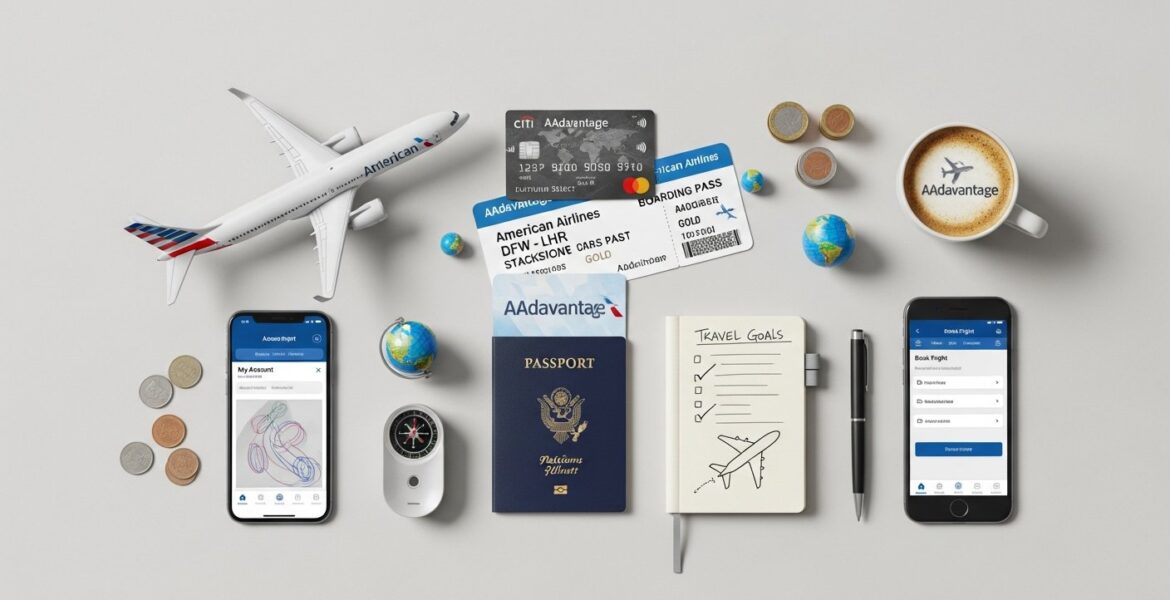
points vs miles what is the difference
Our Top Picks

Points vs. Miles: The Ultimate Guide to Unlocking Maximum Value from Your Rewards

On March 10, 2026 by pubman
Navigating the complex world of credit card rewards, loyalty programs, and smart shopping can often feel like deciphering a secret code. Among the most common points of confusion for newcomers and seasoned enthusiasts alike is the distinction between “points” and “miles.” While these terms are frequently used interchangeably in casual conversation, especially when discussing travel rewards, they represent fundamentally different types of loyalty currency, each with its own unique characteristics, redemption pathways, and strategic implications. Understanding the core differences between points and miles is not just academic; it’s essential for anyone looking to maximize their earning potential, unlock aspirational travel, or simply get the most value from their everyday spending. This comprehensive guide from Gold Points aims to demystify this critical distinction, offering clarity and actionable insights to help you master your rewards strategy and make informed decisions as you plan for the best credit card rewards programs in 2026 and beyond.

The Fundamental Distinction: Points vs. Miles

At their core, the primary difference between points and miles lies in their origin, their initial intended use, and their inherent flexibility. While both are forms of loyalty currency designed to reward consumer behavior, they typically emerge from different types of programs and offer varying degrees of versatility.

Points, in the broadest sense, are a general loyalty currency offered by a wide array of programs. These can include:

  • Bank-issued credit card points: These are perhaps the most common, such as Chase Ultimate Rewards points, American Express Membership Rewards points, or Citi ThankYou Points. They are earned through spending on specific credit cards and are typically managed directly by the issuing bank.
  • Hotel loyalty program points: Programs like Marriott Bonvoy points, Hilton Honors points, or World of Hyatt points are earned through stays at their respective hotel brands or via co-branded credit cards. Their primary purpose is redemption for future hotel stays.
  • Retailer-specific points: Many individual retailers offer their own loyalty programs, awarding points for purchases that can then be redeemed for discounts or exclusive merchandise within their stores.

The defining characteristic of points, especially those issued by major banks, is their inherent flexibility. While they can often be used for travel, they also typically offer a broader range of redemption options, including cash back, gift cards, merchandise, and sometimes even charitable donations. This versatility makes them highly attractive to consumers who may not always travel or who prefer to keep their options open.

Miles, on the other hand, are traditionally and primarily associated with airline loyalty programs. Historically, miles were earned based on the distance flown with a particular airline or its partners. While the earning structure has evolved significantly for most airlines, often shifting to revenue-based models where you earn miles based on the ticket price rather than distance, the core identity of miles remains tied to air travel. Examples include:

  • Airline-specific miles: United MileagePlus miles, American Airlines AAdvantage miles, Delta SkyMiles, or Alaska Airlines Mileage Plan miles are direct examples. These are earned through flying with the airline, spending on co-branded airline credit cards, or through various partner activities.

The primary, and often exclusive, redemption method for miles is air travel – booking flights with the issuing airline or its alliance partners. While some airline programs offer ancillary redemption options like upgrades, lounge access, or even merchandise, the highest value typically comes from using miles for flights. This specialization means miles are particularly valuable for frequent flyers or those with specific travel goals tied to air transportation.

In essence, you can think of points as a more generalized currency, often with multiple uses, whereas miles are a specialized currency, predominantly used for flying. This distinction forms the bedrock of understanding how to strategically earn and redeem your rewards for maximum benefit.

Delving Deeper into “Points”: Flexibility and Redemption

Points Vs Miles What Is The Difference

The allure of points, particularly those offered by major credit card issuers, stems from their remarkable flexibility. Unlike airline-specific miles that are often tethered to a single carrier or alliance, points often serve as a versatile currency that can be molded to fit a wide array of consumer needs and preferences. This adaptability is precisely why many experts, when discussing the Best Credit Card Rewards Programs 2026, frequently highlight programs that offer robust points currencies.

Types of Points and Their Characteristics

  • Bank-Issued Transferable Points: These are the gold standard of flexibility. Programs like Chase Ultimate Rewards, American Express Membership Rewards, Citi ThankYou Points, and Capital One Miles (which, despite its name, functions more like a transferable point currency) allow you to earn points that can be redeemed in multiple ways. Their value often lies in the ability to transfer them to a variety of airline and hotel loyalty programs, effectively turning your general points into specific miles or hotel points when you need them most. This transferability is a game-changer for maximizing value, especially for travel.
  • Bank-Issued Fixed-Value Points: Some credit card programs offer points that have a fixed redemption value, typically 1 cent per point, for specific categories like travel booked through their portal, cash back, or gift cards. While less flexible than transferable points, they offer simplicity and predictability. For instance, points earned from certain cashback cards might be redeemable directly for a statement credit.
  • Hotel Loyalty Points: Specific to hotel chains (e.g., Marriott Bonvoy, Hilton Honors, World of Hyatt, IHG One Rewards), these points are earned on hotel stays and co-branded credit cards. While primarily used for free nights, they sometimes offer options for experiences, merchandise, or even conversion to airline miles, though often at unfavorable rates.
  • Retailer/Merchant Points: Many stores, from department stores to grocery chains, offer their own loyalty programs. These points are typically redeemed for discounts on future purchases at that specific retailer or for exclusive member benefits. For example, some programs might offer points that can be redeemed for specific items, or a percentage off your next purchase.

Redemption Options for Points

The strength of points truly shines in the diverse ways they can be redeemed. This variety allows consumers to tailor their rewards strategy to their individual financial goals and lifestyle. Common redemption avenues include:

  • Travel: This is often where points yield their highest value.
    • Booking through a credit card portal: Many bank programs offer their own travel portals (e.g., Chase Ultimate Rewards travel portal, Amex Travel) where points can be used to book flights, hotels, rental cars, and cruises. The value per point here is often fixed (e.g., 1.25 or 1.5 cents per point for premium cards).
    • Transferring to airline/hotel partners: As mentioned, this is a key differentiator for transferable points. You can convert your bank points into airline miles or hotel points with various partners, often unlocking higher value, especially for business or first-class flights and luxury hotel stays. This strategy requires careful research to identify sweet spots and maximize the value per point.
  • Cash Back: For many, the simplicity of cash back is king. Points can often be redeemed for a statement credit or a direct deposit into your bank account. While the value per point for cash back is often lower than for travel (typically 0.5 to 1 cent per point), it offers unparalleled flexibility for covering everyday expenses or bolstering savings.
  • Gift Cards: Points can be exchanged for gift cards to a vast array of retailers, restaurants, and entertainment venues. This can be a practical option for gifting or for offsetting specific purchases, though the value per point often mirrors that of cash back.
  • Merchandise: Many programs maintain online stores where points can be redeemed for electronics, home goods, and other products. However, this is almost universally considered a poor redemption value, as points often yield significantly less than 1 cent per point compared to the item’s retail price. It’s generally advisable to avoid merchandise redemptions unless absolutely necessary.
  • Experiences: Some premium credit card programs offer exclusive experiences, from concerts to culinary events, that can be booked with points. These can offer unique value, though they are often niche.
  • Statement Credits for Specific Categories: During economic downturns or specific promotions, some programs might allow points to be redeemed for statement credits against specific purchases, offering a temporary boost in flexibility. For instance, some programs allowed points to cover dining or grocery expenses during the pandemic.

The beauty of points lies in this choice. A savvy rewards maximizer will always evaluate the current market value of their points across these options to ensure they are getting the best return on their spending. This dynamic evaluation is a cornerstone of smart rewards strategy, ensuring that your hard-earned points align with your evolving financial and travel aspirations.

Unpacking “Miles”: The Airline-Centric Currency

Related Articles: Best Credit Card Rewards Programs 2026 · How To Avoid Credit Card Rewards Expiring · Amazon Prime Benefits Worth It Guide
💡 Pro Tip

When the term “miles” is used in the context of loyalty programs, it almost exclusively refers to the currency of airline frequent flyer programs. While modern earning structures have moved away from strict distance-based accrual, the fundamental purpose of miles remains firmly rooted in air travel. Understanding miles requires a deep dive into how they are earned, the nuances of their redemption, and the potential pitfalls that can diminish their value.

Earning Miles: More Than Just Flying

While the most intuitive way to earn airline miles is by flying with a particular airline or its alliance partners, this is far from the only method. In fact, for many, the bulk of their miles come from other sources:

  • Co-branded Airline Credit Cards: This is arguably the most prolific way to accumulate miles without stepping foot on a plane. Airlines partner with credit card issuers (e.g., Chase with United, American Express with Delta, Citi with American Airlines) to offer credit cards that directly earn miles in their respective programs. These cards often come with lucrative sign-up bonuses, category spending bonuses (e.g., extra miles on airline purchases, gas, or groceries), and perks like free checked bags, priority boarding, or annual companion certificates.
  • Flying: As the original method, you still earn miles when you fly. However, most major airlines have shifted from distance-based earning to revenue-based earning. This means the number of miles you earn is typically tied to the price of your ticket and your elite status level, rather than the physical distance of the flight. Higher-priced tickets and higher elite status often result in more miles earned per dollar spent.
  • Airline Shopping Portals: Most airlines operate online shopping portals where you can earn bonus miles for purchases made at various retailers. You simply click through the portal before shopping online, and a percentage of your purchase or a fixed number of miles per dollar spent is credited to your frequent flyer account.
  • Airline Dining Programs: Similar to shopping portals, dining programs allow you to link your credit cards and earn miles automatically when you dine at participating restaurants.
  • Hotel Stays and Rental Cars: Airlines often partner with hotel chains and car rental companies, allowing you to earn miles when booking stays or rentals through their preferred partners.
  • Other Partners: This can include anything from telecommunications providers to flower delivery services, showcasing the broad reach of airline loyalty programs.

Redeeming Miles: The Quest for Value

Redeeming miles is primarily about securing flights, but the value you derive can vary wildly. This is where the concept of “award charts” and “dynamic pricing” comes into play:

  • Award Charts (Fixed-Value Redemption): Historically, airlines published award charts that specified the number of miles required for a flight between two regions or for a specific class of service. While many airlines have moved away from transparent award charts, some still exist, particularly for partner airline redemptions or for specific regions. When you find an award chart “sweet spot” – a flight that requires relatively few miles for a high cash value – you can achieve exceptional value (e.g., 3-5 cents per mile or more).
  • Dynamic Pricing: This is the dominant model for many major airlines today. Under dynamic pricing, the number of miles required for a flight fluctuates based on factors like demand, cash price of the ticket, time of year, and even the specific route. This means that a flight that costs 25,000 miles one day might cost 50,000 miles the next. While dynamic pricing can sometimes offer good deals on lower-cost routes, it often means that aspirational redemptions (business or first-class international flights) require a vast number of miles, sometimes yielding a lower value per mile than fixed-value redemptions.
  • Upgrades: Miles can often be used to upgrade from economy to business or first class, though availability can be limited and often favors elite members.
  • Ancillary Redemptions: Some airlines allow miles to be redeemed for things like lounge access, in-flight Wi-Fi, merchandise, or magazine subscriptions. However, these options almost always yield a very poor value per mile and are generally not recommended for maximizing your rewards.

Considerations for Miles

  • Expiration Policies: Just like points, How To Avoid Credit Card Rewards Expiring is a crucial concern for miles. Most airline miles have expiration policies, often tied to inactivity in your account (e.g., no earning or redeeming activity for 18-24 months). Regular activity, even small ones like shopping portal purchases, can often reset the expiration clock.
  • Availability: Award space for desirable flights, especially in premium cabins, can be limited and requires flexibility or advance planning. This is particularly true for partner airline redemptions.
  • Fees: Be aware of potential taxes, fees, and surcharges on award tickets, which can sometimes be substantial, especially on international flights or with certain airlines.
  • Devaluation Risk: Airlines can, and do, devalue their miles programs by increasing the number of miles required for flights or by reducing redemption options. This is a constant risk for those accumulating large balances of airline-specific miles.

Ultimately, miles are a powerful tool for air travel, particularly for those who fly frequently with a specific airline or who have aspirational travel goals. However, their specialized nature and the complexities of dynamic pricing and award availability mean they require a more focused strategy compared to the broader utility of transferable points.

Transferable Points: The Best of Both Worlds

Points Vs Miles What Is The Difference

If points offer flexibility and miles offer specialized travel value, then transferable points represent the ultimate fusion, often described as the “best of both worlds” in the rewards landscape. This category of points is typically offered by major credit card issuers and is distinguished by its ability to be converted into the loyalty currencies of various airline and hotel partners. This inherent versatility makes transferable points exceptionally powerful for maximizing value and tailoring rewards to specific travel needs.

What Are Transferable Points?

Transferable points are a specific type of bank-issued points that hold their value within the credit card issuer’s ecosystem but can be moved to external loyalty programs. The most prominent examples include:

  • Chase Ultimate Rewards: Earned on cards like the Chase Sapphire Preferred, Chase Sapphire Reserve, and Chase Freedom Flex (when combined with a Sapphire card). These points can be transferred 1:1 to numerous airline partners (e.g., United, Southwest, British Airways, Virgin Atlantic) and hotel partners (e.g., Hyatt, Marriott).
  • American Express Membership Rewards: Earned on cards like The Platinum Card from American Express, American Express Gold Card, and various EveryDay cards. These points can be transferred to an extensive list of airline partners (e.g., Delta, Air Canada, Emirates, ANA) and hotel partners (e.g., Hilton, Marriott). Transfer ratios vary but are often 1:1, though some can be less favorable for certain hotel programs.
  • Citi ThankYou Points: Earned on cards like the Citi Premier Card. These points can be transferred to a good selection of airline partners (e.g., Avianca LifeMiles, Turkish Airlines Miles&Smiles, Singapore Airlines KrisFlyer) and a few hotel partners. Most transfers are 1:1.
  • Capital One Miles: While branded as “miles,” Capital One’s currency (earned on cards like the Capital One Venture X Rewards Credit Card and Capital One Venture Rewards Credit Card) functions very much like transferable points. They can be transferred to a growing list of airline and hotel partners, generally at a 1:1 or 2:1.5 ratio, offering significant flexibility.

The Power of Transfer Partners

The true genius of transferable points lies in their strategic utility. Instead of being locked into one airline or hotel program, you accumulate a general pool of points that you can then convert into the specific miles or hotel points you need, precisely when you need them. This strategy offers several key advantages:

  • Hedging Against Devaluations: By holding transferable points, you’re not fully exposed to the devaluation of a single airline or hotel program. If one partner increases its award prices, you can pivot and transfer your points to another partner that offers better value for your desired redemption.
  • Access to Multiple Award Charts/Programs: Each transfer partner has its own award chart (or dynamic pricing system) and its own set of alliance partners. This gives you access to a vast network of redemption opportunities. For example, Chase Ultimate Rewards points can become United MileagePlus miles to fly Star Alliance, or British Airways Avios to fly Oneworld, or even World of Hyatt points for luxury hotel stays.
  • Unlocking High-Value Redemptions: Often, the highest value for your points comes from transferring them to an airline partner for a premium cabin flight (business or first class) or to a hotel partner for a luxury stay that would otherwise be prohibitively expensive in cash. This is where you can often achieve redemption values of 2 cents per point or significantly more.
  • Flexibility for Spontaneous Travel: If you find a last-minute award availability with a specific airline, you can quickly transfer your points to that airline’s program (though transfer times can vary, from instant to a few days) to book the flight.
  • Leveraging Transfer Bonuses: Credit card issuers periodically offer transfer bonuses, where you get extra miles or points when transferring to a specific partner (e.g., a 25% bonus when transferring to British Airways Avios). These bonuses can further amplify the value of your points.

Strategic Considerations for Transferable Points

  • Research is Key: Before transferring, always research the award availability and the number of miles/points required for your desired redemption with the specific airline or hotel partner. Transfers are almost always irreversible.
  • Know Your Transfer Ratios and Times: Understand how many points you’ll get for each transferred point, and how long the transfer typically takes. Instant transfers are ideal for last-minute bookings.
  • Avoid Unfavorable Transfers: Not all transfer options offer good value. Some hotel transfers, in particular, can be poor, yielding far less than 1 cent per point. Focus on transfers that maximize your return.
  • Combine with Other Rewards: Transferable points can be strategically combined with other rewards. For instance, you might use your Amazon Prime Benefits Worth It Guide to maximize savings on everyday purchases, freeing up cash that can then be used to cover taxes and fees on award flights booked with transferred points. This holistic approach ensures you’re leveraging all available benefits across your financial ecosystem.

For those aiming to unlock truly aspirational travel experiences and maintain maximum control over their rewards, focusing on earning transferable points through the Best Credit Card Rewards Programs 2026 is often the most sophisticated and rewarding strategy.

When to Choose Points Over Miles (and Vice Versa)

Deciding whether to focus on earning points or miles isn’t a one-size-fits-all answer. It hinges entirely on your personal spending habits, travel preferences, and financial goals. Understanding the distinct advantages of each currency will empower you to make the most strategic choice for your individual situation.

Choose Points When:

1. You Value Flexibility Above All Else:

  • If your travel plans are unpredictable, or if you don’t want to be locked into a specific airline or hotel chain, transferable points offer unparalleled freedom. You can decide where to allocate your rewards only when a specific travel need arises.
  • This flexibility also means you’re better protected against devaluations from a single loyalty program. If one airline’s award chart changes unfavorably, you still have other transfer options.

2. You Don’t Travel Frequently or Have Diverse Redemption Needs:

  • If you only take one or two trips a year, or if you sometimes prefer cash back, gift cards, or merchandise redemptions, points provide that versatility. You’re not forced to use your rewards for travel if another option offers better immediate utility.
  • For instance, if you’re saving for a down payment or need to cover an unexpected expense, converting points to cash back, even at a lower redemption rate, might be more valuable than accruing miles for a trip you can’t take.

3. You Seek High-Value Aspirational Travel:

  • Paradoxically, while points are more flexible, they often lead to the highest value travel redemptions. By transferring points to airline partners during a sweet spot or for premium cabin international flights, you can often achieve redemption values of 3-5 cents per point or more, far exceeding what you might get from airline-specific miles under dynamic pricing.
  • This strategy requires research and patience but can unlock experiences that would be financially out of reach otherwise.

4. You Prefer Simplicity and Predictability for Non-Travel Redemptions:

  • Some points programs offer fixed-value redemptions for cash back or gift cards, providing a straightforward and predictable return on your spending. While not the highest value, this can be appealing for those who prioritize ease of use.

Choose Miles When:

1. You Are Loyal to a Specific Airline or Alliance:

  • If you consistently fly with one airline (e.g., Delta, United, American) due to your location, preferred routes, or corporate travel policies, accumulating their specific miles makes sense. You’ll gain elite status faster, enjoy associated perks, and have a clear path for redeeming your rewards on flights you’d likely take anyway.
  • This is especially true if you value airline-specific benefits like free checked bags, priority boarding, or upgrade opportunities that often come with co-branded airline credit cards or elite status.

2. You Have Specific, Recurring Travel Patterns:

  • If you frequently fly a particular route and consistently find good award availability with your preferred airline, accumulating their miles can be very efficient. You know exactly how many miles you’ll need and can plan accordingly.

3. You Can Consistently Find “Sweet Spots” on Award Charts (Where Applicable):

  • While dynamic pricing is prevalent, some airlines or their partners still offer award charts with excellent value for specific routes or cabins. If you’re adept at finding and booking these “sweet spots,” airline-specific miles can be incredibly rewarding.

4. You Prioritize Airline-Specific Perks and Status:

  • Co-branded airline credit cards often come with valuable benefits directly tied to the airline, such as free checked bags, priority boarding, discounted in-flight purchases, or even lounge access. If these perks are important to your travel experience, earning miles directly through these cards can be advantageous.

Ultimately, a hybrid approach often yields the best results. Many savvy rewards strategists focus on accumulating transferable points but also maintain a co-branded airline credit card for its specific perks (like free checked bags) and to earn miles directly on flights they already take. The key is to regularly assess your spending, travel goals, and the evolving rewards landscape to ensure your strategy remains optimized for the Best Credit Card Rewards Programs 2026 and beyond.

Maximizing Your Rewards: Strategy and Avoiding Pitfalls

Regardless of whether you primarily chase points or miles, a thoughtful and proactive strategy is essential to extract the maximum value from your efforts. Without a clear plan, even the most generous rewards programs can lead to missed opportunities or, worse, expired benefits. Gold Points advocates for a holistic approach that combines strategic earning with intelligent redemption and diligent management.

Strategic Earning: Making Every Dollar Count

The foundation of maximizing rewards lies in how you earn them. It’s not just about spending; it’s about smart spending:

  • Identify Category Bonuses: Many credit cards offer bonus points or miles on specific spending categories (e.g., 3x points on dining, 5x miles on travel booked through a portal, 4x points on groceries). Align your spending with cards that reward your most frequent expenses. For instance, if you spend heavily on food, a card offering high rewards on groceries and restaurants will be far more beneficial than one focused on travel.
  • Leverage Sign-Up Bonuses: The quickest way to accumulate a large stash of points or miles is through credit card sign-up bonuses. These often require meeting a minimum spending threshold within a few months, so plan your applications around periods of higher-than-usual expenses (e.g., moving, major purchases) to ensure you can comfortably meet the requirement. Always ensure you can pay off the balance in full to avoid interest charges that negate any rewards.
  • Utilize Shopping Portals: Before making any online purchase, check if your preferred airline, hotel, or credit card issuer has a shopping portal that offers bonus points or miles. These portals are easy to use and can add significant rewards to your balance without extra effort. This is a classic “set it and forget it” method that pays dividends.
  • Referral Bonuses: If you’re happy with a particular credit card, consider referring friends or family. Many issuers offer bonus points or miles for successful referrals, benefiting both you and the new cardholder.
  • Stacking Rewards: Look for opportunities to stack rewards. For example, you might earn points from your credit card, plus additional points from an airline shopping portal, plus loyalty points from the merchant itself. This multi-layered approach supercharges your earning.

Intelligent Redemption: Unlocking True Value

Earning is only half the battle; redemption is where value is truly realized. Avoid common pitfalls by being strategic:

  • Calculate Value Per Point/Mile: Before redeeming, always estimate the “value per point” (VPP) or “value per mile” (VPM). Divide the cash cost of what you’re redeeming for by the number of points/miles required. Aim for at least 1 cent per point for general redemptions, and ideally 1.5 cents or more for travel. Merchandise redemptions almost always yield poor value.
  • Focus on High-Value Travel: For transferable points and miles, the highest value typically comes from premium cabin flights (business or first class) or luxury hotel stays that would be extremely expensive in cash. Economy flights can sometimes be a good deal, but always compare the cash price to the miles required.
  • Be Flexible with Dates and Destinations: Flexibility is your greatest asset when redeeming for travel. Being able to travel during off-peak seasons or consider alternative destinations can drastically reduce the number of points or miles needed.
  • Leverage Transfer Bonuses: As mentioned, look out for limited-time transfer bonuses from your credit card issuer to airline or hotel partners. A 20-30% bonus can significantly reduce the number of points needed for a redemption.
  • Don’t Hoard Indefinitely: While it’s wise to save for aspirational travel, excessive hoarding of points and miles carries the risk of devaluation. Programs can change their award charts or redemption values at any time, diminishing the buying power of your accumulated rewards. Redeem when you have a good opportunity, rather than waiting indefinitely.

Diligent Management: Avoiding Common Pitfalls

Proactive management ensures your hard-earned rewards don’t go to waste:

  • Monitor Expiration Dates: One of the most critical aspects of rewards management is understanding How To Avoid Credit Card Rewards Expiring. Most loyalty programs have expiration policies. Some points expire after a certain period of inactivity (e.g., 18-24 months without earning or redeeming), while others expire after a fixed period regardless of activity. Keep track of your balances and program rules. A small earning activity, like a purchase through a shopping portal or even a survey, can often reset the expiration clock.
  • Keep Your Accounts Active: Even small transactions can keep your accounts active and prevent points or miles from expiring. Consider linking your accounts to dining programs or making small purchases through shopping portals periodically.
  • Consolidate When Possible: If you have transferable points, you can often consolidate smaller balances from various cards into one larger pool, making them easier to manage and redeem.
  • Stay Informed: Loyalty programs and credit card offers are constantly changing. Subscribe to blogs like Gold Points, set up alerts for specific programs, and regularly review your card benefits to stay updated on new opportunities, devaluations, or enhanced earning categories. Staying informed about the Best Credit Card Rewards Programs 2026 will be crucial for adapting your strategy.
  • Utilize All Benefits: Beyond points and miles, many premium credit cards offer a suite of benefits: travel credits, lounge access, elite status perks, rental car insurance, and more. Make sure you’re leveraging these additional benefits to extract full value from your annual fees. For example, alongside credit card rewards, consider how services like an Amazon Prime Benefits Worth It Guide can complement your overall savings strategy by offering shipping benefits, streaming, and exclusive deals that reduce your out-of-pocket expenses for everyday needs. This allows your points and miles to be reserved for higher-value redemptions.

By adopting a disciplined approach to earning, redeeming, and managing your points and miles, you transform a potentially confusing system into a powerful tool for achieving your financial and travel aspirations.

The Future of Rewards: What to Look For in 2026

The landscape of loyalty programs and credit card rewards is constantly evolving, driven by technological advancements, shifting consumer behaviors, and economic pressures. As we look towards 2026, several trends are likely to shape how we earn, redeem, and value our points and miles. Staying ahead of these changes will be crucial for anyone aiming to maximize their

Recommended Resources

You might also enjoy Compound Interest Explained Simply from Fin3go.

Explore Technical Seo Audit Checklist for additional insights.

Archives

  • April 2026
  • March 2026

Calendar

April 2026
M T W T F S S
 12345
6789101112
13141516171819
20212223242526
27282930  
« Mar    

Categories

  • General
  • Our Top Picks
  • Products
  • Services
  • Tech
  • About
  • Our Top Picks
  • Products
  • Tech
  • Services

Copyright Gold Points 2026 | Theme by ThemeinProgress | Proudly powered by WordPress