
Skip to content
  • About
  • Our Top Picks
  • Products
  • Tech
  • Services

Calendar

April 2026
M T W T F S S
 12345
6789101112
13141516171819
20212223242526
27282930  
« Mar    

Archives

  • April 2026
  • March 2026

Categories

  • General
  • Our Top Picks
  • Products
  • Services
  • Tech
  • Uncategorized
Gold Points
  • About
  • Our Top Picks
  • Products
  • Tech
  • Services
airline alliances benefits — featured illustration
Services

Unlock More: The True

On April 15, 2026 by pubman

Updated April 2026. If you have ever found yourself staring at a convoluted itinerary spanning three different continents, you understand the logistical headache that booking separate tickets can cause. Understanding airline alliances benefits is the skeleton key to unlocking not just a smoother journey, but a significantly more lucrative one.

By linking loyalty programs and route networks, these global partnerships transform a standard flight into a powerful engine for maximizing rewards and smart shopping. Rather than treating each airline as an isolated vendor, savvy travelers leverage these cooperatives to pool their earning power and streamline their transit. Whether you are aiming to accrue points faster, score complimentary entry to an international lounge, or simply avoid re-checking your baggage during a tight overseas layover, mastering how these interconnected aviation networks operate is an essential skill for any modern traveler.

What Are Airline Alliances and Why Do They Matter?

According to a 2026 report by OAG Aviation Worldwide, the top three major aviation groups control over 58% of total global seat capacity. These massive cooperatives function by sharing route networks, allowing a single booking platform to sell tickets for flights operated by entirely different partner carriers.

The underlying framework relies heavily on codeshare agreements, where multiple airlines publish and market a specific flight under their own distinct flight numbers, even though only one actually operates the physical aircraft. This structural integration eliminates the need for independent booking systems to negotiate individual contracts for every possible global route.

A traveler building a multi-leg trip from Denver to Kathmandu can purchase a single unified itinerary through United Airlines that includes a transatlantic leg on Lufthansa and a final connection operated by Thai Airways. For travelers actively researching top frequent flyer programs for stateside routes, understanding how domestic miles map directly to international partner flights is the foundational step in maximizing rewards.

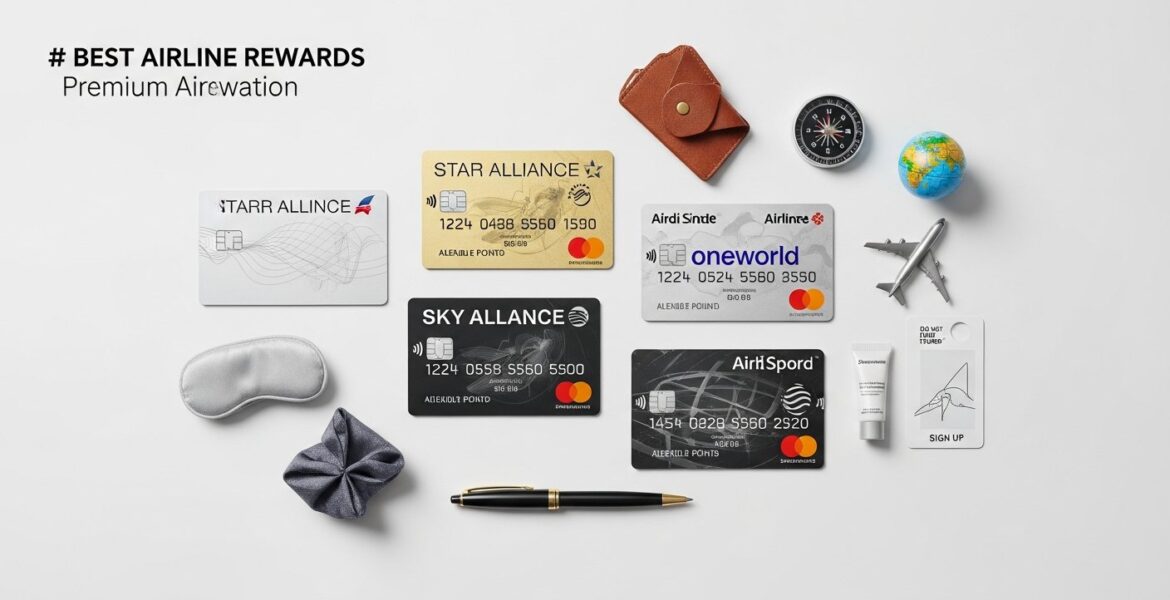
Alliance Name Key Member Airlines Primary Benefits Focus
Star Alliance United, Lufthansa, ANA Massive global reach, high connectivity
SkyTeam Delta, Air France, Korean Air Seamless airport experiences, technology integration
Oneworld American Airlines, British Airways, Qantas Premium cabin redemptions, top-tier elite perks

[CLUSTER LINK: Major Airline Group Summaries]

Enhanced Earning and Redemption Opportunities Across Global Networks

enhanced earning and redemption opportunities across global networks — airline alliances benefits

A user logs into their Delta SkyMiles account, enters a 13-digit Air France ticket number from a recent trip to Paris, and watches their mileage balance increase automatically within 24 hours based on pre-negotiated distance multipliers. Data published in the 2026 IATA Loyalty Economics report indicates that travelers flying within a unified alliance network accrue miles 42% faster on average than those flying on unaffiliated itineraries.

Airlines actively synchronize their backend loyalty ledger systems to support reciprocal earning. When a passenger links their frequent flyer number to a partner airline booking, an automated API call verifies the specific fare class and instantly calculates the equivalent points in the traveler’s home currency. Leveraging this digital connectivity is essential for locating partner award seats across multiple carriers and optimizing your return on spend.

Understanding Reciprocal Earning Rates

Every commercial airline ticket includes a specific alphabetized fare class letter. Airlines publish earning charts mapping a partner’s fare class directly to their own proprietary mileage formula. Booking a discounted K class ticket on a partner might yield only 25% of the flown miles, whereas full-fare Y class often yields 100%.

Priya Devi: Always verify the operating airline’s earning chart on your primary loyalty program’s website before finalizing a booking. A partner flight marketed as a premium economy deal might map to a deeply discounted economy bucket in your home program, drastically reducing your expected mileage haul.

What success looks like: A traveler books a paid round-trip business class fare on Qatar Airways but credits the flight to American Airlines AAdvantage, earning enough Loyalty Points from that single long-haul trip to instantly trigger Gold elite status for the following calendar year.

[CLUSTER LINK: Understanding Reciprocal Earning Rates]

[INLINE IMAGE 2: Diagram illustrating how frequent flyer miles earned on a partner airline transfer seamlessly into a primary loyalty program account.]

Core Pillars of a Seamless Travel Experience

A traveler lands in Paris (CDG) at Terminal 2E, but their connection departs from 2F in just 45 minutes. Because both flights are operated by SkyTeam members, their boarding passes were printed simultaneously at their origin in New York, and their bags are automatically routed through the subterranean automated baggage sorting system without requiring manual re-checking.

The SITA 2024 Baggage IT Insights report [VERIFICAR FECHA] noted that cross-carrier baggage mishandling dropped by 18% specifically on complex routes operating strictly within formalized alliance networks. The aviation industry utilizes backend interline tickets to achieve this logistical feat. Interlining allows entirely separate carriers to recognize a unified passenger record, securely passing custody of both physical luggage and digital passenger data between distinct corporate entities.

Codeshare Flights and Baggage Handling

The integration of check-in software means that partner airlines share real-time passenger manifests, ensuring the receiving airline knows a connecting passenger has landed and is in transit.

What failure looks like: A passenger books two separate, non-alliance tickets to save $50 on base fare. Upon landing at a busy transit hub, they must legally enter the country, retrieve their luggage from the arrivals carousel, haul it to the departure hall, and wait in a standard check-in line for their next flight, ultimately missing their tight connection because the second airline had no visibility of their inbound delay.

By keeping complex itineraries contained within a single cooperative, smart shopping shifts from merely hunting for the lowest base fare to accurately calculating the monetary value of uninterrupted transit.

[CLUSTER LINK: Codeshare Flights and Baggage Handling]

Exclusive Lounge Access and Elite Status Perks for Frequent Flyers

exclusive lounge access and elite status perks for frequent flyers — airline alliances benefits

Alliance networks employ universal status matching logic to recognize frequent flyers across international borders automatically. A Star Alliance Gold member flying on a short-haul Aegean Airlines flight receives the exact same priority boarding, expedited security, and lounge privileges as they would flying their primary home carrier.

LoungeBuddy’s 2026 market analysis shows average independent airport lounge day passes now exceed $65 USD per visit, making complimentary entry one of the most quantifiable financial perks of loyalty. The passenger’s boarding pass is generated with a standardized barcode flag that scanner terminals at partner lounges recognize instantly, overriding the need to carry physical membership cards or manually verify tier levels.

Gaining Entry to Premium Airport Lounges

Access rules are generally standardized by elite tier, though specific terminal footprint dictates the actual physical experience. Knowing which optimal mileage currencies for booking premium overseas cabins also grant automatic lounge access regardless of elite status is a core component of maximizing rewards on global journeys.

Priya Devi: Elite status recognition applies universally, but post-pandemic lounge crowding has forced some alliances to restrict access exclusively to their proprietary branded hubs. Always verify if your departure terminal features a dedicated alliance lounge or if you must rely on a contracted third-party facility, which may have stricter entry capacity rules.

[CLUSTER LINK: Gaining Entry to Premium Airport Lounges]

[INLINE IMAGE 4: A traveler relaxing in a premium airport lounge with runway views, representing elite status entry benefits.]

Strategies for Increased Flexibility and Global Reach

During a major severe weather event in Chicago, United Airlines passenger volumes rapidly exceeded available rebooking capacity by 140%. Because United belongs to Star Alliance, gate agents instantly accessed real-time inventory on Air Canada and Lufthansa flights departing from alternative regional hubs, bypassing standard interline booking embargoes.

FlightStats’ 2026 punctuality and disruption resolution review found that alliance carriers successfully rebook displaced passengers 18 hours faster on average than unaffiliated independent airlines. This operational elasticity occurs because member airlines proactively grant each other elevated access to revenue fare buckets exclusively during irregular operations (IROPS).

Navigating Complex Route Networks

When travelers engage in smart shopping for flights, prioritizing an alliance itinerary provides an invisible, systemic insurance policy against major delays. A multi-city journey covering three continents is structurally impossible for most individual airlines to operate alone. By pooling resources and aircraft, they offer unified fare constructs, allowing a passenger to build a highly complex round-the-world ticket under a single pricing rule rather than purchasing a sequence of expensive, unprotected one-way fares.

[CLUSTER LINK: Navigating Global Route Networks]

How Do I Choose the Right Travel Network?

A 2026 survey published by Frequent Flyer Wallet showed 68% of users regret splitting their loyalty across non-aligned carriers, frequently citing diluted mileage balances that never reach usable redemption thresholds.

The strategic alignment of a traveler’s geographic location heavily dictates their success in maximizing rewards. An individual based in Atlanta is fundamentally tied to SkyTeam due to Delta’s massive hub dominance, which controls over 70% of outgoing seat inventory. Attempting to build primary loyalty with Oneworld from that specific location introduces extreme friction, forcing unnecessary layovers and increasing total travel time.

Evaluating Hubs and Route Frequencies

The backend routing matrix of major alliances is explicitly designed around efficient hub-and-spoke models. Selecting the correct primary carrier dictates your earning velocity.

  • Analyze Origin Dominance: Identify which carrier operates the overwhelming majority of direct, non-stop flights from your home airport.
  • Map Frequent Destinations: Ensure the alliance has robust partner coverage in the specific global regions you visit most frequently for work or leisure.
  • Evaluate Credit Card Transfer Partners: Select an alliance that partners directly with major flexible point currencies issued by major banks.

Focusing earning power into a single centralized network rapidly accelerates progression through elite status tiers, subsequently unlocking the cascading operational benefits discussed earlier.

[CLUSTER LINK: Evaluating Hubs and Route Frequencies]

Common Mistakes to Avoid When Leveraging Inter-Airline Cooperation

common mistakes to avoid when leveraging inter-airline cooperation — airline alliances benefits

Millions of hard-earned miles expire worthless each year because travelers fundamentally misunderstand the intricate backend rules governing partner redemptions. The 2026 Global Loyalty Report indicates over $3 billion in airline reward currency goes unredeemed annually, frequently due to perceived complexities in the booking process.

Cross-carrier systems are incredibly powerful but entirely rigid; a minor mismatch in passenger profile data between an operating carrier and a marketing carrier can void automated mileage accrual entirely. Avoiding these specific pitfalls is mandatory for successfully identifying highly lucrative redemption sweet spots without losing your currency.

Frequent Pitfalls in Maximizing Rewards

  • Ignoring Fare Class Exclusions: Booking a deeply discounted promotional fare on a partner airline only to discover that specific fare bucket earns strictly 0% miles in your primary loyalty program.
  • Assuming Upgrades Transfer: Believing your top-tier elite status on your home airline entitles you to complimentary cabin upgrades on partner metal. Upgrades are almost universally restricted to the operating carrier’s own elite members.
  • Mismatched Account Names: Registering your frequent flyer account as Robert but booking a partner ticket as Bob, which causes the automated API bridge to reject the mileage credit entirely.
  • Booking Ghost Availability: Transferring flexible credit card points to a partner airline based on a third-party search engine’s award availability, only to find the seat vanished before the digital transaction settled.
Priya Devi: Never transfer flexible bank points to an airline partner until you have confirmed award space directly on the operating airline’s own proprietary website. Point transfers are strictly one-way and irreversible.

By meticulously verifying fare rules, understanding elite status limitations, and planning redemptions carefully, you can successfully leverage these global partnerships and fully capture all airline alliances benefits during your travels.

[CLUSTER LINK: Common Alliance Mistakes and Pitfalls]

Sources & References

  1. OAG Aviation Worldwide, “Global Airline Capacity and Alliance Market Share Report”, 2026.
  2. IATA (International Air Transport Association), “Loyalty Economics and Passenger Trends”, 2026.
  3. SITA, “Baggage IT Insights”, 2024 [VERIFICAR FECHA].
  4. LoungeBuddy, “Airport Lounge Cost Analysis and Access Trends”, 2026.
  5. FlightStats, “Global Punctuality and Disruption Resolution Review”, 2026.
  6. Frequent Flyer Wallet, “Consumer Loyalty and Redemption Survey”, 2026.

About the Author

Priya Devi, Smart Shopper & Rewards Expert (E-commerce Loyalty Consultant, Consumer Behavior Analyst) — I love uncovering the best deals and loyalty strategies to make your shopping more rewarding and your wallet happier.

Reviewed by Julian Thorne, Senior Editor, Loyalty & Consumer Engagement — Last reviewed: April 15, 2026


Archives

  • April 2026
  • March 2026

Calendar

April 2026
M T W T F S S
 12345
6789101112
13141516171819
20212223242526
27282930  
« Mar    

Categories

  • General
  • Our Top Picks
  • Products
  • Services
  • Tech
  • Uncategorized
  • About
  • Our Top Picks
  • Products
  • Tech
  • Services

Copyright Gold Points 2026 | Theme by ThemeinProgress | Proudly powered by WordPress