
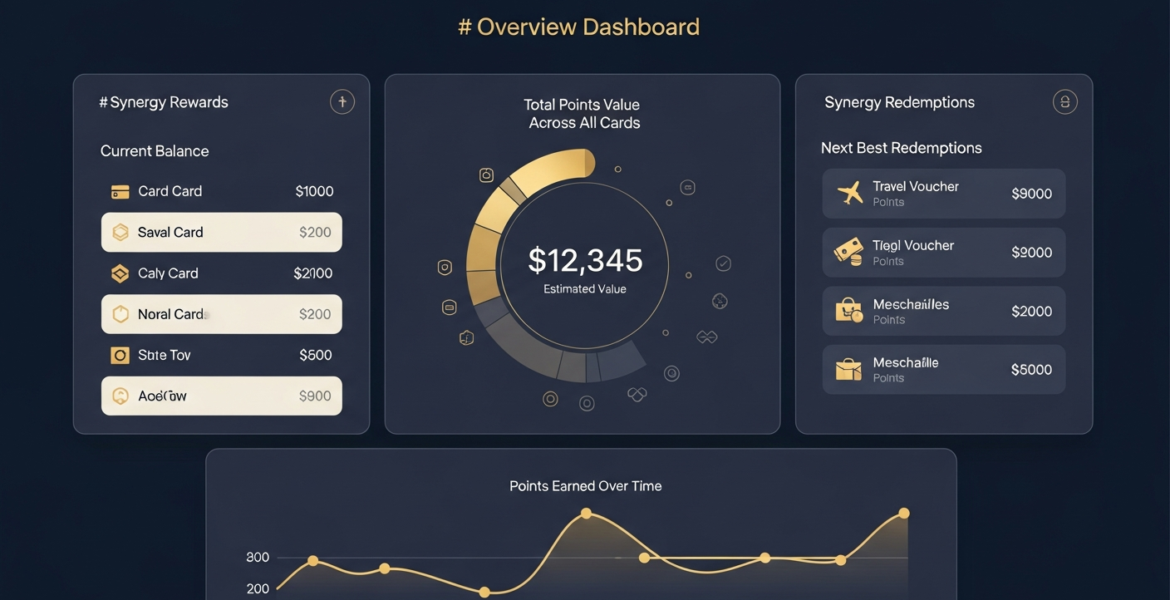
how to manage multiple credit card rewards
On April 13, 2026 by pubmanOkay, here’s a comprehensive SEO article designed to help consumers effectively manage multiple credit card rewards, maximizing their value.
**H1: Unlock Maximum Value: The Ultimate Guide to Managing Multiple Credit Card Rewards**
Credit card rewards programs are a fantastic way to earn cash back, travel points, and other perks simply by using your credit cards for everyday purchases. However, juggling multiple credit cards, each with its own rewards structure and redemption options, can quickly become overwhelming. Are you leaving money on the table because you’re not sure how to optimize your rewards strategy? This comprehensive guide provides a roadmap to effectively manage multiple credit card rewards, ensuring you extract maximum value from every dollar you spend. From organizing your cards to understanding redemption strategies and avoiding common pitfalls, we’ll equip you with the knowledge you need to become a credit card rewards master. Get ready to transform your spending into a powerful rewards engine!
**H2: 1. The Strategic Foundation: Knowing Your Cards Inside and Out**
Before diving into the management process, it’s crucial to have a deep understanding of the rewards programs associated with each of your credit cards. This involves more than just knowing the headline rewards rate; you need to grasp the nuances of each card’s offering.
* **Rewards Structure:** Identify the specific rewards structure for each card. This includes:
* **Earning Rates:** What percentage of your spending do you earn back in rewards for different spending categories (e.g., groceries, gas, dining, travel)?
* **Bonus Categories:** Are there any rotating or fixed bonus categories that offer higher rewards rates?
* **Spending Caps:** Are there limits on the amount you can earn in bonus categories? Many cards offer elevated rewards up to a certain spending amount per quarter or year.
* **Annual Fees:** Factor in any annual fees. A high rewards rate may be offset by a significant annual fee, making the card less valuable overall. Carefully weigh the benefits against the cost.
* **Redemption Options:** Understand how you can redeem your earned rewards for each card:
* **Cash Back:** Can you redeem your rewards as a statement credit, direct deposit, or check? What is the minimum redemption amount?
* **Travel Points:** Can you transfer your points to airline or hotel partners? What is the transfer ratio? What is the estimated value of each point (cents per point)?
* **Gift Cards:** Are gift cards available, and at what redemption rate? Sometimes, gift cards offer a better value than cash back.
* **Merchandise:** Can you redeem your points for merchandise? This is often the least valuable redemption option.
* **Direct Purchase:** Can you use your points directly at certain online stores?
* **Terms and Conditions:** Read the fine print to understand any restrictions, limitations, or expiration dates associated with your rewards. Some rewards programs may have blackout dates for travel or other redemption options. Pay special attention to inactivity clauses that may lead to the forfeiture of rewards.
* **Tracking Methods:** Note how each issuer tracks your rewards. Are they easily accessible online? Do they send regular statements outlining your earnings? Determine which method works best for you, and setup your preferences to ensure you can easily monitor your progress.
Creating a spreadsheet or using a dedicated rewards management app (mentioned later) can be incredibly helpful in organizing this information and comparing the value of different cards.
**H2: 2. Strategic Spending: Optimizing Card Usage for Maximum Returns**
Once you understand your cards, the next step is to strategically allocate your spending to maximize your rewards. This involves choosing the right card for each purchase based on its rewards structure.
* **Category-Based Spending:**
* **Identify Your Highest Spending Categories:** Analyze your spending habits to determine where you spend the most money (e.g., groceries, gas, dining, travel, utilities).
* **Match Cards to Categories:** Use the credit card that offers the highest rewards rate for each category. For example, if you have a card that offers 5% cash back on groceries, use that card for all grocery purchases.
* **Consider Annual Spending Limits:** If a card has a spending cap in a bonus category, track your spending to ensure you don’t exceed the limit. Once you reach the cap, switch to another card with a lower but still advantageous rewards rate.
* **Prioritizing Sign-Up Bonuses:**
* **Meet Minimum Spending Requirements:** When you open a new credit card, prioritize meeting the minimum spending requirement to earn the sign-up bonus. This is often the most lucrative way to earn rewards.
* **Strategic Planning:** Plan your spending to meet the minimum requirement within the specified timeframe. Consider making large purchases you were already planning or temporarily shifting spending from other cards.
* **Beyond Bonus Categories:**
* **General Spending Cards:** Designate one card as your general spending card for purchases that don’t fall into any bonus categories. Choose a card with a flat rewards rate (e.g., 1.5% or 2% cash back on all purchases).
* **Tracking Your Spending:** Implement a system for tracking your spending by category and card. This will help you ensure you’re using the right card for each purchase and maximizing your rewards. Use budgeting apps, spreadsheets, or simple note-taking to stay organized.
**H2: 3. Redemption Strategies: Turning Rewards into Tangible Value**
Earning rewards is only half the battle; redeeming them strategically is equally important. The value of your rewards can vary significantly depending on the redemption option you choose.
* **Valuing Your Points:** Before redeeming your rewards, understand the value of each point or mile. This is particularly important for travel rewards.
* **Cash Back:** Cash back is usually the easiest to value, as it’s a direct return on your spending.
* **Travel Points:** The value of travel points can fluctuate. A general rule of thumb is to aim for a value of at least 1 cent per point, but ideally more. Research the redemption options and compare them to cash values.
* **Redemption Options:**
* **Cash Back:** If you prioritize simplicity and flexibility, cash back is a solid choice. Use it to pay down your credit card balance, invest, or cover everyday expenses.
* **Travel:** Travel rewards can offer significant value, especially if you’re willing to be flexible with your travel dates and destinations. Look for opportunities to transfer points to airline or hotel partners for higher redemption rates.
* **Gift Cards:** Gift cards can sometimes offer a better value than cash back, especially if you shop at specific retailers frequently.
* **Merchandise:** Redeeming for merchandise is often the least valuable option. Avoid it unless you can’t find a better use for your points.
* **Maximizing Travel Redemptions:**
* **Transfer Bonuses:** Keep an eye out for transfer bonuses, which allow you to transfer your points to airline or hotel partners with an added bonus (e.g., 20% more points).
* **Award Charts:** Understand airline and hotel award charts to find the best redemption values for your points.
* **Flexibility:** Be flexible with your travel dates and destinations to find the best award availability.
* **Automated Redemption:** Some cards offer automated redemption options, such as automatically redeeming cash back as a statement credit each month. Consider these options for ease and convenience.
**H2: 4. Staying Organized: Tools and Techniques for Streamlined Management**
Managing multiple credit cards requires organization. Here are some tools and techniques to help you stay on top of your rewards:
* **Spreadsheets:** Create a spreadsheet to track your credit cards, rewards structures, spending categories, redemption options, and rewards balances. This provides a centralized view of your rewards program.
* **Rewards Management Apps:** Consider using a dedicated rewards management app to automate the tracking process. These apps can link to your credit card accounts and automatically track your spending and rewards. Some popular options include:
* **AwardWallet:** Tracks your rewards balances and expiration dates across multiple programs.
* **CardPointers:** Helps you optimize your spending by recommending the best card to use for each purchase.
* **Calendar Reminders:** Set calendar reminders for important dates, such as bonus category activation dates, statement closing dates, and rewards expiration dates.
* **Automated Payments:** Set up automatic payments to avoid missing payments and incurring late fees. This is crucial for maintaining a good credit score.
* **Statement Reviews:** Regularly review your credit card statements to ensure that your spending is being categorized correctly and that you’re earning the correct rewards.
* **Digital Wallet Integration:** Add your credit cards to your digital wallet (e.g., Apple Pay, Google Pay, Samsung Pay) for easy and secure payments.
**H2: 5. Avoiding Common Pitfalls: Staying Out of Rewards Trouble**
While credit card rewards can be incredibly beneficial, it’s essential to avoid common pitfalls that can undermine your efforts:
* **Overspending:** The biggest pitfall is overspending in an attempt to earn more rewards. Stick to your budget and only spend what you can afford to pay back in full each month.
* **Carrying a Balance:** Carrying a balance on your credit cards will negate the value of your rewards due to the interest charges. Always pay your balance in full each month to avoid interest.
* **Late Payments:** Late payments can damage your credit score and result in late fees. Set up automatic payments to avoid missing payments.
* **Ignoring Annual Fees:** Carefully consider the annual fees of your credit cards. Ensure that the rewards you earn outweigh the cost of the fees.
* **Rewards Expiration:** Be aware of rewards expiration dates and redeem your rewards before they expire. Set reminders to track expiration dates.
* **Churning:** While churning (opening and closing credit cards to earn sign-up bonuses) can be lucrative, it can also damage your credit score if done excessively. Proceed with caution and ensure you understand the potential risks.
**H2: 6. Evolving Your Strategy: Adapting to Changing Rewards Landscapes**
The world of credit card rewards is constantly evolving. New cards are introduced, rewards structures are updated, and redemption options change. It’s essential to stay informed and adapt your strategy accordingly.
* **Stay Informed:** Subscribe to credit card rewards blogs, newsletters, and forums to stay up-to-date on the latest news and promotions.
* **Re-evaluate Regularly:** Re-evaluate your credit card portfolio at least once a year to ensure that your cards still align with your spending habits and rewards goals.
* **Consider Downgrading or Canceling:** If a card is no longer providing value, consider downgrading it to a no-annual-fee version or canceling it altogether.
* **Embrace New Opportunities:** Be open to applying for new credit cards with attractive sign-up bonuses or rewards programs that align with your changing needs.
* **Personalize Your Approach:** There’s no one-size-fits-all approach to credit card rewards. Tailor your strategy to your individual spending habits, financial goals, and risk tolerance.
**FAQ: Your Credit Card Rewards Questions Answered**
* **Q: How many credit cards is too many to manage?**
* **A:** The ideal number of credit cards depends on your ability to stay organized and manage your spending. Some people can effectively manage 5-7 cards, while others may find 2-3 more manageable. Focus on quality over quantity.
* **Q: Are annual fee credit cards worth it?**
* **A:** It depends on the rewards you earn and your spending habits. If the rewards you earn outweigh the annual fee, the card may be worth it. Carefully weigh the benefits against the cost.
* **Q: What’s the best way to track my credit card rewards?**
* **A:** Spreadsheets, dedicated rewards management apps, and calendar reminders are all effective ways to track your rewards. Choose the method that works best for you.
* **Q: How can I avoid overspending when trying to earn rewards?**
* **A:** Stick to your budget and only spend what you can afford to pay back in full each month. Avoid making impulse purchases or buying things you don’t need just to earn rewards.
* **Q: What happens if I don’t use my credit card rewards?**
* **A:** Some rewards programs have expiration dates, so it’s essential to redeem your rewards before they expire. Other programs may forfeit rewards due to inactivity. Read the terms and conditions of your rewards program carefully.
**Conclusion: Mastering the Art of Credit Card Rewards**
Managing multiple credit card rewards effectively requires a strategic approach, diligent organization, and a commitment to avoiding common pitfalls. By understanding your cards, optimizing your spending, redeeming strategically, and staying informed, you can unlock the maximum value from your credit card rewards and transform your everyday spending into a powerful rewards engine. Enjoy the journey to maximizing your rewards in 2026 and beyond! Remember, responsible credit card use is paramount. Always pay your balances in full and on time to maintain a good credit score and avoid unnecessary interest charges.