



Understanding the Unmatched Value of Airline Point Transfers
For many savvy travelers and rewards enthusiasts, the allure of transferring credit card points to airline partners lies in its potential to yield significantly higher value compared to other redemption options, such as statement credits, gift cards, or even booking travel directly through a credit card portal. While a point redeemed for cashback might consistently give you 1 cent per point, transferring to an airline can often deliver 2 cents, 3 cents, or even more per point, especially when redeeming for business or first-class international flights.
The core principle behind this enhanced value is the concept of award charts and dynamic pricing. Airlines set specific mileage requirements for flights on their own metal or with alliance partners. These requirements don’t always directly correlate with the cash price of a ticket. For instance, a business class flight that costs $5,000 cash might only require 70,000 miles. If you transferred 70,000 credit card points to acquire those miles, your points would be worth approximately 7.1 cents each ($5,000 / 70,000), a phenomenal return on your rewards investment. This is where the true power of transferable points shines, allowing you to experience travel luxuries that might otherwise be unaffordable.
Transferable points programs are offered by major issuers like Chase Ultimate Rewards, American Express Membership Rewards, Citi ThankYou Points, and Capital One Miles. These programs act as a central hub, allowing you to earn a single currency that can then be converted into miles with various airline loyalty programs. This flexibility is key, as it prevents you from being locked into a single airline and allows you to choose the best redemption option for your desired trip. Instead of collecting miles with one specific airline, you accumulate a versatile currency that can be deployed strategically to dozens of airlines across different alliances (Star Alliance, SkyTeam, Oneworld) or independent partnerships.
Furthermore, understanding the value proposition extends beyond just the raw cents-per-point calculation. It’s about the experiential value. The ability to fly lie-flat business class across oceans, enjoy airport lounges, and arrive refreshed at your destination is an experience often prioritized by those who master point transfers. This is a distinct advantage over, for example, using a store credit card’s rewards. While Best Store Credit Cards Rewards 2026 might offer excellent discounts on specific merchandise or in-store purchases, they typically lack the flexibility and global reach to facilitate premium airline travel. Their value is usually fixed to a retail ecosystem, whereas transferable credit card points open up a world of travel possibilities.
By learning how to effectively transfer your points, you’re not just saving money; you’re upgrading your entire travel experience. This strategy is a cornerstone for anyone looking to maximize their rewards and is a primary reason why many consider programs offering transferable points to be among the Best Credit Card Rewards Programs 2026.
Identifying Your Credit Card’s Transfer Partners: The Gateway to Miles


Before you can embark on your journey of converting points to miles, you need to understand which airline loyalty programs your specific credit card points can be transferred to. Not all credit card rewards programs are created equal, and their lists of transfer partners vary significantly. The major transferable points programs each have their unique strengths and strategic alliances, making it crucial to familiarize yourself with your card’s ecosystem.
Here’s a breakdown of the primary players and how to find their transfer partners:
-
Chase Ultimate Rewards: Widely regarded as one of the most valuable transferable points currencies, Chase Ultimate Rewards partners with several major airlines, typically at a 1:1 transfer ratio (1 Ultimate Reward point = 1 airline mile).
- Airline Partners often include: United Airlines (Star Alliance), Southwest Airlines, British Airways (Oneworld), Iberia (Oneworld), Aer Lingus (Oneworld), Air France/KLM Flying Blue (SkyTeam), Virgin Atlantic (SkyTeam partner, but not a direct SkyTeam member), Singapore Airlines (Star Alliance), Emirates, JetBlue.
- How to Find Them: Log into your Chase Ultimate Rewards account online. Navigate to the “Earn & Redeem” section, then select “Transfer to Travel Partners.” You’ll see a full list of airline and hotel partners.
-
American Express Membership Rewards: Another powerhouse in the transferable points space, Amex Membership Rewards boasts one of the largest and most diverse collections of airline transfer partners, often with 1:1 ratios, though some may differ.
- Airline Partners often include: Delta Air Lines (SkyTeam), Air Canada Aeroplan (Star Alliance), ANA (Star Alliance), British Airways (Oneworld), Cathay Pacific (Oneworld), Emirates, Etihad Airways, Hawaiian Airlines, Iberia (Oneworld), KLM/Air France Flying Blue (SkyTeam), Qantas (Oneworld), Singapore Airlines (Star Alliance), Virgin Atlantic.
- How to Find Them: Access your American Express account online. Go to the Membership Rewards section, then look for “Travel” and “Transfer Points.” The complete list of partners and their respective transfer ratios will be displayed.
-
Citi ThankYou Points: Citi offers a robust selection of airline partners, particularly strong for international travel with various global alliances. Most transfers are 1:1.
- Airline Partners often include: Avianca LifeMiles (Star Alliance), Cathay Pacific (Oneworld), Emirates, Etihad Airways, EVA Air (Star Alliance), Flying Blue (Air France/KLM – SkyTeam), JetBlue, Malaysia Airlines (Oneworld), Qantas (Oneworld), Qatar Airways (Oneworld), Singapore Airlines (Star Alliance), Turkish Airlines (Star Alliance), Virgin Atlantic.
- How to Find Them: Log into your Citi ThankYou Rewards account. Look for the “Travel” tab, and then “Points Transfer.” Here you’ll see all available airline partners.
-
Capital One Miles: While newer to the transferable points game, Capital One has rapidly expanded its list of airline partners, offering competitive transfer ratios for many popular programs. Most transfers are 1:1, though some may be 2:1.5 or 2:1.
- Airline Partners often include: Air Canada Aeroplan (Star Alliance), Air France/KLM Flying Blue (SkyTeam), Avianca LifeMiles (Star Alliance), British Airways (Oneworld), Cathay Pacific (Oneworld), Emirates, Etihad Airways, EVA Air (Star Alliance), Finnair (Oneworld), Qantas (Oneworld), Singapore Airlines (Star Alliance), Turkish Airlines (Star Alliance), Virgin Red (Virgin Atlantic).
- How to Find Them: Access your Capital One account online and navigate to your rewards section. You should find an option to “Transfer Miles” or “Redeem Rewards,” which will lead you to the list of partners.
It’s crucial to remember that partner lists can change, and transfer ratios might occasionally be adjusted. Always verify the current partners and ratios directly on your credit card’s rewards portal before planning any transfers. Additionally, some credit cards, particularly those with annual fees, might offer exclusive transfer bonuses throughout the year, further enhancing the value of your points. Keeping an eye on these promotions is a smart move for any rewards maximizer, a strategy often highlighted in guides on the Best Credit Card Rewards Programs 2026.
Understanding these partnerships is the foundational step. Once you know where your points can go, you can begin to strategically plan your redemptions for maximum impact.
Step-by-Step Guide to Transferring Credit Card Points to Airlines
Step 1: Determine Your Desired Airline and Flight
Before you even think about transferring points, you need a concrete plan.
- Identify Your Destination and Dates: Where do you want to go, and when? Be flexible with your dates if possible, as award availability can vary significantly.
- Research Airline Alliances: If your preferred airline isn’t a direct transfer partner, check if it belongs to an alliance (Star Alliance, SkyTeam, Oneworld). You might be able to book flights on your desired airline using miles from a partner airline within the same alliance. For example, if you want to fly Lufthansa (Star Alliance) but only have United miles (also Star Alliance), you can book Lufthansa flights through United’s website using your United miles.
- Verify Transfer Partners: Reconfirm which of your credit card programs partners with the airline you’ve chosen (or its alliance partner).
Step 2: Check Award Availability
This is arguably the most critical step. Never transfer points speculatively without confirming award availability first. Once points are transferred to an airline, they are almost always irreversible.
- Visit the Airline’s Website: Go to the website of the airline whose miles you intend to use (e.g., United.com, Delta.com, BritishAirways.com).
- Search for Award Flights: Look for an option like “Book with miles,” “Redeem miles,” or “Award travel.” Enter your desired route and dates.
- Be Flexible: If your initial search yields no results, try adjusting your dates by a few days or even weeks. Consider flying into or out of alternative airports.
- Note Down Details: Once you find an available award flight, make a note of the flight number, date, time, and the exact number of miles required, plus any associated taxes and fees.
Step 3: Verify Transfer Ratios and Minimums
Before initiating the transfer, double-check the transfer ratio between your credit card program and the airline loyalty program. Most are 1:1, but some may differ (e.g., 1,000 credit card points = 750 miles). Also, be aware of any minimum transfer amounts (e.g., transfers must be in increments of 1,000 points).
Step 4: Link Your Frequent Flyer Account
If you don’t already have one, you’ll need a frequent flyer account with the airline you plan to transfer points to. This account should be in your name and match the name on your credit card account.
- Create an Account: Visit the airline’s website and sign up for their loyalty program. It’s usually a quick and free process.
- Note Your Member Number: You’ll need this number during the transfer process.
Step 5: Initiate the Transfer
Now that you’ve confirmed availability and have your frequent flyer account ready, it’s time to transfer your points.
- Log into Your Credit Card Rewards Portal: Go to your Chase Ultimate Rewards, Amex Membership Rewards, Citi ThankYou Points, or Capital One Miles account.
- Navigate to the Transfer Section: Find the “Transfer to Travel Partners” or similar option.
- Select the Airline Partner: Choose the airline you wish to transfer points to.
- Enter Transfer Details:
- Input your frequent flyer member number.
- Enter the exact number of points you want to transfer. Only transfer the precise amount needed for your confirmed booking, plus a small buffer if you anticipate taxes/fees can be covered by miles, or if you plan to book multiple segments.
- Confirm and Submit: Review all details carefully, especially the frequent flyer number and the number of points. Confirm the transfer. You may receive an email confirmation.
Step 6: Confirm the Transfer and Book Your Flight
Transfer times can vary. Some transfers are instant (e.g., Chase to United, Amex to Delta), while others can take 24-48 hours, or even longer (e.g., Citi to Singapore Airlines, Amex to ANA).
- Monitor Your Airline Account: Periodically check your frequent flyer account for the miles to appear.
- Book Immediately: Once the miles land in your airline account, return to the airline’s website and book the award flight you previously identified. Award availability can disappear quickly, so book as soon as your miles are available.
- Pay Taxes and Fees: Be prepared to pay for taxes and fees, which are typically charged in cash and can vary significantly by airline and route.
By following these steps, you can confidently navigate the process of transferring credit card points to airlines, turning your accumulated rewards into memorable travel experiences. Remember, patience and precision are your best allies in this process.
Maximizing Value: Strategies for Smart Transfers in 2026
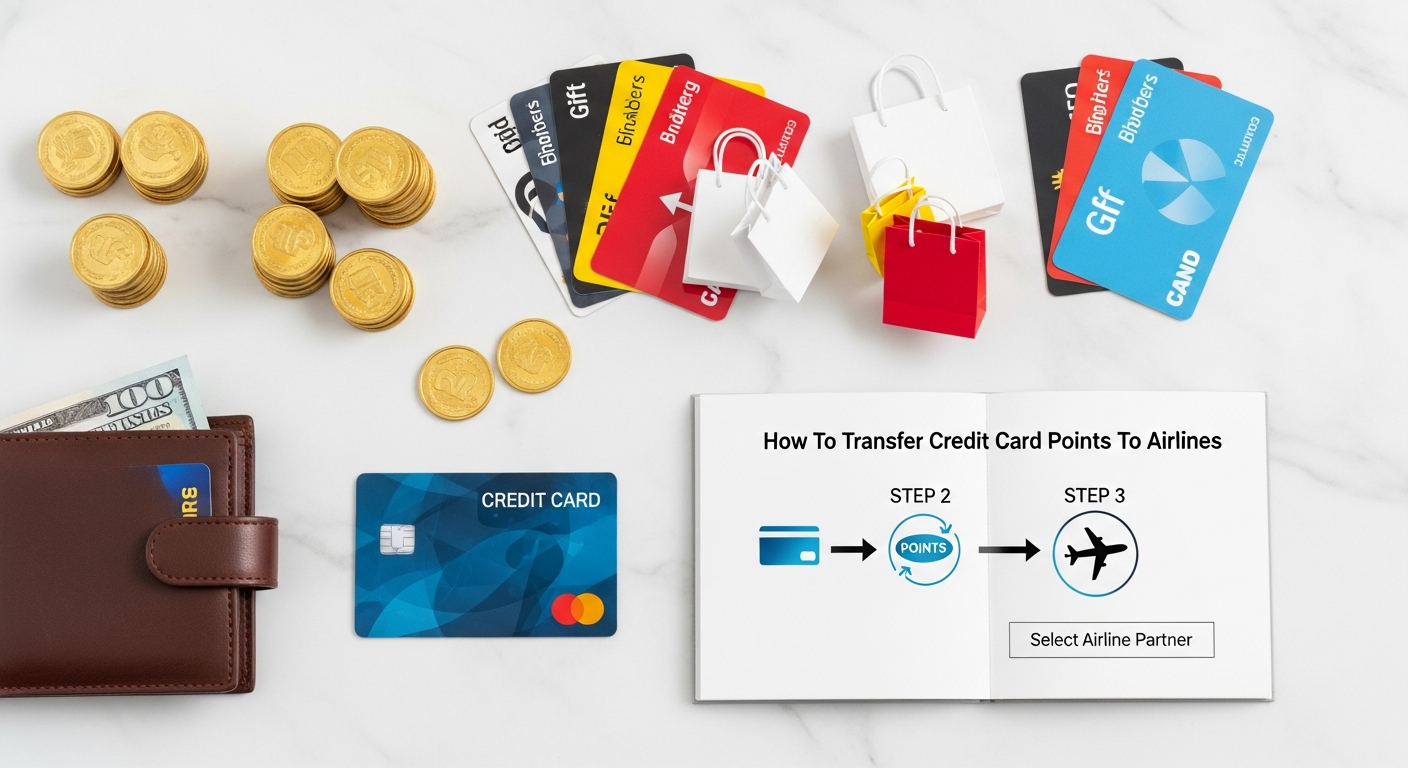
Simply transferring points isn’t enough; true rewards mastery lies in maximizing their value. In 2026, with evolving award charts and dynamic pricing, a strategic approach is more critical than ever. Here are advanced strategies to ensure you get the most out of every point transfer.
Capitalize on Transfer Bonuses
One of the easiest ways to boost your point value is to take advantage of transfer bonuses. Credit card issuers like Amex, Chase, Citi, and Capital One frequently offer promotions where you receive additional miles when transferring points to a specific airline partner. For example, you might see a “20% bonus when you transfer points to Virgin Atlantic,” meaning 1,000 credit card points become 1,200 Virgin Atlantic Flying Club miles. These bonuses can significantly reduce the number of points required for a redemption. Keep an eye on your credit card’s rewards portal and email newsletters for these announcements. Timing your transfers with these bonuses can be a game-changer, making programs that consistently offer such promotions some of the Best Credit Card Rewards Programs 2026.
Identify “Sweet Spots” in Award Charts
A “sweet spot” refers to a particular redemption that offers exceptional value for the number of miles required. These often arise due to:
- Geographic Regions: Some airlines have favorable award rates for specific regions. For instance, using Avianca LifeMiles for Star Alliance flights to Europe or within North Asia can be incredibly cheap.
- Partner Redemptions: Booking flights on partner airlines through a different airline’s loyalty program can sometimes be cheaper than booking directly with the operating airline. For example, using Virgin Atlantic Flying Club miles to book Delta One business class flights can often require fewer miles than booking the same flight directly through Delta SkyMiles. Similarly, using British Airways Avios for short-haul flights on American Airlines can be a fantastic value.
- Fixed Award Charts: While many airlines are moving towards dynamic pricing, some still maintain fixed award charts for certain routes or partners, offering predictable and often lower mileage costs.
Researching these sweet spots requires a bit of homework but pays off immensely. Websites and blogs dedicated to points and miles often publish updated lists of these valuable redemptions.
Avoid Speculative Transfers
As mentioned in the step-by-step guide, do not transfer points to an airline without confirming award availability first. Transfers are almost always irreversible. If you transfer points to an airline and then can’t find the flight you want, those miles are stuck in that airline’s program, subject to its expiration policies and potential devaluations. Always find your award flight, confirm it’s available, and then transfer the exact amount of points needed.
Consider Stopovers and Open-Jaws
Some airline loyalty programs allow for stopovers (a longer layover, typically 24+ hours, in an intermediate city before continuing to your final destination) or open-jaws (flying into one city and out of another, or returning from a different city than where you departed). These can add incredible value and allow you to visit multiple destinations on a single award ticket, often for little or no extra miles. Programs like Air Canada Aeroplan and Singapore Airlines KrisFlyer are known for their generous stopover rules on award tickets. Always check the specific rules of the loyalty program you’re using.
Leverage Alliance Networks
Don’t just think about flying on the airline whose miles you hold. Think about their partners. If you have Chase Ultimate Rewards points, you can transfer them to United Airlines. United is a Star Alliance member, meaning you can use those United miles to book flights on any Star Alliance airline, such as Lufthansa, SWISS, ANA, or Turkish Airlines. This significantly expands your redemption options and often leads to better availability or more favorable pricing.
Understand Dynamic Pricing vs. Fixed Award Charts
Many airlines, like Delta and United, have moved towards dynamic pricing, where the number of miles required for a flight fluctuates with demand and cash prices. This can make it harder to find high-value redemptions. However, other airlines or their partners still use fixed award charts for certain routes. Prioritize programs that still offer fixed award charts, especially for premium cabins, as these are often where the highest per-point values are found. Always compare the cash price of a ticket against the mileage cost to ensure you are getting a good deal.
By employing these strategies, you move beyond basic point redemption and become a true architect of your travel experiences. These tactics are fundamental to extracting maximum value from your credit card rewards and are precisely why programs offering transferable points are consistently rated among the Best Credit Card Rewards Programs 2026 for serious travelers.
Common Pitfalls and How to Avoid Them When Transferring Points
While transferring credit card points to airlines offers immense potential value, it’s a sophisticated strategy that comes with its own set of potential pitfalls. Being aware of these common mistakes and knowing how to circumvent them will save you frustration, wasted points, and potentially significant costs. Here’s how to navigate the trickier aspects of point transfers effectively.
Irreversible Transfers: The One-Way Street
This is arguably the most crucial warning: nearly all point transfers from credit card programs to airline loyalty programs are irreversible. Once your Chase Ultimate Rewards points become United miles, they cannot be converted back to Ultimate Rewards points. This is why the advice to always confirm award availability before transferring is paramount. A speculative transfer can leave you with a balance of miles in an airline program that you can’t use, potentially leading to their expiration or devaluation. Double-check your plans, confirm your flights, and then initiate the transfer.
Varying Transfer Times
While some transfers are instant (e.g., American Express to Delta, Chase to United), others can take anywhere from 24 to 72 hours, or even longer in rare cases (e.g., Citi to Singapore Airlines, Amex to ANA). This delay can be problematic if award space is limited and disappears quickly.
- How to Avoid: Research the typical transfer times for your specific credit card program and airline partner. If the transfer is known to be slow, you might need to find award space that is available further out or be prepared for the risk that it might disappear. Sometimes, calling the airline after transferring can expedite the process, but this is not guaranteed.
Point Expiration Policies
Once points are transferred to an airline, they become subject to that airline’s specific mileage expiration policy. Some airlines have strict expiration rules (e.g., miles expire after 18-24 months of inactivity), while others have more lenient policies (e.g., miles never expire as long as the account is active, or they expire after a longer period like 36 months).
- How to Avoid: Familiarize yourself with the expiration policy of the airline loyalty program you’re transferring to. Plan to use your transferred miles within a reasonable timeframe. Many programs allow you to extend the life of your miles through small activities like earning or redeeming a few miles, but it’s best not to rely on this.
Understanding Fuel Surcharges and Taxes
While award tickets save you from the base fare, you are almost always responsible for paying taxes and government-imposed fees. Additionally, some airlines (notably British Airways, Lufthansa, Virgin Atlantic, and some others) levy significant fuel surcharges on their award tickets, especially for premium cabins. These surcharges can sometimes amount to hundreds or even over a thousand dollars, significantly diminishing the value of your “free” flight.
- How to Avoid: Always check the total cash cost (taxes, fees, and surcharges) before transferring points. If the surcharges are too high, consider booking with a different airline partner that imposes lower or no surcharges (e.g., using Avianca LifeMiles or United miles for Star Alliance flights generally avoids fuel surcharges, even on airlines that usually charge them). This research is part of finding true sweet spots.
Devaluation Risks
Airline loyalty programs can and do devalue their miles. This means that a flight that costs 50,000 miles today might cost 70,000 miles next year. Devaluations can happen with little or no notice, impacting the value of miles you’ve already transferred.
- How to Avoid: While you can’t prevent devaluations, you can minimize their impact by using your transferred miles relatively quickly. Avoid hoarding large balances of miles in any single airline program. Transfer points only when you have a specific redemption in mind. This is another reason why flexible credit card points (from programs frequently listed among the Best Credit Card Rewards Programs 2026) are so valuable – you retain flexibility until you’re ready to book.
Booking the Wrong Class or Award Type
When searching for award flights, ensure you are booking the correct class of service (economy, business, first) and the correct type of award (e.g., “saver” level awards, which are usually cheaper, versus “standard” or “anytime” awards, which cost more miles). Sometimes, an airline’s search engine might default to a more expensive award or even show cash prices.
- How to Avoid: Pay close attention to the details during the booking process. Look for indications like “Saver Award,” “Standard Award,” or specific mileage buckets. If in doubt, call the airline’s reservations line to confirm the award type and mileage requirement before transferring points.
By being diligent and informed about these potential pitfalls, you can navigate the complex world of point transfers with confidence, ensuring your valuable rewards are used effectively and without costly mistakes.
Beyond Direct Transfers: Alternative Strategies and Considerations
While transferring credit card points to airline partners often provides the highest value for premium travel, it’s not the only way to utilize your rewards. Understanding alternative strategies and when they might be more appropriate is key to being a truly smart shopper and rewards maximizer. This section explores other redemption avenues and how they fit into your overall rewards strategy, including insights relevant to Best Store Credit Cards Rewards 2026 and leveraging How To Use Promo Codes And Discounts.
Booking Travel Through Credit Card Portals
Most credit card rewards programs offer their own travel portals where you can book flights, hotels, and car rentals directly using your points.
- Pros:
- Simplicity: It’s a straightforward process, similar to booking through an online travel agency.
- Flexibility: You can book any available flight, not just award space, making it ideal for specific dates or routes with no award availability.
- Fixed Value: Points often have a fixed value (e.g., 1.25 cents per point for Chase Sapphire Preferred or 1.5 cents per point for Chase Sapphire Reserve when booking through the Chase travel portal). This provides a predictable return.
- Cons:
- Lower Value: The fixed value, while predictable, is often lower than what you can achieve through strategic airline transfers, especially for business or first-class travel.
- No Earning Miles: Flights booked through credit card portals are often treated as third-party bookings, which may mean you won’t earn airline miles or elite status credit on those flights.
- When to Use: This option is best for inexpensive economy flights where award space is scarce, or for situations where the cash price is low, and you prefer the simplicity over the potential for higher value from transfers. It’s also a good fallback if you can’t find suitable award availability.
Using Points for Hotels or Other Redemption Options
In addition to airlines, most transferable points programs also partner with hotel loyalty programs (e.g., Chase to Hyatt, Amex to Marriott or Hilton). Hotel transfers can sometimes offer good value, particularly for luxury stays. Beyond travel, points can often be redeemed for cashback, statement credits, gift cards, or merchandise. However, these options almost always yield a lower per-point value than strategic travel redemptions.
- When to Use: Consider hotel transfers if you have a specific, high-value hotel redemption in mind (like a luxury Hyatt stay). Use cashback or gift cards only as a last resort or when you genuinely need the liquidity more than the travel value.
The Role of Best Store Credit Cards Rewards 2026
It’s important to distinguish between flexible travel rewards and specialized retail rewards. While this article focuses on airline transfers, it’s worth noting that Best Store Credit Cards Rewards 2026 serve a different, yet valuable, purpose. These cards typically offer enhanced rewards at specific retailers or for certain categories like groceries or gas. Their points or cashback are usually redeemed directly with the store or for a statement credit, and they generally do not offer the ability to transfer to airline partners.
- Strategic Integration: You might use a store credit card for everyday spending at its affiliated retailer to maximize savings on your regular purchases, while simultaneously using a premium travel credit card for larger expenses to accumulate transferable points for your next big trip. They complement each other, addressing different financial goals.
Leveraging How To Use Promo Codes And Discounts
Even when redeeming points for flights, you might still incur taxes, fees, and surcharges. This is where knowing How To Use Promo Codes And Discounts becomes invaluable.
- For Award Flights: While rare, some airlines occasionally offer promotional codes for reducing the cash portion (taxes/fees) of an award ticket. More commonly, you can use gift cards purchased at a discount to cover these out-of-pocket costs.
- For Cash Tickets or Other Travel Expenses: If you decide to book a cash ticket (perhaps after evaluating that the points value isn’t optimal for a specific route) or need to pay for hotels, rental cars, or activities, always look for promo codes. Websites specializing in deals, email newsletters from travel providers, and browser extensions can help you find applicable discounts. Even booking through your credit card portal might sometimes allow for discount codes.
- For Travel Insurance or Ancillaries: When flying on an award ticket, you’ll still need travel insurance, baggage fees (on some airlines/fares), or seat selection fees. Look for coupons or discounts on these peripheral travel costs to further reduce your overall trip expenses.
By understanding the full spectrum of redemption options and integrating strategies like utilizing store card rewards for specific purchases and actively seeking out discounts, you ensure a holistic approach to maximizing your rewards and minimizing your spending, truly making you a master of smart shopping and travel.
Frequently Asked Questions
Q1: Can I transfer points from any credit card to any airline?▾
Recommended Resources
You might also enjoy How To Create A Marketing Funnel from Page Release.
Explore How To Start A Service Business With No Experience for additional insights.