


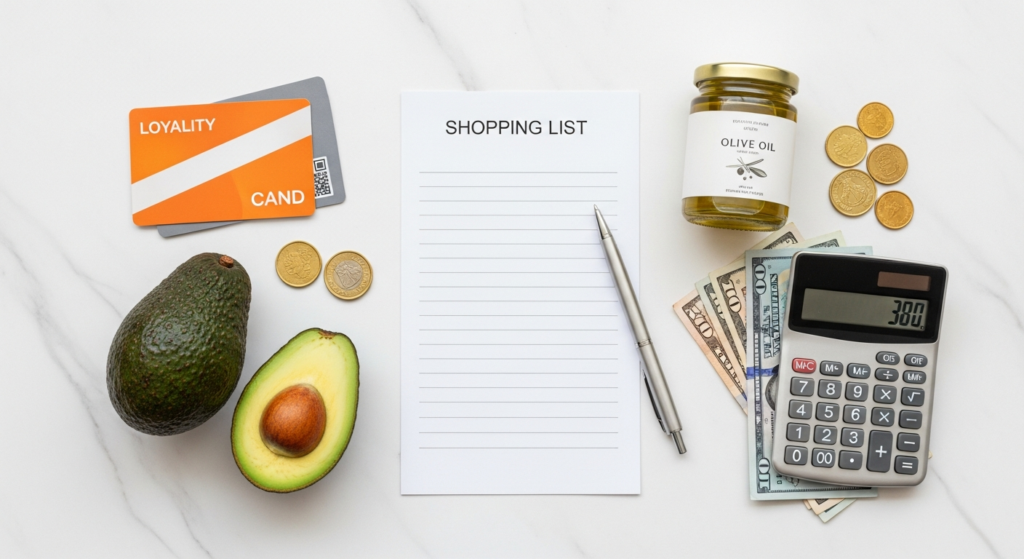
Smart Shopping on a Budget: Your Guide to Saving Money Without Sacrificing Quality
By Sarah Miller | Published: July 25, 2024
In an economic landscape where every dollar counts, the dream of acquiring quality goods and experiences without breaking the bank often feels like an impossible balancing act. Many believe that adhering to a strict budget necessitates a compromise on quality, leading to frustrating trade-offs. However, at Gold Points, we understand that smart shopping isn’t about deprivation; it’s about empowerment, strategic decision-making, and maximizing value. This comprehensive guide will show you how budgeting for smart shopping can transform your financial habits, allowing you to enjoy the best without overspending. Prepare to uncover the secrets to discerning value, leveraging rewards, and making every purchase a strategic win, proving that financial prudence and premium quality can, indeed, go hand-in-hand.
Laying the Financial Foundation: Understanding Your Spending Habits
Before you can become a smart shopper, you must first understand your current financial landscape. Effective budgeting for smart shopping begins with a clear, honest assessment of where your money goes. This initial step is often the most revealing, identifying spending leaks and areas where unconscious habits are draining your wallet. Without this foundation, any attempts at saving money are akin to building a house on sand – ultimately unstable and unsustainable.
The first practical step is to track your expenses diligently for at least a month, ideally two or three. Many people underestimate their spending on small, daily purchases like coffee, snacks, or subscriptions. These “micro-transactions” accumulate rapidly, often surpassing expectations. A recent survey by LendingTree revealed that 69% of Americans impulse buy, with 54% spending at least $100 per month on impulse purchases. Capturing these details is crucial.
Once you have a clear picture of your actual spending, categorize every expense. Typical categories include housing, transportation, food (groceries vs. dining out), utilities, entertainment, personal care, and debt payments. Differentiate between “needs” (rent, essential groceries, utilities) and “wants” (dining out, new gadgets, expensive clothing). This distinction is vital for identifying areas where you can comfortably cut back without feeling deprived.
Next, it’s time to create a realistic budget. A popular method is the 50/30/20 rule: 50% of your income for needs, 30% for wants, and 20% for savings and debt repayment. However, this is just a guideline. Tailor it to your unique circumstances. If you have significant debt, you might allocate a higher percentage to repayment. If your cost of living is particularly high, your “needs” category might be larger. The key is to create a budget that is achievable and sustainable, rather than one that feels restrictive and unattainable. Set specific financial goals, such as saving for a down payment, an emergency fund, or a specific large purchase. These goals provide motivation and a clear purpose for your budgeting efforts.
Finally, regularly review and adjust your budget. Life changes, and so should your financial plan. A new job, an unexpected expense, or a shift in priorities might necessitate recalibrating your spending limits. Treat your budget as a living document, evolving with your financial journey. This ongoing assessment is a cornerstone of effective budgeting for smart shopping, ensuring you stay aligned with your financial objectives while still enjoying the quality goods and services that matter most to you.
Actionable Tips for Budgeting Foundations:
- Track Everything: Use a budgeting app (like Mint, YNAB, or Personal Capital), a spreadsheet, or even a simple notebook to record every single expense for 1-3 months.
- Categorize and Analyze: Group your expenses into clear categories (e.g., housing, food, transport, entertainment) and identify your “needs” versus “wants.”
- Implement a Budgeting Method: Experiment with rules like 50/30/20 or zero-based budgeting to find a system that works for your income and lifestyle.
- Set Clear Goals: Define what you’re saving for (e.g., emergency fund, vacation, debt repayment) to provide motivation and direction for your spending cuts.
- Schedule Regular Reviews: Once a month, sit down to review your budget, compare actual spending to planned spending, and make adjustments as needed.
Mastering the Art of Pre-Shopping Research and Comparison

Once your financial foundation is solid, the next crucial step in budgeting for smart shopping is to become a master of pre-purchase research. Impulse buying is the enemy of a budget-conscious consumer seeking quality. By dedicating time to thorough investigation before opening your wallet, you can ensure every purchase is informed, intentional, and offers genuine value. This proactive approach not only saves money but also significantly enhances satisfaction with your acquisitions.
Begin by defining your needs and priorities. Instead of simply buying “a new laptop,” specify what you need it for: “a laptop with good battery life for travel, sufficient RAM for basic photo editing, and a budget under $800.” This clarity narrows your focus and prevents being overwhelmed by choices. Once your criteria are clear, dive into comprehensive product research.
Start with reputable, independent review sites and consumer publications. Websites like Consumer Reports, Wirecutter, CNET, and Tom’s Guide offer in-depth analyses, comparisons, and long-term testing results for a vast array of products, from electronics to home appliances and even groceries. These sites often highlight the “best value” options, which may not be the cheapest but offer the optimal balance of price, performance, and durability. User reviews on platforms like Amazon, Google Shopping, and specific retailer sites can also provide valuable real-world insights, though it’s wise to read a variety and look for common themes to filter out biased opinions. Pay close attention to reviews discussing product longevity, customer service, and common issues, as these are often indicators of true quality.
Price comparison is another indispensable tool. Never assume the first price you see is the best. Utilize online price comparison engines such as Google Shopping, PriceGrabber, or Shopzilla. Many browser extensions (like Honey or Capital One Shopping) can automatically search for better prices and apply coupon codes at checkout. For specific products, especially electronics, consider using price tracking tools like CamelCamelCamel (for Amazon) or Keepa, which show historical price data, allowing you to determine if a current “deal” is genuinely good or if you should wait for a better sale. Data suggests that prices on e-commerce sites can fluctuate by as much as 20-30% on a daily basis for certain items.
Don’t forget to explore alternatives. Is there a generic brand that offers comparable quality to a premium brand at a fraction of the cost? Can you buy a refurbished item with a warranty that performs just as well as new? For instance, buying refurbished electronics from certified sellers like Apple or Dell can often save you 15-30% while still providing a warranty. Consider the total cost of ownership – a cheaper item that breaks quickly or requires expensive maintenance might be a poorer value than a slightly more expensive, durable alternative. This holistic view of value is paramount in mastering budgeting for smart shopping and ensuring you always get the most for your money.
Practical Steps for Pre-Shopping Research:
- Define Your Needs: Clearly outline the features, specifications, and performance you require from a product before you start looking.
- Consult Independent Reviews: Prioritize trusted sources like Consumer Reports, Wirecutter, and reputable tech/lifestyle blogs for unbiased product analysis and recommendations.
- Read User Reviews Critically: Scrutinize reviews on retailer sites, looking for patterns in feedback regarding quality, durability, and common issues.
- Utilize Price Comparison Tools: Employ websites and browser extensions (e.g., Google Shopping, Honey, Capital One Shopping) to compare prices across multiple retailers.
- Track Price History: Use tools like CamelCamelCamel or Keepa to view historical pricing and identify genuine sales versus inflated markdowns.
- Explore Refurbished or Generic Options: Consider certified refurbished products or high-quality generic brands that offer similar performance at a lower price point, always ensuring a warranty.
Leveraging Loyalty Programs, Rewards, and Cashback for Maximum Savings
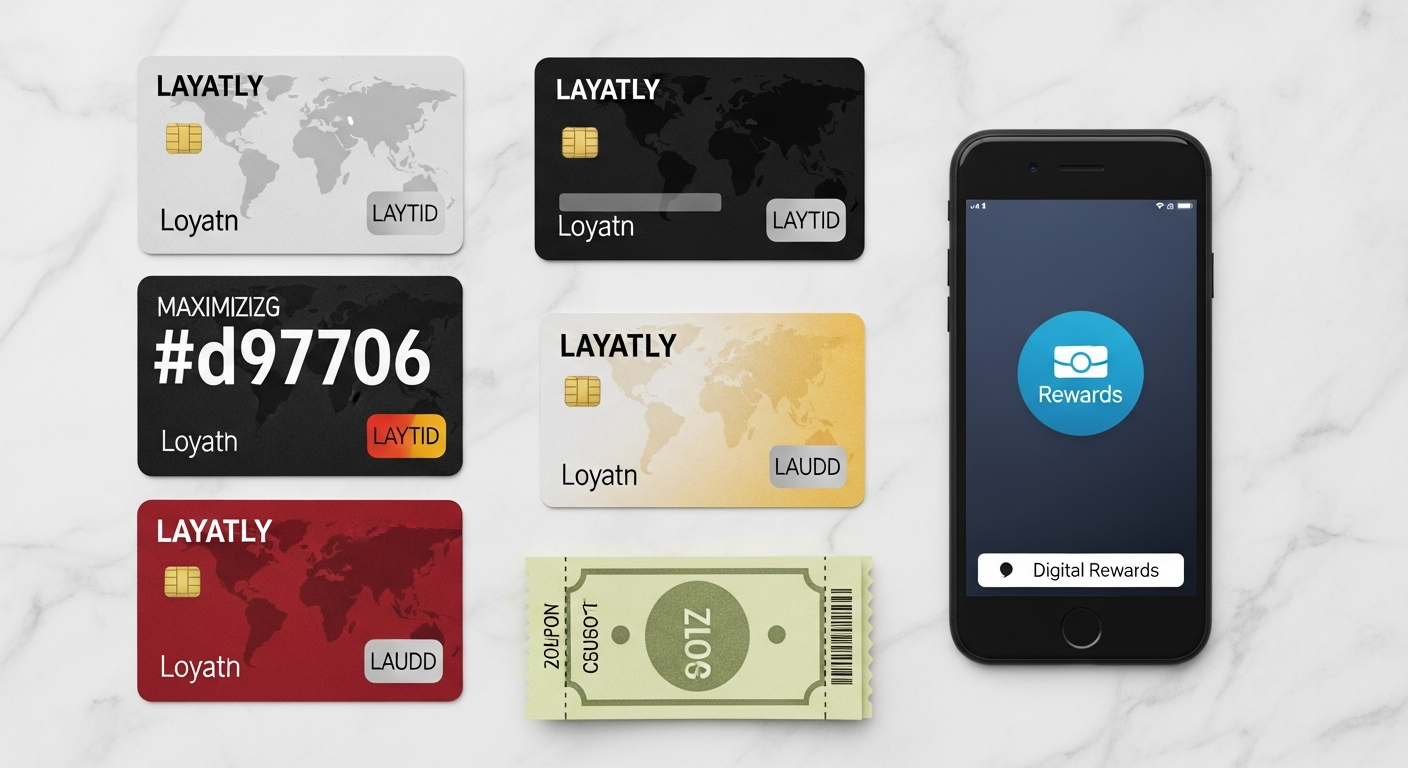
For those committed to budgeting for smart shopping, ignoring the power of loyalty programs, rewards points, and cashback opportunities is akin to leaving money on the table. These mechanisms, when strategically employed, can significantly reduce your overall spending, turning everyday purchases into opportunities for future savings or valuable perks. They represent a sophisticated layer of smart shopping that moves beyond simple price comparison, tapping into the underlying financial incentives offered by retailers and financial institutions.
Loyalty programs are the bedrock of earning consistent rewards. Most major grocery stores, pharmacies, and even apparel retailers offer free loyalty cards or app-based programs. These programs typically provide exclusive member discounts, points for every dollar spent, and sometimes personalized offers based on your purchase history. For example, a grocery store loyalty program might offer 10 cents off per gallon of gas for every $100 spent, or personalized coupons for items you frequently buy. Make sure to sign up for all loyalty programs at stores you frequent and always scan your card or app during checkout. A study by Bond Brand Loyalty found that consumers are members of 16.7 loyalty programs on average, but are only active in 6.7, highlighting a massive missed opportunity for many.
Credit card rewards are another powerful tool, but they require responsible use. For smart shoppers, a rewards credit card isn’t about incurring debt, but about optimizing spending you would make anyway. Look for cards that offer generous cashback percentages or points in categories where you spend the most – typically groceries, gas, dining, or travel. Some cards, for instance, offer 5% cashback on rotating categories that change quarterly, while others provide a steady 2% cashback on all purchases. Understanding a card’s redemption options is crucial: whether points can be converted to statement credit, gift cards, or used for travel can greatly influence their value. Always pay your balance in full and on time to avoid interest charges, which would negate any rewards earned.
Cashback websites and apps add another layer of savings. Platforms like Rakuten (formerly Ebates), TopCashback, and Honey offer a percentage of your purchase back when you shop through their portals. Simply activate the cashback offer before making your purchase at participating online retailers. These services often partner with thousands of stores, providing anywhere from 1% to 20% cashback, effectively reducing the net cost of your items. Stacking these offers – using a cashback site in conjunction with a rewards credit card and a store loyalty program – is the ultimate strategy for maximizing savings. For instance, you could earn 5% cashback from a credit card on an online purchase, an additional 3% cashback from a cashback portal, and store loyalty points all on a single transaction.
Finally, keep an eye out for sign-up bonuses and promotional offers. Many credit cards offer substantial sign-up bonuses (e.g., $200 cashback after spending $500 in the first three months) which can provide an immediate boost to your savings. Similarly, loyalty programs and cashback apps frequently run special promotions for increased points or cashback during specific periods. By actively seeking out and utilizing these myriad reward opportunities, you transform every necessary purchase into a step towards greater financial flexibility, perfectly embodying the principles of budgeting for smart shopping.
Key Strategies for Leveraging Rewards:
- Join All Relevant Loyalty Programs: Sign up for loyalty programs at grocery stores, pharmacies, and retailers you frequent to access member-exclusive pricing and earn points.
- Optimize Credit Card Rewards: Use a rewards credit card for everyday spending, focusing on categories with high cashback percentages or valuable points, and always pay your balance in full to avoid interest.
- Utilize Cashback Websites/Apps: Integrate platforms like Rakuten or TopCashback into your online shopping routine to earn additional percentages back on purchases.
- Stack Offers: Combine loyalty points, credit card rewards, and cashback portal savings on a single transaction whenever possible for maximum benefit.
- Monitor Sign-Up Bonuses and Promotions: Take advantage of new credit card bonuses or temporary increased cashback rates from your preferred programs.
- Understand Redemption Value: Know how your points convert to cash, gift cards, or travel to ensure you’re getting the best possible return on your rewards.
Strategic Shopping: Timing, Bulk Buys, and Discount Exploration
Effective budgeting for smart shopping goes beyond simply finding the lowest price; it involves a strategic approach to when and how you buy. By understanding seasonal sales cycles, the economics of bulk purchasing, and the landscape of discounts, you can make significant strides in reducing your overall expenses without compromising on the quality of goods you bring into your home. This section delves into the tactical elements of smart shopping that, when combined with your budgeting and research efforts, create a formidable saving strategy.
Timing your purchases correctly is paramount. Many products follow predictable sales cycles. For instance, electronics often see significant price drops around major holidays like Black Friday, Cyber Monday, and Amazon Prime Day. Appliances typically go on sale during national holidays (Memorial Day, Labor Day, 4th of July) as new models are introduced. Clothing often goes on sale at the end of each season to clear inventory for the next. Consumer Reports data indicates that buying large appliances in September or October can often yield savings of 20-30% as new models are released. Even groceries have cycles; many stores release new sales circulars weekly, and planning your meals around these sales can save a considerable amount. Learning these cycles allows you to anticipate purchases and avoid paying full price.
Bulk buying, particularly for non-perishable items or those with long shelf lives, can lead to substantial savings per unit. Items like paper towels, toilet paper, cleaning supplies, pantry staples (rice, pasta, canned goods), and frozen foods are excellent candidates for bulk purchases from warehouse clubs (Costco, Sam’s Club) or during large sales at conventional supermarkets. The key here is to calculate the unit price (cost per ounce, per sheet, etc.) to ensure you’re actually getting a better deal. A larger package isn’t always cheaper per unit. Also, consider storage space and potential waste – buying a massive quantity of something you won’t use before it expires is not a saving. For example, buying a 24-pack of paper towels from a warehouse club might save you 15-20% per roll compared to a smaller pack at a regular store.
Beyond sales and bulk, a wide array of discounts awaits the diligent smart shopper. Coupons remain a powerful tool, whether digital or physical. Websites like Coupons.com, RetailMeNot, and the apps of your favorite grocery stores regularly offer digital coupons that can be loaded directly to your loyalty card. Many retailers also offer discounts for signing up for their email newsletters (often 10-15% off your first purchase), student discounts, senior discounts, or military discounts. Always inquire if such discounts are available. Price matching policies are another often-overlooked opportunity; many large retailers will match a competitor’s lower price if you present proof. Don’t be shy about asking if a store offers price matching.
Another crucial aspect of discount exploration involves “open box” or “floor model” deals. For items like electronics or furniture, stores often sell display models or returns at a significant discount, often with the original warranty still intact or a reduced store warranty. Carefully inspect these items for damage and always inquire about the return policy. Similarly, warehouse liquidation sales or outlet stores can offer quality goods at deeply discounted prices, though inventory can be unpredictable. By combining astute timing, judicious bulk purchases, and a relentless pursuit of available discounts, you elevate your budgeting for smart shopping to an advanced level, ensuring premium quality items enter your life at budget-friendly prices.
Actionable Tips for Strategic Shopping:
- Learn Sales Cycles: Research when desired items (electronics, appliances, clothing, home goods) typically go on sale throughout the year and plan purchases accordingly.
- Calculate Unit Prices: When considering bulk purchases, always divide the total cost by the number of units or quantity (e.g., price per ounce, per roll) to determine true savings.
- Leverage Digital and Physical Coupons: Actively seek out and use coupons from websites, store apps, and flyers for both groceries and other retail items.
- Utilize Email Sign-Up Discounts: Get instant savings (often 10-15% off) by signing up for newsletters from your favorite online retailers.
- Ask for Special Discounts: Always inquire about student, senior, military, or professional discounts, as many retailers offer them.
- Explore Price Matching: Check if retailers offer price matching policies and be prepared to show proof of a competitor’s lower price.
- Consider “Open Box” or Outlet Deals: Look for opportunities to purchase floor models, open-box items, or visit outlet stores for significant discounts, ensuring items are inspected and come with a warranty.
Quality Over Quantity: Investing Wisely and Extending Product Lifespan
The ultimate goal of budgeting for smart shopping isn’t just to save money in the short term, but to build a lifestyle where your resources are used efficiently to acquire lasting value. This often translates to a philosophy of “quality over quantity” – a strategic shift from chasing the lowest price to investing wisely in durable, high-quality items that will serve you well over time, ultimately saving you money in replacements and repairs. This approach challenges the consumerist urge for constant novelty and instead champions mindful consumption.
Consider the true cost of an item, not just its sticker price. A pair of cheap shoes might cost $30, but if they fall apart in three months, you’ve spent $120 a year on footwear. A higher-quality pair costing $100, if properly maintained, could last three years or more, reducing your annual cost to under $35. This principle applies to almost everything: clothing, kitchenware, furniture, tools, and even food. Investing in well-made, classic clothing pieces, for example, reduces the need for frequent replacements and ensures a more sustainable wardrobe. A study by the Ellen MacArthur Foundation found that clothing utilization has decreased by 36% over the last 15 years, with garments often being discarded after only 7-10 wears, highlighting the need for a shift towards durability.
Investing wisely means researching materials, craftsmanship, and brand reputation. For clothing, natural fibers like cotton, wool, and linen often last longer than synthetic blends and wear more comfortably. For kitchen tools, stainless steel or cast iron can be lifelong investments. For furniture, solid wood construction will always outlast particleboard. Look for brands known for their durability and commitment to quality, even if their upfront cost is higher. These brands often come with better warranties and customer support, further safeguarding your investment.
Extending the lifespan of your purchases is the flip side of buying quality. Proper maintenance can dramatically increase how long an item lasts.
This includes:
- Following Care Instructions: Laundering clothes according to labels, seasoning cast iron, or regularly cleaning appliances.
- Minor Repairs: Learning basic repair skills (sewing on a button, patching a hole, tightening a screw) can prevent small issues from becoming major replacements. Many items are discarded prematurely due to easily fixable flaws.
- Protective Measures: Using screen protectors for phones, coasters for furniture, or storing items properly can prevent wear and tear.
- Professional Maintenance: For larger investments like cars or major appliances, adhering to recommended service schedules can prevent costly breakdowns and extend operational life.
Furthermore, this mindset encourages mindful consumption and reduces waste, aligning with broader sustainability goals. Before purchasing, ask yourself: “Do I truly need this? Can I borrow it, rent it, or buy it secondhand?” Exploring the secondhand market for quality goods, especially for items like designer clothes, antique furniture, or certain electronics, can yield exceptional value. Websites like eBay, ThredUp, Poshmark, and local consignment shops are treasure troves for high-quality items at a fraction of their original cost. By embracing this “quality over quantity” philosophy and committing to maintenance, your budgeting for smart shopping strategy becomes not just about saving money, but about enriching your life with durable, reliable items that stand the test of time.
Practical Steps for Quality & Longevity:
- Evaluate True Cost: Always consider the item’s potential lifespan and replacement cost, not just the initial purchase price, to assess its long-term value.
- Prioritize Durability: Research materials, construction, and brand reputation, opting for items known for their quality and longevity, even if they cost more upfront.
- Follow Care Instructions: Diligently adhere to manufacturer guidelines for cleaning, maintenance, and storage to extend the life of your possessions.
- Learn Basic Repairs: Acquire fundamental repair skills to fix minor issues, preventing premature replacement of items like clothing, small appliances, or furniture.
- Protect Your Investments: Use appropriate accessories and preventative measures (e.g., cases, covers, filters) to minimize wear and tear.
- Consider the Secondhand Market: Explore thrift stores, consignment shops, and online platforms (eBay, ThredUp) for high-quality, pre-owned items at significant savings.
- Rent or Borrow: For infrequently used items (e.g., specialized tools, formal wear), consider renting or borrowing instead of buying to save money and reduce clutter.
Digital Tools and Apps: Your Allies in Smart Budgeting and Shopping
In the age of digital transformation, an array of powerful tools and applications stands ready to revolutionize your approach to budgeting for smart shopping. These digital allies automate tedious tasks, provide real-time insights, and unlock savings that would be difficult to find manually, making it easier than ever to manage your finances and make informed purchasing decisions. Integrating these technologies into your daily routine is a hallmark of truly smart and efficient money management.
Budgeting apps are perhaps the most fundamental digital tool. Platforms like Mint, YNAB (You Need A Budget), and Personal Capital connect directly to your bank accounts and credit cards, automatically categorizing transactions and providing a comprehensive overview of your spending. They offer features such as budget goal setting, bill reminders, and net worth tracking. Mint, for example, sends alerts for unusual spending or upcoming bills, helping you stay on track. YNAB focuses on giving “every dollar a job,” fostering a proactive approach to budgeting that has helped countless users achieve financial freedom. These apps eliminate the guesswork and manual effort traditionally associated with budgeting, providing clear, actionable data.
For optimizing your shopping, several apps and browser extensions are indispensable. Price comparison tools, as mentioned earlier, are crucial. Browser extensions like Honey or Capital One Shopping automatically search for and apply coupon codes at checkout, potentially saving you a significant percentage on online purchases. Honey, for instance, claims to find an average of 17.9% savings for users at checkout. Price trackers like CamelCamelCamel (for Amazon) or Keepa allow you to monitor specific product prices over time, sending alerts when an item drops to your desired price point, ensuring you never miss a genuine sale. Similarly, coupon aggregator apps like RetailMeNot or Coupons.com centralize digital coupons for both online and in-store use, making it easy to find discounts before you shop.
Cashback apps and websites are another essential component. Rakuten, TopCashback, and Ibotta pay you a percentage back on your purchases at participating retailers. Ibotta, in particular, focuses on groceries, allowing you to earn cash back by scanning receipts or linking loyalty cards. These platforms are incredibly effective when stacked with other discounts and rewards, turning everyday spending into an earning opportunity.
Specific apps designed for comparing grocery prices can also be a game-changer. Apps like Flipp digitize weekly circulars from local stores, allowing you to browse deals and create a shopping list based on sales. This is particularly useful for meal planning, ensuring you buy ingredients when they are at their lowest price.
Finally, consider financial aggregators beyond basic budgeting apps. Personal Capital, for instance, offers more in-depth investment tracking alongside budgeting, providing a holistic view of your financial health. Many banking apps also offer robust budgeting features directly within their platforms, providing convenience and seamless integration with your accounts. By embracing and mastering these digital tools, you automate, optimize, and empower your budgeting for smart shopping, turning what once might have been a chore into an efficient and rewarding process that consistently delivers quality at budget-friendly prices.
Practical Steps for Utilizing Digital Tools:
- Adopt a Budgeting App: Integrate a robust budgeting app (Mint, YNAB, Personal Capital) to automate expense tracking, categorize spending, and set financial goals.
- Install Price Comparison Extensions: Add browser extensions like Honey or Capital One Shopping to automatically find and apply coupon codes and compare prices online.
- Set Price Alerts: Use tools like CamelCamelCamel or Keepa to track historical prices and receive notifications when desired products drop to your target price.
- Utilize Cashback Platforms: Actively use cashback websites and apps (Rakuten, TopCashback, Ibotta) for both online and in-store purchases to earn money back.
- Browse Digital Circulars: Use apps like Flipp to review weekly grocery store circulars and plan your shopping list around the best sales.
- Leverage Retailer Apps: Download the apps for your most frequented stores to access exclusive discounts, loyalty programs, and mobile payment options.
Conclusion: The Path to Empowered Spending and Lasting Value
The journey to becoming a smart shopper on a budget is not a sprint, but a marathon of conscious decisions, strategic planning, and continuous learning. Throughout this guide, we’ve dissected the multifaceted approach required to achieve financial prudence without ever having to compromise on quality. From establishing a solid financial foundation and mastering the art of pre-purchase research to leveraging the power of loyalty programs, timing your purchases strategically, and prioritizing lasting quality, every step builds towards a more empowered and satisfying shopping experience.
Budgeting for smart shopping is ultimately about control – control over your finances, control over your choices, and control over the value you derive from every dollar spent. It’s about shifting from reactive spending to proactive investing in your lifestyle. By consistently applying the actionable tips and insights shared here, you won’t just save money; you’ll cultivate a deeper appreciation for your purchases, reduce waste, and build a more secure financial future.
Remember, smart shopping isn’t a one-time fix; it’s a perpetual mindset. The digital tools available today make this journey more accessible than ever, automating many of the tasks that once seemed daunting. Your commitment to research, strategic timing, and embracing rewards will unlock a world where premium quality is not a luxury, but an attainable standard within your budget.
Ready to transform your shopping habits and elevate your financial well-being? Start today by implementing just one new strategy from this guide. Track your spending for a week, sign up for a loyalty program at your favorite grocery store, or simply take five minutes to compare prices before your next online purchase. The path to saving money without sacrificing quality begins with a single, smart step.
Frequently Asked Questions
How can I stick to my budget while shopping?
▾
Is it really possible to buy quality items on a tight budget?
▾
What are the best apps for smart shopping and budgeting?
▾
How do loyalty programs contribute to smart shopping?
▾
When is the best time to shop for deals?
▾