


The Ultimate 2026 Guide to Manufactured Spending: Is the Juice Worth the Squeeze?
In the high-stakes world of travel hacking, “Manufactured Spending” (MS) remains the most controversial and potentially lucrative strategy in a points enthusiast’s arsenal. At its core, MS is the process of using a rewards-earning credit card to purchase cash equivalents, which are then “liquidated” back into cash to pay off the credit card bill. This cycle allows hobbyists to generate millions of frequent flyer miles and hotel points without increasing their actual net expenses. However, as we navigate the landscape of 2026, the game has evolved. Banks have become more sophisticated, retailers have tightened their policies, and the “easy” wins of a decade ago are largely extinct. This guide dives deep into the mechanics, the risks, and the return on investment to answer the burning question: Is manufactured spending still worth it for the modern traveler?
The Mechanics of Modern Manufactured Spending
To understand if MS is worth your time, you must first understand how the modern “loop” functions. While the methods change monthly as “holes” are plugged by financial institutions, the fundamental architecture remains the same: Acquire, Liquidate, and Recoup.
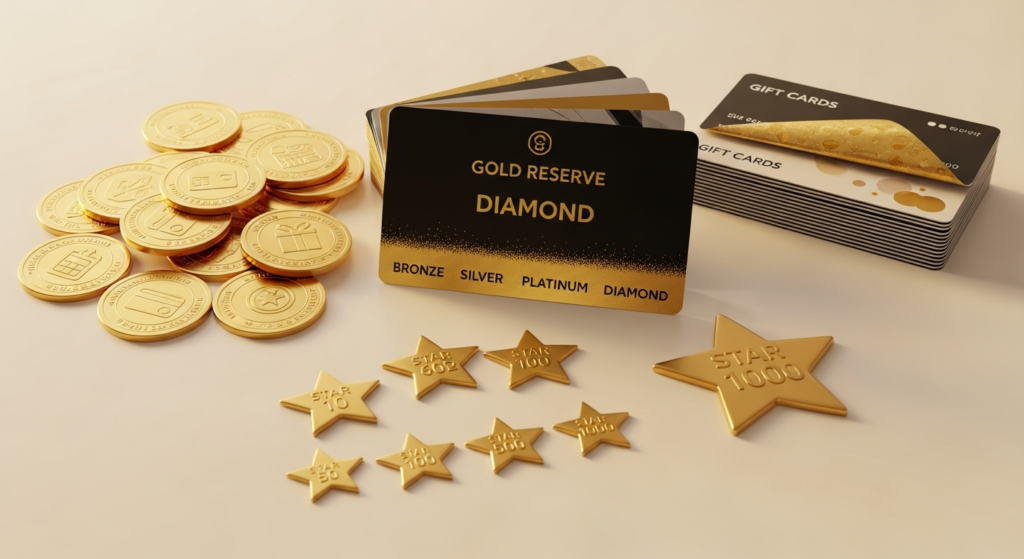
In 2026, the most common entry point remains the purchase of Visa or Mastercard Gift Cards (VGCs/MCGCs) from grocery stores, office supply stores, or pharmacies—especially when these retailers offer “no activation fee” promotions. Once you have these cards, the challenge is “liquidation.” This involves converting the gift card into a form that can pay a credit card bill. Classic methods include purchasing Money Orders (MOs) at grocery stores or post offices, using the cards to fund “Bluebird” or “Serve” style prepaid accounts (where still possible), or paying bills through third-party services like Plastiq or Melio.
Beyond gift cards, advanced practitioners use “Buying Groups.” In this model, you purchase high-demand electronics (like the latest iPhone or gaming console) using your credit card and have them shipped to a professional buyer who reimburses you at cost. You keep the points; they get the inventory. While efficient for meeting Minimum Spend Requirements (MSR), this introduces counterparty risk—the danger that the buying group fails to pay you back.
Calculating the ROI: The Math Behind the Madness
The primary metric for determining if MS is “worth it” is the cost per point. To calculate this, you must weigh the acquisition fees against the value of the rewards earned.
Let’s look at a standard example:
* **Purchase:** A $500 Visa Gift Card at a grocery store.
* **Fee:** $5.95 activation fee.
* **Earnings:** If using a card that earns 1x point per dollar, you earn 506 points for $5.95. This equates to roughly 1.17 cents per point (cpp).
* **Optimization:** If using a card that earns 5x points at grocery stores, you earn 2,530 points for that same $5.95 fee. Your cost drops to 0.23 cents per point.
When you consider that a Business Class flight to Europe might cost 70,000 miles (worth roughly $3,500), and you “bought” those miles at 0.23 cents each through MS, your total cost for that flight is roughly $161 in fees. To a travel hacker, this is an incredible ROI. However, this math only accounts for financial costs. It does not account for the “gas and glass” (fuel and time) required to drive to multiple stores, the stress of a cashier saying “no,” or the potential for a lost or compromised gift card.
The Risk Landscape: Shutdowns and Financial Velocity
The biggest deterrent to Manufactured Spending in 2026 isn’t the fees; it’s the risk of “The Shutdown.” Banks like Chase and American Express have spent millions developing AI-driven “Rat Packs” (Rewards Abuse Teams) designed to identify non-organic spending patterns.
If a bank detects that you are cycling your credit limit multiple times a month or that 90% of your spend is at “category bonus” retailers with no other activity, they may close all your accounts without warning. This not only results in the loss of earned points but can lead to a lifetime ban from that institution.
Furthermore, there is the legal risk of “Structuring.” This is the act of breaking up large cash-equivalent transactions (like money orders) into smaller amounts to avoid federal reporting requirements (the $10,000 threshold). Even if your money is “clean” and earned legally, the act of purposefully keeping transactions under $10,000 to avoid scrutiny is a federal crime. Professional MS practitioners must be meticulous with their record-keeping and transparent with their banks to avoid triggering Suspicious Activity Reports (SARs).
Scalability and the Time-Money Trade-off
The question of “is it worth it” often boils down to your personal “hourly rate.” For a beginner trying to hit a $4,000 Minimum Spend Requirement to trigger a 100,000-point sign-up bonus, MS is almost always worth it. It’s a temporary effort for a massive, one-time gain.
However, for the “Heavy Hitter” attempting to generate 1 million points annually, MS becomes a part-time job. This involves:
1. Sourcing stores that have stock.
2. Managing a “float” of tens of thousands of dollars.
3. Dealing with “drained” gift cards where hackers have stolen the balance before you could use it.
4. The psychological toll of “The Walk of Shame”—being turned away by a manager who recognizes you as a points hunter.
In 2026, many enthusiasts have moved away from high-volume gift card churning toward “Organic MS.” This includes paying federal taxes via credit card (for a ~1.8% fee) or using cards for legitimate business expenses. While the margins are slimmer, the “time cost” is near zero, and the risk of bank shutdown is significantly lower.
Advanced Strategies: Buying Groups and Reselling
For those who find gift card liquidation too tedious, “Reselling” has become the preferred alternative. This involves purchasing products that hold their value well (limited edition sneakers, collectibles, or even bulk household goods) and selling them on platforms like eBay, Amazon, or StockX.
The advantage here is twofold: you generate massive spend on your credit cards, and you potentially turn a profit on the resale, making your points “better than free.” However, this requires expertise in logistics, e-commerce, and market trends. You aren’t just a travel hacker anymore; you’re a small business owner.
Buying groups are the “lazier” version of reselling. You act as a purchasing agent for a larger entity. While this is the most scalable way to manufacture spend in 2026, it is also the most fragile. If the buying group goes bankrupt while holding $20,000 of your inventory, you have very little recourse. Diversification is key; never have more money in the “MS pipeline” than you can afford to lose.
Future-Proofing Your Strategy for the Rest of 2026
As we look toward the future of rewards, “velocity” and “variety” are the two keywords for survival. The days of “pounding” one single method until it dies are over. To stay under the radar of bank algorithms, you must blend your manufactured spend with regular, “organic” transactions. Buy a coffee, pay for a streaming service, and use your card for dining out between your $500 gift card runs.
Diversify your “exit nodes.” Don’t deposit all your money orders into the same bank account where you pay your credit card bill. This is a massive red flag for money laundering patterns. Use a secondary “hub” bank that is friendly to high-volume cash transactions, and then transfer the funds to your primary accounts.
Finally, stay connected to the community. MS methods in 2026 have a shorter shelf life than ever. Private Discord groups and encrypted forums have replaced public blogs as the primary source of “live” data. By the time a method hits a major travel blog, it is likely already being monitored or shut down.
Frequently Asked Questions (FAQ)
#
1. Is Manufactured Spending legal?
Yes, Manufactured Spending is generally legal, provided you are using your own funds and reporting any income generated. However, it can border on illegal activity if it involves “structuring” money order purchases to avoid federal reporting or if it violates the terms of service of your financial institution, leading to account closures.
#
2. Can I get banned from a bank for MS?
Absolutely. Banks like American Express, Chase, and Capital One have “shutdown” departments specifically looking for MS behavior. While not illegal, MS violates the spirit of rewards programs. If a bank decides you are no longer a profitable customer, they can close your accounts and forfeit your points.
#
3. What is the best card for Manufactured Spending in 2026?
The “best” card depends on the category. Cards that offer 5% back or 5x points at grocery stores, office supply stores, or gas stations are the gold standard. Always look for cards with high spending caps and low annual fees to maximize your margins.
#
4. How do I liquidize a Gift Card if my local store stops taking them for Money Orders?
Liquidation is the hardest part of the chain. Alternatives include using the cards to pay bills via services like Plastiq, adding them to digital wallets for peer-to-peer payments (though this often carries high fees), or using them for legitimate everyday spending to “drain” them slowly.
#
5. How much “float” do I need to start MS?
You should never MS with money you don’t have in the bank. Ideally, you should have enough liquid cash to pay off the credit card bill in full even if your liquidation method fails or is delayed. A safe starting float is $2,000 to $5,000.
Conclusion: Is the Juice Worth the Squeeze?
In 2026, the answer to whether Manufactured Spending is “worth it” is no longer a simple yes. For the casual traveler, the risks of bank shutdowns and the complexity of modern liquidation may outweigh the benefits of a few extra thousand miles. However, for the dedicated “Points Pro” who understands the math, manages the risks, and treats the hobby with the discipline of a business, MS remains the single fastest way to travel the world in luxury for pennies on the dollar.
The key to success in 2026 is moderation. MS should be viewed as a tool to supplement your points strategy—perfect for topping off an account for a specific redemption or hitting a massive sign-up bonus—rather than a sustainable long-term replacement for organic spending. If you have the patience for the paperwork and the stomach for the risk, the world of first-class travel is still very much for sale at a significant discount. Just remember: Pigs get fat, hogs get slaughtered. Play the game wisely.