



Understanding Your Rewards Ecosystem: Points, Miles, and Cash Back
Before you can effectively use credit card rewards, it’s crucial to understand the fundamental types of rewards available and how their value can vary. The credit card rewards ecosystem is primarily divided into three categories: cash back, points, and miles. Each offers distinct advantages and disadvantages, and the best choice often depends on your spending habits and financial goals.
Cash Back Rewards: Simplicity and Flexibility
Cash back is arguably the most straightforward reward type. When you earn cash back, you receive a percentage of your spending back, typically as a statement credit, direct deposit, or check. For instance, a card offering 2% cash back on all purchases will return $2 for every $100 spent. Some cards offer flat rates, while others provide elevated cash back percentages in specific spending categories (e.g., 3% on groceries, 5% on rotating categories). The primary appeal of cash back is its simplicity and universal utility. There’s no complex redemption portal, no fluctuating point values, and no need to search for award availability. It’s simply money back in your pocket, which can be used for anything you desire, from paying bills to funding a vacation. This predictability makes cash back an excellent option for those who prefer a no-fuss approach and immediate, tangible savings.
Points Programs: Versatility with Variable Value
Points programs, offered by major issuers like Chase Ultimate Rewards, American Express Membership Rewards, and Capital One Venture Miles, offer greater versatility but often come with more complex redemption strategies. Points are typically earned at a rate of 1 point per dollar spent, with bonus categories offering 2x, 3x, or even 5x points. The true value of a point is not fixed; it depends entirely on how you redeem it. Common redemption options include:
- Cash Back/Statement Credits: Often, points can be redeemed for cash back, but usually at a lower value (e.g., 1 cent per point).
- Travel Bookings through the Issuer’s Portal: Many issuers offer enhanced value when booking travel (flights, hotels, rental cars) directly through their own travel portal. For example, Chase Sapphire Preferred cardholders get 1.25 cents per point when redeeming for travel through Chase Ultimate Rewards.
- Gift Cards: Redemption for gift cards often provides a fixed value, typically around 1 cent per point, though promotional offers can sometimes increase this.
- Merchandise: Generally the lowest-value redemption option, as the effective value per point can be significantly less than 1 cent.
- Transfer to Travel Partners: This is often where points programs shine and offer the highest potential value. Issuers partner with airlines and hotel chains, allowing you to transfer your points directly to their loyalty programs. A single point might transfer to one airline mile or hotel point, but that mile or point could then be redeemed for a flight or hotel stay that provides 2, 3, or even more cents in value. This strategy requires research and flexibility but can yield significant rewards, especially for premium travel experiences.
Understanding these redemption avenues is critical to truly knowing how to use credit card rewards effectively when dealing with points.
Airline Miles and Hotel Points: Specialized Travel Rewards
While often categorized under “points,” airline miles and hotel points usually refer to rewards earned directly within an airline’s or hotel chain’s co-branded credit card program (e.g., United Explorer Card, Marriott Bonvoy Boundless Card). These rewards are specifically designed for travel redemption within that brand’s ecosystem. Like general points programs, their value is variable and depends on the specific redemption. A mile or hotel point can be worth anywhere from less than 1 cent to several cents, depending on the route, class of service, or hotel category and demand. These cards often come with additional travel perks such as free checked bags, priority boarding, elite status benefits, or free night certificates, which can add substantial value beyond the points themselves. They are ideal for loyal travelers who frequently use a specific airline or hotel chain.
Ultimately, the best rewards ecosystem for you depends on your spending patterns, travel aspirations, and willingness to engage with complex redemption strategies. A balanced approach, often involving a mix of cash back for everyday spending and points/miles for aspirational travel, can be the most effective way to maximize your overall returns.
Strategic Earning: Maximizing Every Purchase and Welcome Offer

Earning rewards isn’t just about swiping your card; it’s about making every dollar spent work harder for you. A truly effective rewards strategy involves a keen understanding of bonus categories, welcome offers, and leveraging supplementary earning opportunities. This proactive approach is fundamental to understanding how to use credit card rewards effectively from the ground up.
Leveraging Bonus Categories and Rotating Rewards
Most rewards credit cards offer elevated earning rates in specific spending categories. Common bonus categories include groceries, dining, gas, and travel. For example, a card might offer 3% cash back or 3 points per dollar on dining, while offering 1% or 1 point on all other purchases. To maximize your earning, you should align your spending with these bonus categories. If you have multiple cards, ensure you’re using the card that offers the highest reward rate for each specific purchase type.
Even more dynamic are cards with rotating bonus categories, such as the Chase Freedom Flex or Discover it Cash Back. These cards typically offer 5% cash back (or 5x points) on categories that change quarterly, like Amazon.com, wholesale clubs, or streaming services, usually up to a spending cap (e.g., $1,500 per quarter). Staying on top of these rotating categories and activating them each quarter is crucial. Make it a habit to check your card issuer’s app or website at the start of each new quarter to identify the current bonus categories and plan your spending accordingly. This strategy allows you to supercharge your earning in specific periods.
Mastering Welcome Bonuses and Spending Thresholds
Welcome bonuses are by far the most lucrative way to earn a large chunk of points, miles, or cash back in a short period. These offers typically require you to spend a certain amount within a specified timeframe (e.g., $3,000 in the first three months) to earn a substantial bonus (e.g., 60,000 points or $200 cash back). When you’re considering applying for a new card, the welcome bonus should be a significant factor in your decision. However, it’s paramount to only pursue welcome bonuses for spending you would genuinely incur anyway. Never overspend or carry a balance just to hit a spending threshold, as the interest charges will quickly negate any rewards earned. Instead, plan major purchases, upcoming bills, or even pre-pay eligible expenses (like insurance premiums or utilities if allowed without fees) to meet the requirement naturally.
For those looking to optimize their portfolio, researching the Best Credit Card Rewards Programs 2026 will be key. Keep an eye on new card launches, enhanced welcome offers, and changes to existing program benefits, as issuers frequently update their offerings to attract new cardholders. Staying informed ensures you’re always leveraging the most competitive deals available.
Leveraging Shopping Portals and Merchant Offers
Beyond direct card spending, many issuers offer additional earning opportunities through online shopping portals and targeted merchant offers.
- Shopping Portals: Most major credit card issuers (e.g., Chase, Amex, Capital One) have their own shopping portals. By clicking through these portals before making an online purchase, you can earn additional points or cash back per dollar spent at participating retailers. For example, you might earn an extra 2 points per dollar at a specific clothing store, on top of what your credit card already earns. Websites like Rakuten (which offers cash back or Amex Membership Rewards points) also serve a similar function. Always check these portals before making an online purchase.
- Merchant Offers: Programs like Amex Offers and Chase Offers provide targeted discounts or bonus points/cash back when you use your enrolled card at specific merchants. These offers are usually opt-in, so you need to actively add them to your card before making a purchase. They can range from a percentage off your total purchase to a fixed statement credit after spending a certain amount. Regularly checking and adding these offers can lead to significant extra savings and rewards without changing your spending habits.
By diligently combining these earning strategies—optimizing category spending, strategically pursuing welcome bonuses, and utilizing shopping portals and merchant offers—you can significantly accelerate your rewards accumulation, setting the stage for truly impactful redemptions.
Redemption Mastery: Getting the Most Value for Your Gold Points
The Cash Back Conundrum: Simple vs. Strategic
For cash back cards, redemption is usually straightforward: take the cash. Whether it’s a statement credit, direct deposit, or check, the value is typically fixed (e.g., 1 cent per point). However, even here, a strategic approach can yield better results. For instance, some cards offer a slightly higher redemption rate if you redeem for a specific purpose, though this is less common. The key with cash back is to redeem regularly to ensure you’re benefiting from your earnings and not letting them sit idle.
Unlocking Premium Value with Points and Miles
When it comes to points and miles, the decision becomes more complex but offers far greater potential. The primary redemption options, from lowest to highest potential value, are generally:
- Merchandise and Gift Cards: These are almost universally the worst redemption options. You rarely get more than 0.8-1 cent per point, and often much less. Avoid these unless absolutely necessary.
- Cash Back/Statement Credit: While convenient, redeeming transferable points for cash back often yields a fixed 1 cent per point, which is generally lower than what you could achieve through travel redemptions.
- Travel Booked Through the Issuer’s Portal: Many issuers, like Chase with their Ultimate Rewards portal, offer an enhanced value for points when redeemed for travel directly through their platform. For example, Chase Sapphire Preferred cardholders get 1.25 cents per point for travel bookings, while Sapphire Reserve cardholders get 1.5 cents per point. This is a solid, easy-to-use option for those who want straightforward travel redemption without delving into airline/hotel loyalty programs.
- Transferring to Travel Partners: The Gold Standard: This is where the magic happens for advanced rewards users. Transferring points to airline and hotel loyalty programs often provides the highest per-point value, especially for business or first-class flights and luxury hotel stays. For example, transferring 100,000 Chase Ultimate Rewards points to United Airlines miles and redeeming them for a business class flight could yield a value of 2-5 cents per point, far exceeding the 1.25 or 1.5 cents offered through the portal. Similarly, transferring to hotel partners like Hyatt can provide exceptional value for high-end stays.
To master this, you need to:
- Research Transfer Partners: Understand which airlines and hotels partner with your credit card issuer and what their award charts look like.
- Identify Sweet Spots: Some loyalty programs have “sweet spots” where certain routes or hotel categories offer disproportionately good value for miles/points.
- Be Flexible: Award availability, especially for premium cabins, can be limited. Flexibility with your travel dates and destinations significantly increases your chances of finding high-value redemptions.
- Compare Values: Always compare the cash cost of a flight or hotel against the points cost. Divide the cash cost by the number of points required to determine your “cents per point” value. If it’s significantly higher than 1.5 cents (for premium travel), you’re likely getting a great deal.
For example, if a flight costs $500 cash or 25,000 points, your redemption value is 2 cents per point ($500 / 25,000 points). If you could have redeemed those 25,000 points for $250 cash back (1 cent per point), then using them for the flight provides double the value.
By diligently researching and strategically redeeming your points, you transform them from a simple discount into a powerful currency capable of funding incredible experiences. This is the essence of true redemption mastery.
Navigating the Pitfalls: Avoiding Expiration and Fees
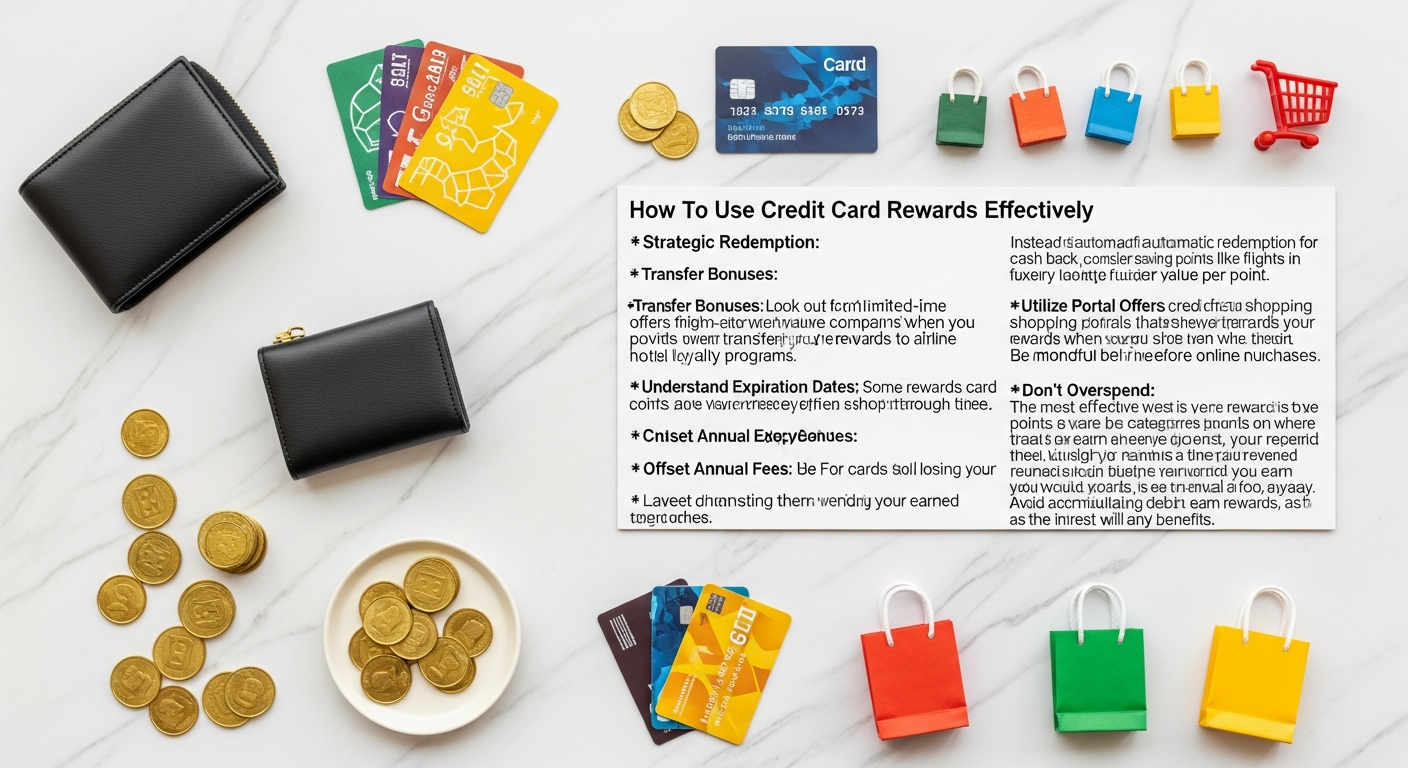
While credit card rewards offer immense value, they also come with potential pitfalls that can erode their benefits if not managed carefully. Understanding and proactively addressing issues like point expiration and annual fees is crucial for a truly effective rewards strategy. This section directly addresses How To Avoid Credit Card Rewards Expiring and ensures you’re not paying more than you gain.
How To Avoid Credit Card Rewards Expiring
One of the most frustrating experiences for a rewards enthusiast is discovering that hard-earned points or miles have expired. While many major transferable points programs (like Chase Ultimate Rewards or American Express Membership Rewards) have points that generally do not expire as long as your account remains open and in good standing, this is not a universal rule. Specific airline or hotel loyalty programs, or even certain cash back programs, can have expiration policies.
- Know Your Program’s Policy: The first and most critical step is to read the terms and conditions of each rewards program you participate in. Some programs expire points after a period of inactivity (e.g., 18-24 months without earning or redeeming activity), while others have a hard expiration date regardless of activity.
- Maintain Activity: For programs with activity-based expiration, simply earning or redeeming a small amount of points can reset the expiration clock. Make a small purchase on a co-branded airline card, transfer a minimal amount of points, or even redeem for a small gift card to keep your account active.
- Transfer Points: If you have points about to expire in a specific airline or hotel program, and you don’t have immediate plans to use them, consider transferring them to another partner program if possible, or transferring points from your credit card issuer to that program to trigger activity. Be mindful of transfer times.
- Consolidate Points: If a program allows family pooling, consider transferring points to a family member’s account that has more frequent activity.
- Set Reminders: Use calendar reminders to periodically check your rewards balances and their expiration dates, especially for programs that are not your primary focus.
- Consider Card Downgrades: If you’re closing a credit card, ensure you redeem or transfer any associated rewards first. Downgrading to a no-annual-fee version of the same card family can often preserve your points while eliminating the fee.
Proactive management is the best defense against rewards expiration. Don’t let your valuable gold points turn into dust!
Managing Annual Fees: When Are They Worth It?
Many of the most rewarding credit cards come with annual fees, ranging from under $100 to over $500. For new rewards users, these fees can seem daunting, but they are often justified by the benefits they provide. The key is to evaluate whether the value of the rewards, perks, and statement credits you receive outweighs the annual fee.
- Calculate Your Return: Estimate how much value you’ll get from the card’s bonus categories, welcome offer (in the first year), and especially its benefits. Common benefits include travel credits (e.g., $300 travel credit, TSA PreCheck/Global Entry credit), lounge access, free checked bags, elite status, and free night certificates. If the sum of these benefits and your expected rewards earnings exceeds the annual fee, the card is likely worth it.
- Utilize All Benefits: To justify a high annual fee, you must actively use the card’s benefits. For example, if a card offers a $200 airline credit, ensure you use it. If it offers lounge access, take advantage of it when you travel. Unused benefits are wasted money.
- Consider Downgrading or Canceling: If, after a year or two, you find you’re not getting enough value to offset the annual fee, consider your options.
- Downgrade (Product Change): Often, you can downgrade to a no-annual-fee version of the same card family (e.g., from Chase Sapphire Reserve to Chase Freedom Unlimited). This allows you to keep your account history (benefiting your credit score) and often retain your points, especially with transferable points programs.
- Cancel: If no suitable downgrade option exists, and you’ve redeemed all your rewards, canceling the card might be appropriate. Be mindful of the impact on your credit utilization and average age of accounts if it’s one of your older cards.
Remember, the golden rule of credit card rewards is to pay your balance in full every month. Any interest accrued will quickly negate any rewards earned, turning a profitable strategy into a costly one. An annual fee is an investment; ensure you’re getting a positive return.
Advanced Strategies: Stacking, Pooling, and Optimization
Once you’ve mastered the basics of earning and redeeming, you can elevate your rewards game with advanced strategies that involve combining multiple cards, leveraging loyalty programs beyond credit cards, and continuously optimizing your approach. This is where you truly learn how to use credit card rewards effectively in a sophisticated manner.
Building a Synergistic Card Portfolio
Instead of relying on a single credit card, advanced rewards users build a portfolio of cards that complement each other, covering various spending categories with optimal earning rates. This often involves a combination of:
- A Premium Travel Card: Such as the Chase Sapphire Reserve or Amex Platinum, which offers high earning rates on travel and dining, valuable transfer partners, and premium perks (lounge access, travel credits).
- A Daily Driver with Strong Everyday Earning: A card like the Chase Freedom Unlimited (1.5x on all purchases) or Capital One Venture X (2x on all purchases) ensures you’re getting a solid return on non-bonus category spending.
- Category-Specific Bonus Cards: Cards that offer elevated rewards in categories where you spend heavily, such as a grocery card (e.g., Amex Gold for 4x at US supermarkets), a gas card, or a card with rotating 5% categories.
The goal is to always use the right card for the right purchase. This means knowing your cards’ bonus categories by heart and making conscious decisions at the point of sale. For example, if you’re at a restaurant, use your card that offers 3x or 4x points on dining. If you’re buying groceries, use your card with the highest grocery multiplier. This “wallet optimization” is key to maximizing earning potential.
The Power of Point Pooling and Family Strategies
Some credit card issuers allow you to combine or “pool” points across different cards within the same household or even transfer points to authorized users. This can be incredibly valuable for several reasons:
- Meeting Redemption Minimums: If one person doesn’t have enough points for a desired redemption, pooling points with a partner can help reach the threshold faster.
- Leveraging Higher Redemption Values: In some cases, points from a lower-tier card can be transferred to a premium card within the same issuer’s ecosystem, unlocking higher redemption values. For instance, Chase Freedom Unlimited points can be combined with Chase Sapphire Preferred or Reserve points, allowing them to be transferred to travel partners for potentially higher value.
- Avoiding Expiration: As discussed in the previous section, pooling or transferring points to an active account can help prevent expiration in certain programs.
Always check your issuer’s specific rules for point pooling and transfers, as policies can vary.
Leveraging Companion Benefits and Loyalty Programs
Your credit card rewards strategy shouldn’t exist in a vacuum. It should integrate with other loyalty programs you participate in. Many co-branded airline and hotel credit cards offer benefits that stack with your loyalty status. For instance:
- Companion Passes: Cards like the Southwest Rapid Rewards Companion Pass (earned through specific card spending or points accumulation) can provide incredible value, allowing a designated companion to fly with you for just the cost of taxes and fees.
- Elite Status Boosts: Some hotel cards offer automatic elite status or spending credits that accelerate your path to higher status, unlocking perks like free breakfast, room upgrades, and late check-out.
- Synergy with Retailer Programs: Consider how your credit card rewards can enhance other loyalty programs. For example, if you frequently shop on Amazon, understanding the Amazon Prime Benefits Worth It Guide can help you integrate your Amazon Prime Visa card for maximum cash back on Amazon purchases, while also leveraging the free shipping and streaming benefits of Prime. Similarly, using a card that offers bonus points on streaming services can effectively subsidize your Prime Video subscription.
By viewing your credit cards as part of a broader loyalty ecosystem, you can amplify the benefits across all your programs, creating a powerful synergy that maximizes your overall value.
Future-Proofing Your Rewards Strategy: What to Look for in 2026
The world of credit card rewards is dynamic, constantly evolving with new card offerings, changing redemption values, and shifting consumer preferences. To truly understand how to use credit card rewards effectively, you must adopt a forward-looking mindset, ready to adapt your strategy to future trends and opportunities. Looking ahead to 2026, several key areas will shape the landscape of rewards programs.
The Rise of Personalized and Dynamic Rewards
Expect to see an increasing emphasis on hyper-personalized rewards. Credit card issuers are leveraging data analytics to offer tailored bonus categories, merchant offers, and even redemption opportunities based on individual spending patterns and preferences. This means regularly checking your card’s app or online portal for customized offers will become even more crucial. Dynamic redemption options, where the value of points might fluctuate based on demand or specific promotions, could also become more prevalent, requiring cardholders to be vigilant and opportunistic in their redemptions.
Sustainability and Social Impact Rewards
As consumer awareness around environmental and social issues grows, expect to see more rewards programs incorporating sustainability initiatives. This could manifest as bonus points for spending at eco-friendly businesses, options to redeem points for charitable donations with a matching component, or even cards made from recycled materials. Some innovative programs might even offer carbon offset options for travel redemptions. For the ethically conscious consumer, these will be important factors when researching the Best Credit Card Rewards Programs 2026.
The Evolving Travel Landscape
The travel industry continues to adapt, and so will travel rewards. While traditional airline and hotel transfer partners will remain valuable, expect to see more flexibility in redemption options, potentially including alternative travel experiences (e.g., glamping, unique local tours) or even broader “experience” redemptions that go beyond standard flights and hotels. The value of travel insurance and trip protection benefits offered by premium cards will also likely remain a significant draw, especially as travel becomes more unpredictable.
Digital Wallets and Contactless Payments
The continued dominance of digital wallets (Apple Pay, Google Pay, Samsung Pay) and contactless payments will influence how rewards are earned. Cards that offer bonus rewards for using these payment methods, or cards that seamlessly integrate with loyalty programs via digital wallets, will gain prominence. Ensure your chosen cards are compatible and optimized for your preferred payment methods.
Continuous Research and Adaptation
The most important future-proofing strategy is a commitment to continuous learning and adaptation. Regularly review your card portfolio, assess your spending habits, and research new card offerings and program changes. Don’t be afraid to churn cards strategically (applying for a new card, earning the welcome bonus, and then re-evaluating its place in your wallet after a year) if it aligns with your financial goals and credit health. Stay informed by reading financial blogs like Gold Points, industry news, and forums to spot emerging trends and the best new opportunities.
By understanding these potential shifts and maintaining a flexible, informed approach, you can ensure your credit card rewards strategy remains robust and continues to deliver exceptional value in 2026 and beyond.
Frequently Asked Questions
How often should I review my credit card rewards strategy?▾
Is it better to get cash back or travel points?▾
What’s the best way to use a welcome bonus?▾
Can credit card rewards negatively impact my credit score?▾
How do I know if my credit card’s annual fee is worth it?▾
Are all rewards points valued equally?▾
Recommended Resources
Related reading: Best Tools For Business Communication In 2025 (Kacerr).
For more on how to use, see How To Run Google Ads For Beginners on Page Release.