


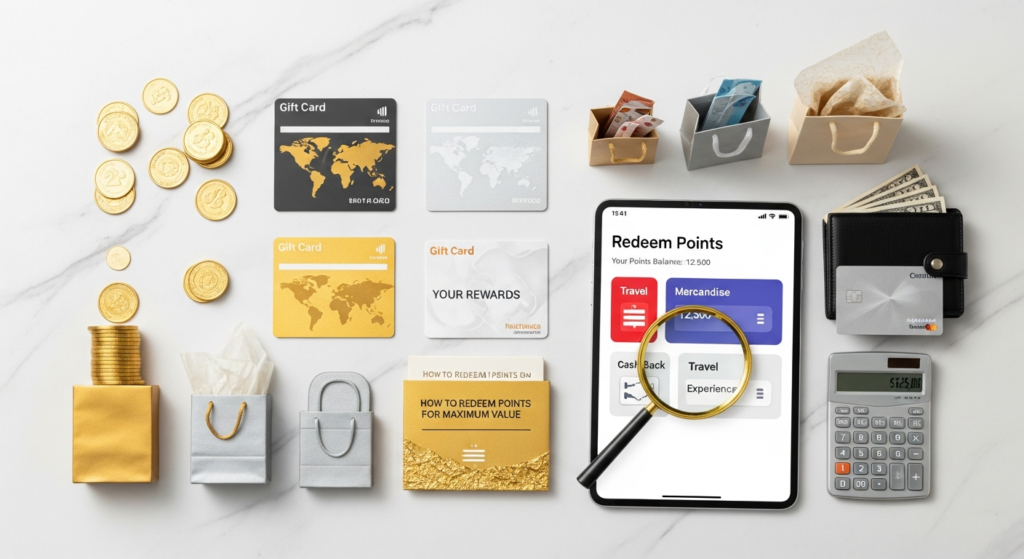
Understanding Your Points and Programs: The Foundation of Maximum Value
Before you can strategically redeem your points, you must first understand the currency you possess and the ecosystem in which it operates. Not all points are created equal, and their inherent value can fluctuate dramatically depending on the program, the redemption method, and even market conditions. Grasping these fundamentals is the critical first step towards unlocking unparalleled value.
The Different Types of Points Currencies
- Bank Rewards Points: These are often the most flexible, issued by major financial institutions like Chase, American Express, Citi, and Capital One. Examples include Chase Ultimate Rewards, Amex Membership Rewards, Citi ThankYou Points, and Capital One Miles. Their flexibility often stems from their wide array of transfer partners.
- Airline Miles: Specific to individual airlines (e.g., United MileagePlus, Delta SkyMiles, American AAdvantage). While excellent for flights on that airline or its partners, their utility is generally more confined.
- Hotel Loyalty Points: Issued by hotel chains (e.g., Marriott Bonvoy, Hilton Honors, Hyatt Globalist). Best for free night stays within their respective brand portfolios.
- Cash Back Rewards: While often presented as a percentage back on spending, some programs allow you to convert points into cash back. This is generally a straightforward, albeit often lower-value, redemption.
- Retailer/Merchant Points: Loyalty programs specific to stores (e.g., Starbucks Rewards, Sephora Beauty Insider, Amazon Prime Rewards). These are typically tied to purchases within that specific brand.
Calculating Point Value: The Cents Per Point (CPP) Metric
To truly understand the worth of your points, you need to calculate their “cents per point” (CPP) value for various redemption options. This metric allows for a direct comparison across different programs and redemption types. The formula is simple:
(Redemption Value in Cents / Number of Points Used) = Cents Per Point (CPP)
For example, if you redeem 50,000 points for a flight that would otherwise cost $1,000 (100,000 cents), your CPP is (100,000 / 50,000) = 2 CPP. A general rule of thumb:
- 0.5 – 0.8 CPP: Typically considered poor value (e.g., merchandise, gift cards, statement credits).
- 1.0 CPP: Often the baseline for cash back or booking travel through a bank’s portal.
- 1.5 – 2.0+ CPP: Excellent value, often achieved through strategic travel redemptions or transfer partners.
Regularly evaluating the CPP of your points for various options is crucial for maximizing their value. While some programs like those featured in the Best Credit Card Rewards Programs 2026 guide consistently offer strong baseline value, understanding how to push beyond that baseline is where true optimization lies.
Strategic Redemption: Beyond the Basics for Higher Value


Many points earners fall into the trap of convenience, opting for the easiest redemption options without considering their true value. To redeem points for maximum value, you must look beyond the default choices and understand which redemptions are strategic and which are simply wasteful.
Avoiding Low-Value Redemptions
- Merchandise: Redeeming points for physical goods, whether through a bank’s rewards portal or a specific retailer, almost invariably offers abysmal value, often falling well below 1 CPP. The retail price of an item is rarely matched by its point cost.
- Gift Cards: While seemingly practical, gift card redemptions usually provide a fixed, often low, CPP (e.g., 10,000 points for a $100 gift card = 1 CPP). Unless you have a specific, urgent need for a gift card and no other better options, these are generally best avoided.
- Statement Credits/Cash Back: For many programs, converting points directly to a statement credit or cash back offers a fixed, often mediocre, CPP (e.g., 0.5-1 CPP). While convenient for reducing your bill, it’s rarely the path to maximum value, especially for travel-focused points.
- Paying with Points at Checkout: Options like “Pay with Points” at Amazon often provide a mere 0.7-0.8 CPP. While the Amazon Prime Benefits Worth It Guide highlights many advantages of Prime, using your general rewards points for Amazon purchases directly through this method is usually a poor redemption strategy. It’s often better to earn points on your Amazon purchases and then redeem them elsewhere for higher value.
Embracing Higher-Value Redemptions
The core principle of maximizing point value often revolves around leveraging points for experiences or goods that have a high cash equivalent but are difficult to justify paying for directly. This typically means focusing on travel, but other options can exist:
- Travel Bookings Through Portals: Many bank rewards programs offer their own travel portals (e.g., Chase Ultimate Rewards Travel Portal, Amex Travel). Booking flights, hotels, or rental cars through these portals can sometimes yield better than 1 CPP, especially if you hold a premium credit card that offers a redemption bonus (e.g., Chase Sapphire Reserve often gives 1.5 CPP on travel booked this way). This is a solid option when direct transfers to airline or hotel partners don’t make sense for your specific travel plans.
- Experiences: Some loyalty programs offer unique experiences or events that can provide disproportionate value, especially if they are exclusive or highly sought after. These are less about a strict CPP calculation and more about the intrinsic value of the experience itself.
The key takeaway is to be mindful and strategic. Always compare the cash cost of what you want to redeem against the points cost, and calculate the CPP to ensure you’re getting a favorable return. Patience and flexibility are virtues when aiming for peak redemption value.
The Power of Transfer Partners: Unlocking Elite Value
What Are Transfer Partners?
Transfer partners are airlines or hotel chains that have agreements with major credit card rewards programs. For example, Chase Ultimate Rewards points can be transferred to United Airlines, Southwest Airlines, Hyatt Hotels, Marriott Bonvoy, and more. American Express Membership Rewards boasts an even wider array of airline partners globally.
The magic happens when the value you get from a specific airline mile or hotel point (after transferring) is much higher than what you would get by redeeming your original bank points for cash or through a portal. This is particularly true for premium cabin flights (business or first class) and luxury hotel stays, where the cash price can be exorbitant but the points cost relatively low.
How to Maximize Value with Transfer Partners
-
Identify & Research Sweet Spots:
Every airline and hotel loyalty program has its “sweet spots”—redemptions that offer exceptional value for a relatively low number of points. This often involves:
- Specific Routes or Regions: Some airlines offer better award rates for certain routes or within specific regions compared to others.
- Premium Cabins: The highest CPP is almost always found when redeeming for business or first-class flights, where the cash price is exponentially higher than economy, but the points difference is often less dramatic.
- Luxury Hotel Stays: Redeeming hotel points for high-end properties can yield excellent value, especially during peak seasons or for extended stays where cash prices would be prohibitive.
- Off-Peak Awards: Many programs offer reduced award rates during off-peak seasons, presenting a fantastic opportunity for savings.
-
Look for Transfer Bonuses:
Credit card programs frequently offer promotional transfer bonuses, adding an extra percentage of points when you transfer to a specific partner. For example, a 25% transfer bonus means 1,000 bank points become 1,250 airline miles. These bonuses can significantly amplify your redemption value and are prime opportunities to transfer points for future travel.
-
Check Award Availability Before Transferring:
This is a critical step. Award space (seats available for points redemption) is often limited, especially for popular routes and premium cabins. Always confirm that the flight or hotel room you want is available for points redemption with the specific airline or hotel program before you initiate a transfer from your credit card rewards account. Transfers are almost always irreversible.
-
Understand Transfer Ratios:
Most transfers are 1:1 (e.g., 1,000 Chase points = 1,000 United miles), but some can vary (e.g., Marriott Bonvoy points often transfer to airlines at a 3:1 ratio, but with a bonus if you transfer in larger increments). Always know the ratio before you commit.
-
Be Mindful of Expiration and Devaluation:
While bank points are generally stable, airline miles and hotel points can be subject to dynamic pricing and program devaluations. Transferring points means they are now subject to the partner program’s rules, including potential expiration policies. This connects directly to the importance of understanding How To Avoid Credit Card Rewards Expiring—ensure you’re aware of the specific rules of the program you’re transferring to.
The flexibility offered by programs frequently highlighted in the Best Credit Card Rewards Programs 2026 analysis, particularly those with a robust list of transfer partners, underscores why they are so highly rated. Mastering the art of transfer partners is arguably the single most effective strategy for achieving maximum value from your credit card rewards.
Maximizing Value with Travel Redemptions: Flights and Stays
Travel is overwhelmingly where you will find the highest redemption value for your points. While a dollar is always a dollar, the cash cost of a premium flight or a luxury hotel stay can be disproportionately high compared to the points required, especially when redeemed strategically.
Flights: Flying High on Points
-
Premium Cabin Redemptions:
This is the holy grail for many points collectors. A business or first-class international ticket can cost thousands of dollars, but often only requires a fraction more points than an economy ticket. For example, a $5,000 business class flight for 100,000 points yields 5 CPP, while a $1,000 economy flight for 50,000 points yields 2 CPP. The value proposition for premium travel is clear.
-
Leverage Airline Alliances:
Don’t limit yourself to the direct transfer partner. Airlines belong to alliances (Star Alliance, Oneworld, SkyTeam). You can often book flights on partner airlines using the miles of a different airline within the same alliance. This expands your options and can uncover better award availability or rates.
-
Find Award Chart Sweet Spots:
Some older airline loyalty programs still use fixed award charts, which can have “sweet spots”—regions or routes that are disproportionately cheap in points compared to their cash value. Even with dynamic pricing becoming more common, searching for these can yield incredible deals.
-
Consider Stopovers and Open-Jaws:
Many airline programs allow for free or low-cost stopovers (a layover of more than 24 hours) or open-jaws (flying into one city and out of another) on award tickets. This can allow you to visit multiple destinations for the points cost of a single round-trip, significantly enhancing value.
-
Beware of Fuel Surcharges:
Some airlines (notably British Airways, Lufthansa, Virgin Atlantic) levy significant fuel surcharges on award tickets, which can substantially negate the value of your points. Always factor these cash costs into your overall redemption value.
Hotels: Luxurious Stays for Less
-
Fifth Night Free & Other Perks:
Major hotel loyalty programs often offer a “fifth night free” benefit when redeeming points for four consecutive nights (e.g., Marriott Bonvoy, Hilton Honors). This instantly boosts your redemption value by 20%. Other programs might offer elite status perks like free breakfast, room upgrades, or late checkout, which add tangible value to your stay.
-
Target High-End Properties:
Similar to premium flights, redeeming points for luxury hotels typically offers the best CPP. A $700/night hotel for 50,000 points (1.4 CPP) is often a better deal than a $150/night hotel for 20,000 points (0.75 CPP).
-
Off-Peak vs. Peak Pricing:
Many hotel programs have dynamic or tiered award pricing based on demand. If your travel dates are flexible, aim for off-peak periods to use fewer points for the same room. This is a crucial strategy for maximizing your hotel point value.
-
Utilize Free Night Certificates:
Many premium hotel credit cards offer annual free night certificates. These certificates, often capped at a certain point value or category, can be immensely valuable, especially if used at properties just below their maximum redemption threshold. Stack these with points for longer stays or use them for standalone luxury nights.
-
Consider Brand-Specific Promotions:
Hotel chains frequently run promotions for earning bonus points or discounted award stays. Stay informed about these offers to time your redemptions for optimal value.
Whether you’re planning an ambitious round-the-world trip or a relaxing weekend getaway, strategic use of points for travel is the most consistent method to achieve superior value. It transforms otherwise expensive experiences into accessible realities, truly demonstrating how to redeem points for maximum value.
Everyday Savings & Alternative Redemptions: Beyond Travel
While travel often yields the highest CPP, not everyone travels frequently or wants to save all their points for a grand adventure. There are still ways to derive significant value from your points for everyday savings and alternative redemptions, though careful calculation is always required.
Smart Shopping with Points
-
Shopping Portals:
Before making any online purchase, check if your credit card rewards program or a third-party portal (like Rakuten, formerly Ebates) offers bonus points or cash back for shopping at specific retailers. While this is an earning strategy rather than a redemption one, it’s a vital part of a holistic rewards strategy. For example, if you’re a heavy Amazon shopper, understanding the Amazon Prime Benefits Worth It Guide in conjunction with using a specific credit card that gives bonus rewards on Amazon purchases can significantly boost your point accumulation, which you then redeem for maximum value elsewhere.
-
Dining Programs:
Many credit card programs and even airline loyalty programs have dining networks where you can link your credit cards and earn bonus points for eating at participating restaurants. Again, this is an earning strategy, but it contributes to your overall points pool, which you can then redeem for higher value.
Strategic Gift Card Use
We generally advise against gift card redemptions due to their low CPP. However, there are niche scenarios where they can be strategic:
- Meeting Minimum Spend: If you’re struggling to meet a minimum spending requirement on a new credit card to earn a sign-up bonus, purchasing gift cards for stores you frequent anyway can be a way to hit that target. The goal here is the bonus, not the gift card redemption value itself.
- Bridging a Small Gap: If you need a small amount of cash equivalent and have no immediate travel plans, a gift card at 1 CPP might be preferable to letting points expire or redeeming for an even worse value.
Charitable Donations
Many rewards programs allow you to donate your points to charity. While the CPP is usually fixed and often low (e.g., 1 CPP), the value derived here is personal and philanthropic rather than monetary. If giving back is a priority, this can be a fulfilling way to use your points.
Experiences and Events
Some programs offer exclusive access to concerts, sporting events, culinary experiences, or even once-in-a-lifetime adventures that might be difficult or impossible to purchase with cash. While it’s hard to assign a strict CPP, the unique nature and memorable aspect of these redemptions can represent incredible personal value.
The key to alternative redemptions is to always weigh the convenience against the potential loss of value. If you’re not a frequent traveler, or if you have a specific need, these options can be valuable, but always ensure you’re making an informed decision about the trade-offs.
Avoiding Pitfalls and Protecting Your Points
Earning points is only half the battle; protecting them from expiration, devaluation, and fraud is equally important. A lapse in vigilance can quickly erase months or even years of diligent earning, undermining all your efforts to redeem points for maximum value.
How To Avoid Credit Card Rewards Expiring
This is a critical area often overlooked by points earners. Expiration policies vary wildly between programs, so understanding the specific rules for each of your points currencies is paramount:
-
Activity-Based Expiration:
Many airline and hotel programs employ an activity-based expiration policy. This means your points will expire if there’s no qualifying activity (earning or redeeming) on your account within a certain timeframe (e.g., 18-24 months). To prevent this:
- Make a Small Purchase: Use a co-branded credit card linked to the loyalty program for a small purchase.
- Transfer Points In: Transferring a small amount of points from a flexible bank rewards program (if applicable) can reset the clock.
- Redeem a Small Amount: Use a few points for a low-value redemption, like a small gift card or a magazine subscription.
- Dine Out: Use a linked credit card at a dining rewards program restaurant.
- Take a Survey: Some programs offer points for completing online surveys.
-
Fixed Expiration Dates:
Some programs, though less common for major bank rewards, have points expire after a fixed period regardless of activity. For these, it’s crucial to mark your calendar and plan redemptions proactively.
-
Account Closure:
Closing a credit card account often means forfeiting any unredeemed points associated with that card. Always redeem or transfer points before closing an account. If you’re downgrading to a no-annual-fee version, your points typically remain.
Battling Devaluation
Loyalty programs frequently devalue their points, meaning the same flight or hotel room that once cost 50,000 points might now cost 70,000 points. This is an unavoidable reality, but you can mitigate its impact:
- Don’t Hoard Points Indefinitely: While saving for a big redemption is wise, don’t hold onto points for too long, especially highly volatile airline miles. “Earn and burn” is often a good strategy to outpace devaluation.
- Stay Informed: Follow points and miles blogs (like Gold Points!) and sign up for program newsletters to be aware of upcoming changes.
- Diversify Your Point Portfolio: Don’t put all your eggs in one basket. Having points across multiple flexible programs (as recommended by guides like Best Credit Card Rewards Programs 2026) can protect you if one program undergoes a severe devaluation.
Security and Fraud Prevention
- Strong Passwords: Use unique, complex passwords for all your rewards accounts.
- Two-Factor Authentication (2FA): Enable 2FA wherever possible to add an extra layer of security.
- Monitor Your Accounts: Regularly check your points balances and redemption history for any unauthorized activity.
- Beware of Phishing: Be cautious of emails or messages asking for your login credentials. Always go directly to the program’s official website.
Understanding Terms and Conditions
Ignorance is not bliss when it comes to rewards programs. Always read the fine print regarding earning rates, redemption rules, transfer partner limitations, and, crucially, expiration policies. This proactive approach ensures you’re always in control of your rewards destiny and can consistently redeem points for maximum value.
Future-Proofing Your Rewards Strategy: Staying Ahead of the Curve
The landscape of credit card rewards and loyalty programs is dynamic, constantly evolving with new offerings, policy changes, and market trends. To consistently redeem points for maximum value, your strategy must be adaptable and forward-looking.
Regularly Review Your Portfolio
Set aside time annually, perhaps coinciding with your credit card renewal dates, to review your entire rewards portfolio. Ask yourself:
- Are my current credit cards still aligning with my spending habits and redemption goals?
- Are the annual fees on my cards justified by the benefits and rewards I’m receiving?
- Have any of my preferred loyalty programs changed their earning or redemption structures?
- Am I still leveraging the Best Credit Card Rewards Programs 2026 for my primary spending categories?
This annual audit allows you to identify underperforming cards, consider product changes or cancellations, and ensure your strategy remains optimized.
Set Clear Redemption Goals
Having specific redemption goals can guide your earning and saving efforts. Whether it’s a dream vacation, an upgrade to business class, or simply offsetting everyday expenses, clear goals help you focus on the most valuable redemption paths and avoid impulse, low-value redemptions. If your goal is a trip to Europe in two years, you’ll prioritize flexible bank points with strong transfer partners over specific airline miles that might devalue or expire.
Stay Informed and Educated
The world of points and miles is complex, but resources like Gold Points exist to simplify it for you. Continuously educate yourself on:
- New Card Offers: Keep an eye on new credit card sign-up bonuses, which are often the fastest way to accumulate a large sum of points.
- Program Updates: Be aware of any changes to award charts, transfer ratios, or partner agreements.
- Best Practices: Learn from experts and fellow enthusiasts about new “sweet spots” or innovative redemption strategies.
Understanding topics like How To Avoid Credit Card Rewards Expiring and keeping up-to-date with analyses like the Amazon Prime Benefits Worth It Guide (for broader loyalty program context) are parts of a well-rounded and future-proofed strategy.
Diversify Your Points Earning
Relying on a single credit card or loyalty program can leave you vulnerable to devaluations or program changes. By diversifying your earning across several strong, flexible programs, you create a robust hedge against such risks. This also provides more options when looking for specific award availability or transfer bonuses, giving you greater flexibility to redeem points for maximum value.
By proactively managing your rewards, staying informed, and adapting your strategy, you can ensure that your points continue to deliver exceptional value for years to come. The journey to mastering points redemption is ongoing, but with these strategies, you are well-equipped to navigate it successfully.
Frequently Asked Questions
What is the best way to determine the value of my points?▾
Are gift cards ever a good redemption option?▾
How can I avoid my credit card rewards expiring?▾
Is it always better to transfer points to travel partners?▾
Should I redeem points for merchandise?▾
How often should I review my rewards strategy?▾
Recommended Resources
You might also enjoy How To Create Passive Income With Ecommerce from E-ComProfits.
For more on how to redeem, see Best Strategies For Career Advancement In 2025 on Kacerr.