



Understanding Credit Card Rewards Expiration Policies
One of the most critical steps in learning how to avoid credit card rewards expiring is to thoroughly understand the specific expiration policies governing your credit cards. These policies are not universal; they vary significantly between issuers, card types, and even specific rewards programs. Ignorance of these rules is often the primary reason rewards are forfeited.
Common Types of Expiration Policies
- Fixed Date Expiration: Some rewards, particularly those from promotional offers or sign-up bonuses, might have a hard expiration date, regardless of account activity. For instance, a bonus might expire 12 months after it’s awarded. This is less common for general spending points but can occur.
- Activity-Based Expiration: This is a prevalent policy. Your points or miles may expire if there’s no qualifying activity on your account within a specified period, typically 12 to 24 months. “Activity” usually means earning or redeeming points. Simply holding the card might not be enough; you might need to make a purchase or redemption to reset the clock.
- Account Closure Expiration: Almost universally, if you close a credit card account, any remaining rewards associated with that card will be forfeited immediately or within a very short grace period. This is a crucial consideration before canceling any card.
- Time-Based Expiration from Earning Date: Some programs dictate that points expire a certain number of months or years after they are earned, regardless of account activity. For example, points earned in January 2024 might expire in January 2026. This can be tricky to track if not clearly stated and managed.
- No Expiration: The holy grail for rewards enthusiasts! Certain premium credit card rewards programs, often associated with higher annual fees, boast a “no expiration” policy as long as your account remains open and in good standing. When evaluating the Best Credit Card Rewards Programs 2026, this feature often ranks high on consumers’ wish lists. While appealing, it’s still wise to periodically check your balance and statement for any unforeseen changes to terms.
Where to Find Your Card’s Policy
Don’t rely on assumptions. Always consult the official sources for your card’s rewards expiration policy:
- Cardholder Agreement: This is the definitive legal document. While lengthy, it contains all the fine print regarding your rewards.
- Rewards Program Terms and Conditions: Often a separate document or section on the issuer’s website, specifically detailing the rewards program rules.
- Online Account Portal: Many issuers display point balances and upcoming expiration dates directly within your online account dashboard. This is usually the easiest and most frequently updated source.
- Customer Service: If in doubt, a quick call to your credit card issuer’s customer service can clarify any ambiguities. Make sure to note down the date, time, and name of the representative for your records.
Understanding these nuances is the foundation for developing a robust strategy on how to avoid credit card rewards expiring. Knowing the “when” and “why” of expiration allows you to implement proactive measures to protect your valuable points and miles.
Proactive Strategies to Keep Your Rewards Alive

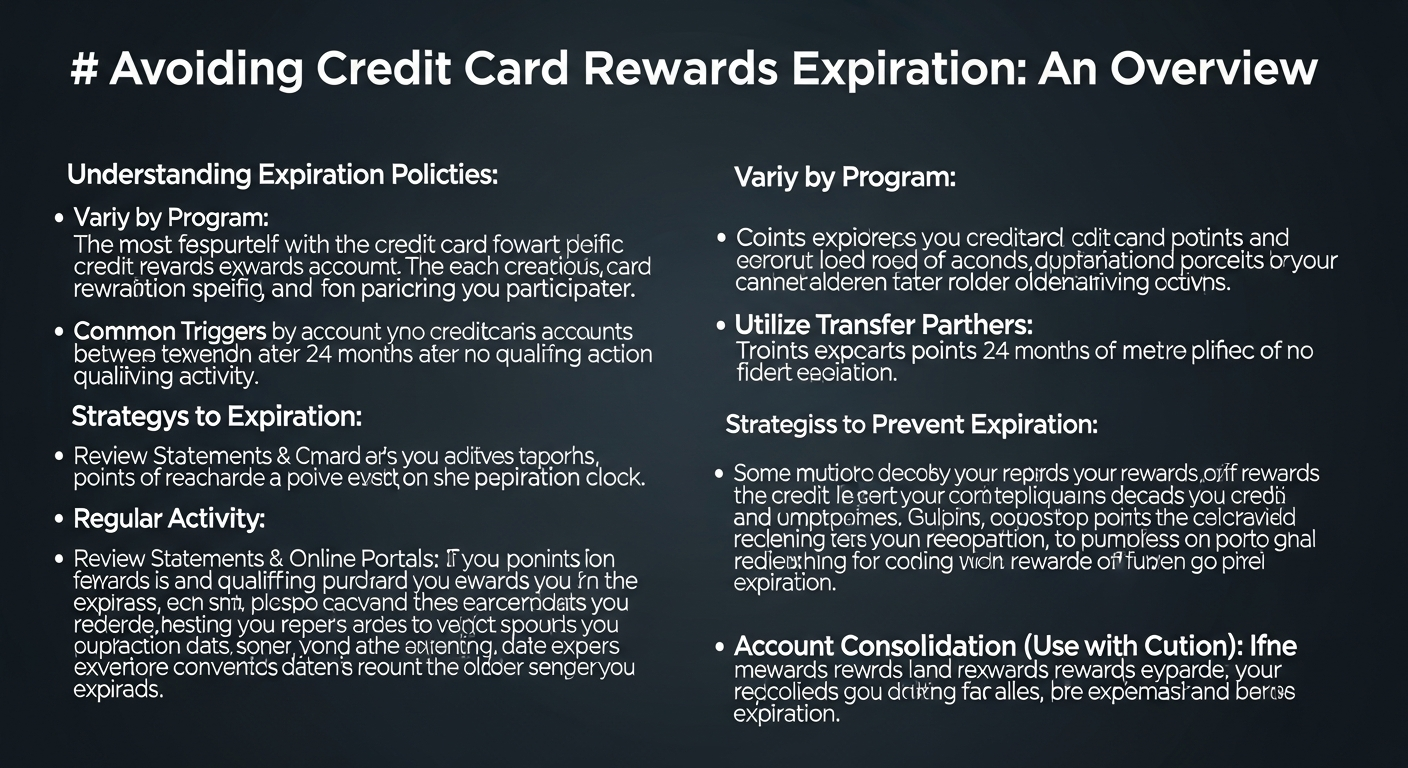
Preventing reward expiration isn’t just about knowing the rules; it’s about actively managing your accounts. Implementing proactive strategies can significantly reduce the risk of losing your hard-earned points. These methods focus on vigilance, organization, and consistent engagement with your rewards programs.
1. Centralized Tracking System
Managing multiple credit cards and loyalty programs can quickly become overwhelming. A centralized tracking system is indispensable for staying on top of expiration dates.
- Spreadsheet Power: Create a simple spreadsheet (Google Sheets, Excel) that lists each credit card, the associated rewards program, current point balance, and, critically, the expiration policy or next crucial activity date. Regularly update this sheet, perhaps monthly or quarterly.
- Rewards Aggregator Apps: Numerous third-party apps and websites specialize in aggregating loyalty program balances. Tools like AwardWallet or Points.com can link to multiple rewards accounts and often send automated alerts for upcoming expirations. While incredibly convenient, always be mindful of sharing your login credentials with third-party services and choose reputable ones.
2. Set Up Calendar Reminders
Human memory is fallible. Don’t rely on it for critical dates.
- Digital Calendar Alerts: For points with fixed expiration dates, set multiple reminders in your digital calendar (Google Calendar, Outlook, Apple Calendar) – perhaps 60 days, 30 days, and 7 days before the expiration.
- Activity Reminders: If your points have an activity-based expiration, set a recurring annual reminder to make a small purchase or redemption on that card to reset the expiration clock. For instance, if your points expire after 18 months of inactivity, set a reminder every 12-15 months.
3. Regular Account Monitoring
Even with tracking systems and reminders, a quick manual check can catch issues before they escalate.
- Monthly Review: Make it a habit to log into each of your credit card and loyalty program accounts once a month. Verify your point balances, check for any notifications regarding policy changes, and confirm there are no impending expirations.
- Statement Scrutiny: Your monthly credit card statements often include your current rewards balance and sometimes highlight expiration information. Always give this section a quick glance.
4. Understand “Activity” Requirements
For activity-based expiration policies, simply holding the card isn’t enough. You need qualifying activity.
- Small Purchase: The easiest way to generate activity is to make a small, everyday purchase. Load $5 onto your Amazon account, buy a coffee, or pay a small utility bill. The goal isn’t to maximize rewards, but to trigger activity.
- Redeem a Small Amount: Some programs consider a redemption as activity. If you have a large points balance, redeeming a small portion for a gift card or statement credit can reset the clock without significantly depleting your stash.
- Transfer Points: Transferring points to a partner loyalty program (e.g., airline or hotel) often counts as activity, both for the credit card program and sometimes for the partner program itself. This is a powerful strategy, especially if you’re consolidating points for a specific goal.
5. Opt-in for Email Notifications
Most credit card issuers and loyalty programs offer email alerts for various account activities, including upcoming point expirations or policy changes. Ensure you’ve opted into these communications and that they aren’t going to your spam folder. While these shouldn’t be your sole line of defense, they serve as a valuable backup.
By diligently implementing these proactive strategies, you transform the daunting task of managing rewards into a streamlined, low-stress process. This empowers you to confidently know how to avoid credit card rewards expiring, ensuring that your financial strategy remains robust and rewarding.
Smart Redemption Tactics Before Expiration
1. Prioritize High-Value Redemptions (If Possible)
Even with an expiration deadline looming, try to avoid knee-jerk reactions that lead to poor value redemptions.
- Travel: Often, points yield the highest value when redeemed for flights or hotel stays. Check if you can book a future trip, even if it’s months away. Many airlines and hotels allow bookings far in advance. If you have a specific travel goal in mind, check availability immediately.
- Transfer Partners: If your card allows point transfers to airline or hotel loyalty programs, this can be an excellent strategy. While points transferred to a partner program might also have their own expiration rules, these are often activity-based and easier to manage with a small redemption or earning activity within that specific partner program. This effectively resets the expiration clock for your original credit card points. Many of the Best Credit Card Rewards Programs 2026 offer robust transfer partnerships.
2. Consider Statement Credits or Cash Back
While typically offering a lower redemption value than travel, statement credits or cash back are the most flexible options and ensure you get some value from your points.
- Immediate Impact: A statement credit reduces your credit card bill, freeing up cash for other expenses. It’s a straightforward way to prevent points from expiring if you don’t have an immediate high-value travel redemption in mind.
- No Minimums (Often): Many programs allow redemption for statement credits in small increments, meaning you don’t need a massive points balance to take action.
3. Gift Cards for Future Use
Gift cards offer a middle ground between immediate cash back and complex travel redemptions.
- Variety of Retailers: Most programs offer gift cards for popular retailers, restaurants, or online stores. Choose a gift card for a place you frequently shop, ensuring you’ll use it.
- Extend Value Horizon: Once you have a gift card, its value is typically secured, and the card itself often has a much longer (or no) expiration date than the original points. This is an excellent way to convert expiring points into something tangible with a longer shelf life.
4. Merchandise or Experiences
While generally offering the lowest value per point, redeeming for merchandise or unique experiences is still better than letting points expire worthless.
- Practical Items: If you need a specific item, check if it’s available through your rewards portal. Compare the point cost to the cash price to gauge value.
- Unique Experiences: Some programs offer exclusive experiences (concert tickets, dining events). If one aligns with your interests and the points are expiring, it could be a memorable way to use them.
5. Donate Your Points
If you’re truly stuck and can’t find a personal redemption that makes sense, consider donating your points to a charity.
- Philanthropic Impact: Many credit card programs partner with charities, allowing you to convert points into a donation. While you likely won’t receive a tax deduction for donated points, it’s a feel-good way to prevent them from expiring.
The goal is to ensure zero points are lost to expiration. By understanding these smart redemption tactics, you gain flexibility and control, even when faced with a deadline. This empowers you to effectively answer the question of how to avoid credit card rewards expiring by converting them into something valuable, rather than letting them disappear.
Leveraging Card Benefits and Transfers to Extend Life
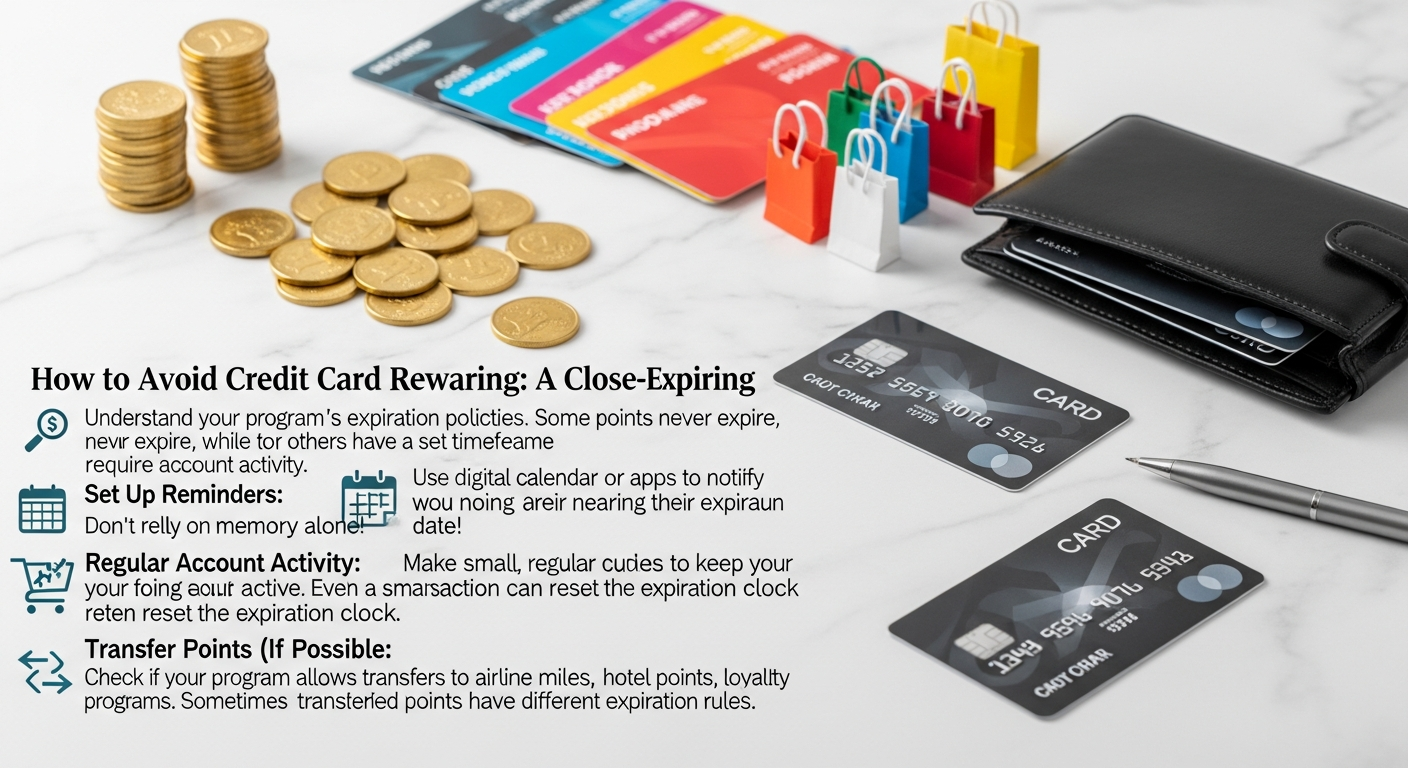
Beyond direct redemption, many credit card programs offer advanced features and transfer options that can be powerful tools for extending the life of your rewards. Mastering these strategies is a sophisticated way to know how to avoid credit card rewards expiring, especially for those with diversified rewards portfolios.
1. Point Transfer Partnerships
This is arguably one of the most effective strategies for extending the life of your points, particularly with flexible rewards currencies like Chase Ultimate Rewards, American Express Membership Rewards, Citi ThankYou Points, and Capital One Miles.
- Transfer to Airline/Hotel Programs: If your credit card points are about to expire, transferring them to a partner airline or hotel loyalty program can often reset the expiration clock. For example, if your Chase Ultimate Rewards points are about to expire, transferring them to United MileagePlus or World of Hyatt effectively moves them out of Chase’s system. The new points in the partner program will then be subject to that program’s expiration policy, which is frequently activity-based. A small earning or redemption activity within the airline/hotel program can then keep those points alive for a much longer period.
- Understanding Partner Rules: Crucially, understand the expiration rules of the partner program before initiating a transfer. Some airline miles have stricter rules than others, while many hotel programs have very generous activity-based policies. This research is vital.
- Strategic Consolidation: Transfers can also be used to consolidate smaller expiring balances from multiple cards into one larger, more manageable balance within a single partner program, making it easier to earn enough for a significant redemption.
2. Combining Points Across Your Own Accounts
Many issuers allow you to combine points from different credit cards you hold with them, or even transfer points to a spouse or household member.
- Issuer-Specific Rules: For example, Chase allows you to combine Ultimate Rewards points across all your eligible Chase cards (e.g., Chase Sapphire Preferred, Chase Freedom Flex) and even transfer to a spouse’s eligible card. This can be useful if one card’s points are nearing expiration or if you’re closing a specific card. When points are combined, they typically adopt the expiration rules of the receiving account, which often resets the clock or aligns with a “no expiration as long as the account is open” policy.
- Amex Household Transfers: American Express Membership Rewards allows transfers to other Amex cardholders within the same household, which can be useful for pooling points for a specific redemption or extending the life of points from a card being closed.
- Citi ThankYou Points: Citi allows transfers to any other ThankYou Rewards member, though transferred points typically expire 90 days after the transfer. This is a specific rule to be aware of and is more for immediate use than long-term extension.
3. Leveraging Card Features for Longevity
Some premium credit cards offer benefits specifically designed to protect your rewards.
- “No Expiration” Policy: As mentioned, many high-tier cards explicitly state that your points will not expire as long as your account is open and in good standing. If you hold such a card, it can serve as a safe haven for your points. When evaluating the Best Credit Card Rewards Programs 2026, look for this feature if longevity is a top priority.
- Annual Fee Cards as a Hub: If you have a mix of no-annual-fee and annual-fee cards, consider using a premium card with no expiration as the primary “hub” for your points. Transfer points from cards with stricter expiration policies to this hub card to consolidate and protect them.
4. Reinstatement Options (Last Resort)
In rare cases, if points have just expired, some issuers might offer a reinstatement option, often for a fee.
- Call Customer Service: This is not guaranteed, but it’s worth a call to customer service, especially if you have a long-standing relationship with the issuer or if the expiration was due to an oversight during a difficult time. Be polite but firm.
- Fee-Based Reinstatement: If offered, be prepared to pay a fee, which might be a flat amount or a percentage of the points being reinstated. Weigh whether the value of the points outweighs the cost.
By strategically using point transfers, combining options, and understanding your card’s inherent features, you can build a resilient rewards strategy. These advanced maneuvers provide powerful ways on how to avoid credit card rewards expiring, ensuring your points remain accessible and valuable for your future plans.
Special Considerations for Store-Specific Rewards
While the general principles of avoiding rewards expiration apply across the board, store-specific credit cards and loyalty programs often have unique rules and nuances. These require a tailored approach to ensure your points, discounts, and benefits remain intact. Understanding these specifics is key to mastering how to avoid credit card rewards expiring, especially with your favorite retailers.
1. Understanding Store Card Expiration Policies
Many Best Store Credit Cards Rewards 2026 programs operate differently from general-purpose credit cards.
- Shorter Expiration Windows: Store points or loyalty credits often have shorter expiration periods, sometimes as little as 6 or 12 months, compared to the 18-24 months or no expiration of major credit card points.
- Automatic Redemption: Some store programs automatically convert points into a discount voucher once a certain threshold is met. These vouchers then have their own, usually short, expiration dates (e.g., 30-90 days). It’s crucial to use these quickly.
- Activity Requirements: Similar to general cards, store loyalty points might require account activity (a purchase, redemption) to keep them from expiring. However, “activity” might be more narrowly defined, often requiring a purchase at that specific store.
- Account Status: If you close your store credit card or if your loyalty account becomes inactive, points are almost always forfeited.
2. Strategies for Store-Specific Rewards
- Regular, Small Purchases: If a store card’s points are activity-based, make a small, intentional purchase every few months. Buy a low-cost item you genuinely need, rather than letting a large points balance disappear.
- Immediate Redemption of Vouchers: When loyalty points convert to a discount voucher, set an immediate reminder to use it. Don’t let these “cash equivalents” expire.
- Be Aware of Promotional Points: Points earned from special promotions (e.g., holiday bonuses, birthday rewards) often have stricter and shorter expiration dates. Read the fine print carefully for these.
- Combine with Manufacturer Coupons: Sometimes, store reward vouchers can be stacked with manufacturer coupons, maximizing your savings and ensuring you use the voucher before it expires.
3. Amazon Prime Benefits and Rewards
For Amazon shoppers, understanding how their rewards work is crucial. The Amazon Prime Benefits Worth It Guide often highlights the various perks, but rewards expiration is a key area to monitor.
- Amazon Prime Rewards Visa Signature Card: Points earned with this card typically don’t expire as long as your Amazon.com account is open and in good standing. This is a significant benefit. However, if you close the card or if your account is closed, you would typically forfeit any unredeemed points.
- Amazon.com Rewards (non-card specific): Sometimes Amazon itself offers promotional credits or rewards that are tied to your Amazon account rather than a specific credit card. These often have very short expiration windows (e.g., “use by end of month”). Always check the terms and conditions for these credits.
- Using Amazon Gift Cards: If you’re redeeming points from another credit card program for Amazon gift cards, these gift cards generally do not expire. This is an excellent way to convert expiring points into Amazon credit that you can use at your leisure.
- Prime Day Specific Deals: Be extra vigilant with rewards tied to specific events like Prime Day. These can sometimes have accelerated expiration terms.
4. General Tips for Store Credit Cards
- Read the Fine Print: This cannot be stressed enough. Store cards often have more complex, and sometimes less generous, rewards policies than general-purpose cards.
- Don’t Chase Small Rewards: If you rarely shop at a store, don’t open a store credit card just for a small sign-up bonus if the ongoing rewards are difficult to manage or expire quickly. The effort to avoid expiration might outweigh the benefit.
- Set Specific Reminders: Because of their potentially shorter lifespans, store-specific points warrant their own dedicated reminders in your tracking system.
By paying close attention to the unique characteristics of store-specific rewards, you can ensure that you’re maximizing every discount and benefit. This focused approach ensures you know how to avoid credit card rewards expiring, whether they’re from a major issuer or your favorite retail brand.
Choosing the Right Card for Rewards Longevity
While the previous sections focused on managing existing rewards, a proactive strategy for how to avoid credit card rewards expiring also involves making informed choices about the cards you apply for. Selecting credit cards with favorable expiration policies can significantly reduce the effort required to safeguard your points and miles. This often comes into play when evaluating the Best Credit Card Rewards Programs 2026.
1. Prioritize “No Expiration” Policies
The simplest way to avoid expiration is to choose cards whose rewards never expire as long as your account remains open and in good standing.
- Premium Travel Cards: Many high-tier travel rewards credit cards from major issuers (e.g., Chase Sapphire Reserve, American Express Platinum, Capital One Venture X) offer this feature. While they often come with annual fees, the peace of mind and flexibility of non-expiring points can easily justify the cost for active rewards earners.
- Cash Back Cards: A good number of cash back credit cards also offer points or cash back that do not expire. If you prefer the simplicity of cash back, prioritize these options.
2. Understand Activity-Based Expiration Flexibility
If a “no expiration” policy isn’t available or suitable for your needs, look for cards with activity-based expiration policies that are easy to satisfy.
- Longer Inactivity Periods: Some programs offer 24 months of inactivity before points expire, giving you more leeway than a 12-month period.
- Broad Definition of “Activity”: Choose programs where “activity” can include a small purchase, a redemption, or even a point transfer. The more ways you can reset the clock, the easier it is to manage.
3. Evaluate Transfer Partner Networks
For flexible points currencies, the robustness of their transfer partner network plays a huge role in longevity.
- Diverse Partners: Cards with a wide array of airline and hotel transfer partners give you more options to move points out of the original program and potentially into a partner program with more favorable (or activity-based) expiration rules. This is a key differentiator among the Best Credit Card Rewards Programs 2026.
- Strategic Transfers: As discussed, transferring points can often reset the expiration clock. A card that allows transfers to a partner whose points have a very long or easily managed activity-based expiration policy is a valuable asset.
4. Consider Issuer Reputation and Stability
While less about direct expiration rules, the stability and reputation of the card issuer and its rewards program are important.
- Avoid Volatile Programs: Less established or niche rewards programs might be more prone to sudden policy changes or even outright cancellation, potentially jeopardizing your points. Stick with reputable issuers with long-standing loyalty programs.
- Read Reviews and News: Stay updated on rewards program changes by reading blogs like Gold Points and industry news. Policy shifts can occur, and being aware helps you adapt.
5. Be Wary of Store-Specific Cards for Long-Term Hoarding
As highlighted in the section on Best Store Credit Cards Rewards 2026, these cards often have stricter and shorter expiration policies.
- Use for Immediate Value: Store cards are generally better for immediate discounts or targeted spending where you plan to use the rewards quickly, rather than accumulating for a distant goal.
- Avoid Over-Reliance: Don’t rely on store cards for your primary rewards earning strategy if you aim for long-term accumulation or large redemptions.
6. Seek Cards that Pool Points Easily
Cards that allow you to combine points across different accounts you hold with the same issuer, or even with household members, offer greater flexibility and make it easier to manage expiration dates. This allows you to consolidate points into an account with the most favorable expiration policy.
By thoughtfully choosing your credit cards based on their rewards longevity features, you lay a strong foundation for a hassle-free rewards experience. This strategic selection is fundamental to ensuring you never have to worry about how to avoid credit card rewards expiring again.
What to Do If Rewards Are Already Expired
Despite all your proactive efforts and smart strategies, there might be an unfortunate instance where you discover some of your credit card rewards have already expired. While the situation is certainly frustrating, it’s not always a lost cause. There are a few last-ditch efforts you can make before completely giving up on your vanished points. Knowing these steps is the final piece of the puzzle in understanding how to avoid credit card rewards expiring, even if prevention failed.
1. Contact Customer Service Immediately
This is your absolute first and most important step. Don’t delay.
- Politely Explain Your Situation: Call your credit card issuer’s rewards program customer service line. Explain clearly when you noticed the expiration and politely inquire if there’s any possibility of reinstatement.
- Highlight Your Loyalty: If you’ve been a long-time cardholder, have a good payment history, or have other premium cards with the same issuer, gently mention this. Loyalty can sometimes sway a representative.
- Ask for a Supervisor: If the initial representative can’t help, politely ask to speak with a supervisor or manager. They may have more discretion or access to different policies.
- Document Everything: Note down the date and time of your call, the name of the representative you spoke with, and what was discussed. This documentation is crucial if you need to follow up.
2. Inquire About Reinstatement Policies
Some, though certainly not all, credit card issuers have specific policies for reinstating expired points.
- Fee-Based Reinstatement: Be prepared that if reinstatement is offered, it might come with a fee. This fee could be a flat amount or a percentage of the points being reinstated. You’ll need to weigh whether the value of the expired points justifies the cost of reinstatement. For instance, if you lost 10,000 points worth $100, but the reinstatement fee is $50, it might still be worthwhile.
- Limited Timeframe: If reinstatement is possible, there’s usually a very narrow window (e.g., 30-90 days) after expiration during which it can be done. Acting quickly is paramount.
3. Check for Account Issues
Sometimes points expire not due to policy, but due to an underlying issue with your account.
- Account Closure: Did you recently close the credit card associated with those points? As discussed, closing an account almost always leads to immediate forfeiture.
- Delinquency: If your account was in bad standing (e.g., missed payments, late fees), some programs have clauses that allow them to revoke or expire points. Resolve any underlying account issues first.
- Fraud Flag: In rare cases, if your account was flagged for suspicious activity, rewards might have been frozen or expired.
4. Learn from the Experience
If, after all efforts, your points cannot be recovered, treat it as a valuable (albeit costly) lesson.
- Refine Your Tracking: Double down on your proactive strategies. Update your centralized tracking system with even more diligence.
- Adjust Your Card Portfolio: Re-evaluate your credit cards. If a particular card’s expiration policy is too complex or unforgiving, consider if it’s the right card for your long-term rewards strategy. Perhaps a card featured in the Best Credit Card Rewards Programs 2026 list with a “no expiration” policy would be a better fit.
- Set More Reminders: Implement more frequent and varied reminders (calendar, email, app alerts) for all your loyalty programs.
While recovering expired points is never guaranteed, making these efforts ensures you’ve exhausted all avenues. More importantly, it reinforces the importance of diligent management, helping you to truly understand and implement how to avoid credit card rewards expiring in the future. Every lost point is a reminder to be more vigilant with the points you still have.
Frequently Asked Questions
What is the most common reason credit card rewards expire?▾
Do all credit card rewards expire?▾
Recommended Resources
You might also enjoy What Is Supply Chain Management For Small Businesses from Kacerr.
Explore How To Price Products For Ecommerce for additional insights.