


The Quest for Real Savings: Understanding Why Codes Fail and How to Succeed
The internet is awash with promises of discounts, but the reality often falls short. Many shoppers have experienced the exasperating cycle: finding a seemingly perfect coupon code, diligently entering it at checkout, only to be met with an “invalid” or “expired” message. This common scenario can erode trust and make the search for genuine savings feel like a futile exercise. Understanding why coupon codes fail is the first step towards finding ones that actually work. Common culprits include expiration dates, specific terms and conditions (e.g., minimum purchase, new customers only, specific product categories), regional restrictions, or simply outdated information from unreliable sources. The digital nature of these promotions means they are constantly changing, making the pursuit of active codes a dynamic challenge. Our goal isn’t just to tell you where to look, but to equip you with a discerning eye and a strategic approach, ensuring your efforts lead to successful redemptions rather than digital dead ends. We’ll delve into reliable methods and trusted platforms, helping you differentiate between fleeting offers and enduring opportunities for significant savings.
Beyond the immediate savings, mastering the art of finding working coupon codes contributes to a larger smart shopping strategy. It complements other financial optimization efforts, such as leveraging the Best Credit Card Rewards Programs 2026, which offer their own layer of savings through cashback, points, or travel miles. When you combine a valid coupon code with the benefits of a robust rewards credit card, your overall savings multiply, creating a powerful synergy that maximizes your purchasing power. This holistic approach is central to Gold Points’ philosophy: every saving, no matter how small, contributes to your financial well-being and enhances your shopping experience. By understanding the lifecycle of a coupon and employing the right search techniques, you transform from a hopeful browser into a confident deal-finder, consistently securing discounts that genuinely work.
Proactive Coupon Hunting: Before You Click “Add to Cart”

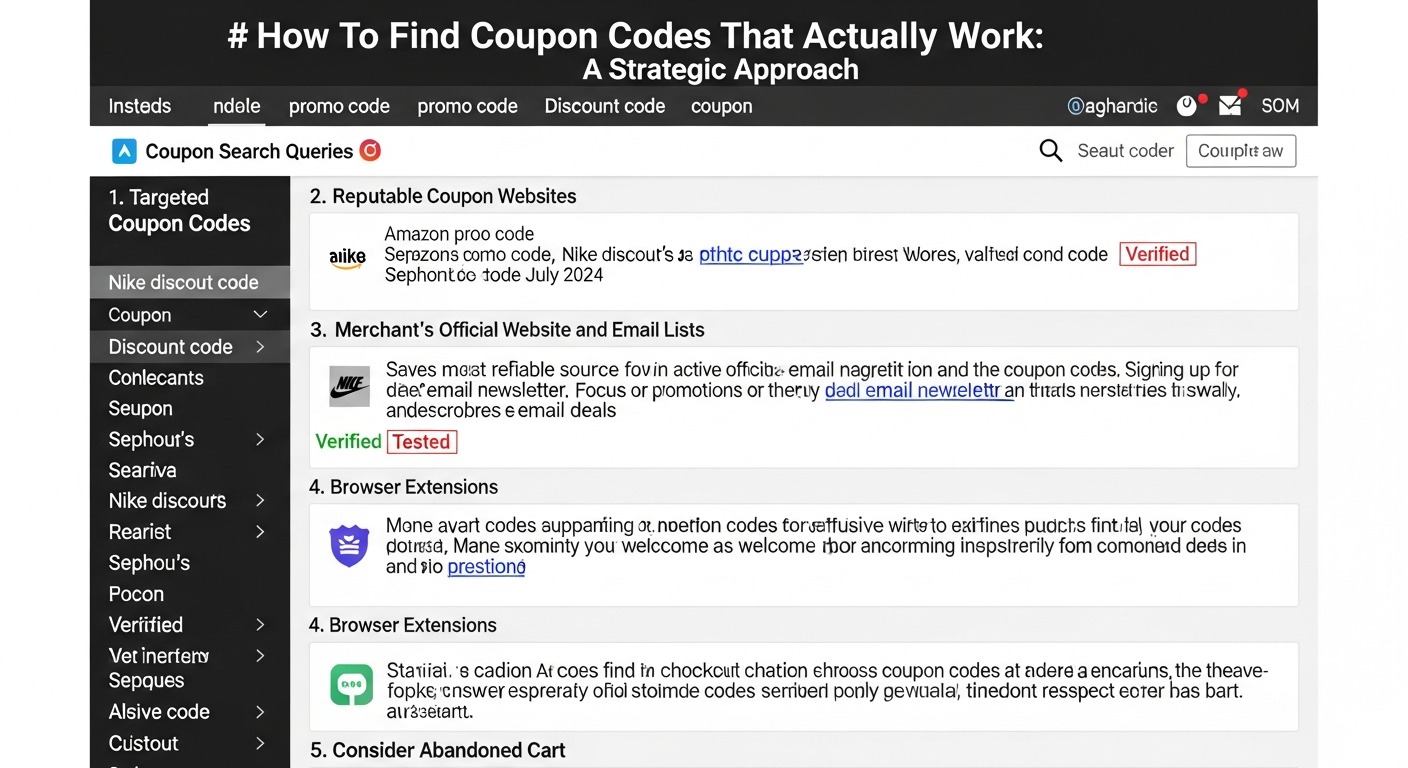
The most effective way to secure a discount is often to look for it before you’re ready to check out. Proactive coupon hunting involves a strategic approach to finding deals rather than a last-minute scramble. By integrating these habits into your shopping routine, you significantly increase your chances of discovering valid and valuable codes, often unlocking exclusive offers you might otherwise miss. This forward-thinking methodology saves you time, reduces frustration, and consistently leads to better outcomes.
Official Store Channels: Your First & Most Reliable Stop
The merchant’s own website and direct communications are arguably the most reliable sources for legitimate coupon codes. Many retailers actively promote their current sales and discount codes directly on their homepage, in banner ads, or during the checkout process itself. Before venturing elsewhere, always check the retailer’s site for pop-ups advertising a discount for new subscribers, a seasonal sale, or a special promotion. Look for dedicated “Sales,” “Promotions,” or “Deals” sections. These are often updated regularly and feature codes that are guaranteed to work for their specified terms. Furthermore, paying close attention to the fine print on these official channels can provide crucial details about minimum purchase requirements, eligible items, and expiration dates, preventing disappointment at checkout. This direct approach often yields the most straightforward and hassle-free savings.
Newsletter Subscriptions & Loyalty Programs: Exclusive Access to Deals
Signing up for a retailer’s email newsletter is a powerful, yet often underestimated, strategy for finding working coupon codes. Many companies offer an immediate discount (e.g., 10-20% off your first order) just for subscribing. Beyond the initial welcome offer, subscribers regularly receive exclusive promotions, early access to sales, and unique coupon codes directly in their inbox. These codes are typically highly reliable as they are sent directly by the merchant and are specifically targeted to their audience. Similarly, joining a retailer’s loyalty program often grants access to member-exclusive discounts, birthday rewards, and points systems that can be redeemed for future savings. These programs foster a direct relationship between you and the brand, ensuring you’re always in the loop for the best and most current offers. For instance, if you frequently shop at a particular clothing store, enrolling in their loyalty program might yield unique benefits that a general coupon search wouldn’t uncover, often including personalized offers based on your shopping history.
Browser Extensions & Coupon Aggregators: Automation for Smart Shoppers
In the digital age, technology can be your best friend in the quest for working coupon codes. Browser extensions like Honey, Rakuten (formerly Ebates), Capital One Shopping, and RetailMeNot automatically search for and apply available coupon codes at checkout. When you reach a shopping cart on a supported website, these extensions pop up and test various codes found across the web, applying the one that provides the maximum saving. While not every code they find will always work, they significantly streamline the process and often uncover codes you might have missed. Coupon aggregator websites, such as RetailMeNot, Coupons.com, and Slickdeals, manually curate and verify coupon codes submitted by users and their own teams. These sites often indicate the success rate of a code and include user comments, which can be invaluable for determining a code’s current validity. They are excellent resources for finding a broad spectrum of discounts across various retailers, though it’s always wise to double-check the terms for any specific code found this way.
Social Media & Influencers: Trending Deals in Real-Time
Social media platforms have become dynamic hubs for discovering real-time deals and working coupon codes. Many brands actively promote flash sales, exclusive discounts, and new product launches on their Facebook, Instagram, Twitter, and TikTok accounts. Following your favorite retailers can alert you to limited-time offers that might not be advertised elsewhere. Furthermore, many influencers and content creators partner with brands to offer unique, often personalized, coupon codes to their followers. These codes are typically reliable and are designed to track the influencer’s impact, meaning they are active and functional. A quick search on platforms like Instagram for “[Brand Name] + discount code” or “[Influencer Name] + code” can often yield results. Be mindful of the expiration dates often associated with these influencer codes, as they can be quite short-lived, but when caught in time, they offer an excellent avenue for direct savings.
Reactive Coupon Hunting: Seizing Savings at Checkout
Quick Search Engine Queries: Your Last-Minute Lifeline
When you’re at the checkout page and see that empty coupon code box, a quick search engine query can be your best friend. A simple search like “[Retailer Name] coupon code” or “[Retailer Name] discount code [current month/year]” often brings up a fresh list of potential offers. Websites like RetailMeNot, Coupons.com, and various deal blogs frequently appear in these results. Pay close attention to the dates associated with the codes and any user comments indicating success or failure. While not every code you find this way will work, it’s a rapid way to test the waters and often yields a valid, current promotion. Remember to prioritize results from well-known coupon sites or the retailer’s official channels in your search to increase your chances of finding a functional code.
The Abandoned Cart Strategy: Let the Savings Come to You
This is a subtle but often highly effective tactic. If you’ve filled your shopping cart on a retailer’s website but haven’t completed the purchase, consider leaving the items in your cart and closing the browser. Many online retailers use this as a trigger to send you a follow-up email, often within a few hours or a day, offering a discount code to entice you to complete your purchase. This strategy works because retailers are keen to convert almost-customers into actual buyers, and a small incentive is often all it takes. While not guaranteed, the “abandoned cart” email often contains a unique, working code, and it’s a passive way to potentially secure a discount without any active searching on your part. This is particularly useful for larger purchases where even a 10% discount can be substantial.
Live Chat & Customer Service: Direct Access to Deals
Don’t underestimate the power of direct communication. If you’re struggling to find a working coupon code, or if you believe there should be a promotion available, reaching out to a retailer’s customer service via live chat or phone can sometimes yield surprising results. Customer service representatives often have access to current promotions, special discounts, or even one-time codes they can provide to satisfied customers or those on the fence about a purchase. Politely ask if there are any active promotions or codes available for your order. While they might not always have a code to offer, it’s a low-effort attempt that can occasionally unlock a discount. This approach works best when you genuinely intend to make a purchase and are simply looking for an additional incentive.
Leveraging Rewards & Membership Programs: Beyond the Discount Code
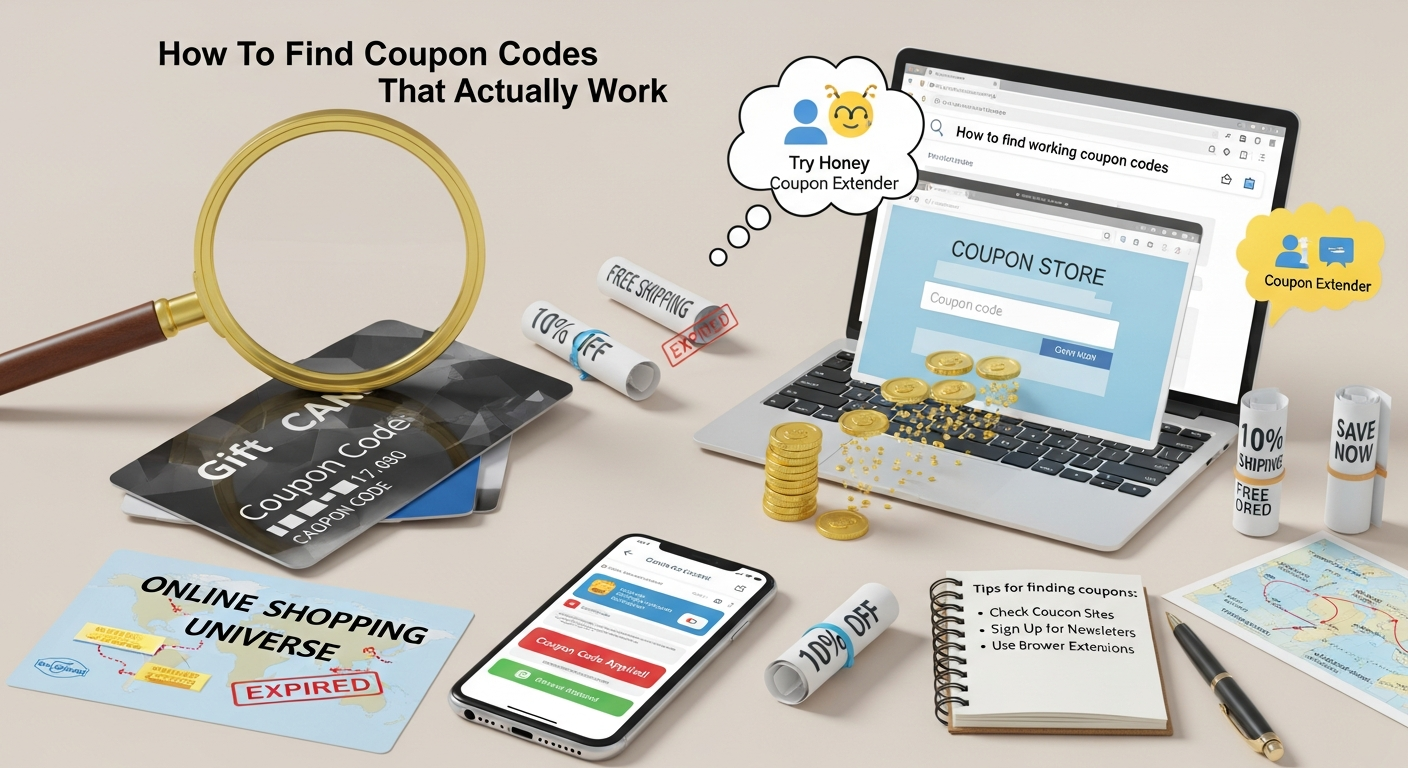
While direct coupon codes offer immediate price reductions, a truly savvy shopper understands that savings extend far beyond a single promotional entry. Rewards programs and memberships provide a powerful, ongoing layer of value that can significantly reduce your overall spending. Integrating these into your shopping strategy means you’re not just looking for a one-off discount, but building a foundation for continuous, compounded savings. These programs often complement coupon codes, allowing for even greater financial efficiency.
Credit Card Rewards for Extra Savings: Stacking Your Benefits
One of the most powerful tools in a smart shopper’s arsenal is a well-chosen credit card that offers robust rewards. Beyond the immediate savings from a coupon code, using a credit card with excellent cashback, points, or travel miles programs effectively adds another layer of discount to every purchase. For instance, a card offering 2-5% cashback on online purchases, or bonus points in specific spending categories, can turn a regularly priced item into an even better deal once the rewards are factored in. When you combine a valid coupon code with the rewards earned from your credit card, you’re essentially getting a double discount. We frequently discuss the Best Credit Card Rewards Programs 2026 on Gold Points, highlighting how different cards cater to various spending habits and offer significant long-term value. Always consider which card offers the best return for your specific purchase, turning every transaction into an opportunity for both immediate and future savings.
Store Credit Cards: Deep Discounts & Exclusives for Loyal Shoppers
For retailers where you frequently shop, a store-specific credit card can be an exceptionally powerful tool for unlocking deeper discounts and exclusive benefits. While general rewards cards offer broad applicability, store credit cards often provide higher percentage discounts on purchases made with that specific retailer, special financing options, and members-only promotions. These can include a significant sign-up discount (e.g., 15-25% off your first purchase), ongoing percentage discounts on all future purchases, free shipping, or early access to sales events. These benefits often stack with other general coupon codes, though it’s crucial to read the terms and conditions. Our guide on the Best Store Credit Cards Rewards 2026 delves into how these cards can be strategically used to maximize savings for specific brands you love. If you’re a loyal customer of a particular store, exploring their credit card options could lead to consistent, substantial savings that far outweigh the benefits of a one-time coupon.
Membership Perks: Beyond the Discount Code, Beyond the Transaction
Beyond traditional coupon codes and credit card rewards, various membership programs offer a different dimension of savings and value. These programs often provide ongoing benefits that enhance the overall shopping experience and reduce costs in ways a simple discount code cannot. A prime example is Amazon Prime. While it doesn’t offer specific coupon codes for every purchase, the vast array of benefits – including free expedited shipping, exclusive deals on Prime Day, access to Prime Video and Music, and special discounts at Whole Foods – cumulatively represents enormous value. Our Amazon Prime Benefits Worth It Guide explores how these ancillary services contribute to a smart shopping strategy, making the overall cost of ownership for Prime members significantly lower than for non-members. Similarly, warehouse club memberships (like Costco or Sam’s Club) provide access to bulk savings, exclusive brands, and often discounted services like gas or travel. These memberships might require an upfront fee, but for frequent users, the long-term savings and added conveniences often far exceed the initial investment, demonstrating that true value extends beyond a single percentage off.
Advanced Strategies for Consistent Savings
For the truly dedicated smart shopper, moving beyond basic coupon hunting involves adopting more sophisticated strategies. These methods focus on understanding the nuances of promotional offers, leveraging technology, and even utilizing social connections to build a comprehensive framework for consistent, significant savings. Mastering these advanced techniques means you’re not just finding a coupon code; you’re orchestrating a symphony of savings.
Understanding Coupon Stacking Rules: Maximizing Every Discount
One of the holy grails of coupon hunting is the ability to “stack” discounts – applying multiple promotions to a single purchase. However, not all retailers allow coupon stacking, and the rules can vary significantly. Some stores might permit you to combine a percentage-off coupon with a free shipping code, while others might allow a loyalty program discount to be used alongside a general promotional code. It’s crucial to read the fine print of each coupon and the retailer’s policy. Often, you’ll find language like “Limit one coupon per order” or “Not combinable with other offers.” However, some retailers are more lenient. For example, you might be able to use a store-wide sale price, apply a coupon code for an additional percentage off, and still earn cashback through a browser extension like Rakuten. Experimentation and careful reading of terms are key here. When successful, coupon stacking can lead to truly remarkable savings, sometimes turning a good deal into an incredible one. Always test combinations at checkout to see what applies.
Price Tracking Tools: Buy at the Lowest Point
Beyond finding coupon codes, ensuring you’re buying at the absolute lowest price is a cornerstone of smart shopping. Price tracking tools and websites like CamelCamelCamel (for Amazon), Keepa (also for Amazon), and Honey’s price history feature allow you to monitor price fluctuations for specific products over time. You can set alerts to be notified when an item drops to a desired price point. This strategy allows you to combine two powerful savings tactics: waiting for a natural price drop and then applying a working coupon code on top of that reduced price. Imagine buying a product when it hits its historical low, and then layering on a 15% off coupon – the savings can be substantial. These tools empower you to make informed purchasing decisions, ensuring you’re not just getting a discount, but getting the best possible price at the best possible time, significantly boosting your overall savings efficiency.
Referral Programs & Friend Discounts: Share the Savings
Many online retailers, service providers, and even subscription boxes offer referral programs as a way to acquire new customers. These programs typically reward both the referrer and the referred with a discount or bonus. If a friend has a referral link for a store you’re planning to shop at, using their link can instantly grant you a first-time customer discount that is guaranteed to work. Conversely, once you’ve made a purchase, you can often generate your own referral link to share with others, earning you credits or discounts on future purchases when your friends use your link. This creates a symbiotic relationship where everyone benefits. Beyond formal referral programs, simply asking friends or family if they have any active codes for a particular retailer can sometimes yield results, especially for smaller businesses or niche products where word-of-mouth discounts are more common. Leveraging your social network can be an organic and highly effective way to uncover working codes and mutual benefits.
Avoiding Scams & Frustration: Shop Smart, Stay Safe
The pursuit of savings, while rewarding, also carries risks. The internet’s vastness makes it a breeding ground for unreliable information, expired offers, and even outright scams. To ensure your coupon hunting experience is positive and productive, it’s crucial to adopt practices that protect your time, your data, and your peace of mind. A smart shopper isn’t just someone who finds deals; it’s someone who finds them safely and efficiently.
Verifying Code Validity: The Key to Success
The primary source of frustration when coupon hunting is the sheer volume of invalid or expired codes. To combat this, always prioritize sources that provide verification or user feedback. When using coupon aggregator sites, look for indicators like “verified today,” “90% success rate,” or recent user comments confirming the code’s functionality. If a code looks too good to be true (e.g., 90% off everything), it likely is. Cross-reference codes found on lesser-known sites with more reputable sources. Always double-check the terms and conditions associated with any code: minimum purchase requirements, specific product exclusions, expiration dates, and whether it’s for new customers only. Entering a code at checkout is the ultimate test, but a quick verification beforehand can save you time and prevent disappointment. If a code fails, don’t waste too much time on it; move on to the next potential saving. Remember, a working code usually has clear, reasonable terms and is often easily verifiable through multiple sources.
Common Pitfalls to Avoid: Navigating the Coupon Minefield
Beyond expired codes, several other pitfalls can derail your savings efforts. Be wary of phishing scams: never enter personal information or credit card details on a site that looks suspicious or prompts you for unusual data just to “unlock” a coupon. Legitimate coupon sites will only require you to copy a code or click through to the merchant. Avoid websites that demand you complete surveys or download software to access a coupon, as these are often designed to capture your data or install malware. Another common issue is regional restrictions; a code valid in one country may not work in another. Ensure the coupon is applicable to your geographical location. Furthermore, be mindful of product-specific exclusions. A store-wide “20% off” might exclude electronics or specific brands, so always confirm your desired item is eligible. Finally, don’t let the pursuit of a coupon code lead you to make an unnecessary purchase. A discount is only a saving if you were going to buy the item anyway. Smart shopping is about saving money on what you need, not spending money just because there’s a deal.
The journey to consistently finding working coupon codes is one of strategy, patience, and informed decision-making. By integrating proactive and reactive hunting techniques, leveraging powerful rewards programs, and adopting advanced strategies, you transform from a casual shopper into a true savings expert. Remember, every valid coupon code you uncover, every reward point you accumulate, and every smart shopping decision you make contributes to a more financially savvy lifestyle. At Gold Points, we are committed to guiding you through this landscape, ensuring that your efforts are always rewarded with genuine value. Happy hunting, and may your carts always be filled with incredible deals!
Frequently Asked Questions
How can I tell if a coupon code is actually going to work before I try it?▾
What are the best browser extensions for automatically finding and applying coupon codes?▾
Can I combine coupon codes with credit card rewards or other loyalty programs?▾
What should I do if a coupon code I found doesn’t work?▾
Are there any specific strategies for finding codes for small or niche online stores?▾
Is it possible to find coupon codes for Amazon, especially with an Amazon Prime membership?▾
Recommended Resources
For more on how to find, see Life Insurance Guide What You Need To Know on Trading Costs.
Explore Core Web Vitals Guide 2026 for additional insights.