


The Enduring Allure of Savings: Understanding Coupons in the Modern Age
The concept of a coupon is simple yet profoundly effective: a voucher or code that entitles the holder to a discount on a particular product or service. From their humble beginnings as paper slips in late 19th-century America, coupons have consistently empowered consumers to stretch their budgets further. In an era where every penny counts, and amidst fluctuating economic conditions, the strategic use of coupons is more relevant than ever. Shoppers in 2026 are not just looking for a discount; they’re seeking an integrated savings strategy that complements their lifestyle, spending habits, and even their preferred shopping channels.
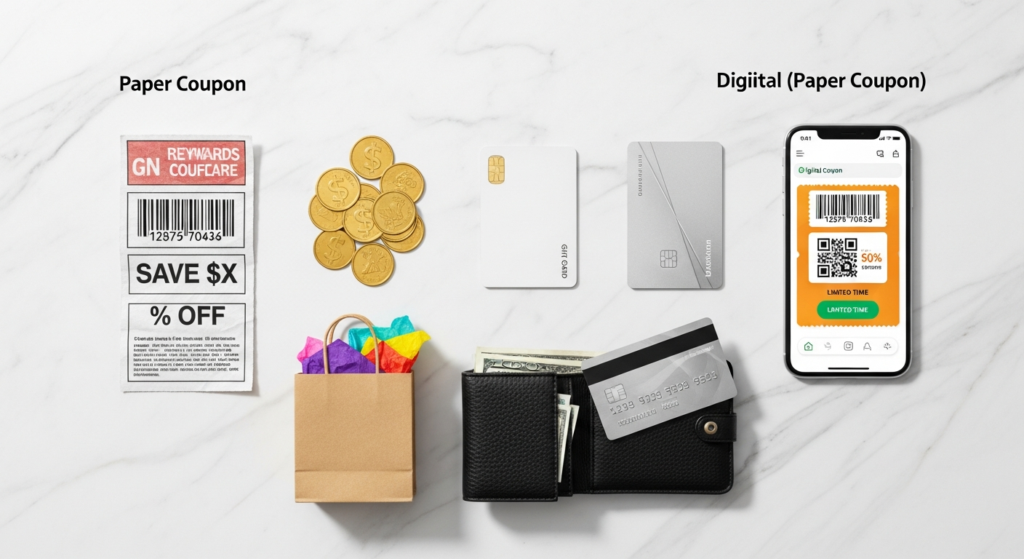
The modern coupon landscape is bifurcated into two primary categories: the traditional, tangible paper coupon and its increasingly prevalent digital counterpart. Each offers a unique set of advantages and disadvantages, catering to different consumer preferences and shopping scenarios. Understanding these distinctions is crucial for anyone aiming to optimize their savings, whether they’re planning a weekly grocery run or making a significant online purchase. This guide will dissect both formats, providing you with the insights needed to make informed decisions and build a robust savings strategy.
The Tangible Touch: A Deep Dive into Paper Coupons

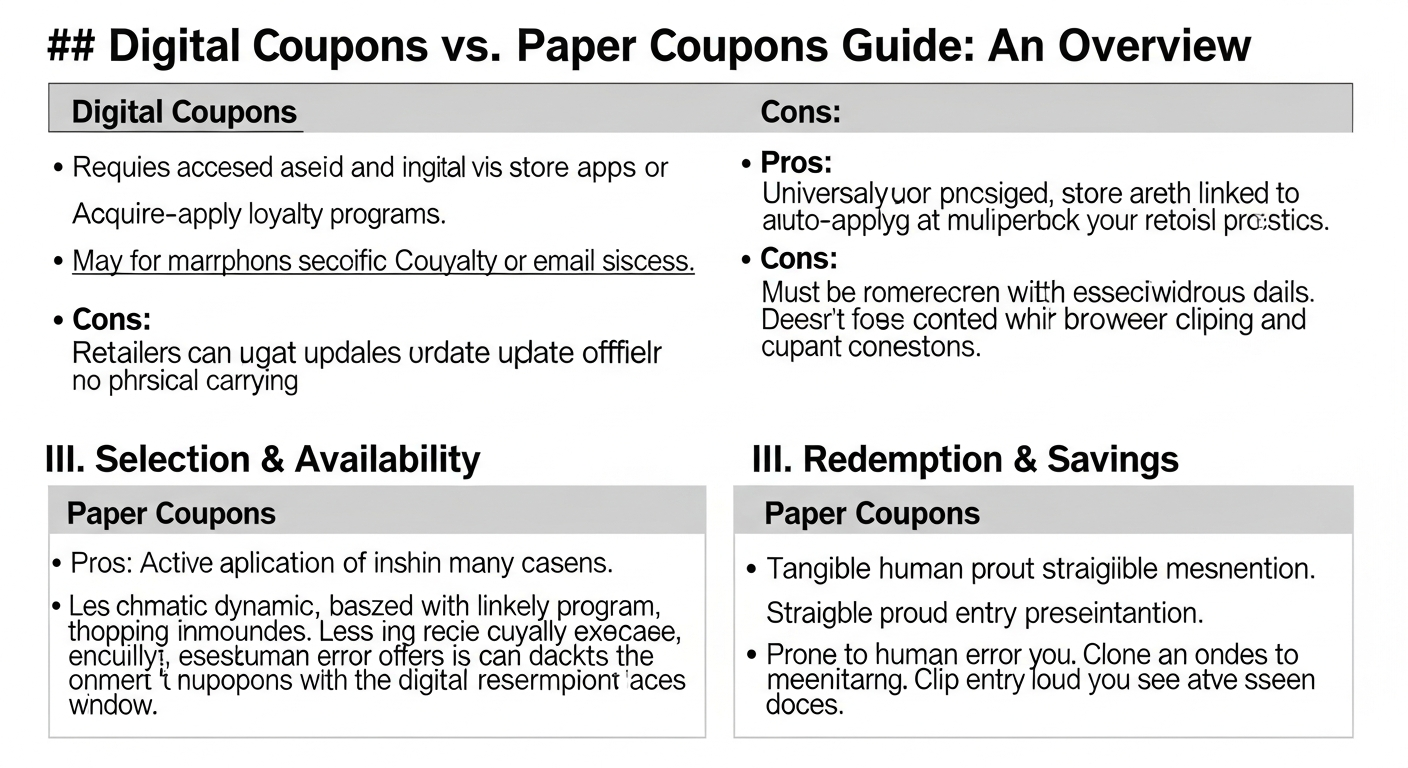
Paper coupons represent the classic approach to saving, familiar to generations of shoppers. Typically found in newspaper inserts, direct mail flyers, store circulars, or even print-at-home options, these physical vouchers require a degree of manual effort – clipping, organizing, and remembering to bring them to the store. Despite the rise of digital alternatives, paper coupons continue to hold a significant place in the savings ecosystem, particularly for a segment of the population that appreciates their tangible nature and straightforward application.
Advantages of Paper Coupons
- No Technology Required: One of the most significant benefits is their independence from technology. Paper coupons don’t require a smartphone, internet connection, or charged battery, making them accessible to everyone, including those less tech-savvy or in areas with poor connectivity.
- Physical Reminder: Having a physical coupon in your wallet or shopping bag serves as a potent reminder to use it. This tangibility can prevent forgotten savings, especially for items on your shopping list.
- Ease of Sharing: Paper coupons can be easily shared with family members, friends, or even strangers in the checkout line, fostering a sense of community among bargain hunters.
- Specific High-Value Offers: Sometimes, manufacturers and stores offer higher-value discounts exclusively through paper coupons to reach specific demographics or promote new products more broadly. These can often be found in Sunday newspaper inserts.
- No Data Tracking Concerns: Unlike digital coupons, using paper coupons doesn’t involve tracking your purchasing habits or personal data, offering a level of privacy that many consumers value.
Disadvantages of Paper Coupons
- Time-Consuming: The process of sifting through flyers, clipping coupons, and organizing them can be quite time-intensive. This “couponing ritual” might appeal to some, but for many, it’s a deterrent.
- Organizational Challenges: Keeping track of numerous paper coupons, ensuring they are valid, and remembering to use them before expiration can be a logistical challenge. Misplacing them or forgetting them at home is a common frustration.
- Limited Availability: Paper coupons are often geographically limited to specific regions or distributed through channels that not everyone accesses, such as local newspapers.
- Environmental Impact: The production and distribution of millions of paper coupons each week contribute to paper waste and carbon emissions, raising environmental concerns for eco-conscious shoppers.
- Bulk and Clutter: A significant collection of paper coupons can add bulk to your wallet or purse and contribute to household clutter.
- Risk of Forgetting: Despite being a physical reminder, it’s still easy to forget to bring the right coupon for the right product to the store, leading to missed savings.
The Digital Revolution: Exploring Digital Coupons
Advantages of Digital Coupons
- Unmatched Convenience: Digital coupons are available 24/7 at your fingertips. You can browse, clip, and redeem them instantly from your phone or computer, often while you’re already shopping.
- Less Clutter: Say goodbye to overflowing coupon binders. Digital coupons exist in the cloud, keeping your physical space tidy and organized.
- Personalized Offers: Many digital platforms leverage your purchase history and preferences to offer highly targeted and relevant discounts, often leading to savings on items you actually buy.
- Stacking Potential: Digital coupons can often be combined with other digital discounts, loyalty program points, and even sometimes promo codes, leading to significant cumulative savings. For insights on how to maximize these, refer to our guide on How To Use Promo Codes And Discounts.
- Integration with Loyalty Programs: Digital coupons seamlessly integrate with store loyalty programs. You simply load them onto your loyalty card or app, and the discount is automatically applied at checkout, often without needing to show anything extra.
- Expiration Reminders: Many apps and websites provide helpful reminders as coupons approach their expiration dates, reducing the chances of missed savings.
- Environmental Friendliness: By eliminating paper, digital coupons offer a more sustainable and eco-friendly way to save money.
- Wider Availability: Digital coupons often have a broader reach, not limited by geographical distribution, making national offers more accessible.
Disadvantages of Digital Coupons
- Requires Technology: Dependence on smartphones, tablets, or computers, along with a stable internet connection, can be a barrier for some. Battery life can also be a concern during longer shopping trips.
- Digital Fatigue: Managing multiple store apps, email subscriptions, and coupon websites can sometimes feel overwhelming, leading to “digital coupon fatigue.”
- Privacy Concerns: To offer personalized deals, digital coupon platforms often collect data on your shopping habits. While this can lead to better offers, it raises privacy questions for some users.
- Technical Glitches: Occasional app crashes, website errors, or scanner malfunctions at checkout can lead to frustrating experiences and missed discounts.
- Exclusion of Specific Demographics: Seniors or individuals less comfortable with technology might find digital couponing less accessible or intuitive.
- Over-reliance on Promotions: The constant stream of digital deals might sometimes tempt consumers to buy things they don’t necessarily need, just because they are discounted.
Digital vs. Paper: A Head-to-Head Comparison
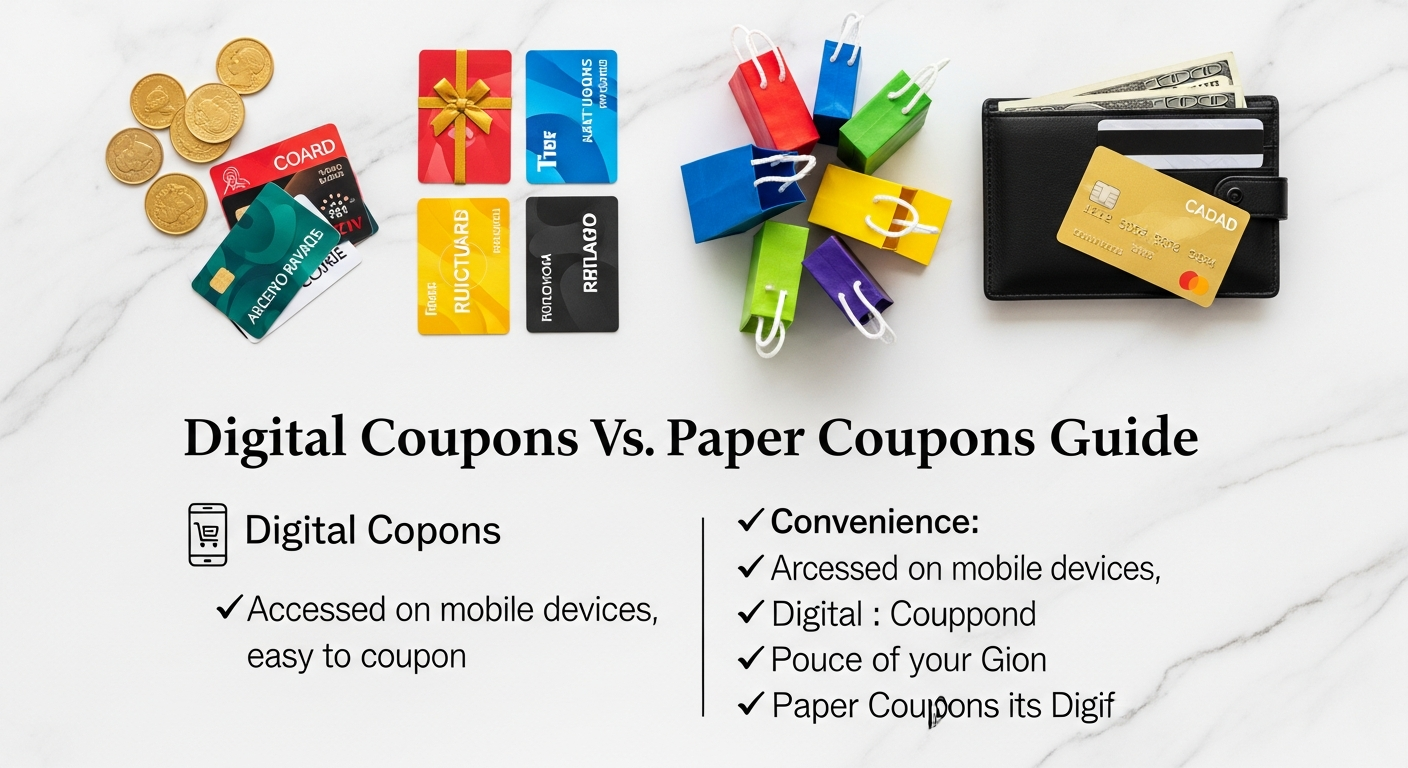
To truly understand which coupon format best suits your needs, it’s essential to compare them directly across several key dimensions that impact the modern shopper in 2026.
Accessibility and Convenience
In terms of sheer accessibility, digital coupons generally hold the upper hand. They are available anywhere, anytime, as long as you have a device and internet connection. This means you can “clip” coupons while waiting in line, on your commute, or from the comfort of your home. Paper coupons, on the other hand, require you to physically obtain them, often waiting for specific newspaper delivery days or visiting stores to pick up circulars. Their convenience is limited by their physical nature, requiring foresight and planning to ensure they are with you when you need them.
Savings Potential and Stacking Strategies
Both formats offer significant savings, but their potential and how they can be maximized differ. Digital coupons often shine when it comes to stacking. Many online retailers and grocery chains allow consumers to combine digital manufacturer coupons with digital store coupons, and sometimes even a store-specific promo code. This multi-layered approach can lead to substantial reductions, especially when paired with a robust credit card rewards strategy. For instance, combining a digital coupon with the cashback or points earned from one of the Best Credit Card Rewards Programs 2026 or leveraging benefits from Best Store Credit Cards Rewards 2026 can amplify your overall savings. Referencing our guide on How To Use Promo Codes And Discounts can further illuminate these advanced strategies.
Paper coupons can also offer high-value discounts, and sometimes a single paper coupon might offer a higher percentage off than its digital equivalent for a specific item. However, stacking paper coupons is often more restricted, with most stores limiting combinations to one manufacturer coupon and one store coupon per item. The true power of paper often lies in its straightforward application without the need for complex digital integration.
Environmental Impact
This is an area where digital coupons unequivocally triumph. By eliminating the need for printing, paper, and transportation associated with physical circulars, digital coupons significantly reduce environmental waste and carbon footprint. For the eco-conscious consumer, choosing digital is a clear win for sustainability. Paper coupons, while offering tangible benefits, inherently contribute to resource consumption and waste, even with recycling efforts.
Security and Privacy Concerns
When it comes to privacy, paper coupons offer a distinct advantage. Their usage is largely anonymous; you present the coupon, receive the discount, and no digital trail is left regarding your specific purchase linked to your identity. Digital coupons, conversely, are often linked to your loyalty account or email address. While this enables personalized offers and convenient tracking, it also means your purchasing habits are being collected and analyzed. For those highly concerned about data privacy, this trade-off is a significant consideration.
Integration with Rewards Programs
Digital coupons are perfectly designed for integration with modern rewards and loyalty programs. Most store apps allow you to “clip” digital coupons directly to your loyalty card, ensuring discounts are applied automatically when you scan your card or enter your phone number at checkout. This seamless integration enhances the overall rewards experience, making it easier to earn points, cashback, or other benefits while simultaneously saving money. Paper coupons, while still accepted, operate outside of this digital ecosystem and require manual processing, meaning they don’t directly integrate into digital rewards tracking.
Maximizing Your Savings: A Hybrid Approach and Future Trends
In 2026, the most effective savings strategy is rarely an either/or proposition. Instead, it involves a smart, synergistic blend of both digital and paper couponing, augmented by a keen understanding of broader financial tools.
The Synergistic Power of Both
The truly savvy shopper understands that the maximum savings often come from a hybrid approach. This means being open to using both digital coupons for everyday convenience and personalized deals, while also keeping an eye out for those high-value paper coupons that might offer a superior discount on specific items. For instance, you might use digital coupons loaded onto your store loyalty card for most of your groceries, but also bring a clipped paper coupon for a new high-end detergent that has an exceptionally good offer not available digitally. Combining these tactics ensures you’re never missing out on a potential saving, regardless of its format.
This approach requires a degree of flexibility and organization. It means checking multiple sources – your preferred store’s app, dedicated coupon websites, email newsletters, and even your Sunday newspaper inserts – to ensure you’re aware of all available discounts for your shopping list. The goal is to maximize the discount on each item, choosing the best coupon available, whether it’s digital or paper.
Leveraging Technology for Optimal Savings
Beyond just digital coupons, the broader technological landscape offers incredible opportunities for savings in 2026. Integrating digital coupon usage with other smart financial tools is where true optimization lies. This includes:
- Credit Card Rewards: Always consider how your coupon savings can be amplified by your payment method. Using one of the Best Credit Card Rewards Programs 2026 can earn you cashback, points, or miles on your discounted purchases, essentially saving you money twice. If you’re a frequent shopper at a particular store, exploring the Best Store Credit Cards Rewards 2026 can provide additional discounts, special financing, or accelerated rewards accumulation that stack beautifully with coupon savings.
- Promo Codes and Discounts: For online shopping, digital coupons often take the form of promo codes. Mastering How To Use Promo Codes And Discounts is essential. This includes using browser extensions that automatically find and apply codes, signing up for email lists for exclusive offers, and checking coupon aggregator sites before making a purchase.
- Cashback Apps and Browser Extensions: Apps like Ibotta, Fetch Rewards, or browser extensions like Rakuten and Honey allow you to earn cashback or apply additional discounts even after your coupons have been applied, creating a powerful trifecta of savings.
- Budgeting Tools: Integrating your couponing habits into a comprehensive budgeting app helps you track your actual spending and see the real impact of your savings, motivating further smart shopping.
The Future Landscape of Couponing
Looking ahead, the evolution of coupons will undoubtedly continue. We can anticipate even greater personalization driven by artificial intelligence, with coupons tailored precisely to individual shopping lists and dietary preferences. Augmented reality (AR) might allow shoppers to scan products in-store and instantly see available digital coupons. Blockchain technology could enhance coupon security and prevent fraud, ensuring that every valid coupon is honored. The line between loyalty programs, digital coupons, and payment systems will likely blur further, creating an even more seamless and integrated savings experience for the consumer of tomorrow.
Conclusion: Your Personalized Path to Smarter Savings
The debate between digital coupons and paper coupons in 2026 isn’t about declaring a single victor, but rather about understanding their individual strengths and weaknesses in the context of your personal shopping habits. While digital coupons offer unparalleled convenience, personalization, and environmental benefits, making them ideal for the modern, tech-savvy consumer, paper coupons retain their appeal for their tangible nature, privacy, and sometimes unique high-value offers.
The most effective strategy is often a hybrid one, leveraging the best of both worlds. By combining the ease of digital couponing with the occasional strategic use of paper coupons, and integrating these practices with powerful financial tools like credit card rewards and promo codes, you can unlock the full potential of your savings journey. Gold Points encourages you to experiment, find what works best for your lifestyle, and embrace the exciting possibilities that both traditional and cutting-edge couponing methods offer. Happy saving!
Frequently Asked Questions
Are digital coupons always better than paper coupons?▾
Can I stack digital and paper coupons?▾
How do I find the best digital coupons in 2026?▾
What are the environmental benefits of using digital coupons?▾
How do credit card rewards fit into couponing strategies in 2026?▾
What is the biggest challenge with paper coupons today?▾
Recommended Resources
For more on digital coupons vs, see How To Negotiate Bills And Lower Expenses on Fin3go.
You might also enjoy How To Set Financial Goals And Stick To Them from AssetBar.