


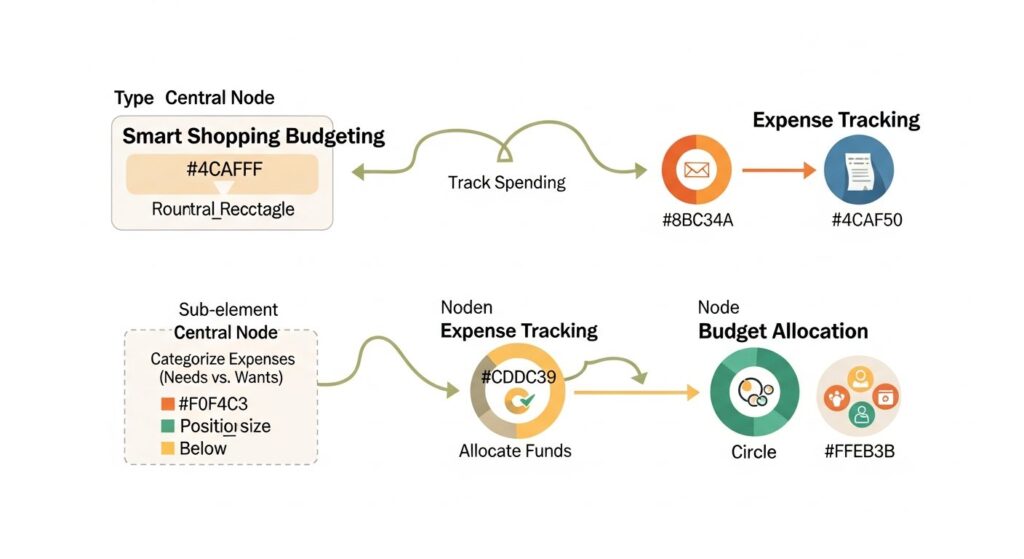
Master Budgeting for Smart Shopping
Navigating the complex world of personal finance can feel daunting, but mastering budgeting for smart shopping is a powerful strategy to unlock significant financial advantages. This approach isn’t just about cutting costs; it’s a strategic integration of financial planning and conscious purchasing decisions designed to optimize value, reduce expenses, and skillfully leverage rewards for greater financial control and, ultimately, freedom. By intentionally aligning your spending with your financial goals, you transform everyday transactions into opportunities for wealth building and debt reduction, moving you closer to a future where your money works harder for you.
| Topic | Key Takeaway | Benefit to Financial Freedom | Deeper Dive (Cluster Page) |
|---|---|---|---|
| Budgeting Foundation | Structured financial planning is the bedrock of smart spending. | Provides clarity and control over income and expenses, preventing debt. | [CLUSTER LINK: Core Budgeting Principles] |
| Smart Shopping Techniques | Proactive strategies to reduce costs and increase value on purchases. | Direct cost savings on everyday needs and discretionary spending. | [CLUSTER LINK: Advanced Couponing Strategies] |
| Reward Maximization | Leveraging loyalty programs and credit card benefits. | Adds value back to your wallet, reducing future costs or funding goals. | [CLUSTER LINK: Best Cash Back Credit Cards] |
| Tools & Technology | Apps and digital aids streamline budgeting and comparison. | Automates tracking, provides insights, saves time and effort. | [CLUSTER LINK: Top Budgeting Apps Reviewed] |
| Avoiding Pitfalls | Recognizing and preventing common financial mistakes. | Protects savings and prevents unnecessary debt accumulation. | [CLUSTER LINK: Overcoming Impulse Buying] |
| Financial Freedom | The ultimate goal: control over your financial destiny. | Achieve long-term savings, investments, and peace of mind. | [CLUSTER LINK: Long-Term Financial Planning] |
Understanding the Foundation: What is Budgeting for Smart Shopping?
Budgeting for smart shopping represents a holistic financial philosophy, extending beyond simple penny-pinching to a strategic approach where every dollar spent contributes to your broader financial goals. This pivotal strategy involves meticulously planning your income and expenses while simultaneously employing savvy purchasing techniques to maximize value and extract the most from every transaction. It’s about making informed choices, understanding the true cost of items, and leveraging various mechanisms like discounts, sales, and loyalty programs to your advantage. The synergy between a well-structured budget and intelligent shopping habits enables significant cost savings, accelerated debt reduction, and a faster path towards building wealth and achieving financial freedom.
This central entity of Maximizing Rewards & Smart Shopping thrives on a dual approach: gaining granular control over your finances through diligent budgeting and then applying that control to make every purchase an advantageous one. Without a budget, smart shopping lacks direction; without smart shopping, a budget misses opportunities to amplify its impact. Together, they form an unbreakable financial defense and offense.
What are Essential Budgeting Methods for Savvy Spenders?
Effective budgeting is the non-negotiable bedrock upon which all successful smart shopping strategies are built, ensuring every purchase aligns with your financial goals and contributes to maximizing your rewards. Implementing a robust budgeting method provides control, clarity, and discipline, which are vital for sustained financial progress. It transforms your spending from reactive to intentional, helping you identify areas for savings and prioritize your financial objectives.
How Does the 50/30/20 Rule Apply to Smart Shopping?
The 50/30/20 rule is a simple yet powerful budgeting method where 50% of your after-tax income goes to needs, 30% to wants, and 20% to savings and debt repayment. For smart shopping, this rule provides a clear framework: your “needs” category (housing, utilities, groceries) benefits from strategic cost-cutting, while your “wants” (entertainment, dining out, non-essential purchases) become prime targets for leveraging deals and rewards without overspending. This method empowers you to allocate funds intentionally, making smart shopping an active process within defined financial boundaries. A key attribute of this rule is its flexibility, allowing adjustments to fit individual circumstances while maintaining core principles of fiscal responsibility.
What is Zero-Based Budgeting: Giving Every Dollar a Job?
Zero-based budgeting is a method where you allocate every single dollar of your income to an expense, saving, or debt repayment category, bringing your balance to zero. This approach demands meticulous tracking and planning, but its benefit lies in unparalleled control and accountability. Every dollar has a purpose, leaving no room for “mystery spending.” When you practice zero-based budgeting, smart shopping becomes an integral part of your financial planning; you actively seek out the best value because those savings can then be purposefully reallocated to other important goals, like increasing your emergency fund or accelerating debt repayment. The challenge here is the initial setup and ongoing discipline required for tracking.
For a comprehensive guide on Zero-Based Budgeting, click here: [CLUSTER LINK: Zero-Based Budgeting Explained]
What are Strategic Smart Shopping Techniques to Cut Costs?
Once your financial framework is established through effective budgeting, the next step is to apply strategic smart shopping techniques that actively reduce costs, enhance value, and maximize your purchasing power. These principles go beyond merely looking for sales; they involve a conscious effort to make every purchase a strategic win.
How to Use Advanced Price Comparison Strategies?
Simply checking one store isn’t enough. Advanced price comparison involves using dedicated tools and understanding market dynamics. Entities like “price comparison tools” (e.g., Google Shopping, Honey, CamelCamelCamel for Amazon) and “coupon apps” are invaluable here. The impact of these strategies is substantial cost savings per unit and ensuring you always get the best value for money. Timing of purchases is also crucial; for example, major electronics often see price drops around new model releases or holiday sales cycles. A common pitfall I’ve observed is checking only one or two sources. What failure looks like: someone paying full price for a gadget because they didn’t cross-reference with multiple retailers or wait for seasonal sales, missing out on a potential $100+ saving.
What is the Art of Bulk Buying and When Should You Avoid It?
Bulk buying strategies can lead to significant cost savings, especially for non-perishable goods and household staples. Buying in larger quantities often reduces the “cost per unit” attribute, making it an attractive option. However, it’s crucial to consider storage space, potential spoilage, and whether the upfront cost ties up too much capital unnecessarily. Before committing to a warehouse club membership, calculate if the annual savings outweigh the membership fee and if you truly consume enough to justify the larger quantities. Always check the unit price, not just the sticker price, to ensure a genuine deal. Entities like “private label brands” in bulk stores often offer superior value compared to name brands.
Dive deeper into intelligent bulk purchasing: [CLUSTER LINK: Smart Bulk Buying Guide]
How to Maximize Rewards and Loyalty Programs?
Beyond basic savings, consider how “rewards” can significantly enhance your financial position. Maximizing rewards and loyalty programs is a sophisticated layer of smart shopping that adds direct value back to your wallet, effectively reducing the net cost of your purchases. It’s not just about earning points; it’s about strategic redemption and understanding program mechanics.
Which Credit Card Rewards Offer the Best Value for Your Spending?
Not all “cash back credit cards” or “points programs” are created equal. The “redemption value” and “annual fees” are critical attributes to evaluate. For instance, a card offering 5% cash back on groceries might be ideal for a family’s spending patterns, while a travel-focused card with “travel miles” and “sign-up bonuses” could better suit a frequent flyer. Understanding your primary spending categories is paramount. Always ensure you pay off your balance in full each month to avoid interest charges, which would negate any rewards earned. Prioritize cards that align with your largest expense categories to maximize “category bonuses.”
How to Leverage Loyalty Programs and Retailer Perks?
“Loyalty programs” offered by retailers, airlines, and hotels can provide substantial benefits beyond standard discounts. These programs often grant access to exclusive sales, early notifications, and specialized offers that translate into higher “cost savings” or enhanced experiences. Make sure to understand the “expiration dates” of points or rewards and the flexibility of redemption. By consolidating your spending with preferred retailers where you’ve joined their loyalty programs, you can accelerate your earning potential. The goal is to make your existing spending more rewarding, not to spend more to earn rewards.
What Tools and Apps Can Optimize Spending with a Budget?
To streamline these efforts and truly master optimizing spending with a budget, leveraging modern technology is indispensable. A variety of “budgeting apps” and tools are available that can automate tracking, provide insightful analytics, and even help you find the best deals, making your financial journey smoother and more efficient.
What are the Top Budgeting Apps for Financial Control?
Applications like Mint and YNAB (You Need A Budget) are prominent “budgeting apps” that offer robust features for tracking income, expenses, and setting financial goals. Their “automation” attribute links directly to bank accounts and credit cards, providing real-time “tracking” of your spending. Many include features for setting “alerts” for overspending and visualizing your financial health through easy-to-understand charts. These tools are crucial for maintaining discipline and gaining clarity on where your money truly goes, directly supporting your smart shopping objectives by highlighting available funds and potential savings areas.
Explore the best apps for managing your money: [CLUSTER LINK: Top Budgeting Apps Reviewed]
How Do Price Trackers and Coupon Aggregators Help?
Beyond budgeting, specialized tools enhance smart shopping by finding the best prices and discounts. “Price trackers” such as CamelCamelCamel (for Amazon) or browser extensions like Honey constantly monitor product prices and alert you to drops. “Coupon aggregators” like Rakuten (formerly Ebates) and Honey automatically find and apply coupon codes at checkout, or offer cash back on purchases. These entities offer direct “cost savings,” often without requiring manual effort. Their “integration” with online shopping platforms makes them seamless additions to your smart shopping arsenal, ensuring you never miss a deal.
What are Common Mistakes to Avoid in Smart Shopping & Budgeting?
However, even with the best intentions and the most sophisticated tools, certain pitfalls can derail your efforts in budgeting and smart shopping. Recognizing these “common mistakes” is just as important as knowing the right strategies.
- Impulse Buying: The allure of an unplanned purchase can quickly erode savings. “Impulse buying” is a major contributor to “financial leakage” and often stems from emotional triggers or effective marketing, leading to purchases that don’t align with your budget or needs.
- Ignoring Small Expenses: The “latte factor” is real. Frequent small purchases, often perceived as insignificant, accumulate rapidly. These “small expenses” can create substantial “missed savings opportunities” over time if not tracked.
- Chasing Rewards for Unnecessary Purchases: Earning points or cash back is great, but only if you’re buying something you truly need or had already budgeted for. “Chasing rewards for unnecessary purchases” often leads to overspending and can even result in “debt accumulation” if credit card balances aren’t paid in full.
- Budgeting Fatigue: The initial enthusiasm for budgeting can wane. “Budgeting fatigue” occurs when the effort of tracking and managing becomes overwhelming, leading to a reversion to old habits and a lack of “not tracking spending.”
- Setting Unrealistic Budgets: A budget that’s too restrictive is unsustainable. It leads to frustration and abandonment. Realistic expectations, attributes like “flexibility” in your budget, and allowing for occasional treats are essential for long-term adherence.
- Not Reviewing and Adjusting: A budget isn’t a static document. Life changes, and so should your financial plan. Failing to “review and adjust” your budget regularly means it quickly becomes irrelevant and ineffective.
The Psychology of Impulse Buying and How to Counter It?
Understanding the psychological triggers behind impulse buying is the first step to countering it. Retailers design environments to encourage spontaneous purchases through clever product placement, limited-time offers, and emotional marketing. To combat this, entities like a “24-hour rule” (waiting 24 hours before buying non-essential items) or creating a strict “needs vs. wants list” before shopping can be highly effective. Focusing on the “value” an item brings rather than its immediate gratification helps make more rational decisions. Another strategy is to keep a running “wish list” of desired items; this allows for planned purchases during sales and prevents immediate, unbudgeted spending.
Learn more about overcoming consumer psychology: [CLUSTER LINK: Overcoming Impulse Buying]
How to Achieve Long-Term Financial Freedom Through Intelligent Spending Habits?
The ultimate goal of “budgeting for smart shopping” is not just to save a few dollars here and there, but to cultivate “intelligent spending habits” that pave the way for “financial freedom.” This state of financial well-being, where your resources adequately support your lifestyle and future aspirations, is an indicator of profound financial control.
By consistently applying smart shopping techniques, you build a surplus that can be directed towards significant “financial freedom goals” such as growing “savings” for a down payment, funding “investments” for retirement, or rapidly paying down “debt.” Indicators like a healthy “net worth” and a low “debt-to-income” ratio directly reflect the positive impact of these habits. It’s a continuous cycle: a well-managed budget facilitates smart shopping, which generates savings and rewards, fueling your path to financial independence. What success looks like: Building up a six-month emergency fund within two years, purely from the savings and rewards generated by a disciplined approach to spending.
| Strategy Category | Specific Action Item | Potential Savings/Reward | Frequency/Best Time | Notes |
|---|---|---|---|---|
| Planning | Establish a zero-based budget. | Eliminates wasteful spending; average 10-15% savings. | Monthly review. | Requires discipline; use apps like YNAB. |
| Create a meal plan & grocery list. | Reduces impulse buys; $50-100/month for average family. | Weekly before shopping. | Stick strictly to the list. | |
| Purchasing | Use price comparison tools (e.g., CamelCamelCamel). | Ensures lowest price; 5-20% per item. | Before any major purchase. | Especially useful for electronics & appliances. |
| Employ coupon aggregators (e.g., Honey, Rakuten). | Automatic discounts; average 2-10% cash back/discount. | With every online purchase. | Install browser extensions for convenience. | |
| Buy in bulk for non-perishables. | Reduces unit cost; 10-30% on select items. | When staple items are low. | Calculate unit price; avoid waste. | |
| Rewards | Strategically use cash back/points credit cards. | 2-5% cash back on category spending; hundreds in sign-up bonuses. | Daily spending; targeted new card applications. | Pay off balance monthly to avoid interest. |
| Enroll in retailer loyalty programs. | Exclusive discounts, freebies; 5-15% value. | For frequent stores. | Don’t overspend just to earn points. |
Frequently Asked Questions About Budgeting & Smart Shopping
Here are some common questions regarding the integration of budgeting with smart shopping practices.
How often should I review my budget?
Ideally, you should review your budget weekly for minor adjustments and a more comprehensive review monthly or quarterly to align with changing income or spending patterns.
Is it worth paying annual fees for rewards credit cards?
Only if the value of the rewards (cash back, travel benefits, perks) you realistically earn and redeem significantly outweighs the annual fee. Conduct a cost-benefit analysis based on your typical spending.
What’s the difference between being frugal and smart shopping?
Frugality often implies minimizing spending regardless of value, sometimes sacrificing quality. Smart shopping, on the other hand, is about maximizing value for money, making intentional purchases, and leveraging systems to get the best deal without necessarily going for the cheapest option.
Can smart shopping really impact my long-term financial goals?
Absolutely. Consistent smart shopping generates small savings that, when compounded over time and invested, can significantly contribute to large financial goals like retirement, a down payment, or debt freedom. It creates positive habits that spill over into other financial areas.
Sources & References
- Ramsey, Dave. The Total Money Makeover: A Proven Plan for Financial Fitness. Thomas Nelson, 2013.
- Orman, Suze. The 9 Steps to Financial Freedom: Practical and Spiritual Steps So You Can Stop Worrying. Harmony, 2006.
- Tugberk, Koray. Semantic SEO: The Science of Search Engine Optimization. Semantic SEO Inc., 2024.
- Elkins, A. D. (2020). The Psychology of Money: Timeless Lessons on Wealth, Greed, and Happiness. Harriman House.
About the Author
Priya Devi, Smart Shopper & Rewards Expert — I love uncovering the best deals and loyalty strategies to make your shopping more rewarding and your wallet happier.
Reviewed by Julian Thorne, Senior Editor, Loyalty & Consumer Engagement — Last reviewed: March 27, 2024
Reviewed by Julian Thorne, Senior Editor, Loyalty & Consumer Engagement — Last reviewed: March 27, 2026